
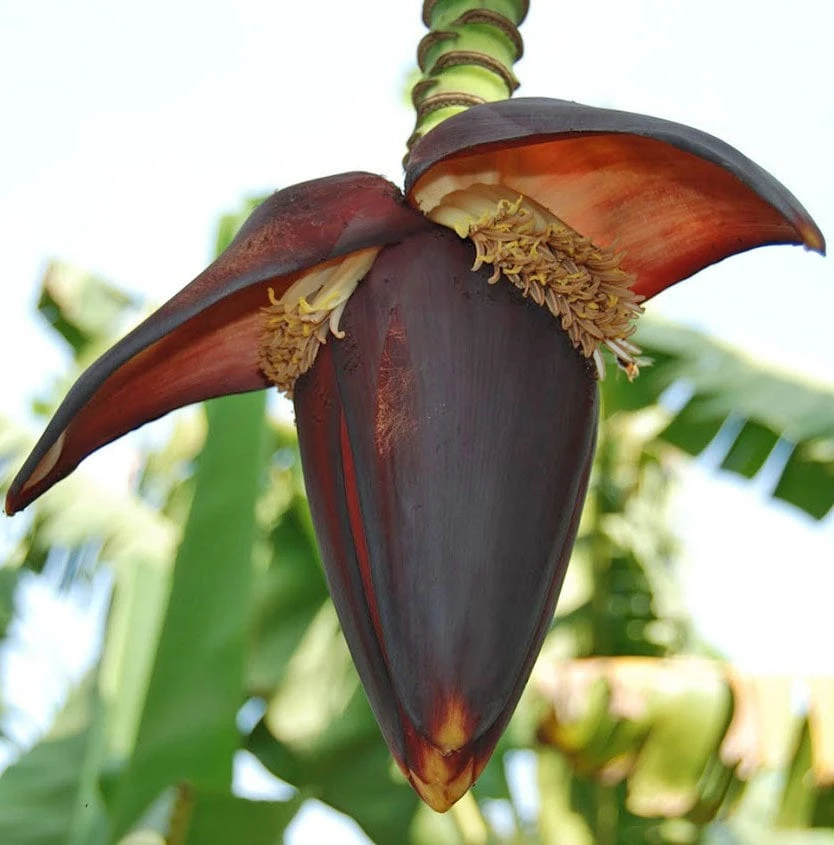
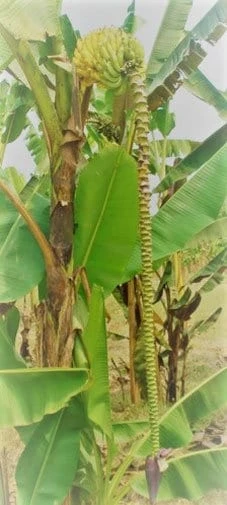
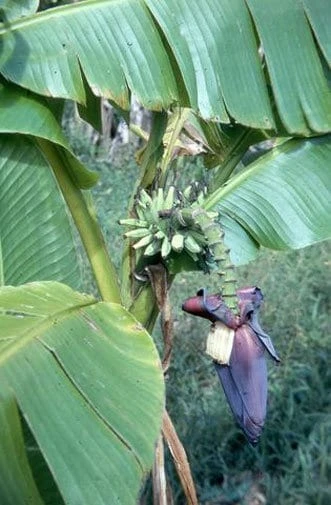
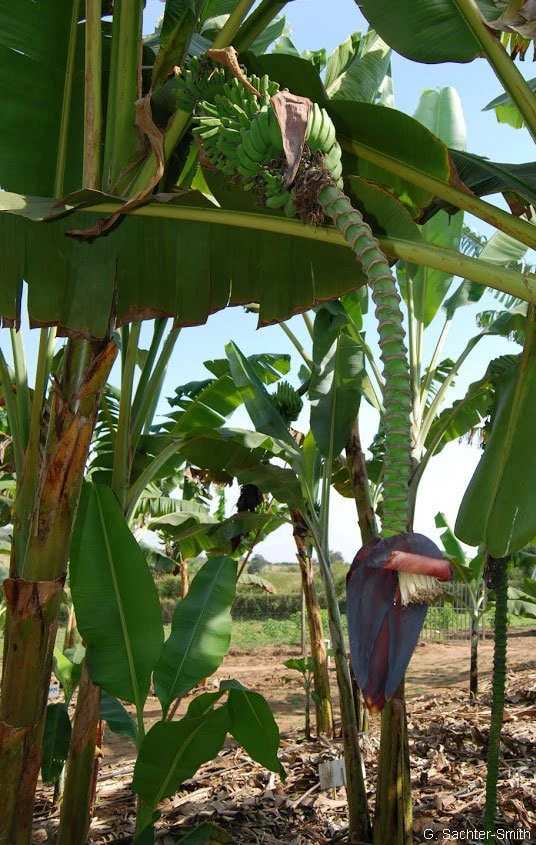
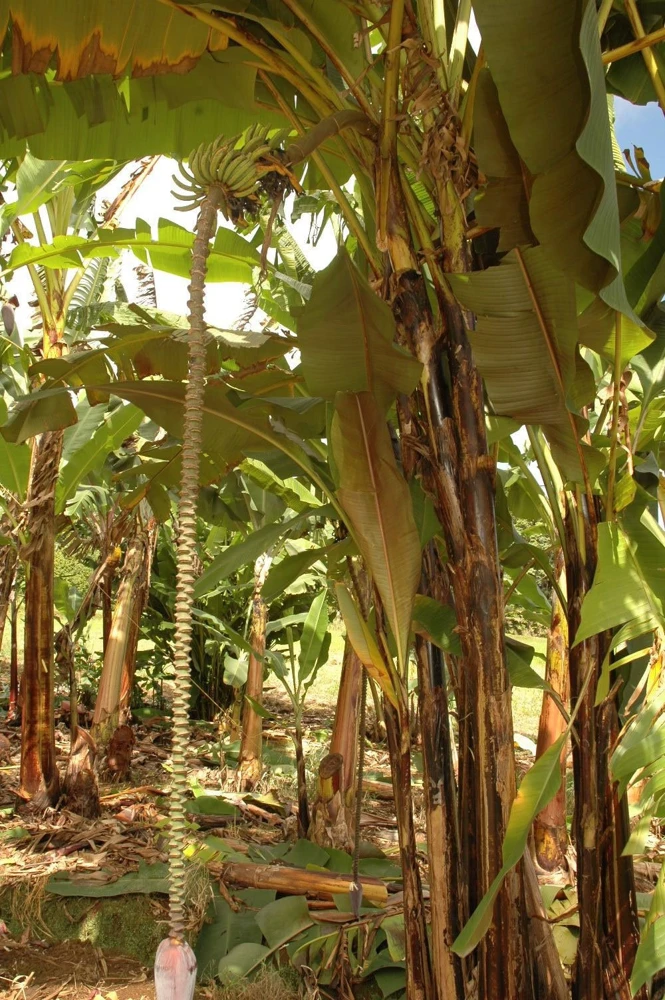
Musa acuminata Burmannica Banana Seeds – 10 Count, Sweet Fruit, Tropical
Original price was: 48.91 $.19.91 $Current price is: 19.91 $.
Cultivate your own tropical delight with Musa acuminata Burmannica seeds. Each pack contains 10 high-quality seeds from this unique banana subspecies known for its delicious, sweet fruit. Perfect for gardeners in USDA Zones 10-11 looking to grow their own edible bananas.
Estimated arrival
Nov 27
Dec 02 - Dec 04
Dec 04 - Dec 09
See our Shipping Policy.
Get in touch with us via email, and our team will review your concerns.
Our Alive & Thrive Guarantee covers issues with your plants within the first 30 days. Read our Refund & Returns Policy.
-
USDA Hardiness Zone
USDA Zones 10 to 11 -
Soil Type
Rich, well-draining loamy soil -
Sunlight Exposure
Full sun -
Expected Planting Period
Year-round in tropical zones; spring indoors
Overview
Embark on a rewarding gardening journey with our premium Musa acuminata Burmannica seeds. This offering includes 10 viable seeds of the fascinating Musa acuminata Burmannica, a significant subspecies in the development of the seedless edible bananas we enjoy today. Originating from Southeast Asia, this tropical banana variety is celebrated for producing sweet, flavorful fruits that can be savored raw or dried. Growing your own banana plants from seed provides a unique connection to nature and the satisfaction of harvesting your own exotic produce. These seeds are a fantastic choice for enthusiasts of tropical gardening and those seeking to cultivate a truly special fruit-bearing plant.
The Musa acuminata Burmannica seeds offer an exciting opportunity to observe the life cycle of a banana plant from its very beginning. While patience is key when growing bananas from seed, the eventual reward of lush foliage and sweet fruit makes the endeavor worthwhile. This particular subspecies is known for its genetic contribution to the modern banana, making it a piece of horticultural history you can grow in your own garden or greenhouse. Prepare to be amazed by the vigor and beauty of this tropical gem.
Key Benefits
Growing Musa acuminata Burmannica seeds offers a multitude of benefits, from the joy of cultivation to the delicious harvest. These seeds allow you to cultivate a unique tropical fruit right in your own space.
-
Produces Sweet, Edible Fruit: Enjoy the satisfaction of harvesting your own delicious bananas. The Musa acuminata Burmannica is known for its sweet fruit, perfect for eating fresh or incorporating into various recipes.
-
Historical Significance: This subspecies is one of the foundational varieties that contributed to the creation of modern seedless edible bananas, offering a unique connection to agricultural history.
-
Tropical Garden Appeal: Banana plants, even from seed, develop large, vibrant leaves that add a dramatic, tropical aesthetic to any garden, patio, or greenhouse setting.
-
Rewarding Growing Experience: Cultivating bananas from Musa acuminata Burmannica seeds is a fulfilling project for gardeners of all levels, providing an opportunity to learn about tropical plant care and witness impressive growth.
-
Versatile Culinary Use: The sweet fruit can be enjoyed in numerous ways – fresh as a snack, blended into smoothies, baked into desserts, or dried for a healthy treat.
-
Genetic Diversity: Growing from seed helps maintain genetic diversity within banana populations, contributing to the health and resilience of the species.
Plant Care & Growing Tips
Successfully germinating and growing your Musa acuminata Burmannica seeds requires attention to specific environmental conditions. Before planting, it’s beneficial to scarify the seeds gently (lightly abrade the hard outer shell) and soak them in warm water for 24-48 hours, changing the water every 12 hours. This helps to soften the seed coat and encourage germination. Plant seeds about 1/4 to 1/2 inch deep in a well-draining seed-starting mix. Maintain consistent moisture, but avoid waterlogging, which can lead to rot. A warm environment is crucial for germination, ideally between 75-85°F (24-29°C), which can be achieved with a heat mat. Germination can be slow and erratic, taking anywhere from a few weeks to several months, so patience is key.
Once your tropical banana plant seedlings emerge, provide them with plenty of bright, indirect light. As they grow, gradually acclimate them to more direct sunlight, aiming for at least 6-8 hours of full sun per day for mature plants. Banana plants are heavy feeders and thrive in rich, fertile, well-draining soil with a slightly acidic to neutral pH (6.0-7.0). Water deeply and regularly, especially during warm weather, ensuring the soil remains consistently moist but not waterlogged. Reduce watering in cooler months. Fertilize actively growing plants every 2-4 weeks with a balanced fertilizer high in potassium. These plants are best suited for USDA Hardiness Zones 10 to 11, where they can be grown outdoors year-round. In cooler climates, they can be grown in large containers and brought indoors during winter or cultivated in a greenhouse. Protecting young plants from strong winds is also important, as their large leaves can be easily torn.
Size & Details
This product includes 10 Musa acuminata Burmannica seeds, providing a generous quantity to begin your banana growing adventure. As a tropical plant, mature Musa acuminata Burmannica can grow quite large, often reaching heights of 10 to 15 feet (3 to 4.5 meters) with a similar spread of broad, lush leaves, depending on growing conditions and climate. The plants typically begin to produce fruit within 2-3 years from germination under optimal conditions. Each seed holds the potential for a robust and productive banana plant. The seeds are shipped in a protective packet to ensure their viability upon arrival, ready for you to start the germination process.
When you grow banana from seed, remember that the initial growth will be slow, but once established, these plants can grow quite rapidly. The fruit size will vary but is generally comparable to other dessert bananas. Expect a vigorous growth habit once the plant is mature and established in its preferred warm, humid environment. This is an excellent opportunity to cultivate a substantial and visually striking tropical specimen that also yields delicious fruit.
Frequently Asked Questions
-
Q: How big does this plant get from these seeds? A: A mature Musa acuminata Burmannica plant can typically reach heights of 10 to 15 feet (3 to 4.5 meters) with a significant spread of large leaves, given optimal growing conditions and ample space. Its size can be somewhat managed in containers.
-
Q: Is this an indoor or outdoor plant? A: This tropical banana plant thrives outdoors in USDA Hardiness Zones 10 to 11. In cooler climates, it can be grown in large containers and brought indoors during colder months, or cultivated year-round in a heated greenhouse to protect it from frost.
-
Q: How much sunlight does it need? A: Once established, mature banana plants require at least 6-8 hours of full, direct sunlight per day to grow vigorously and produce fruit. Young seedlings should start with bright, indirect light.
-
Q: Is this plant easy to care for? A: Growing bananas from Musa acuminata Burmannica seeds requires patience for germination and consistent care regarding warmth, water, and nutrients. While not for the completely hands-off gardener, it is a rewarding experience for those willing to provide its specific tropical needs.
-
Q: What condition will the seeds arrive in? A: The edible banana seeds will arrive carefully packaged in a protective packet to ensure they are safe and viable for planting upon delivery. They are ready for immediate scarification and soaking.
-
Q: How long until it produces fruit? A: Under ideal growing conditions, a banana plant grown from these seeds can typically begin to produce fruit within 2 to 3 years from the time of germination. This timeline can vary based on climate and care.
-
Q: What’s the minimum temperature these plants can tolerate? A: As a tropical plant, Musa acuminata Burmannica is sensitive to cold. It generally requires temperatures above 50°F (10°C) and will suffer damage or die if exposed to freezing temperatures. Protection from frost is essential.
-
Q: Can I use these bananas in cooking? A: Yes, the fruits from this variety are sweet and delicious, suitable for eating raw, adding to smoothies, baking into desserts, or drying for a healthy snack. They are very versatile in culinary applications.
-
Q: What kind of soil is best for these seeds and plants? A: Use a well-draining, rich, fertile potting mix for starting seeds and growing plants. Mature plants thrive in loamy soil amended with organic matter, ensuring good drainage while retaining moisture.
-
Q: How often should I water my banana plant? A: Banana plants are thirsty. Water deeply and regularly, ensuring the soil remains consistently moist but never waterlogged. During hot, dry periods, they may need daily watering. Reduce watering significantly in cooler, dormant periods.
Be the first to review “Musa acuminata Burmannica Banana Seeds – 10 Count, Sweet Fruit, Tropical”
Related products

HousePlants
Blood Banana Live Plant – Musa acuminata ‘Zebrina’, Tropical Red Foliage, 5-9 Inch Starter


You May Like

How to Grow Passion Flower (Passiflora) for Tropical Blooms
Few climbing vines in the home garden command attention quite like the exotic Passion Flower (Passiflora). [...]
Nov

Thanksgiving Cactus Care: How to Get Thanksgiving Cactus to Bloom
Is your Thanksgiving cactus growing well but not giving you any flowers? Maybe it looked [...]
Nov

How to Grow Garlic for a Bountiful Home Harvest
Garlic (Allium sativum) is one of the most satisfying, low-maintenance, and flavor-packed crops you can [...]
Oct

Hardneck vs. Softneck Garlic: Which Should You Grow?
Have you ever stood in front of a seed catalog in mid-September, staring at dozens [...]
1 Comment
Oct

When to Plant Music Garlic: Ultimate US Fall Guide
Have you ever spent your fall weekend placing carefully chosen garlic cloves into rich, dark [...]
1 Comment
Oct

5 Best Bulbs for Fall Planting: Brighten Your Garden This Spring
Are you dreaming of a garden full of vibrant colors in the spring? The key [...]
Aug

10 Houseplants That Will Thrive in Your Kitchen
Are you tired of your kitchen feeling dull and lifeless? Want to add a little [...]
1 Comment
Aug
Reviews
There are no reviews yet.