
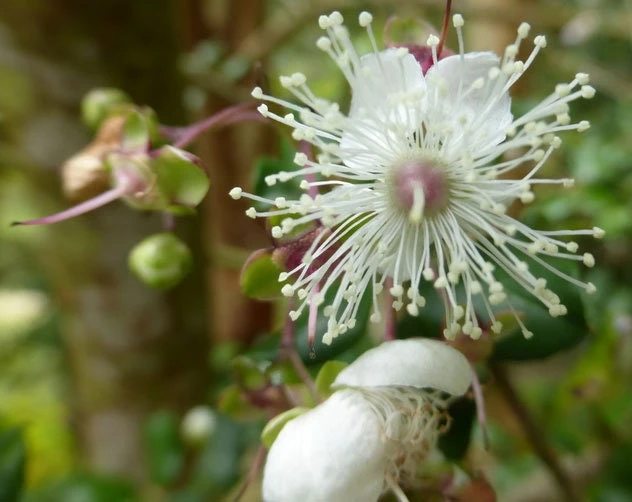
Luma apiculata Seeds – Chilean Myrtle, Arrayan – 5 Seeds for Garden & Bonsai
Original price was: 48.91 $.19.91 $Current price is: 19.91 $.
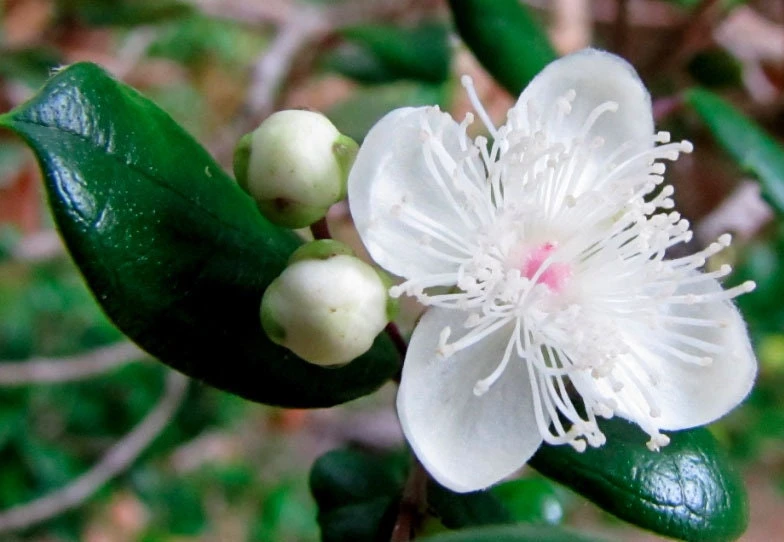
Cultivate the unique Luma apiculata seeds, also known as Chilean Myrtle seeds or Arrayan. These 5 seeds are ideal for growing a beautiful tree with fragrant white blossoms, edible berries, and striking contorted bark. Perfect for garden enthusiasts and bonsai lovers.
Estimated arrival
Nov 26
Dec 01 - Dec 03
Dec 03 - Dec 08
See our Shipping Policy.
Get in touch with us via email, and our team will review your concerns.
Our Alive & Thrive Guarantee covers issues with your plants within the first 30 days. Read our Refund & Returns Policy.
-
USDA Hardiness Zone
9 to 11 -
Soil Type
Well-draining, loamy or sandy loam -
Sunlight Exposure
Full sun to partial shade -
Expected Planting Period
Spring after stratification
Overview
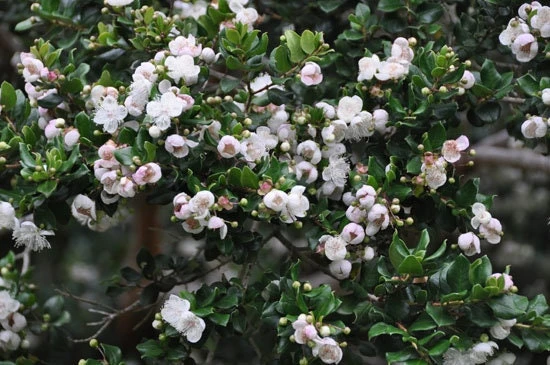
Embark on a rewarding gardening journey with these high-quality Luma apiculata seeds. Also known as Chilean Myrtle, Arrayan, or Shortleaf Stopper, this remarkable tree offers a captivating presence in any garden or landscape. Originating from the temperate forests of Chile and Argentina, Luma apiculata is celebrated for its distinctive cinnamon-colored, twisted bark that peels to reveal creamy patches, creating a stunning visual interest year-round. These 5 seeds provide an excellent opportunity to cultivate this unique species from its very beginning, allowing you to witness its full development into a mature, majestic tree. Whether you’re an experienced gardener or a budding enthusiast, growing this tree from seed is a fulfilling project.
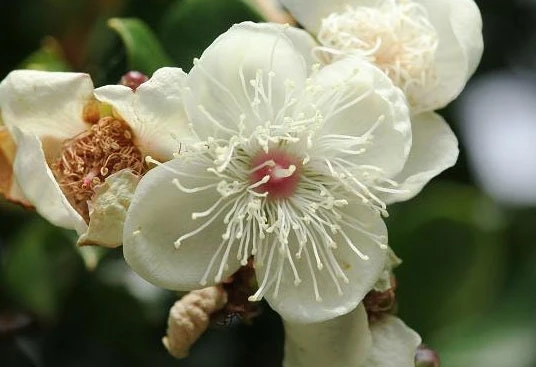
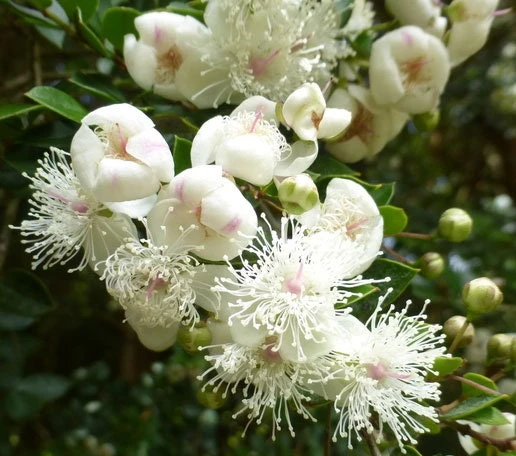
The Luma apiculata is not just a visual delight; it also enchants with fragrant white blossoms that emerge from mid-spring through early fall. These delicate flowers are not only beautiful but also attract pollinators, contributing to local biodiversity. Following the bloom, the tree produces small, edible dark blue or black berries, adding another layer of appeal. Beyond its aesthetic and ecological benefits, Luma apiculata is a versatile plant, often chosen for its adaptability and hardiness. It can reach impressive heights of up to 40 feet in its natural habitat, providing ample shade and a strong focal point in larger gardens. Its unique growth habit and attractive features also make it a popular choice for bonsai cultivation, offering endless creative possibilities for shaping and training.
Key Benefits
Growing the Luma apiculata seeds offers a multitude of benefits for your garden and personal enjoyment:
- Unique Ornamental Value: The striking, contorted, and peeling bark of the Chilean Myrtle provides exceptional visual interest throughout the year, making it a standout feature in any landscape. Its distinct appearance adds a touch of exotic elegance.
- Fragrant Blossoms: Enjoy beautiful, aromatic white flowers that bloom for an extended period from mid-spring to early fall, filling your garden with a delightful scent and attracting beneficial pollinators. These blossoms are also instrumental in honey production.
- Edible Berries: The tree produces small, dark blue or black berries that are not only attractive but also edible, offering a unique foraging experience and a treat for local wildlife.
- Versatile Growth: Suitable for a variety of garden styles, this tree can grow into a substantial shade tree or be meticulously shaped into an exquisite bonsai, offering flexibility in its application.
- Attracts Wildlife: The fragrant flowers attract bees and other pollinators, while the berries provide a food source for birds, enhancing the ecological balance of your garden. Cultivating grow Chilean Myrtle contributes to local ecosystems.
- Adaptable & Resilient: Thrives in USDA Hardiness Zones 9 to 11, demonstrating good adaptability to various conditions once established, making it a reliable choice for temperate climates.
- Long-Term Investment: Growing a tree from seed provides a long-term connection to nature and a lasting addition to your landscape, increasing property value and aesthetic appeal over time.
Plant Care & Growing Tips
Successfully germinating and growing Luma apiculata seeds requires patience and attention to specific environmental conditions. For optimal germination, a period of cold stratification is often beneficial. This can be achieved by placing the seeds in a moist medium, such as peat moss or sand, in a sealed plastic bag and refrigerating them for 4-8 weeks. After stratification, sow the seeds in a well-draining seed-starting mix, lightly covering them with soil. Maintain consistent moisture without overwatering, and keep the soil temperature between 65-75°F (18-24°C). Germination can be slow and sporadic, sometimes taking several weeks to months. Once seedlings emerge, provide them with bright, indirect light to encourage strong growth.
As your Luma apiculata seedlings grow, they will need proper care to thrive. This tree prefers full sun to partial shade, meaning at least 6 hours of direct sunlight per day for optimal growth, though it can tolerate some afternoon shade in hotter climates. The soil should be consistently moist but well-draining, ideally a loamy or sandy loam with a slightly acidic to neutral pH. Young plants will require regular watering to establish their root system, while mature trees are more drought-tolerant but will benefit from supplemental watering during dry spells. Fertilize sparingly in the spring with a balanced, slow-release fertilizer designed for trees and shrubs. Pruning can be done to maintain shape, remove dead branches, or to train for bonsai purposes. Protecting young plants from extreme cold during their first few winters in the lower end of their hardiness range is advisable. Understanding Luma apiculata plant care is crucial for its long-term health.
When considering where to plant your Chilean Myrtle, remember its potential mature size. It can grow up to 40 feet tall, so ensure it has ample space to spread its roots and canopy. For those interested in bonsai, the naturally contorted trunk and small leaves of the Arrayan tree seeds make it an excellent candidate. Regular pruning, wiring, and root maintenance will be necessary to achieve the desired bonsai form. Keep an eye out for common pests like aphids or scale insects, and treat with organic insecticides if necessary. Adequate air circulation and proper watering practices will help prevent fungal diseases. With consistent care, your grow Chilean Myrtle project will result in a magnificent specimen.
Size & Details
This product includes 5 Luma apiculata seeds, offering you the opportunity to cultivate this unique and beautiful tree. The seeds are carefully selected to ensure viability, though germination rates can vary and often require specific stratification methods. Once established, the Luma apiculata tree is known for its moderate to fast growth rate, eventually reaching an impressive height of up to 40 feet in ideal conditions, with a spread proportionate to its height. Its distinctive contorted trunk and dense foliage provide significant visual impact.
The tree typically begins to produce its fragrant white blossoms from mid-spring until early fall, followed by small, edible dark blue or black berries. It is hardy in USDA Hardiness Zones 9 to 11, thriving in climates with mild winters. These seeds are perfect for gardeners looking to add a unique specimen tree to their landscape, create a natural privacy screen, or embark on a rewarding bonsai project. Each seed holds the potential for a long-lived and captivating plant that will enhance your outdoor space for years to come.
Frequently Asked Questions
- Q: How do I germinate Luma apiculata seeds? A: It’s recommended to cold stratify the seeds for 4-8 weeks in a moist medium in the refrigerator before sowing. Sow them in well-draining soil mix, lightly covered, and maintain consistent moisture and warmth.
- Q: How big does the Chilean Myrtle tree get? A: In ideal conditions, the Chilean Myrtle seeds can grow into trees up to 40 feet tall with a significant spread. Its mature size makes it suitable for larger gardens or as a specimen tree.
- Q: What are the light requirements for Luma apiculata? A: This tree prefers full sun to partial shade. Aim for at least 6 hours of direct sunlight daily, though it can tolerate some afternoon shade, especially in hotter climates.
- Q: Are the berries of the Arrayan tree edible? A: Yes, the dark blue or black berries produced by the Arrayan tree seeds are edible and are often enjoyed fresh or used in jams and desserts in its native regions.
- Q: Is this tree suitable for bonsai? A: Absolutely! The naturally contorted trunk and relatively small leaves of the Luma apiculata make it a popular and excellent choice for bonsai cultivation, allowing for unique artistic expression.
- Q: What USDA Hardiness Zones are suitable for this plant? A: The Luma apiculata thrives in USDA Hardiness Zones 9 to 11. It’s important to protect young plants from extreme cold in the lower end of this range.
- Q: How long does it take for the seeds to germinate? A: Germination can be slow and irregular, often taking several weeks to a few months even after proper stratification. Patience is key when growing from grow Chilean Myrtle seeds.
- Q: What kind of soil does Luma apiculata prefer? A: It prefers well-draining soil, ideally a loamy or sandy loam that is slightly acidic to neutral. Good drainage is crucial to prevent root rot.
- Q: When does the Luma apiculata bloom? A: The tree typically produces its fragrant white blossoms from mid-spring until early fall, offering an extended period of beauty and scent in your garden.
- Q: What is the best way to care for a young Luma apiculata seedling? A: Provide bright, indirect light, keep the soil consistently moist but not waterlogged, and protect it from strong winds and extreme temperatures until it is well-established.
Be the first to review “Luma apiculata Seeds – Chilean Myrtle, Arrayan – 5 Seeds for Garden & Bonsai”
Related products




Tree Seeds
Canino Olive Tree Seeds – 10 Pack Olea Europaea Canino for Edible Olives, Full Sun, Zones 9-11
You May Like

How to Grow Passion Flower (Passiflora) for Tropical Blooms
Few climbing vines in the home garden command attention quite like the exotic Passion Flower (Passiflora). [...]
Nov

Thanksgiving Cactus Care: How to Get Thanksgiving Cactus to Bloom
Is your Thanksgiving cactus growing well but not giving you any flowers? Maybe it looked [...]
Nov

How to Grow Garlic for a Bountiful Home Harvest
Garlic (Allium sativum) is one of the most satisfying, low-maintenance, and flavor-packed crops you can [...]
Oct

Hardneck vs. Softneck Garlic: Which Should You Grow?
Have you ever stood in front of a seed catalog in mid-September, staring at dozens [...]
1 Comment
Oct

When to Plant Music Garlic: Ultimate US Fall Guide
Have you ever spent your fall weekend placing carefully chosen garlic cloves into rich, dark [...]
1 Comment
Oct

5 Best Bulbs for Fall Planting: Brighten Your Garden This Spring
Are you dreaming of a garden full of vibrant colors in the spring? The key [...]
Aug

10 Houseplants That Will Thrive in Your Kitchen
Are you tired of your kitchen feeling dull and lifeless? Want to add a little [...]
1 Comment
Aug
Reviews
There are no reviews yet.