
Yellow Dragon Fruit Seeds – Hylocereus megalanthus – 20 Seeds
Original price was: 48.91 $.19.91 $Current price is: 19.91 $.
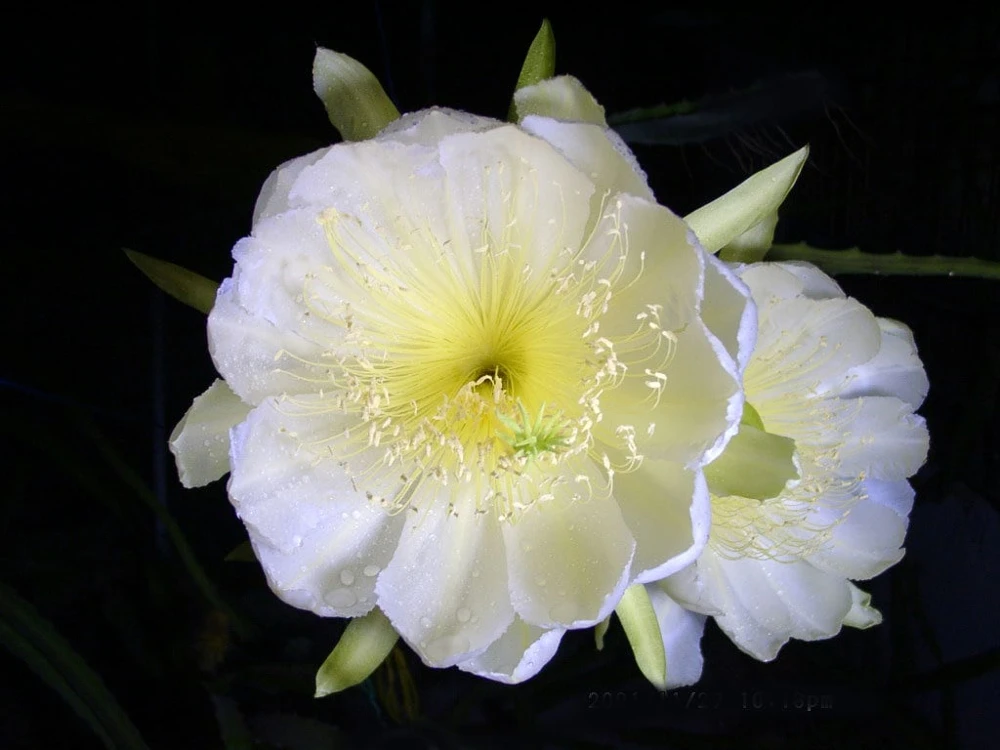
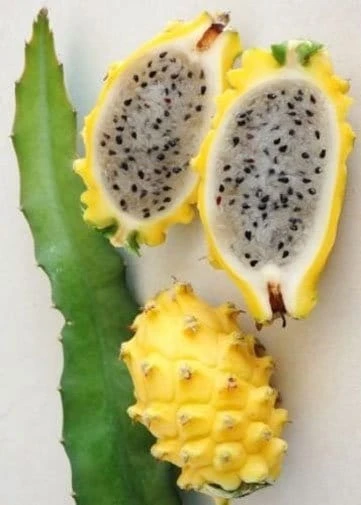
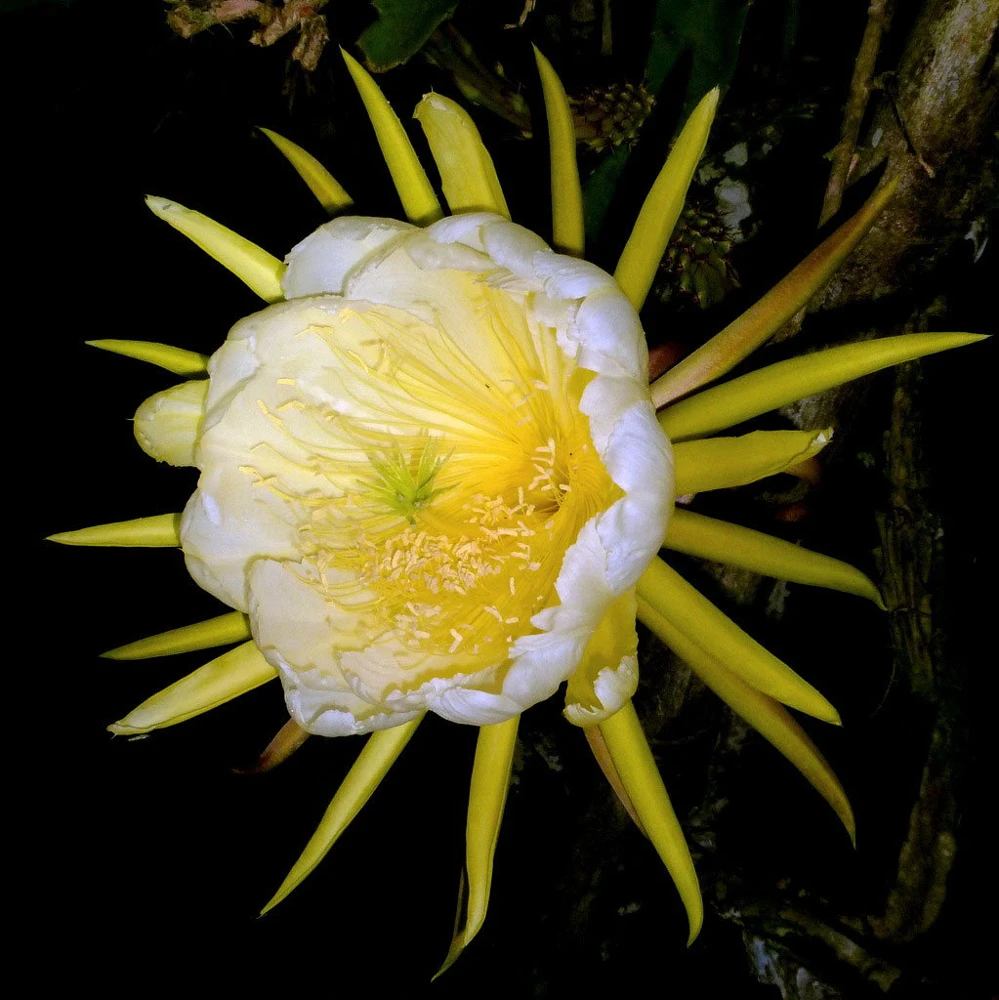
Cultivate your own exotic and delicious yellow dragon fruit seeds with this pack of 20 hylocereus megalanthus seeds. Known for their mildly sweet flavor, these seeds will grow into climbing succulents that also produce large, impressive white flowers. Perfect for warm climates, enjoy fresh pitaya from your garden.
Estimated arrival
Nov 27
Dec 02 - Dec 04
Dec 04 - Dec 09
See our Shipping Policy.
Get in touch with us via email, and our team will review your concerns.
Our Alive & Thrive Guarantee covers issues with your plants within the first 30 days. Read our Refund & Returns Policy.
-
USDA Hardiness Zone
USDA Hardiness Zones 10 to 12 -
Soil Type
Well-draining soil, sandy loam -
Sunlight Exposure
Full sun to light shade -
Expected Planting Period
Spring to early summer
Overview
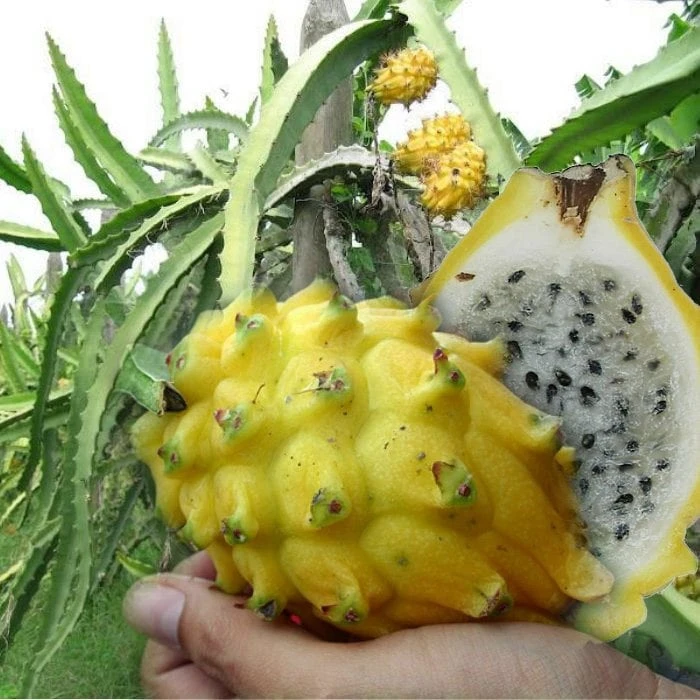
Embark on an exciting gardening journey with yellow dragon fruit seeds, specifically from the Hylocereus megalanthus variety. Also known as Golden Dragonfruit, Yellow Pitaya, or Pitahaya Amarilla, these seeds offer the unique opportunity to grow one of the most sought-after and sweetest types of dragon fruit right in your own garden. This climbing succulent is not only prized for its delicious and mildly sweet fruit but also for its stunning ornamental value. The plant produces some of the largest flowers in the cactus family, often exceeding a foot in diameter, making it a spectacular addition to any landscape. Growing your own golden dragonfruit seeds allows you to enjoy fresh, organic fruit and the beauty of its blossoms. These seeds are a fantastic choice for enthusiasts looking to expand their edible landscape with an exotic and rewarding plant.
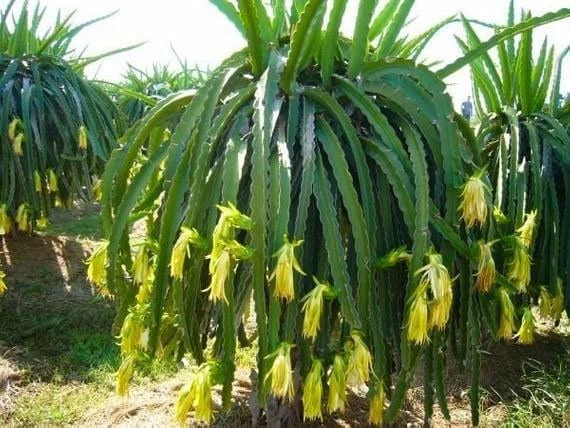
The Hylocereus megalanthus is a vigorous grower, capable of reaching up to 15 feet high when provided with proper support. Its impressive size and beautiful white flowers make it a focal point in any garden. Beyond its visual appeal, the primary draw for many gardeners is the fruit itself. Unlike some other dragon fruit varieties, the yellow type is consistently lauded for its superior sweetness and delightful flavor profile. Cultivating pitaya seeds from this specific variety ensures you’ll be harvesting some of the finest dragon fruit available. Whether you’re an experienced gardener or just starting, these seeds provide a rewarding and delicious experience.
Key Benefits
Growing yellow dragon fruit seeds offers numerous advantages, from the unique culinary experience to the plant’s aesthetic appeal:
- Delicious, Sweet Fruit: Enjoy the distinct pleasure of harvesting your own golden dragonfruit seeds, known for being the sweetest of all dragon fruit varieties. The fruit is mildly sweet and delicious, perfect for fresh eating, smoothies, or desserts.
- Stunning Ornamental Value: Beyond its fruit, the Hylocereus megalanthus produces exceptionally large, beautiful white flowers that can span over a foot across. These blossoms are a spectacular sight, adding significant aesthetic appeal to your garden.
- Vigorous Climbing Succulent: This plant is a strong climber, capable of reaching impressive heights of up to 15 feet. It can be trained on trellises, fences, or other structures, making it a versatile addition to your landscape.
- Exotic Garden Addition: Introduce a touch of the tropics to your outdoor space. Growing pitaya seeds brings an exotic flair and unique plant form that stands out from traditional garden plants.
- Rewarding Growing Experience: From seed to fruit, cultivating dragon fruit is a fulfilling process. Watching the plant grow, flower, and eventually bear fruit provides immense satisfaction for any gardener.
- Potential for Homegrown Produce: Reduce your reliance on store-bought produce and enjoy fresh, organic yellow dragon fruit directly from your garden, ensuring quality and freshness.
- Adaptable to Warm Climates: Thrives in USDA Hardiness Zones 10 to 12, making it an excellent choice for gardeners in warmer regions looking for a productive and beautiful plant.
Plant Care & Growing Tips
To successfully grow dragon fruit from yellow dragon fruit seeds, understanding its specific care requirements is crucial. Hylocereus megalanthus is a climbing succulent that thrives in warm environments. It prefers full sun to light shade, meaning it should receive at least 6 hours of direct sunlight daily for optimal fruit production, though some afternoon shade can be beneficial in extremely hot climates to prevent scorching. When growing from seeds, start them indoors in a warm, bright location. Once seedlings are established, they can be transplanted outdoors after the last frost, ensuring temperatures remain consistently above 50°F (10°C).
These plants require well-draining soil. A sandy loam mix amended with compost or other organic matter is ideal. Avoid heavy clay soils that retain too much moisture, as this can lead to root rot. While drought-tolerant once established, young plants and fruiting plants benefit from regular watering, especially during dry spells. Allow the top few inches of soil to dry out completely between waterings to prevent overwatering. Provide a sturdy support structure, such as a trellis, post, or wall, as the plant grows, as it is a vigorous climber. Fertilize sparingly with a balanced, slow-release fertilizer during the growing season (spring and summer) to encourage healthy growth and fruit development. Protecting plants from frost is essential in cooler zones, either by bringing them indoors or providing adequate frost protection.
Pest and disease issues are generally minimal for hylocereus megalanthus seeds, but occasional issues like scale or mealybugs can occur. Inspect your plants regularly and treat any infestations promptly with organic insecticidal soap. Proper air circulation and sanitation can help prevent fungal problems. With consistent care and attention to its environmental needs, your dragon fruit plant will flourish, providing both beautiful blooms and delicious fruit for years to come. Remember that patience is key when you grow dragon fruit from seeds, as it may take a few years for the plant to mature and begin fruiting.
Size & Details
This product includes 20 seeds of Hylocereus megalanthus, ready for you to start cultivating your own yellow dragon fruit plants. When mature, these climbing succulents can reach an impressive height of up to 15 feet, requiring a robust support structure for optimal growth. The plant will develop large, showy white flowers, some exceeding a foot in diameter, typically blooming from the middle of Spring until early Summer. The fruit, known for its superior sweetness, will follow these blossoms. The seeds are suitable for planting in USDA Hardiness Zones 10 to 12, where the plant can thrive outdoors year-round. In cooler climates, it can be grown in containers and brought indoors during the colder months.
Expect a moderate to fast growth rate under ideal conditions. While initial growth from seeds will be slower, established plants can quickly climb and spread. Fruiting typically begins 2-5 years after planting, depending on growing conditions and care. The seeds are carefully selected to ensure viability, providing you with a strong foundation for a successful dragon fruit harvest. Each seed has the potential to grow into a productive plant, offering both ornamental beauty and delicious, homegrown fruit. Prepare to provide ample space and support for these vigorous growers to maximize their potential.
Frequently Asked Questions
- Q: How big does a yellow dragon fruit plant get? A: A mature yellow dragon fruit seeds plant, Hylocereus megalanthus, can grow up to 15 feet tall when given proper support. It’s a vigorous climbing succulent that needs space to spread.
- Q: Is this an indoor or outdoor plant? A: This plant thrives outdoors in warm climates (USDA Zones 10-12). In cooler regions, it can be grown in large containers and brought indoors during winter to protect it from frost.
- Q: How much sunlight does it need? A: The Hylocereus megalanthus prefers full sun to light shade, ideally receiving at least 6 hours of direct sunlight daily for best fruit production. In very hot climates, some afternoon shade can be beneficial.
- Q: Is this plant easy to care for? A: While growing golden dragonfruit seeds requires some patience and specific conditions, established plants are relatively low-maintenance. Providing well-draining soil, adequate sunlight, and proper support are key.
- Q: What condition will the seeds arrive in? A: You will receive 20 viable pitaya seeds, carefully packaged to ensure their integrity and readiness for planting.
- Q: How long until it blooms and fruits? A: From seed, it typically takes 2-5 years for the plant to mature enough to produce its large white blossoms and subsequently bear fruit. Patience is a virtue when you grow dragon fruit.
- Q: What’s the best time to plant these seeds? A: The best time to start hylocereus megalanthus seeds is in spring or early summer, ensuring warm temperatures for germination and initial growth. If starting indoors, you can begin earlier.
- Q: What kind of soil is best for dragon fruit? A: Dragon fruit prefers well-draining soil. A mix designed for cacti or succulents, or a sandy loam amended with organic matter, works well to prevent waterlogging.
- Q: Are these seeds for the sweetest type of dragon fruit? A: Yes, the Hylocereus megalanthus, or yellow dragon fruit, is widely considered to be the sweetest and most flavorful of all dragon fruit varieties.
- Q: Can I grow dragon fruit in a pot? A: Yes, you can grow yellow dragon fruit seeds in large pots or containers, especially if you live outside its recommended USDA zones and need to move it indoors for winter protection. Ensure the pot has good drainage.
Be the first to review “Yellow Dragon Fruit Seeds – Hylocereus megalanthus – 20 Seeds”
Related products




You May Like

How to Grow Passion Flower (Passiflora) for Tropical Blooms
Few climbing vines in the home garden command attention quite like the exotic Passion Flower (Passiflora). [...]
Nov

Thanksgiving Cactus Care: How to Get Thanksgiving Cactus to Bloom
Is your Thanksgiving cactus growing well but not giving you any flowers? Maybe it looked [...]
Nov

How to Grow Garlic for a Bountiful Home Harvest
Garlic (Allium sativum) is one of the most satisfying, low-maintenance, and flavor-packed crops you can [...]
Oct

Hardneck vs. Softneck Garlic: Which Should You Grow?
Have you ever stood in front of a seed catalog in mid-September, staring at dozens [...]
1 Comment
Oct

When to Plant Music Garlic: Ultimate US Fall Guide
Have you ever spent your fall weekend placing carefully chosen garlic cloves into rich, dark [...]
1 Comment
Oct

5 Best Bulbs for Fall Planting: Brighten Your Garden This Spring
Are you dreaming of a garden full of vibrant colors in the spring? The key [...]
Aug

10 Houseplants That Will Thrive in Your Kitchen
Are you tired of your kitchen feeling dull and lifeless? Want to add a little [...]
1 Comment
Aug
Reviews
There are no reviews yet.