
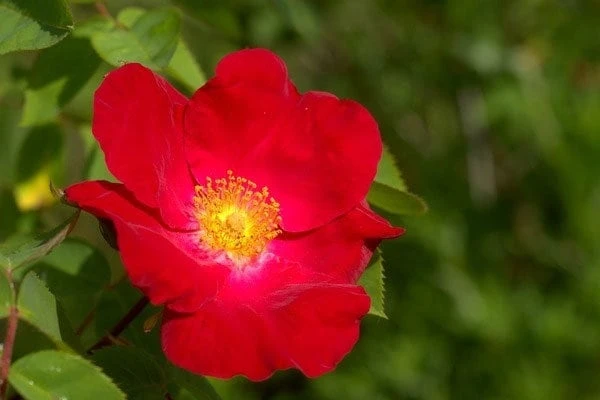
Red Japanese Rose Seeds – Rosa rugosa Rubra – 20 Seeds – Fragrant Shrub
Original price was: 48.91 $.19.91 $Current price is: 19.91 $.
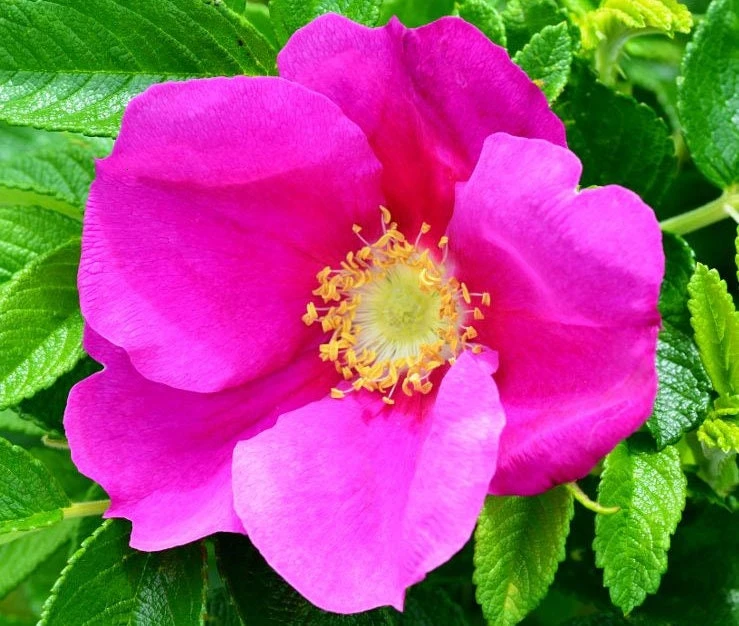
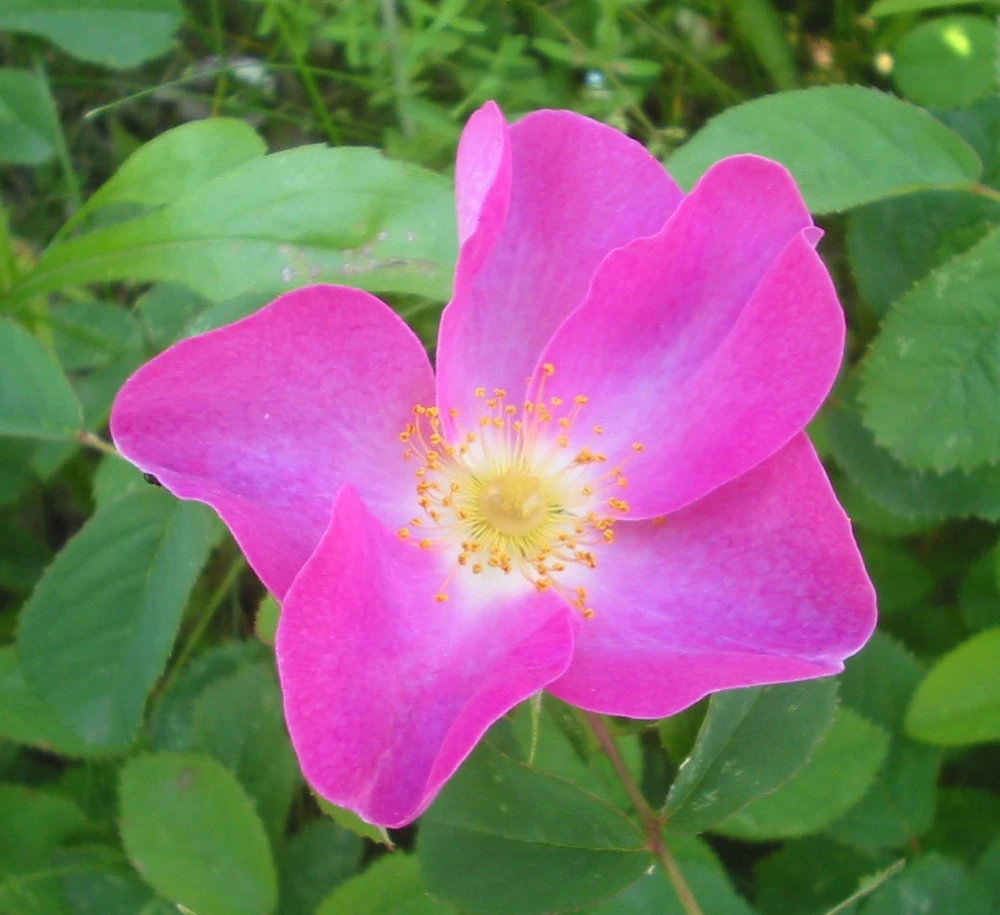
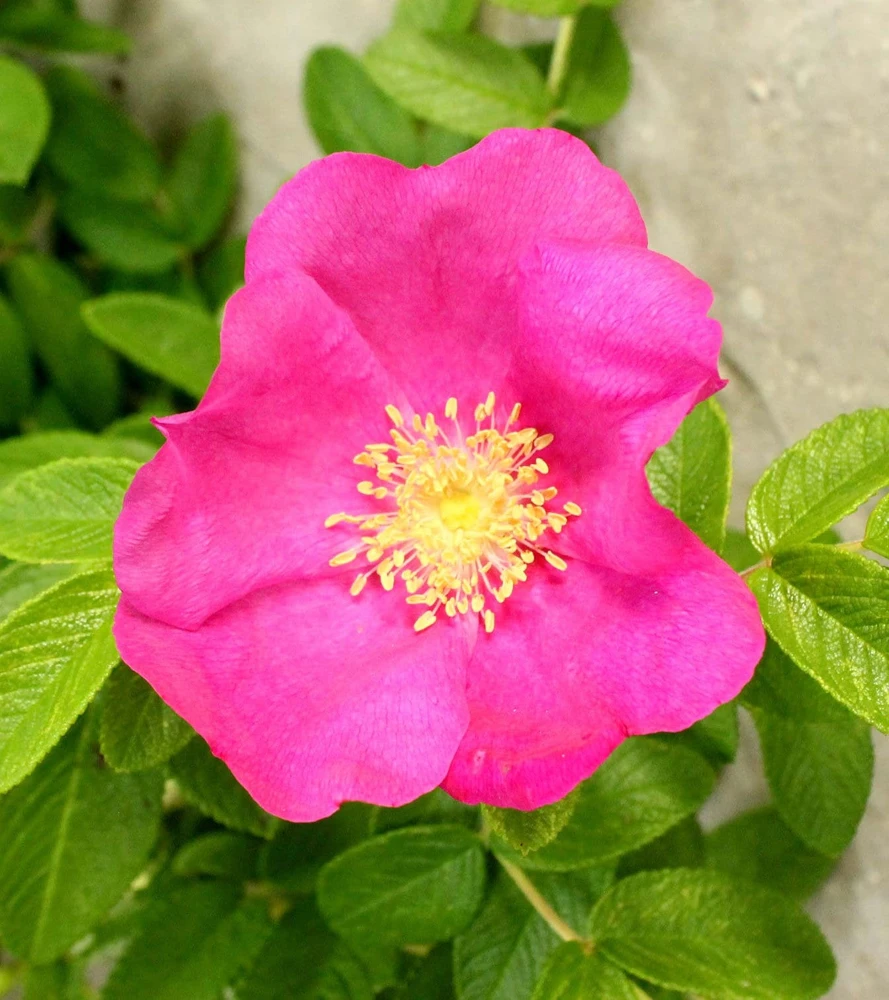
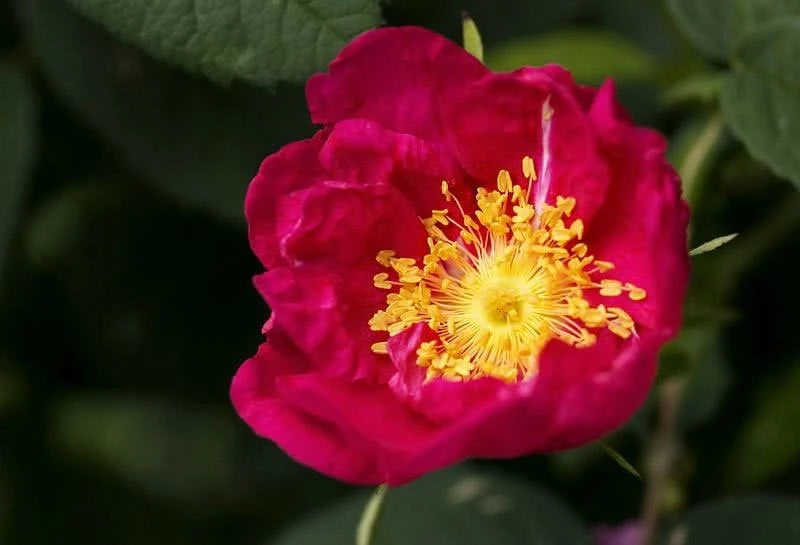
Cultivate the stunning red Japanese rose seeds (Rosa rugosa Rubra) with this packet of 20 seeds. Known for its vibrant pink, magenta, and purple blooms, this fragrant shrub also produces delicious, edible rose hips. Ideal for hedges or as a windbreak in USDA Zones 2-9.
Estimated arrival
Nov 28
Dec 03 - Dec 05
Dec 05 - Dec 10
See our Shipping Policy.
Get in touch with us via email, and our team will review your concerns.
Our Alive & Thrive Guarantee covers issues with your plants within the first 30 days. Read our Refund & Returns Policy.
-
USDA Hardiness Zone
USDA Hardiness Zones 2 to 9 -
Soil Type
Well-draining soil -
Sunlight Exposure
Full sun to partial shade -
Expected Planting Period
Spring or Fall
Overview
Discover the joy of growing your own beautiful and beneficial plant with these red Japanese rose seeds. Sourced from the robust Rosa rugosa Rubra, also affectionately known as the Red Japanese Rose, these seeds offer a gateway to a vibrant and fragrant addition to any garden. This exceptional cultivar boasts gorgeous pink, magenta, purple, and rose-colored flowers that bloom repeatedly from late Spring until early Fall. Beyond its ornamental appeal, the Red Japanese Rose is a truly versatile plant, providing both aesthetic beauty and practical benefits. It’s considered an edible ornamental, with its deep red rose hips maturing late in the season. These hips are not only visually appealing but are also delicious and highly nutritious, perfect for eating raw, drying for tea, or making jellies. Growing this plant from Rosa rugosa Rubra seeds allows you to experience its full life cycle and enjoy its many attributes from the ground up.
The red Japanese rose seeds will grow into a hardy shrub that serves multiple purposes in the landscape. It’s often utilized as an effective windbreak or a dense, attractive hedge, providing structure and privacy. Furthermore, it’s a valuable plant for wildlife, acting as a larval host plant for the Columbia silkmoth, adding to the biodiversity of your garden. Its fragrant flowers fill the air with a delightful scent, making any outdoor space more inviting. These seeds are an excellent choice for gardeners looking for a low-maintenance, high-impact plant that offers year-round interest and ecological benefits.
Key Benefits
Planting red Japanese rose seeds offers a multitude of advantages for both the gardener and the environment. This resilient shrub is a fantastic choice for adding beauty and functionality to your outdoor space.
- Stunning Floral Display: Enjoy repeated blooms of vibrant pink, magenta, purple, and rose-colored flowers from late spring through early fall, providing continuous color and fragrance. The beauty derived from these Rosa rugosa Rubra seeds is truly remarkable.
- Edible Rose Hips: Harvest delicious, deep red rose hips in late season, which are rich in Vitamin C and can be eaten raw, dried for tea, or used to make jellies and preserves.
- Fragrant Blooms: The exquisite fragrance of the flowers makes this plant a delightful sensory experience, enhancing the ambiance of any garden or patio.
- Versatile Landscaping: Ideal for use as a natural windbreak, a dense hedge for privacy, or a standalone specimen plant, adapting well to various garden designs.
- Wildlife Attraction: Serves as a vital larval host plant for the Columbia silkmoth, contributing to local biodiversity and supporting beneficial insects.
- Hardy & Resilient: Thrives in a wide range of climates, suitable for USDA Hardiness Zones 2 to 9, making it a robust and reliable choice for many regions.
- Low Maintenance: Once established, this shrub requires minimal care, making it an excellent option for both experienced and novice gardeners looking to grow Japanese rose.
Plant Care & Growing Tips
To successfully grow Japanese rose from these seeds, understanding its basic care requirements is essential. The Red Japanese Rose is a remarkably adaptable and hardy shrub, making it a rewarding plant for many gardeners. This plant thrives in a location that receives full sun to partial shade. For optimal flowering and fruit production, aim for at least 6 hours of direct sunlight per day. While it tolerates some shade, too much shade can lead to fewer blooms and less vigorous growth. When planting your Rosa rugosa Rubra seeds, choose a site with well-draining soil. This rose is not particularly fussy about soil type and can adapt to sandy, loamy, or clay soils, as long as they drain well.
Watering is crucial during the establishment phase of your seedlings. Keep the soil consistently moist but not waterlogged. Once mature, the Red Japanese Rose is quite drought-tolerant, but regular watering during dry spells will encourage better flowering and hip production. Fertilization is generally not heavily required, especially in fertile soils. However, an annual application of a balanced slow-release fertilizer in early spring can boost growth and bloom quality. Pruning can be done in late winter or early spring to remove dead or weak branches and to maintain its desired shape and size. This shrub can grow to about 6 feet tall, so occasional pruning helps manage its spread. Protecting young seedlings from pests and diseases is important, though mature plants are generally quite resistant. Ensuring good air circulation and proper watering practices can prevent most common issues when you grow Japanese rose.
Size & Details
This product includes 20 red Japanese rose seeds (Rosa rugosa Rubra), ready for planting. Once established, this vigorous shrub typically grows to a height of about 6 feet (approximately 1.8 meters) and can spread similarly, creating a dense and attractive form. The growth rate is moderate, with plants often reaching a substantial size within a few years. Flowers bloom repeatedly from late Spring until early Fall, followed by the development of deep red rose hips. These seeds allow you to cultivate a plant that will mature into a significant landscape feature. The seeds are typically planted in spring or fall, with germination occurring within several weeks under optimal conditions. Expect the first blooms within one to two years after planting, and consistent hip production thereafter.
Frequently Asked Questions
- Q: How big does this plant get? A: The red Japanese rose seeds will grow into a shrub that typically reaches about 6 feet tall and equally wide at maturity. Its size makes it suitable for hedges or as a standalone specimen.
- Q: Is this an indoor or outdoor plant? A: This plant is an outdoor shrub, perfectly suited for garden beds, hedges, or naturalized areas. It thrives in various outdoor conditions and is not recommended for indoor cultivation.
- Q: How much sunlight does it need? A: The Red Japanese Rose prefers full sun to partial shade. For the best flowering and hip production, aim for at least 6 hours of direct sunlight daily.
- Q: Is this plant easy to care for? A: Yes, this rose is known for its hardiness and relatively low maintenance once established. It’s a great choice for beginners looking to grow Japanese rose, as it tolerates a range of conditions.
- Q: Can I use the rose hips in cooking? A: Absolutely! The rose hips from this plant are edible and can be used in various culinary applications, such as making teas, jellies, jams, or even eaten raw. They are quite nutritious.
- Q: When is the best time to plant these seeds? A: The ideal time to plant your Rosa rugosa Rubra seeds is in the spring after the last frost, or in the fall before the first hard freeze. This allows for optimal germination and establishment.
- Q: Will it survive winter in my zone? A: Yes, the Red Japanese Rose is incredibly hardy and suitable for USDA Hardiness Zones 2 to 9, meaning it can withstand very cold winter temperatures in many regions.
- Q: How long until it blooms? A: While germination can occur within weeks, it typically takes one to two years for the plant grown from red Japanese rose seeds to reach flowering maturity and begin producing its beautiful blooms.
- Q: What kind of soil does it prefer? A: This rose is adaptable but prefers well-draining soil. It can tolerate sandy, loamy, or clay soils as long as they do not retain too much water.
- Q: What are the benefits of planting a fragrant rose shrub? A: A fragrant rose shrub like the Red Japanese Rose enhances your garden with its beautiful scent, attracts pollinators, and provides visual appeal with its vibrant flowers and hips.
Be the first to review “Red Japanese Rose Seeds – Rosa rugosa Rubra – 20 Seeds – Fragrant Shrub”
Related products


Seeds
Sword Fern Seeds – 1500 Polystichum Munitum Spores – Evergreen Foliage, Deer Resistant, Zones 4-9


You May Like

How to Grow Passion Flower (Passiflora) for Tropical Blooms
Few climbing vines in the home garden command attention quite like the exotic Passion Flower (Passiflora). [...]
Nov

Thanksgiving Cactus Care: How to Get Thanksgiving Cactus to Bloom
Is your Thanksgiving cactus growing well but not giving you any flowers? Maybe it looked [...]
Nov

How to Grow Garlic for a Bountiful Home Harvest
Garlic (Allium sativum) is one of the most satisfying, low-maintenance, and flavor-packed crops you can [...]
Oct

Hardneck vs. Softneck Garlic: Which Should You Grow?
Have you ever stood in front of a seed catalog in mid-September, staring at dozens [...]
1 Comment
Oct

When to Plant Music Garlic: Ultimate US Fall Guide
Have you ever spent your fall weekend placing carefully chosen garlic cloves into rich, dark [...]
1 Comment
Oct

5 Best Bulbs for Fall Planting: Brighten Your Garden This Spring
Are you dreaming of a garden full of vibrant colors in the spring? The key [...]
Aug

10 Houseplants That Will Thrive in Your Kitchen
Are you tired of your kitchen feeling dull and lifeless? Want to add a little [...]
1 Comment
Aug
Reviews
There are no reviews yet.