
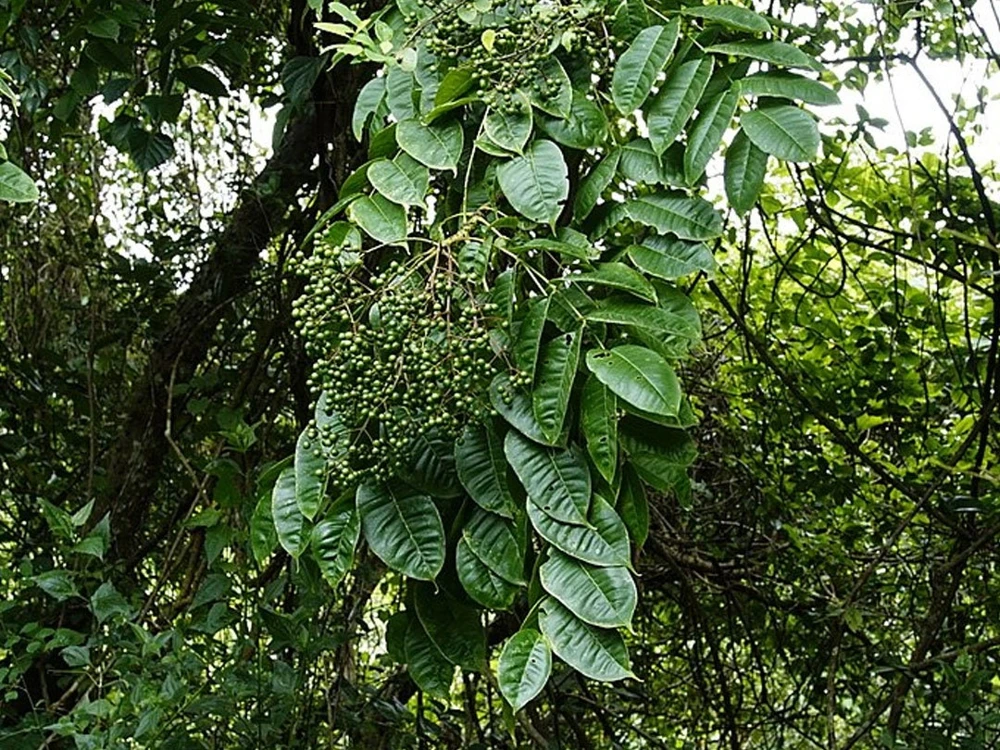
Zanthoxylum Rhetsa Seeds – Indian Prickly Ash, Cape Yellowwood (20 Seeds)
Original price was: 48.91 $.19.91 $Current price is: 19.91 $.
Cultivate the unique Zanthoxylum rhetsa seeds, also known as Indian Prickly Ash seeds or Cape Yellowwood. These 20 seeds will grow into a majestic tree, offering summer blossoms and serving as a vital host plant for various butterflies and moths. Perfect for gardeners in USDA Zones 10-11 seeking a distinctive landscape addition.
Estimated arrival
Nov 26
Dec 01 - Dec 03
Dec 03 - Dec 08
See our Shipping Policy.
Get in touch with us via email, and our team will review your concerns.
Our Alive & Thrive Guarantee covers issues with your plants within the first 30 days. Read our Refund & Returns Policy.
-
USDA Hardiness Zone
10-11 -
Soil Type
Well-draining, fertile, loamy soil -
Sunlight Exposure
Full sun to partial shade -
Expected Planting Period
Spring to early summer
Overview
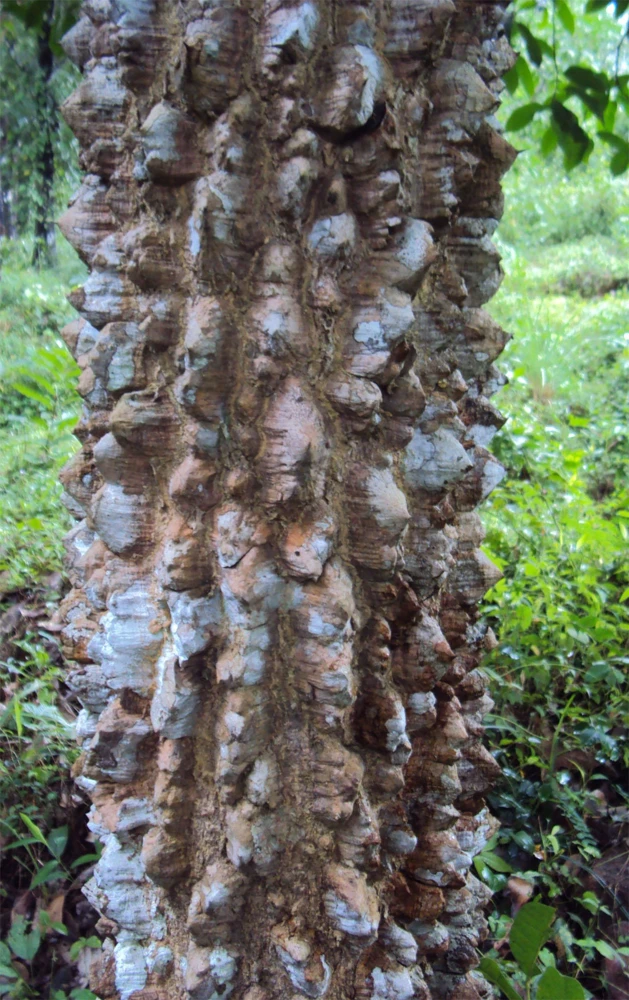
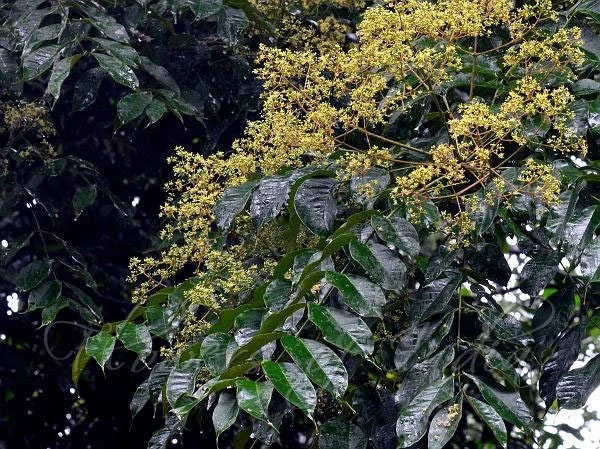
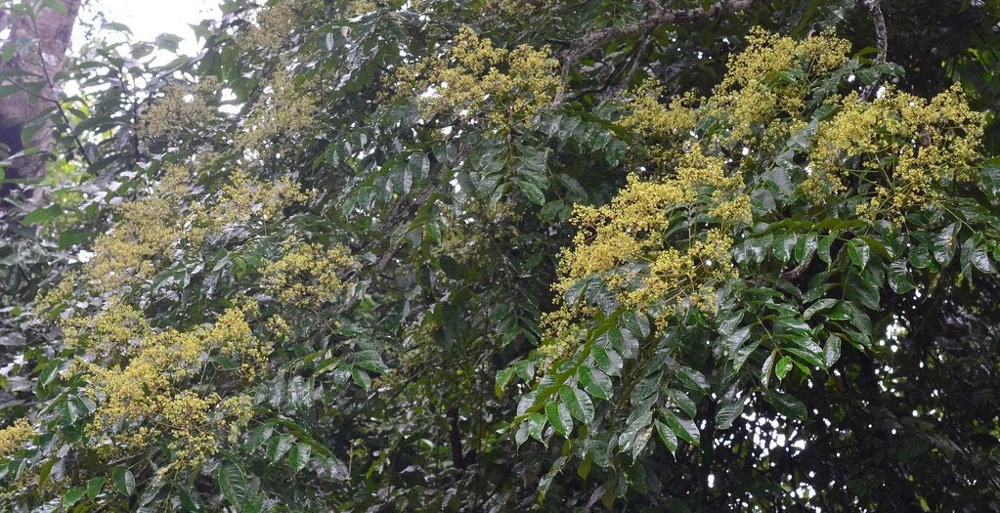
Embark on a rewarding horticultural journey with these premium Zanthoxylum rhetsa seeds. Also widely recognized by its evocative common names such as Indian Prickly Ash seeds, Cape Yellowwood, Indian Ivy-Rue, and Indian Pepper, Zanthoxylum rhetsa is a fascinating tree species native to parts of Asia. These seeds provide the opportunity to grow a majestic tree that can reach impressive heights of up to 85 feet. Beyond its stature, this tree boasts charming summer blossoms with delicate white and yellowish petals, adding a touch of elegance to any garden. The fruits of this tree are traditionally used to create a distinctive masala spice, offering a unique culinary connection. Furthermore, Zanthoxylum rhetsa is an incredibly valuable asset to local ecosystems, serving as a crucial larval host plant for a remarkable array of butterflies and moths, including the Forbes Silkmoth, Lebeaus Rothschildia moths, Thoas Swallowtail, Giant Swallowtail, Northern Sicklewing, Dingy Purplewing, and Spicebush Swallowtail butterflies. Growing this tree from Zanthoxylum rhetsa seeds contributes significantly to supporting these beautiful pollinators, making it an excellent choice for conservation-minded gardeners.
Key Benefits
Growing Zanthoxylum rhetsa seeds offers a multitude of benefits for both your garden and the environment. This unique tree is more than just an ornamental specimen; it’s a living ecosystem. Here are some of the key advantages:
- Ecological Impact: Serves as a vital larval host plant for numerous butterfly and moth species, including the Forbes Silkmoth and various swallowtails. Planting these Indian Prickly Ash seeds directly supports local biodiversity and pollinator populations, turning your garden into a thriving habitat.
- Stunning Visual Appeal: The mature tree can reach up to 85 feet, providing significant shade and presence. Its summer blossoms, featuring white and yellowish petals, add a beautiful, subtle charm to the landscape, enhancing your garden’s aesthetic.
- Unique Culinary Potential: The fruits of the Zanthoxylum rhetsa tree are used to produce a distinctive masala spice. For those interested in culinary exploration, cultivating this tree offers a rare opportunity to harvest your own ingredients.
- Durable & Resilient: Adapted to USDA Hardiness Zones 10 to 11, this tree is well-suited for warmer climates and, once established, demonstrates good resilience, making it a sustainable choice for long-term landscaping.
- Conversation Starter: With its unique name and multi-faceted benefits, a Zanthoxylum rhetsa tree grown from Cape Yellowwood seeds is sure to be a focal point and an interesting topic of discussion among garden enthusiasts.
- Sustainable Gardening: By growing from seeds, you’re participating in a sustainable practice that connects you directly to the plant’s life cycle, fostering a deeper appreciation for nature.
- Educational Value: Observing the growth of this tree and the butterflies it attracts provides an excellent educational opportunity for families and children, teaching them about plant life cycles and ecological interdependence.
Plant Care & Growing Tips
Successfully germinating and growing Zanthoxylum rhetsa seeds requires attention to specific environmental conditions, particularly for gardeners in USDA Hardiness Zones 10 to 11. These trees thrive in warm, subtropical to tropical climates. For optimal growth, choose a location that receives full sun to partial shade, meaning at least 6 hours of direct sunlight per day. The soil should be well-draining, fertile, and ideally loamy, though the tree can tolerate a range of soil types as long as they don’t remain waterlogged. Consistent moisture is important, especially during the tree’s establishment phase. Water regularly to keep the soil evenly moist but not saturated. Once mature, the tree exhibits some drought tolerance, but supplemental watering during dry spells will promote healthier growth. Fertilize in spring with a balanced, slow-release fertilizer designed for trees and shrubs to support vigorous growth and flowering.
Germination of Indian Prickly Ash seeds may require some patience, as tropical tree seeds often have dormancy mechanisms. A common method involves scarification (lightly scratching the seed coat) followed by stratification (a period of moist chilling) to mimic natural conditions. Sow seeds in a high-quality seed starting mix, barely covering them with soil. Maintain a warm, humid environment, ideally with bottom heat, to encourage germination. Protect young seedlings from strong winds and intense direct sun until they are robust enough to be transplanted. Pruning is generally minimal, focusing on removing dead or damaged branches and shaping the tree as desired. Keep an eye out for common garden pests, though Zanthoxylum rhetsa is generally quite resilient. Providing the right conditions will ensure your Zanthoxylum rhetsa growing experience is successful and yields a magnificent tree.
Size & Details
This offering includes 20 Zanthoxylum rhetsa seeds, providing a generous quantity to start your tree-growing project. Each seed holds the potential to grow into a substantial tree, reaching an impressive mature height of up to 85 feet, though growth rates will vary based on environmental conditions and care. The tree typically develops a broad, spreading canopy, offering ample shade. These seeds will arrive in a protective packet, ready for planting. While the initial growth from seed will be slow, with proper care, young trees will establish themselves within a few years. Expect the tree to begin flowering and fruiting once it reaches a certain maturity, typically several years after germination. The ideal growing conditions for these Cape Yellowwood seeds are found in USDA Hardiness Zones 10 to 11, where temperatures rarely drop below freezing. These zones provide the necessary warmth for this tropical species to thrive and reach its full potential.
Frequently Asked Questions
- Q: How big does this tree get when grown from Zanthoxylum rhetsa seeds? A: A mature Zanthoxylum rhetsa tree can reach an impressive height of up to 85 feet, making it a significant landscape feature. Its size will depend on growing conditions and climate.
- Q: Is this an indoor or outdoor plant? A: Zanthoxylum rhetsa is primarily an outdoor tree, suitable for USDA Hardiness Zones 10 to 11. It requires ample space and sunlight to thrive.
- Q: How much sunlight do Indian Prickly Ash seeds need to grow into a healthy tree? A: The tree prefers full sun to partial shade, meaning it needs at least 6 hours of direct sunlight per day for optimal growth and flowering.
- Q: Is this plant easy to care for? Is it good for beginners? A: Growing from Zanthoxylum rhetsa seeds can be moderately challenging due to potential dormancy requirements. Once established, the tree is relatively low maintenance, making it suitable for gardeners with some experience or those willing to research germination techniques.
- Q: What condition will the seeds arrive in? A: The offering includes 20 Zanthoxylum rhetsa seeds, packaged securely to ensure they arrive in viable condition, ready for your planting efforts.
- Q: Can I use the fruits from this tree for cooking? A: Yes, the fruits of Zanthoxylum rhetsa are traditionally used to make a unique masala spice. Cultivating this tree allows you to harvest your own ingredients for culinary use.
- Q: When is the best time to plant Cape Yellowwood seeds? A: The best time to plant is typically in spring or early summer, after any danger of frost has passed, especially if you are in a suitable climate zone. This allows seedlings ample time to establish before cooler weather.
- Q: Will it survive winter in my zone if I’m outside USDA Zones 10-11? A: Zanthoxylum rhetsa is a tropical tree and is not tolerant of freezing temperatures. It will not survive winter outdoors in zones colder than USDA Zone 10.
- Q: What makes Zanthoxylum rhetsa a butterfly host plant? A: The foliage of the Zanthoxylum rhetsa growing tree provides essential food for the larvae (caterpillars) of various butterfly and moth species, including several swallowtails, making it a crucial part of their life cycle.
- Q: What kind of soil is best for these Indian Prickly Ash seeds? A: A well-draining, fertile, and loamy soil is ideal for Zanthoxylum rhetsa. While somewhat adaptable, it’s crucial to avoid waterlogged conditions.
Be the first to review “Zanthoxylum Rhetsa Seeds – Indian Prickly Ash, Cape Yellowwood (20 Seeds)”
Related products


Tree Seeds
Canino Olive Tree Seeds – 10 Pack Olea Europaea Canino for Edible Olives, Full Sun, Zones 9-11

You May Like

How to Grow Passion Flower (Passiflora) for Tropical Blooms
Few climbing vines in the home garden command attention quite like the exotic Passion Flower (Passiflora). [...]
Nov

Thanksgiving Cactus Care: How to Get Thanksgiving Cactus to Bloom
Is your Thanksgiving cactus growing well but not giving you any flowers? Maybe it looked [...]
Nov

How to Grow Garlic for a Bountiful Home Harvest
Garlic (Allium sativum) is one of the most satisfying, low-maintenance, and flavor-packed crops you can [...]
Oct

Hardneck vs. Softneck Garlic: Which Should You Grow?
Have you ever stood in front of a seed catalog in mid-September, staring at dozens [...]
1 Comment
Oct

When to Plant Music Garlic: Ultimate US Fall Guide
Have you ever spent your fall weekend placing carefully chosen garlic cloves into rich, dark [...]
1 Comment
Oct

5 Best Bulbs for Fall Planting: Brighten Your Garden This Spring
Are you dreaming of a garden full of vibrant colors in the spring? The key [...]
Aug

10 Houseplants That Will Thrive in Your Kitchen
Are you tired of your kitchen feeling dull and lifeless? Want to add a little [...]
1 Comment
Aug
Reviews
There are no reviews yet.