
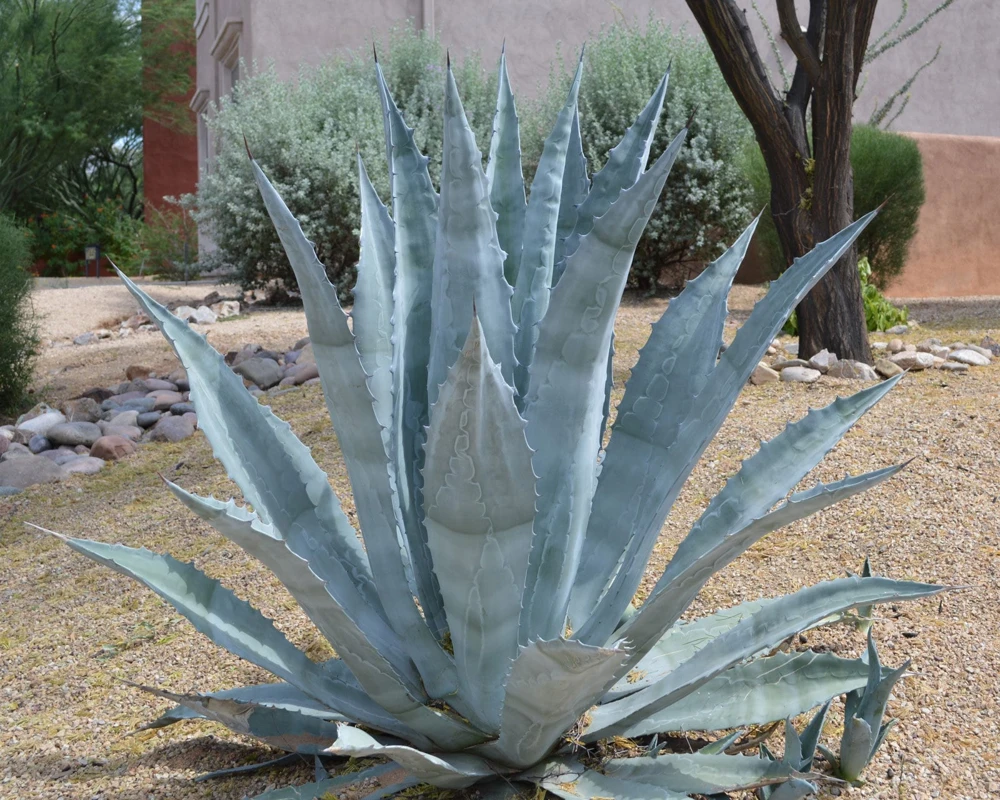
Agave Americana Seeds – Sentry Plant Seeds | 10 Seeds | Drought Tolerant
Original price was: 48.91 $.19.91 $Current price is: 19.91 $.
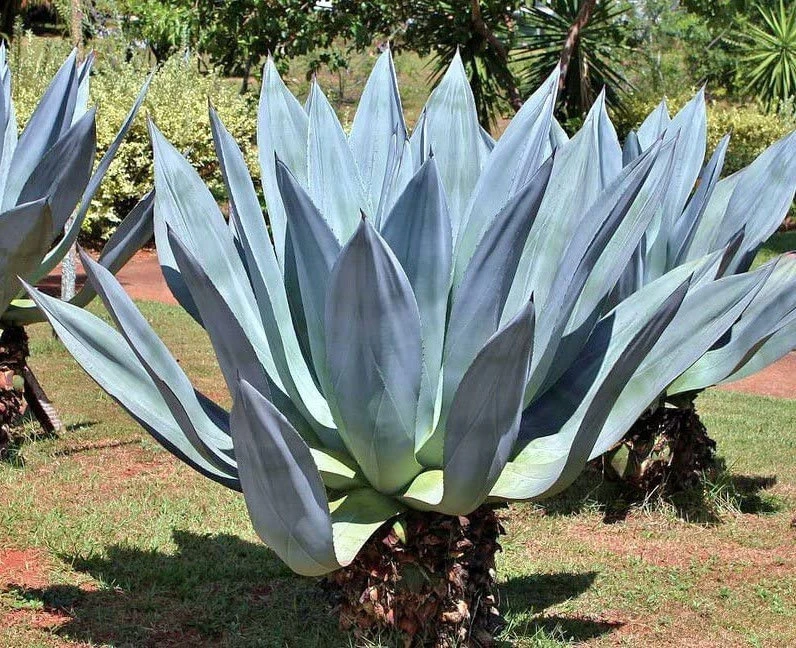
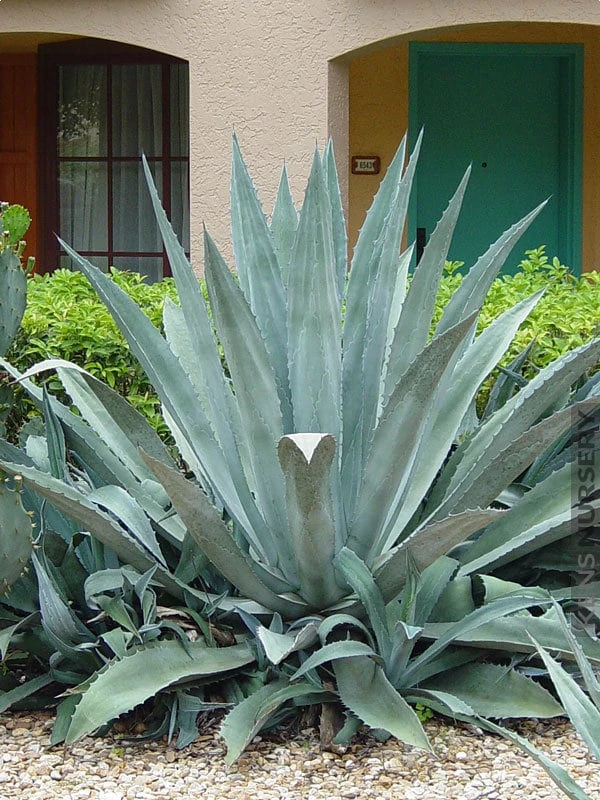
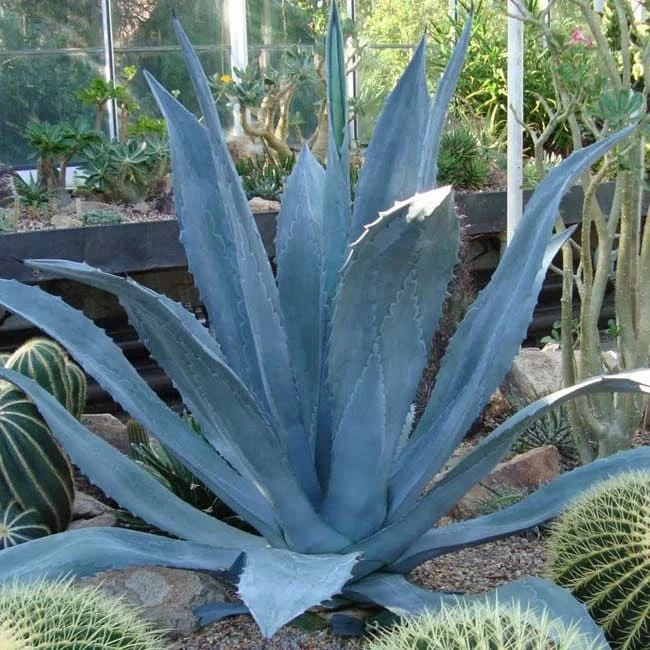
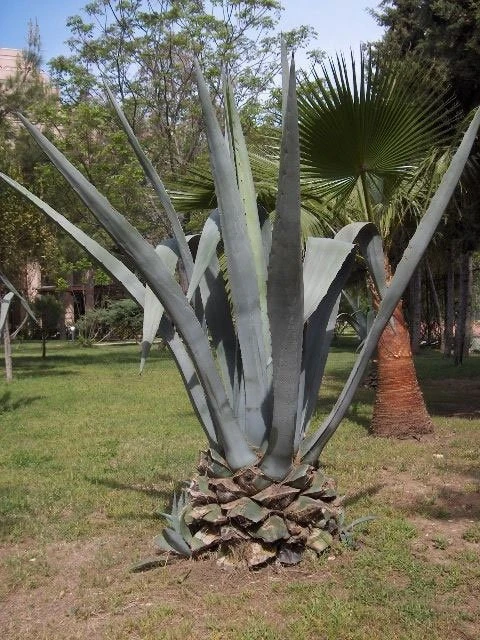
Cultivate the impressive Agave americana seeds, commonly known as the Sentry or Century Plant. This succulent is highly drought and deer resistant, thriving in full sun to partial shade. Perfect for USDA Zones 8-11, these century plant seeds will grow into a striking landscape feature, attracting pollinators.
Estimated arrival
Nov 26
Dec 01 - Dec 03
Dec 03 - Dec 08
See our Shipping Policy.
Get in touch with us via email, and our team will review your concerns.
Our Alive & Thrive Guarantee covers issues with your plants within the first 30 days. Read our Refund & Returns Policy.
-
USDA Hardiness Zone
8-11 -
Soil Type
Well-draining, sandy or rocky soil -
Sunlight Exposure
Full sun to partial shade -
Expected Planting Period
Spring to early summer
Overview
Embark on a rewarding gardening journey with Agave americana seeds. Also known by its captivating common names such as Sentry Plant, Century Plant, Maguey, and American Aloe, this iconic succulent is celebrated for its striking architectural form and remarkable resilience. Originating from the arid regions of the Americas, Agave americana seeds offer the opportunity to cultivate a magnificent specimen that can become a focal point in any garden or landscape. These seeds will grow into large, rosette-forming plants with thick, fleshy, blue-green leaves, eventually producing a towering flower stalk that can reach up to 25 feet high. Despite its common name, the Century Plant typically flowers after 10-30 years, not a full century, making its bloom a truly spectacular, once-in-a-lifetime event.
Growing Agave americana seeds is an excellent choice for gardeners seeking low-maintenance, drought-tolerant plants that provide year-round interest. Its robust nature makes it suitable for a variety of climates and soil conditions, particularly in warmer regions. This plant is not only visually appealing but also plays a vital ecological role, attracting a diverse range of pollinators, including birds, bees, and butterflies, to your garden. The nectar-rich blossoms are especially favored by Moon-marked Skipper butterflies, adding a dynamic touch of wildlife to your outdoor space.
Key Benefits
Choosing to grow Agave americana seeds brings a multitude of advantages to your garden and landscape. These plants are renowned for their hardiness and ability to thrive in challenging conditions, making them a smart investment for sustainable gardening.
- Exceptional Drought Resistance: Once established, the Agave americana requires very little water, making it an ideal choice for xeriscaping and water-wise gardens. This significantly reduces the need for frequent irrigation, conserving precious resources.
- Deer and Pest Resistant: Its thick, fibrous leaves and sharp spines naturally deter deer and most common garden pests, ensuring your plant remains intact and healthy without constant intervention.
- Striking Architectural Beauty: The large, symmetrical rosettes of the Sentry Plant provide a dramatic visual impact, adding a touch of desert elegance and modern aesthetic to any landscape design. Its unique form creates an instant focal point.
- Attracts Pollinators: When it eventually blooms, the towering flower stalk of the century plant seeds produces abundant nectar, attracting hummingbirds, bees, and various butterfly species, including the specialized Moon-marked Skipper, enhancing biodiversity in your garden.
- Low Maintenance: Beyond initial planting and establishment, Agave americana requires minimal care. It tolerates poor soils and prefers to be left undisturbed, making it perfect for busy gardeners or those new to succulent cultivation.
- Suitable for a Wide Range of Climates: Thriving in USDA Hardiness Zones 8 to 11, this plant is well-suited for many warmer regions across the United States, offering versatility in planting locations.
- Versatile Landscape Use: Whether used as a specimen plant, in mass plantings, rock gardens, or large containers, the Agave americana adapts well, providing year-round structure and texture. Consider growing agave from seed to witness its full life cycle.
Plant Care & Growing Tips
Cultivating Agave americana seeds into a magnificent Sentry Plant is a straightforward process, especially when following these essential care guidelines. The key to successful germination and growth lies in providing the right environmental conditions from the start. Begin by sowing your Agave americana seeds in a well-draining seed-starting mix. A good mix would be one part perlite, one part coarse sand, and one part peat or coco coir. Lightly cover the seeds with a thin layer of the mix, about 1/8 inch deep. Maintain consistent moisture, but avoid waterlogging, which can lead to rot. A humidity dome or plastic wrap can help retain moisture during germination.
For optimal growth, Agave americana thrives in full sun to partial shade. This means at least 6 hours of direct sunlight per day. In extremely hot climates, some afternoon shade can prevent scorching. Once seedlings are established and large enough to handle, transplant them into individual pots with a well-draining cactus or succulent potting mix. Ensure the pots have drainage holes to prevent root rot. Watering should be deep but infrequent; allow the soil to dry out completely between waterings. Overwatering is the most common cause of failure for agave plants. These plants are highly drought-tolerant, so err on the side of underwatering rather than overwatering. They are hardy in USDA Zones 8 to 11, tolerating temperatures down to about 15-20°F (-9 to -6°C). In colder zones, they can be grown in containers and brought indoors during winter or treated as annuals.
Fertilization for Agave americana is generally minimal. A light feeding with a balanced, slow-release granular fertilizer in spring is usually sufficient for established plants. For seedlings, a diluted liquid fertilizer can be applied sparingly once they have developed a few true leaves. Watch out for common pests like agave snout weevils, which can be devastating. Good sanitation and proper watering practices are your best defense. Overall, agave plant care is quite low-effort, rewarding you with a stunning, resilient plant that demands little attention once mature.
Size & Details
These Agave americana seeds provide the starting point for growing a truly impressive succulent. Mature Agave americana plants typically reach a height and spread of 3 to 6 feet, with some exceptional specimens growing even larger under ideal conditions. The towering flower stalk, which emerges once the plant reaches maturity, can soar to heights of 15 to 25 feet, adorned with bright yellow blossoms. The growth rate is moderate, with plants taking several years to reach their full size and many years before flowering.
Each packet contains 10 seeds, offering a good opportunity to germinate multiple plants and select the strongest specimens. The seeds are suitable for planting in USDA Hardiness Zones 8 to 11, where they can be grown outdoors year-round. In colder zones, they are best cultivated in containers that can be moved indoors during the winter months. These plants are shipped as dry seeds, requiring careful stratification and germination to begin their life cycle. Expect the plant to take several years to mature, but the long wait is well worth the dramatic display and minimal ongoing maintenance.
Frequently Asked Questions
- Q: How big does this Agave americana plant get? A: A mature Agave americana typically grows to be 3 to 6 feet tall and wide. Its impressive flower stalk, which appears after many years, can reach heights of 15 to 25 feet.
- Q: Is this an indoor or outdoor plant? A: Agave americana is primarily an outdoor plant, thriving in USDA Zones 8-11. In colder climates, it can be grown in large containers and moved indoors during winter.
- Q: How much sunlight does it need? A: This plant prefers full sun to partial shade, ideally receiving at least 6 hours of direct sunlight daily. In very hot climates, some afternoon shade can be beneficial.
- Q: Is this plant easy to care for? A: Yes, growing agave from seed eventually leads to a very low-maintenance plant once established. It is highly drought-tolerant and requires minimal attention, making agave plant care quite easy.
- Q: What condition will the seeds arrive in? A: The product consists of Agave americana seeds. They will arrive as small, dry seeds ready for you to begin the germination process.
- Q: How long until the Agave americana blooms? A: The Agave americana, also known as the Century Plant, typically blooms after 10 to 30 years. It is a monocarpic plant, meaning it flowers only once in its lifetime before dying, but produces offsets (pups) beforehand.
- Q: What’s the best time to plant Agave americana seeds? A: The best time to plant Agave americana seeds is in spring or early summer, when temperatures are consistently warm, to give the seedlings ample time to establish before cooler weather.
- Q: Will it survive winter in my zone? A: This plant is hardy in USDA Zones 8 to 11, meaning it can survive winter outdoors in these regions. In colder zones, it must be protected from frost or grown in containers and brought indoors.
- Q: What kind of soil does this plant need? A: Agave americana requires extremely well-draining soil. A specialized cactus or succulent mix, or a sandy, rocky soil blend, is ideal to prevent root rot.
- Q: Is this plant deer resistant? A: Yes, Agave americana is well-known for its strong deer resistance due to its tough, fibrous leaves and sharp spines, making it an excellent choice for areas with deer populations.
Be the first to review “Agave Americana Seeds – Sentry Plant Seeds | 10 Seeds | Drought Tolerant”
Related products


You May Like

How to Grow Passion Flower (Passiflora) for Tropical Blooms
Few climbing vines in the home garden command attention quite like the exotic Passion Flower (Passiflora). [...]
Nov

Thanksgiving Cactus Care: How to Get Thanksgiving Cactus to Bloom
Is your Thanksgiving cactus growing well but not giving you any flowers? Maybe it looked [...]
Nov

How to Grow Garlic for a Bountiful Home Harvest
Garlic (Allium sativum) is one of the most satisfying, low-maintenance, and flavor-packed crops you can [...]
Oct

Hardneck vs. Softneck Garlic: Which Should You Grow?
Have you ever stood in front of a seed catalog in mid-September, staring at dozens [...]
1 Comment
Oct

When to Plant Music Garlic: Ultimate US Fall Guide
Have you ever spent your fall weekend placing carefully chosen garlic cloves into rich, dark [...]
1 Comment
Oct

5 Best Bulbs for Fall Planting: Brighten Your Garden This Spring
Are you dreaming of a garden full of vibrant colors in the spring? The key [...]
Aug

10 Houseplants That Will Thrive in Your Kitchen
Are you tired of your kitchen feeling dull and lifeless? Want to add a little [...]
1 Comment
Aug
Reviews
There are no reviews yet.