
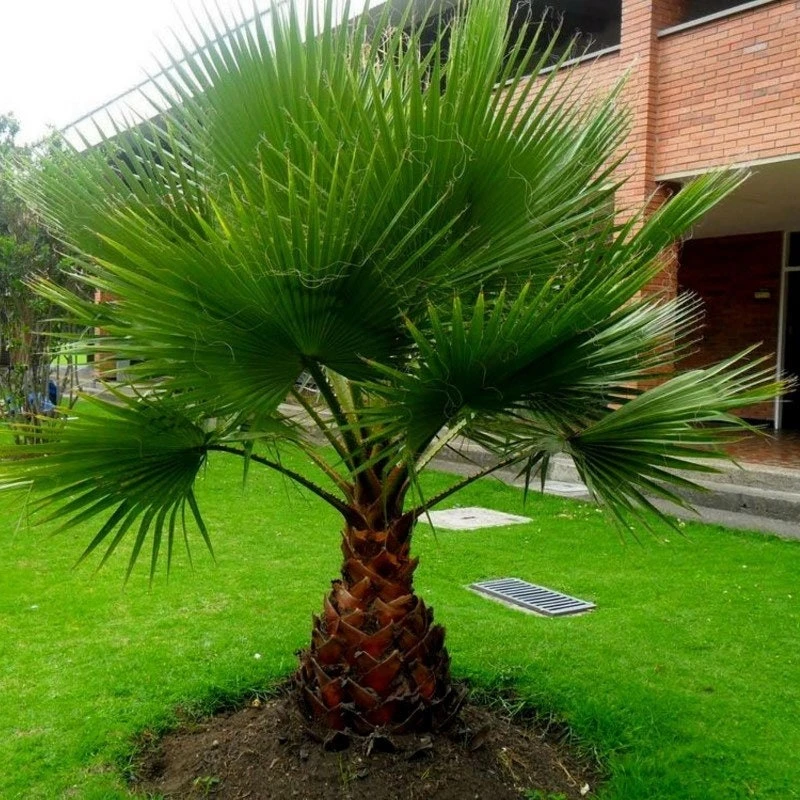
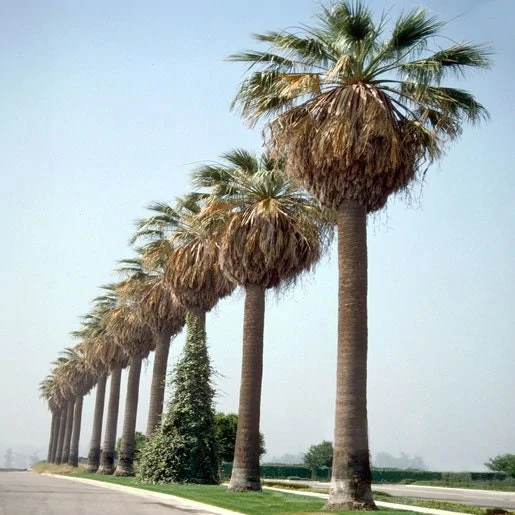
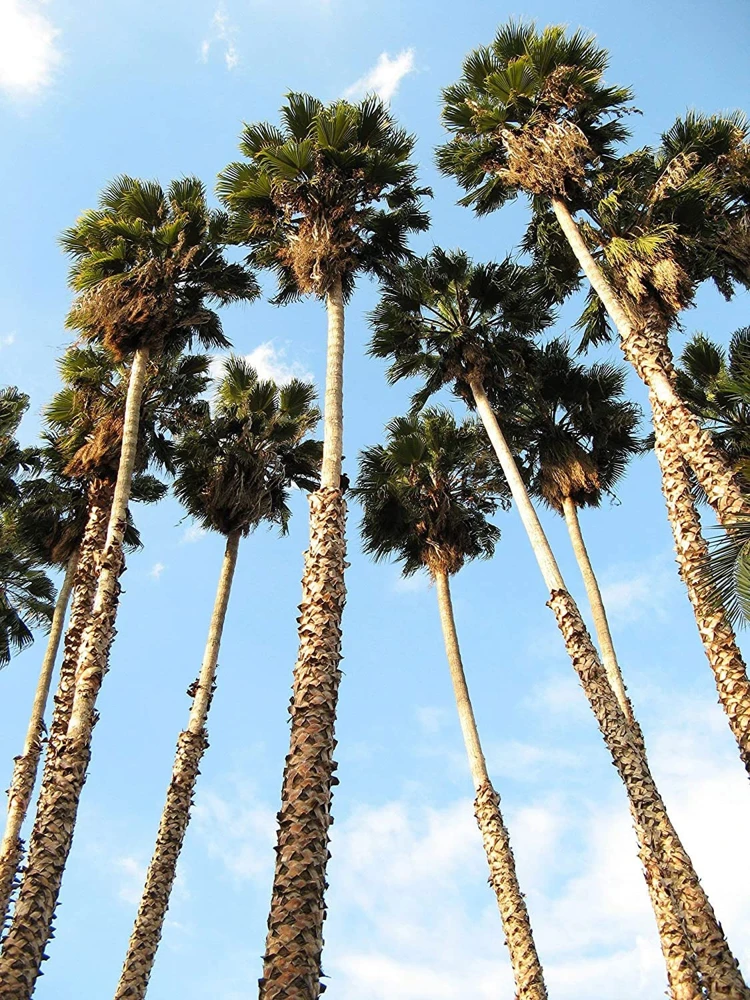
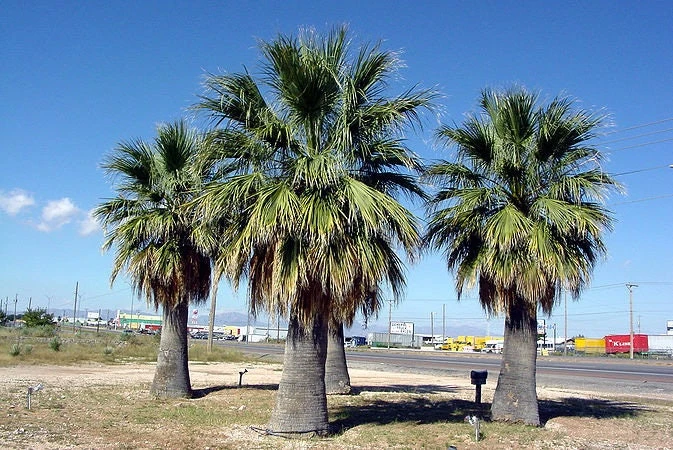
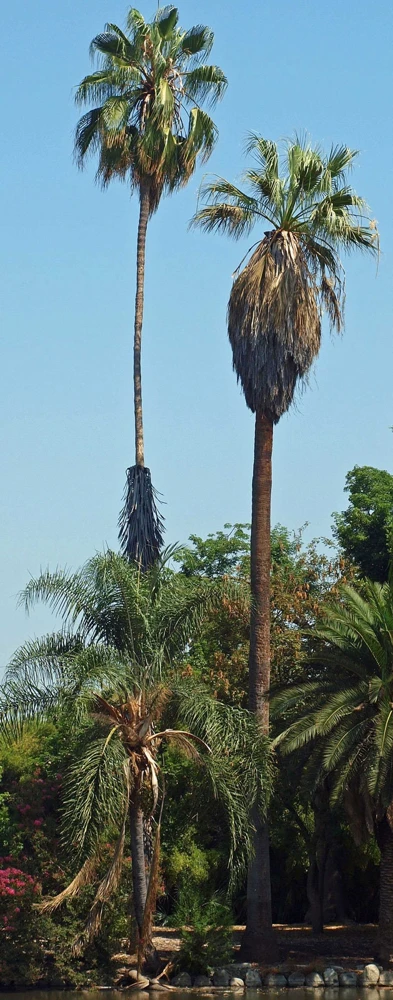
Washingtonia Filifera California Desert Fan Palm Seeds – 10 Seeds
Original price was: 44.91 $.15.91 $Current price is: 15.91 $.
Cultivate the iconic California Desert Fan Palm seeds with this pack of Washingtonia filifera seeds. Known for its drought tolerance and majestic height, this tree adds a striking presence to any landscape in USDA Zones 8-11. Start your own desert oasis today!
Estimated arrival
Nov 26
Dec 01 - Dec 03
Dec 03 - Dec 08
See our Shipping Policy.
Get in touch with us via email, and our team will review your concerns.
Our Alive & Thrive Guarantee covers issues with your plants within the first 30 days. Read our Refund & Returns Policy.
-
USDA Hardiness Zone
USDA Zones 8-11 -
Soil Type
Well-draining sandy soil -
Sunlight Exposure
Full sun -
Expected Planting Period
Spring to early summer
Overview
Embark on a rewarding gardening journey with our premium Washingtonia filifera seeds, ready to transform your landscape into a desert oasis. Also commonly known as the California Desert Fan Palm seeds or Petticoat Palm, these seeds offer the opportunity to grow one of the most iconic and resilient palm trees. Native to the southwestern United States and Baja California, the Washingtonia filifera is celebrated for its towering stature, reaching over 60 feet in height, and its remarkable drought tolerance. These majestic trees are an excellent choice for creating a dramatic focal point in large gardens, parks, or xeriscapes, providing both shade and a distinctive architectural element. Growing these seeds allows you to witness the entire life cycle of this magnificent palm, from a tiny sprout to a grand, mature tree that can live for decades.
The Washingtonia filifera is not only a visually stunning plant but also an ecological asset. It provides vital habitat for various desert wildlife, including the giant palm-boring beetle, western yellow bat, and hooded oriole. Beyond its ecological benefits, the fruit of this palm has an edible pulp that can be enjoyed raw or cooked, and its bud is also edible. Historically, the leaves were used by indigenous peoples to create baskets, walls, and roofs for huts. This pack of Washingtonia filifera seeds offers a sustainable and engaging way to introduce a piece of natural history and beauty into your environment, making it a perfect project for enthusiasts and experienced gardeners alike.
Key Benefits
Growing Washingtonia filifera seeds provides numerous advantages, both aesthetic and environmental. These palms are a testament to resilience and natural beauty, offering a unique addition to any suitable climate.
- Drought Tolerance: Once established, the California Desert Fan Palm seeds develop into trees that are exceptionally drought-tolerant, requiring minimal water and making them ideal for arid and semi-arid regions, contributing to water conservation in your garden.
- Majestic Landscape Feature: These palms grow into towering, stately trees that serve as a dramatic focal point in any landscape, adding significant visual interest and a touch of tropical grandeur. Their tall, slender trunks and large fan-shaped fronds create an impressive silhouette.
- Wildlife Habitat: Mature Washingtonia filifera trees provide essential habitat and food sources for various native wildlife, including birds and insects, enhancing biodiversity in your garden.
- Edible Parts: The fruit’s pulp is edible and can be consumed raw or cooked, and the palm’s bud is also edible, offering a unique foraging opportunity for the adventurous gardener.
- Versatile Uses: Historically, the leaves were used for crafting baskets and building materials, showcasing the plant’s versatility beyond its ornamental value. You can explore creative uses for fallen fronds.
- Low Maintenance: After successful germination and initial establishment, these palms are relatively low-maintenance, requiring less attention compared to many other ornamental trees.
- Long Lifespan:Washingtonia palm seeds grow into trees that are known for their longevity, providing decades of beauty and ecological benefit to your property.
Plant Care & Growing Tips
To successfully cultivate your Washingtonia filifera seeds, understanding their specific care requirements is crucial. These palms thrive in conditions that mimic their native desert environment, emphasizing sun exposure and well-draining soil. Begin by scarifying the seeds gently and soaking them in warm water for 24-48 hours to improve germination rates. Plant the seeds about half an inch deep in a well-draining seed starting mix. Maintain consistent moisture without overwatering, and keep the soil temperature between 75-90°F (24-32°C) for optimal germination, which can take anywhere from a few weeks to several months.
Once germinated, young Washingtonia filifera seedlings require plenty of sunlight. Gradually acclimate them to full sun exposure as they mature. These trees are incredibly drought-tolerant once established, but young palms will need regular watering to develop a strong root system. Ensure the soil is consistently moist but never waterlogged. For soil, a sandy, well-draining mix is ideal, mimicking their natural habitat. They are hardy in USDA Zones 8 to 11, tolerating temperatures down to about 15°F (-9°C). In colder zones, they can be grown in containers and moved indoors during winter. Fertilize sparingly with a balanced palm-specific fertilizer once or twice during the growing season, focusing on slow-release options to avoid nutrient burn. Monitor for common pests like spider mites on young plants and ensure good air circulation to prevent fungal issues. Proper care will ensure your Desert Fan Palm seeds grow into robust and healthy trees.
Size & Details
This offering includes 10 Washingtonia filifera seeds, carefully selected for viability. Each seed has the potential to grow into a magnificent California Desert Fan Palm. In optimal conditions, these trees can reach impressive heights of over 60 feet, with a spread of 10-15 feet at maturity. The growth rate is moderate to fast once established, particularly in warm climates with ample sunlight and appropriate watering. The seeds will typically germinate within a few weeks to several months, depending on environmental factors and pre-treatment. Young palms will take several years to reach a significant height, but their distinctive fan-shaped fronds will become noticeable within the first year or two.
The mature trees feature a sturdy, gray trunk, often retaining a ‘petticoat’ of old, dried fronds if not trimmed, which is a characteristic feature of the species. The cream and tan blossoms emerge from spring until mid-summer, followed by small, edible fruit. These seeds are shipped as a dry pack, ready for you to begin the germination process at home. With proper care and patience, your Washingtonia palm seeds will develop into a long-lived and majestic specimen, enhancing your landscape for generations. Expect a substantial tree that provides shade and a unique aesthetic.
Frequently Asked Questions
- Q: How big does the Washingtonia filifera get? A: The California Desert Fan Palm can grow quite large, often reaching heights of over 60 feet with a spread of 10-15 feet at maturity. Its towering presence makes it a striking landscape feature.
- Q: Is this an indoor or outdoor plant? A: While young seedlings can be started indoors, the Washingtonia filifera seeds are intended for growing into large outdoor trees. They thrive in full sun and are best suited for outdoor cultivation in USDA Zones 8-11.
- Q: How much sunlight does it need? A: These palms require full sun exposure to thrive, meaning at least 6-8 hours of direct sunlight per day. Adequate light is crucial for healthy growth and development of the Desert Fan Palm seeds.
- Q: Is this plant easy to care for? A: Once established, Washingtonia filifera is relatively low-maintenance and drought-tolerant. The initial germination and seedling stages require consistent care, but mature trees are quite resilient.
- Q: What condition will the seeds arrive in? A: Your Washingtonia filifera seeds will arrive as a dry pack, ready for you to begin the scarification and soaking process before planting. They are carefully packaged to ensure viability.
- Q: When is the best time to plant these seeds? A: The best time to plant Washingtonia palm seeds is in spring or early summer when temperatures are consistently warm, which aids in germination and initial growth. Indoor starting can be done year-round with controlled conditions.
- Q: Will it survive winter in my zone? A: These palms are hardy in USDA Zones 8-11. In these zones, they can tolerate winter temperatures. If you are in a colder zone, you may need to grow them in containers and provide winter protection indoors.
- Q: How long until the seeds germinate? A: Germination can vary, typically taking anywhere from a few weeks to several months, depending on pre-treatment, temperature, and moisture levels. Patience is key when growing Washingtonia filifera seeds.
- Q: Can I eat parts of the Washingtonia filifera? A: Yes, the fruit of the California Desert Fan Palm has an edible pulp that can be eaten raw or cooked. The bud is also edible, and historically, the leaves were used in starvation situations.
- Q: What type of soil is best for these seeds? A: A well-draining, sandy soil mix is ideal for germinating and growing California Desert Fan Palm seeds. Avoid heavy clay soils that retain too much moisture, as this can lead to rot.
Be the first to review “Washingtonia Filifera California Desert Fan Palm Seeds – 10 Seeds”
Related products



Tree Seeds
Canino Olive Tree Seeds – 10 Pack Olea Europaea Canino for Edible Olives, Full Sun, Zones 9-11


You May Like

How to Grow Passion Flower (Passiflora) for Tropical Blooms
Few climbing vines in the home garden command attention quite like the exotic Passion Flower (Passiflora). [...]
Nov

Thanksgiving Cactus Care: How to Get Thanksgiving Cactus to Bloom
Is your Thanksgiving cactus growing well but not giving you any flowers? Maybe it looked [...]
Nov

How to Grow Garlic for a Bountiful Home Harvest
Garlic (Allium sativum) is one of the most satisfying, low-maintenance, and flavor-packed crops you can [...]
Oct

Hardneck vs. Softneck Garlic: Which Should You Grow?
Have you ever stood in front of a seed catalog in mid-September, staring at dozens [...]
1 Comment
Oct

When to Plant Music Garlic: Ultimate US Fall Guide
Have you ever spent your fall weekend placing carefully chosen garlic cloves into rich, dark [...]
1 Comment
Oct

5 Best Bulbs for Fall Planting: Brighten Your Garden This Spring
Are you dreaming of a garden full of vibrant colors in the spring? The key [...]
Aug

10 Houseplants That Will Thrive in Your Kitchen
Are you tired of your kitchen feeling dull and lifeless? Want to add a little [...]
1 Comment
Aug
Reviews
There are no reviews yet.