
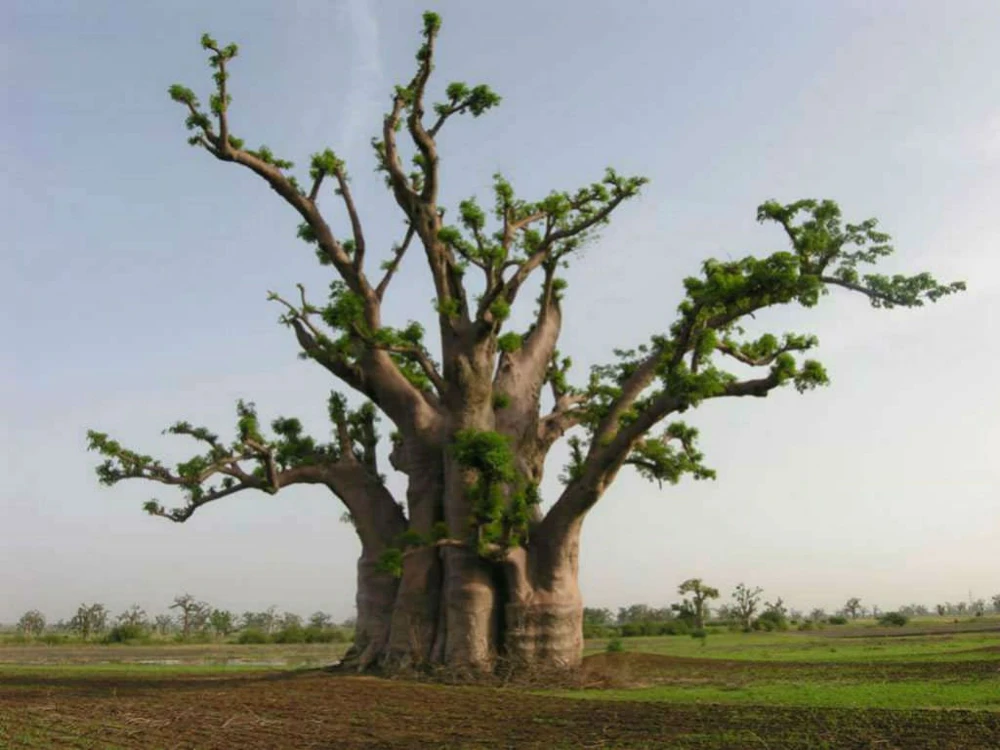

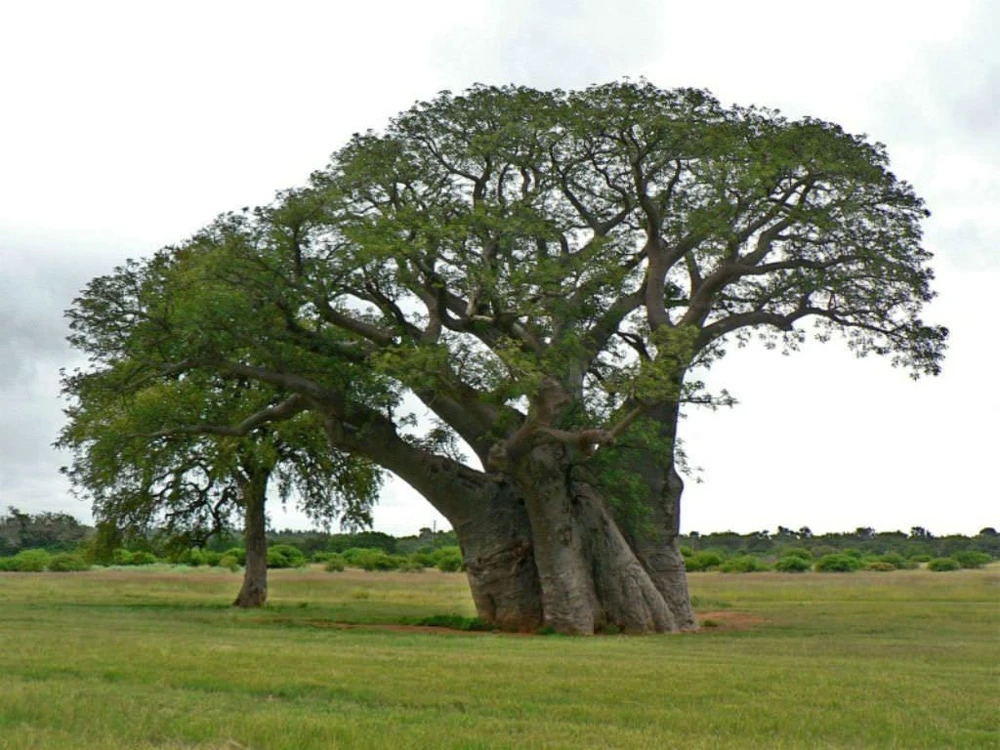
Baobab Tree Seeds – Adansonia digitata – 5 Seeds for Planting
Original price was: 58.91 $.29.91 $Current price is: 29.91 $.
Cultivate the iconic Baobab tree seeds (Adansonia digitata) with this pack of 5 seeds. Known as the ‘Tree of Life,’ the Monkey Bread Tree seeds produce a striking tree with edible fruits and leaves, perfect for warm climates and unique landscaping.
Estimated arrival
Nov 26
Dec 01 - Dec 03
Dec 03 - Dec 08
See our Shipping Policy.
Get in touch with us via email, and our team will review your concerns.
Our Alive & Thrive Guarantee covers issues with your plants within the first 30 days. Read our Refund & Returns Policy.
-
USDA Hardiness Zone
USDA Hardiness Zones 10 to 11 -
Soil Type
Well-draining, sandy soil -
Sunlight Exposure
Full sun -
Expected Planting Period
Spring to early summer
Overview
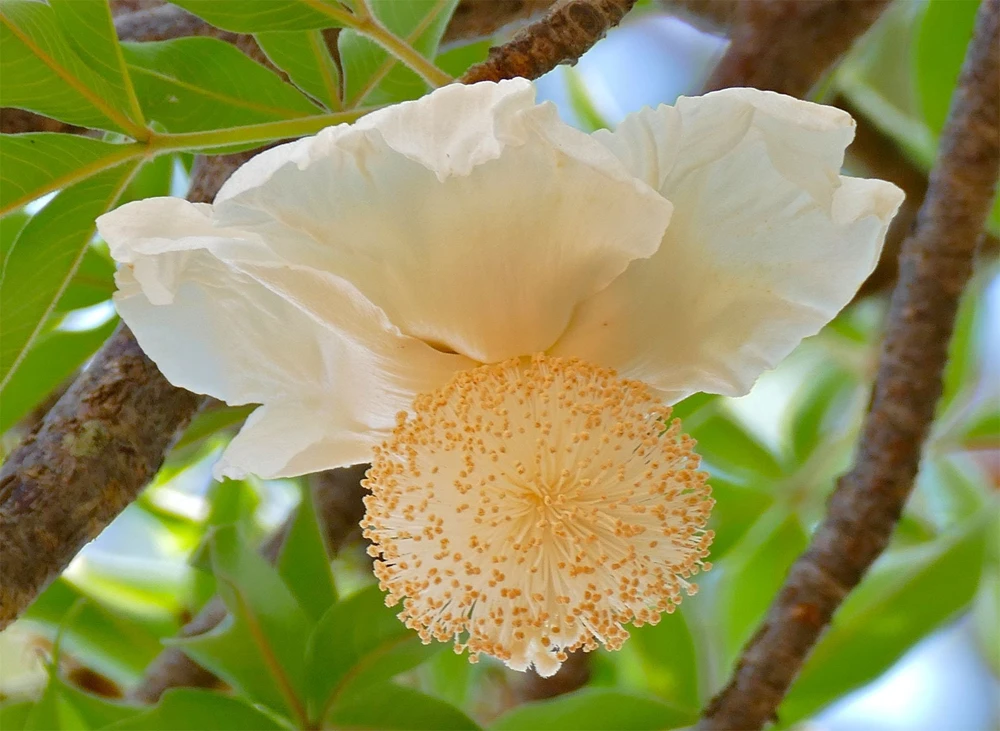
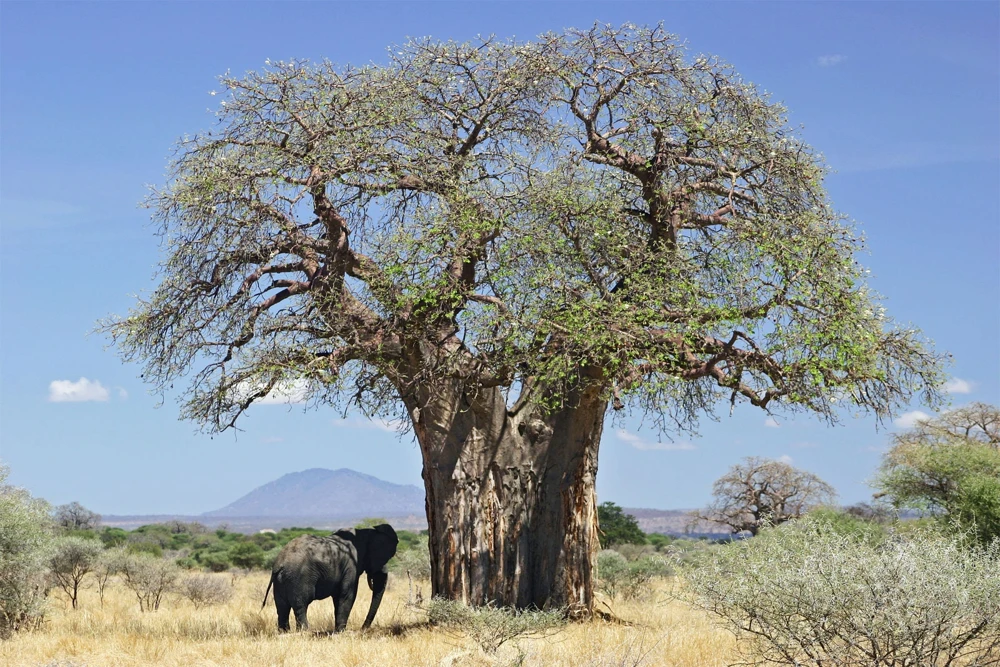
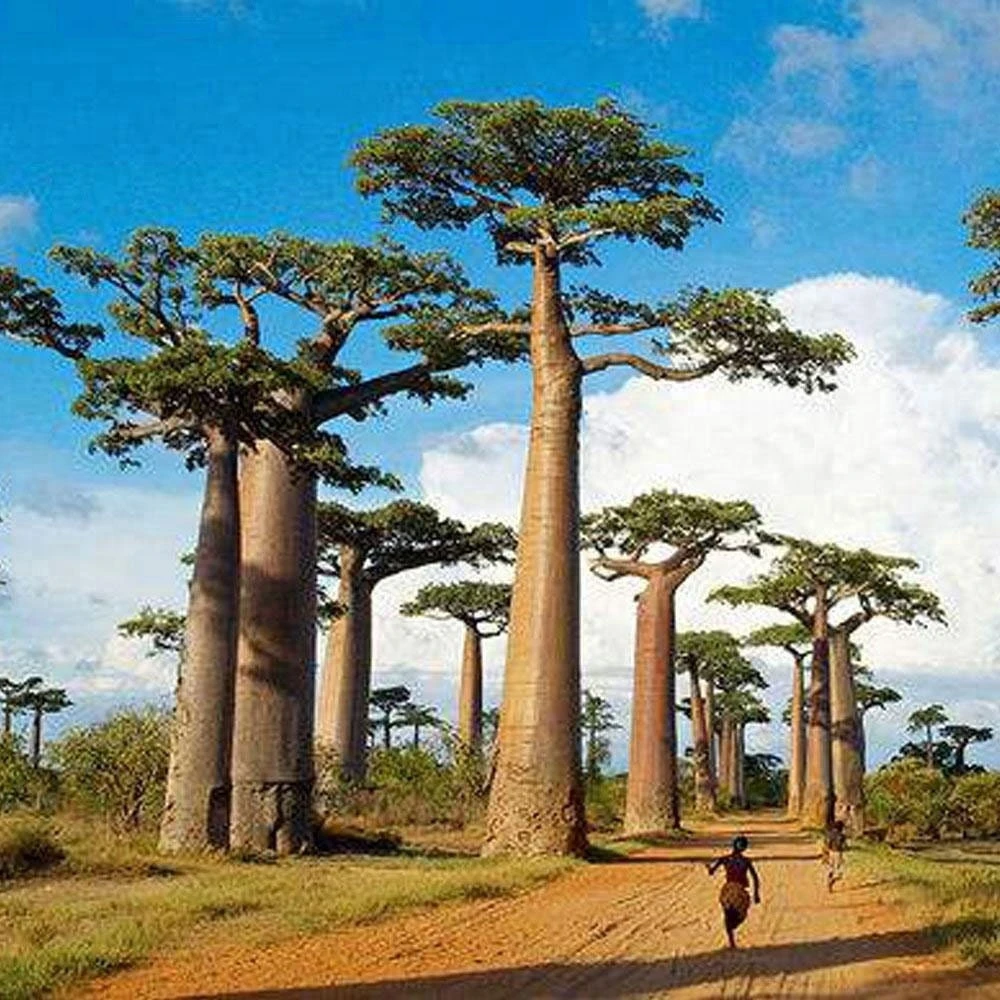
Embark on an exciting horticultural journey by growing your very own majestic Baobab tree. This offering includes 5 Baobab tree seeds (Adansonia digitata), providing the perfect starting point for cultivating one of the world’s most unique and long-lived trees. Also known as the ‘Tree of Life,’ the Baobab is renowned for its extraordinarily thick trunk, often considered the thickest in the world, and its distinctive ‘upside-down’ appearance. These seeds offer the opportunity to nurture a plant that is not only visually stunning but also deeply rooted in cultural significance and ecological importance. The Adansonia digitata is a true conversation starter, capable of reaching impressive heights and becoming a focal point in any suitable landscape.
The Baobab tree, often referred to as the Monkey Bread Tree seeds or Judas Fruit, is native to various parts of Africa and is celebrated for its versatility. Every part of this tree, from its fruit pulp used in beverages and dried loaves, to its leaves and roots, offers nutritional and practical value. Growing Adansonia digitata seeds allows you to witness the development of this incredible species firsthand, offering a unique gardening experience for enthusiasts and those looking to add an exotic touch to their environment.
Key Benefits
Growing Baobab tree seeds offers a multitude of benefits, from creating a striking landscape feature to providing edible resources. This unique tree is a fantastic addition for those seeking an unusual and rewarding gardening project.
- Unique Ornamental Value: The Baobab tree develops an incredibly thick, bottle-shaped trunk and distinctive branching, creating a truly iconic and sculptural presence in your garden or large container. It’s often called the ‘Upside Down Tree’ due to its bare branches resembling roots.
- Edible Fruit Production: The ‘Monkey Bread’ fruit is highly nutritious, with a tangy, citrus-like flavor. The pulp can be eaten fresh, dried, or used to make refreshing beverages, offering a unique culinary experience directly from your garden.
- Nutrient-Rich Leaves and Roots: Beyond the fruit, the young leaves can be cooked and eaten as a vegetable, while mature roots are traditionally consumed to prevent starvation in times of scarcity, highlighting the tree’s incredible resilience and utility.
- Drought Tolerance: Once established, the Baobab tree is exceptionally drought-tolerant, storing water in its massive trunk, making it a sustainable choice for arid and semi-arid climates. This reduces the need for frequent watering.
- Long Lifespan: Baobab trees are known for their longevity, often living for hundreds, if not thousands, of years. Planting these Adansonia digitata seeds is an investment in a living legacy that can be enjoyed for generations.
- Ecological Importance: These trees provide habitat and food for various wildlife, contributing to local biodiversity and ecological balance in their native environments.
- Educational Project: Cultivating how to grow baobab from seed is an engaging and educational project for gardeners of all ages, offering insights into botany, plant growth, and global flora.
Plant Care & Growing Tips
Successfully growing Baobab tree seeds requires attention to specific environmental conditions, particularly regarding sunlight, water, and soil. The Baobab is a tropical species, preferring warm climates and plenty of sunshine. For germination, it’s often recommended to scarify the hard outer shell of the seed by lightly sanding or nicking it, followed by soaking in warm water for 24-48 hours to aid water absorption and promote sprouting. Plant the seeds in well-draining soil, about 1-2 inches deep. Germination can be slow and erratic, so patience is key.
Once germinated, young Baobab trees thrive in full sun, requiring at least 6-8 hours of direct sunlight per day. They are extremely sensitive to cold and require USDA Hardiness Zones 10 to 11 for outdoor cultivation. In cooler climates, they can be grown in large containers and brought indoors during colder months. Water regularly during the growing season, allowing the soil to dry out completely between waterings to prevent root rot. During dormancy or cooler periods, significantly reduce watering. The ideal soil type is a sandy, well-draining mix, mimicking their natural habitat. Fertilize sparingly with a balanced liquid fertilizer during the active growing season. Understanding Baobab tree care is crucial for its long-term health and development.
Protect young plants from strong winds and frost. As the tree matures, it becomes more resilient. Pruning is generally not necessary, but any dead or damaged branches can be removed. Keep an eye out for common pests like spider mites or mealybugs, especially when grown indoors, and treat promptly with appropriate organic solutions. With proper attention to these guidelines, your Adansonia digitata seeds will have the best chance to grow into magnificent specimens.
Size & Details
This product includes 5 Baobab tree seeds, ready for planting. Each seed has the potential to grow into a large, long-lived tree under optimal conditions. In their native environment, Baobab trees can reach heights of over 40 feet tall and develop incredibly thick trunks, often exceeding 30 feet in circumference. When grown in containers, their size will be more constrained, making them suitable for indoor or patio cultivation in non-tropical regions. The growth rate is moderate, with young trees establishing their root systems before significant upward growth.
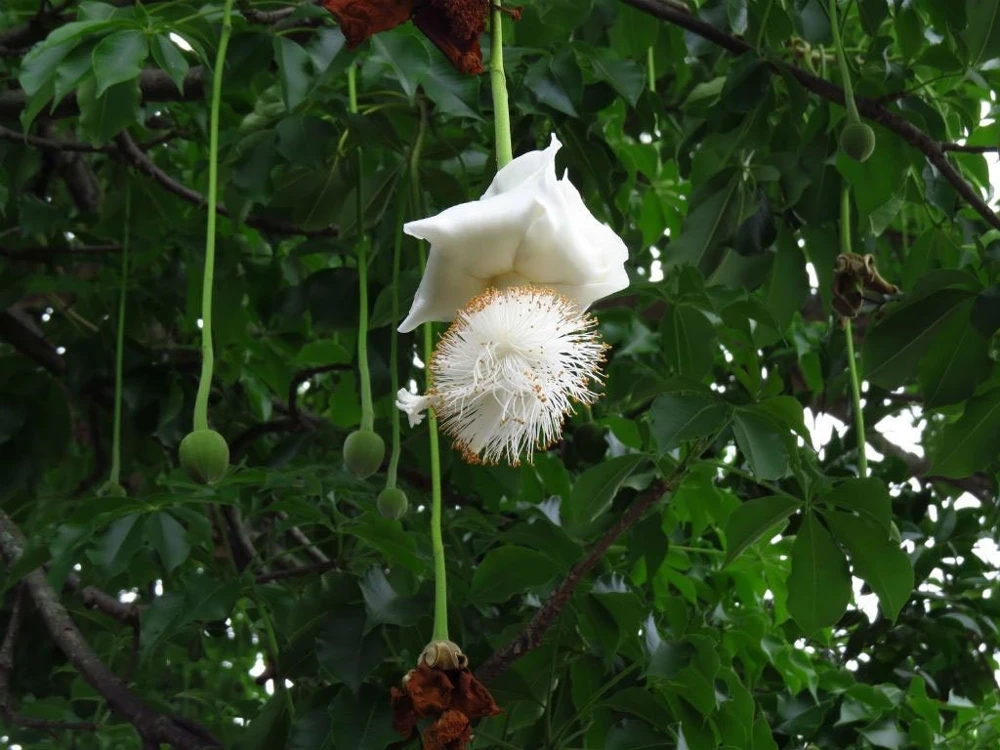
The seeds are shipped in a protective packet to ensure their viability upon arrival. Expect the first fruits to appear several years after planting, typically once the tree has reached a certain level of maturity. The fruit is large, oval-shaped, and contains a dry, powdery pulp around the seeds. These Adansonia digitata seeds offer the promise of cultivating a truly remarkable and enduring botanical specimen.
Frequently Asked Questions
- Q: How big does a Baobab tree get? A: In its natural habitat, a Baobab tree can grow over 40 feet tall with a trunk circumference exceeding 30 feet. When grown in containers, its size will be much smaller and can be managed through pruning.
- Q: Is this an indoor or outdoor plant? A: The Baobab tree seeds are for a tree that prefers full sun outdoors in USDA Hardiness Zones 10-11. In cooler climates, it can be grown outdoors during warm months and brought indoors as a potted plant before temperatures drop.
- Q: How much sunlight does a Baobab tree need? A: Baobab trees thrive in full sun, requiring at least 6-8 hours of direct sunlight daily to grow strong and healthy.
- Q: Is this plant easy to care for? A: While germinating Adansonia digitata seeds requires some patience and specific pre-treatment, established young trees are relatively low-maintenance, especially regarding water, due to their drought tolerance. Understanding how to grow baobab successfully is key.
- Q: What condition will the seeds arrive in? A: The Baobab tree seeds will arrive as dry, viable seeds, packaged securely to protect them during transit. They are ready for scarification and planting upon arrival.
- Q: How long until it blooms or fruits? A: Baobab trees typically take several years to mature and begin producing flowers and fruit. The exact time can vary depending on growing conditions and care.
- Q: What’s the minimum temperature these seeds can tolerate? A: Once grown, Baobab trees are tropical and require temperatures above freezing. They are best suited for USDA Hardiness Zones 10-11 and should be protected from frost. This is an important aspect of Baobab tree care.
- Q: Can I eat the fruit from a Baobab tree? A: Yes, the fruit of the Monkey Bread Tree seeds is edible. The pulp is often used in beverages or dried and eaten. All parts of the tree, including leaves and roots, are traditionally used.
- Q: What kind of soil is best for Baobab tree seeds? A: A well-draining, sandy soil mix is ideal for germinating and growing Adansonia digitata seeds, mimicking their natural arid environment.
- Q: What is the best time to plant Baobab tree seeds? A: The best time to plant is typically in spring or early summer, once temperatures are consistently warm, to give the seedlings ample time to establish before any cooler weather.
Be the first to review “Baobab Tree Seeds – Adansonia digitata – 5 Seeds for Planting”
Related products




You May Like

How to Grow Passion Flower (Passiflora) for Tropical Blooms
Few climbing vines in the home garden command attention quite like the exotic Passion Flower (Passiflora). [...]
Nov

Thanksgiving Cactus Care: How to Get Thanksgiving Cactus to Bloom
Is your Thanksgiving cactus growing well but not giving you any flowers? Maybe it looked [...]
Nov

How to Grow Garlic for a Bountiful Home Harvest
Garlic (Allium sativum) is one of the most satisfying, low-maintenance, and flavor-packed crops you can [...]
Oct

Hardneck vs. Softneck Garlic: Which Should You Grow?
Have you ever stood in front of a seed catalog in mid-September, staring at dozens [...]
1 Comment
Oct

When to Plant Music Garlic: Ultimate US Fall Guide
Have you ever spent your fall weekend placing carefully chosen garlic cloves into rich, dark [...]
1 Comment
Oct

5 Best Bulbs for Fall Planting: Brighten Your Garden This Spring
Are you dreaming of a garden full of vibrant colors in the spring? The key [...]
Aug

10 Houseplants That Will Thrive in Your Kitchen
Are you tired of your kitchen feeling dull and lifeless? Want to add a little [...]
1 Comment
Aug
Reviews
There are no reviews yet.