
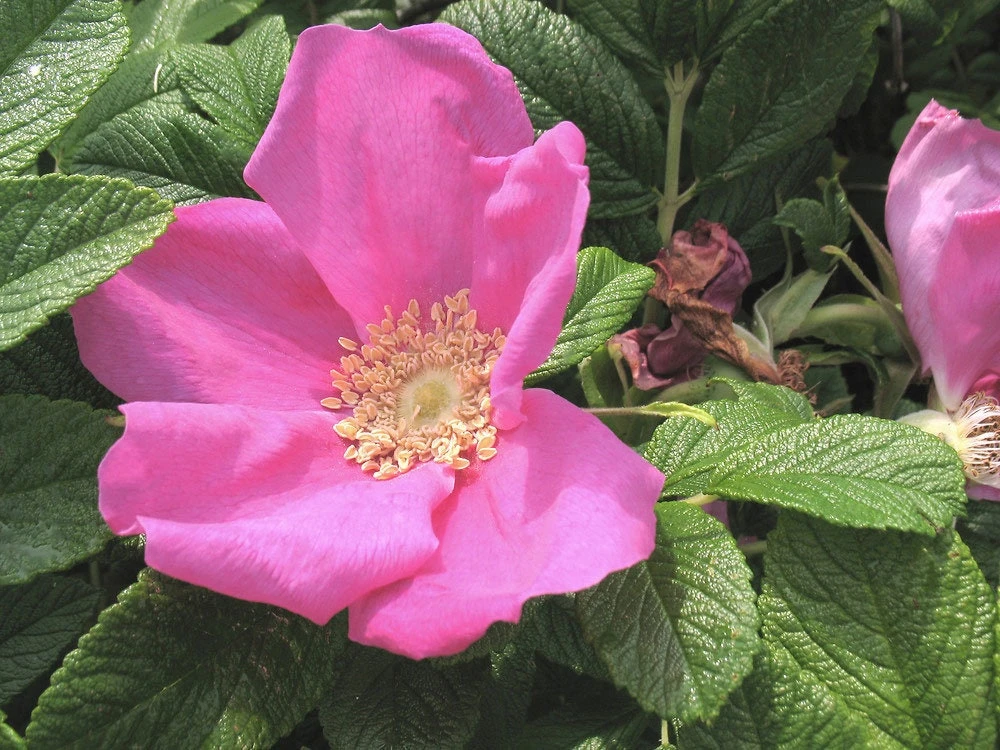
Rosa rugosa Pink Seeds – Beach Rose – Japanese Rose – 20 Seeds – Outdoor
Original price was: 48.91 $.19.91 $Current price is: 19.91 $.
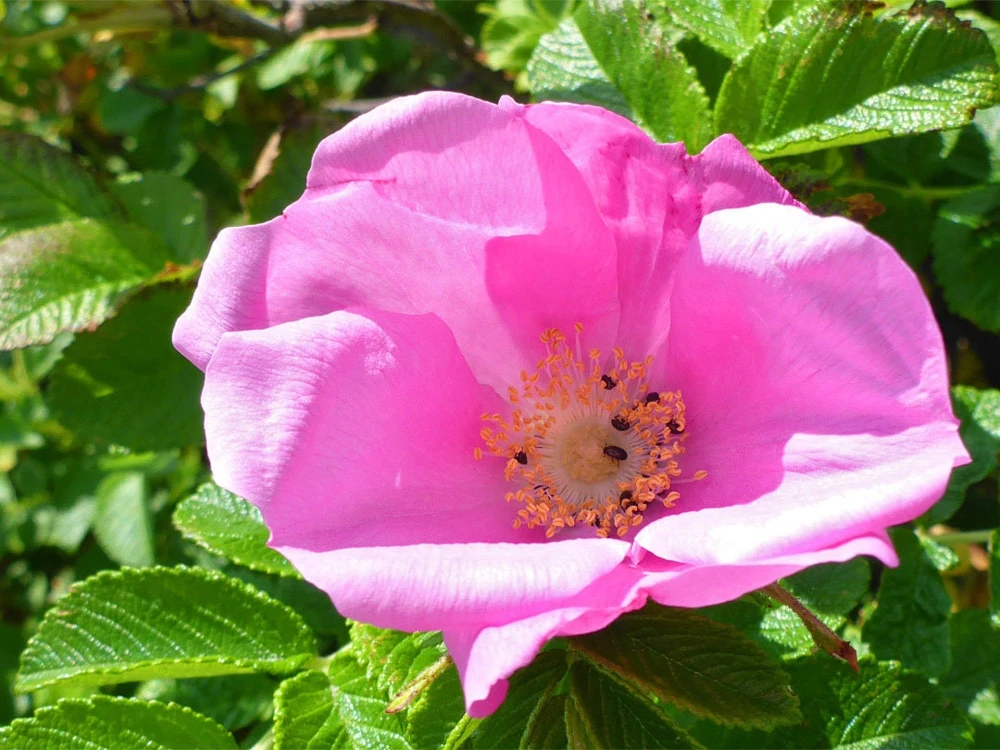
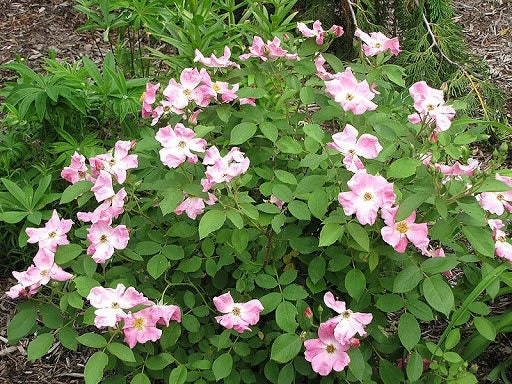
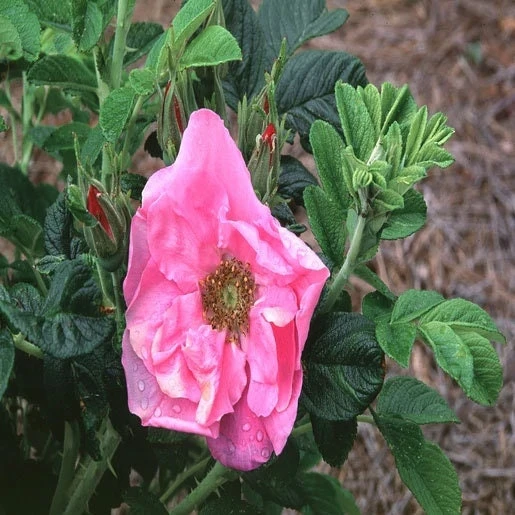
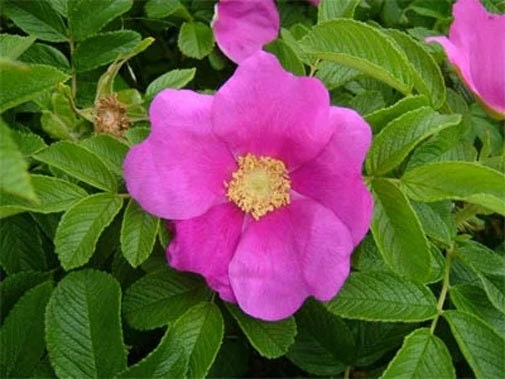
Cultivate stunning Rosa rugosa Pink seeds, known as Beach Rose or Japanese Rose. These 20 seeds will produce plants with very fragrant pink and mauve blossoms, attracting various butterflies. Ideal for gardens in USDA Zones 2 to 11.
Estimated arrival
Nov 28
Dec 03 - Dec 05
Dec 05 - Dec 10
See our Shipping Policy.
Get in touch with us via email, and our team will review your concerns.
Our Alive & Thrive Guarantee covers issues with your plants within the first 30 days. Read our Refund & Returns Policy.
-
USDA Hardiness Zone
2 to 11 -
Soil Type
Well-draining soil, tolerant of sandy soils -
Sunlight Exposure
Full sun -
Expected Planting Period
Late fall or early spring
Overview
Embark on a rewarding gardening journey by cultivating Rosa rugosa Pink seeds. Also known by its charming common names such as Wild Rose, Beach Rose, Japanese Rose, Saltspray Rose, and Ramanas Rose, this hardy and beautiful plant is a true garden gem. Each packet contains 20 high-quality seeds, ready to be sown and nurtured into vibrant, fragrant bushes. Originating from coastal regions, the Rosa rugosa is renowned for its resilience and ability to thrive in challenging conditions, including salty air and sandy soils. These plants are not only visually appealing with their lush foliage and abundant blooms but also play a vital ecological role, serving as a larval host for several butterfly species. Grow the iconic Rosa rugosa Pink seeds to add enduring beauty and ecological value to your outdoor space.
The Rosa rugosa Pink variety stands out with its exquisite pink and mauve blossoms, which fill the air with a delightful fragrance throughout the middle of summer. Beyond their aesthetic appeal, these roses are incredibly low-maintenance, making them an excellent choice for both novice and experienced gardeners. Their robust nature ensures they can withstand various environmental stressors, providing a continuous display of color and scent. By planting these Rosa rugosa Pink seeds, you’re not just growing a flower; you’re creating a haven for local wildlife and enhancing the natural beauty of your landscape. Consider adding these resilient and beautiful roses to your garden this season.
Key Benefits
Growing Rosa rugosa Pink seeds offers a multitude of advantages for any gardener looking to enhance their outdoor space with beauty and ecological benefit. These benefits extend beyond simple aesthetics, contributing to a healthier and more vibrant garden ecosystem:
- Fragrant Blooms: Enjoy the intensely fragrant pink and mauve blossoms that appear throughout the summer. These flowers are not only beautiful to look at but also release a captivating scent, transforming your garden into a sensory delight. The sweet aroma is a signature characteristic of the Rosa rugosa Pink seeds.
- Pollinator Attraction: The Rosa rugosa is a significant plant for pollinators and other beneficial insects. It serves as a larval host plant for several butterfly species, including the Columbia silkmoth, Western sheepmoth, Grizzled Skipper, Coral Hairstreak, and Two-banded Checkered-Skipper butterflies. Additionally, it’s a food source for the Baltimore Checkerspot and Appalachian Tiger Swallowtail butterflies, making it a crucial part of a pollinator-friendly garden.
- Hardy & Resilient: Known for its exceptional hardiness, this plant thrives in a wide range of conditions, specifically USDA Hardiness Zones 2 to 11. It’s tolerant of salt spray, sandy soils, and neglect, making it an ideal choice for coastal areas or challenging garden spots where other roses might struggle.
- Low Maintenance: Once established, Rosa rugosa requires minimal care. It is naturally resistant to many common rose diseases and pests, reducing the need for chemical treatments and extensive pruning. This makes the Beach Rose seeds an excellent option for gardeners seeking a beautiful yet easy-to-care-for plant.
- Versatile Landscaping: Its upright, bushy growth habit makes it perfect for hedges, borders, mass plantings, or as a standalone specimen. The attractive foliage and vibrant flowers provide year-round interest. Plant Japanese Rose seeds for a versatile addition to your landscape design.
- Edible Rose Hips: Following the blooms, Rosa rugosa produces large, edible rose hips that are rich in Vitamin C. These hips can be used to make jellies, jams, teas, or simply left on the plant for winter interest and as a food source for birds.
- Erosion Control: Due to its robust root system and tolerance for difficult conditions, Rosa rugosa is an excellent choice for stabilizing slopes and preventing soil erosion, especially in coastal or sandy areas. Consider Ramanas Rose seeds for effective ground cover and stabilization.
Plant Care & Growing Tips
Successfully growing Rosa rugosa Pink seeds begins with proper planting and attentive care. These resilient plants are relatively forgiving, but providing them with optimal conditions will ensure the most robust growth and abundant blooms. Start by selecting a site that receives plenty of sunlight. Rosa rugosa thrives in full sun, meaning at least six hours of direct sunlight per day. While it can tolerate some partial shade, too little sun may result in fewer flowers and a less vigorous plant. When planting your Saltspray Rose seeds, ensure the soil is well-draining. Although tolerant of various soil types, including sandy and poor soils, it performs best in moderately fertile, well-drained loam.
Watering is crucial, especially during the establishment phase. Keep the soil consistently moist but not waterlogged until the seedlings are well-developed. Once established, Rosa rugosa is quite drought-tolerant, but supplemental watering during prolonged dry spells will promote better flowering and overall health. Fertilization is generally not heavily required for this robust rose. A light application of a balanced, slow-release granular fertilizer in early spring can be beneficial, but avoid over-fertilizing, which can lead to excessive foliage growth at the expense of flowers. Pruning is minimal; simply remove dead, damaged, or crossing branches in late winter or early spring. You can also prune to maintain desired shape and size. The Rosa rugosa Pink seeds are known for their hardiness, making them an excellent choice for a low-maintenance garden.
Protecting your young plants from common problems involves good cultural practices. Ensure good air circulation around the plants to prevent fungal diseases, though Rosa rugosa is naturally quite resistant. Monitor for pests, although severe infestations are rare. Early detection and organic pest control methods are usually sufficient. Remember, these plants are adaptable across USDA Hardiness Zones 2 to 11, indicating their wide tolerance to cold and heat. With these simple care instructions, your Beach Rose seeds will flourish into beautiful, fragrant bushes.
Size & Details
The Rosa rugosa Pink seeds will develop into a robust, multi-stemmed shrub typically reaching a height of 4 to 6 feet and a similar spread. Its dense, upright growth habit makes it an excellent choice for hedges, borders, or as a standalone specimen. The plant exhibits a medium to fast growth rate, often establishing itself quickly and producing blooms within the first few years after planting from seed. Each seed packet contains 20 seeds, providing a good quantity for starting a significant planting area or for multiple propagation attempts. The mature plant forms an attractive, rounded shape with dark green, crinkled foliage that turns a beautiful yellow-orange in the fall.
When you plant these Japanese Rose seeds, expect to see the first fragrant pink and mauve blossoms in the middle of summer, continuing intermittently until fall. Following the flowering period, large, bright red to orange rose hips develop, which add ornamental value through winter and serve as a food source for wildlife. These seeds are shipped as dry, raw seeds, ready for stratification and planting. The established plant’s hardiness across USDA Zones 2 to 11 ensures its suitability for a vast range of climates, making it a reliable and long-lasting addition to nearly any garden landscape. The ultimate size and density can be influenced by pruning and growing conditions.
Frequently Asked Questions
- Q: How big does Rosa rugosa Pink get? A: Rosa rugosa Pink typically grows to a height of 4 to 6 feet with a similar spread. Its size can be maintained through occasional pruning, but it naturally forms a dense, bushy shrub perfect for various landscape uses.
- Q: What size pot does it come in? A: This product consists of Rosa rugosa Pink seeds, not a potted plant. You will receive 20 seeds ready for planting in your chosen containers or directly into the garden.
- Q: Is this an indoor or outdoor plant? A: Rosa rugosa is an outdoor plant, highly valued for its hardiness and resilience in garden settings. It thrives in full sun and is well-suited for a range of outdoor landscapes, including coastal areas.
- Q: How much sunlight does it need? A: This rose requires full sun to perform its best, meaning at least 6 hours of direct sunlight per day. While it can tolerate some partial shade, ample sunlight ensures the most abundant flowering and robust growth.
- Q: Is this plant easy to care for? A: Yes, Rosa rugosa is considered very easy to care for. It is known for its low-maintenance nature, disease resistance, and tolerance to various soil and environmental conditions, making it an excellent choice for beginners and experienced gardeners alike.
- Q: Is it good for beginners? A: Absolutely! Given its resilience and minimal care requirements, the Beach Rose seeds are an excellent option for beginner gardeners looking for a rewarding and beautiful plant that doesn’t demand constant attention.
- Q: What condition will it arrive in? A: You will receive 20 high-quality Japanese Rose seeds in a protective packet, ready for stratification and planting. The seeds are carefully prepared to ensure viability upon arrival.
- Q: Is it shipped in soil? A: No, the product is 20 seeds and will be shipped without soil. You will need to prepare your own planting medium once they arrive.
- Q: How long until it blooms? A: After planting Ramanas Rose seeds, plants typically begin to bloom within 1-3 years, depending on growing conditions and care. Once established, they will produce fragrant blossoms throughout the summer.
- Q: When is the best time to plant? A: The best time to sow Saltspray Rose seeds is in late fall or early spring after a period of cold stratification. This mimics natural conditions and encourages germination.
- Q: Will it survive winter in my zone? A: Yes, Rosa rugosa is exceptionally hardy and can survive winters in USDA Hardiness Zones 2 to 11. This wide range means it is suitable for most climates across the United States.
- Q: What’s the minimum temperature it can tolerate? A: Rosa rugosa can tolerate very cold temperatures, surviving down to approximately -45°F (-43°C), making it one of the hardiest rose species available.
Be the first to review “Rosa rugosa Pink Seeds – Beach Rose – Japanese Rose – 20 Seeds – Outdoor”
Related products


You May Like

How to Grow Passion Flower (Passiflora) for Tropical Blooms
Few climbing vines in the home garden command attention quite like the exotic Passion Flower (Passiflora). [...]
Nov

Thanksgiving Cactus Care: How to Get Thanksgiving Cactus to Bloom
Is your Thanksgiving cactus growing well but not giving you any flowers? Maybe it looked [...]
Nov

How to Grow Garlic for a Bountiful Home Harvest
Garlic (Allium sativum) is one of the most satisfying, low-maintenance, and flavor-packed crops you can [...]
Oct

Hardneck vs. Softneck Garlic: Which Should You Grow?
Have you ever stood in front of a seed catalog in mid-September, staring at dozens [...]
1 Comment
Oct

When to Plant Music Garlic: Ultimate US Fall Guide
Have you ever spent your fall weekend placing carefully chosen garlic cloves into rich, dark [...]
1 Comment
Oct

5 Best Bulbs for Fall Planting: Brighten Your Garden This Spring
Are you dreaming of a garden full of vibrant colors in the spring? The key [...]
Aug

10 Houseplants That Will Thrive in Your Kitchen
Are you tired of your kitchen feeling dull and lifeless? Want to add a little [...]
1 Comment
Aug
Reviews
There are no reviews yet.