
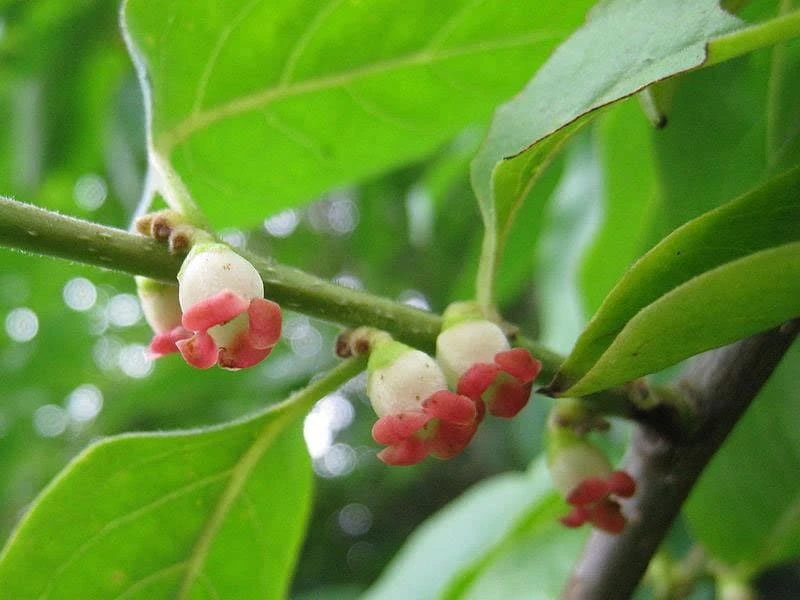
Date Plum Seeds – Diospyros lotus Caucasian Persimmon Seeds | 10 Count | Outdoor Fruit Tree Seeds
Original price was: 48.91 $.19.91 $Current price is: 19.91 $.
Cultivate the unique date plum seeds (Diospyros lotus) also known as Caucasian Persimmon. This pack contains 10 seeds to start your own fruit-bearing trees, known for their delicious, edible fruit after frost or drying. Ideal for a variety of climates, thriving in USDA Zones 3 to 10.
Estimated arrival
Nov 26
Dec 01 - Dec 03
Dec 03 - Dec 08
See our Shipping Policy.
Get in touch with us via email, and our team will review your concerns.
Our Alive & Thrive Guarantee covers issues with your plants within the first 30 days. Read our Refund & Returns Policy.
-
USDA Hardiness Zone
3 to 10 -
Soil Type
Well-draining, loamy soil -
Sunlight Exposure
Full sun -
Expected Planting Period
Spring after stratification
Overview
Embark on a rewarding gardening journey with these premium date plum seeds. You will receive 10 high-quality seeds of Diospyros lotus, commonly known as Caucasian Persimmon, Date Plum, or Lilac Persimmon. This ancient and resilient species is celebrated for its attractive foliage, robust growth, and, most notably, its delectable fruit. Originating from Western Asia and Southeastern Europe, the date plum tree has been cultivated for centuries, prized for its adaptability and the unique flavor of its fully ripened fruit. Growing up to 30 feet tall, these trees make a striking addition to any landscape, providing both ornamental beauty and a bountiful harvest. Start your own legacy with these exceptional Diospyros lotus seeds and enjoy the satisfaction of nurturing a plant from seed to fruit-bearing maturity.
These versatile seeds are perfect for gardeners looking to introduce an unusual and highly rewarding fruit tree into their outdoor space. The resulting trees are known for their hardiness and ability to thrive in a wide range of conditions, making them an excellent choice for many climates. Whether you are an experienced horticulturist or a budding enthusiast, growing Caucasian persimmon seeds offers a unique opportunity to cultivate a historical and delicious fruit. Experience the joy of harvesting your own date plums, a fruit that transforms in flavor after the first frost or through drying, becoming wonderfully sweet and rich.
Key Benefits
Cultivating date plum seeds offers numerous advantages, blending ornamental appeal with practical benefits. These seeds promise to grow into resilient trees that provide both visual interest and a unique culinary experience. Discover the many reasons why these seeds are a fantastic addition to your garden:
- Delicious Edible Fruit: The primary benefit is the production of small, sweet, and flavorful fruits, often compared to dates or plums. While tart when unripe, they become wonderfully delicious after the first frost or when dried, offering a unique taste experience for fresh consumption or culinary uses.
- Hardy & Adaptable: These trees are remarkably robust, thriving across a broad spectrum of climates from USDA Hardiness Zones 3 to 10. This wide adaptability makes them suitable for many different regions, ensuring a higher chance of success for gardeners.
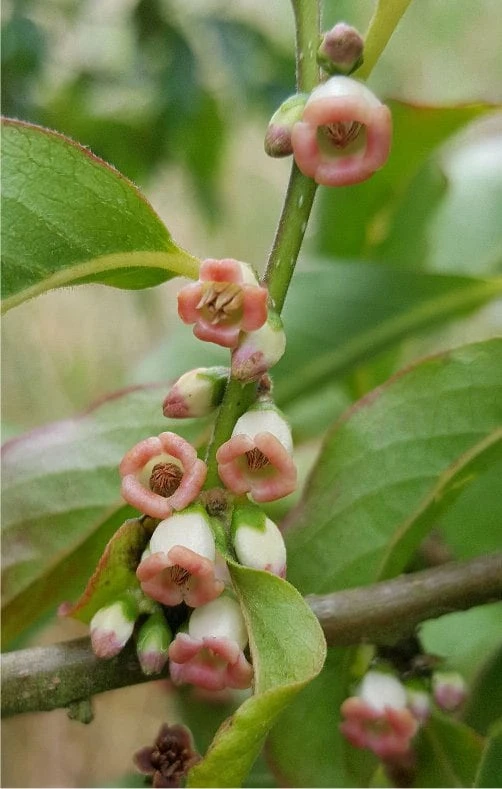
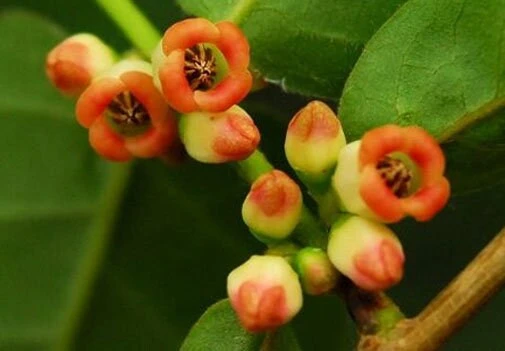
- Beautiful Ornamental Tree: Beyond their fruit, Diospyros lotus trees are attractive landscape specimens. They grow to a moderate height of up to 30 feet, providing shade and visual interest with their green foliage and seasonal blossoms.
- Early Cultivated Species: As one of the earliest cultivated plants, growing these Diospyros lotus seeds connects you to a rich history of agriculture and horticulture, bringing a touch of ancient charm to your modern garden.
- Low Maintenance Once Established: After the initial establishment phase, date plum trees are relatively low-maintenance, requiring minimal intervention to thrive, making them a great choice for busy gardeners.
- Wildlife Attractor: The fruits can attract beneficial wildlife, such as birds, adding natural biodiversity and activity to your garden ecosystem.
- Versatile Use: The fruit can be enjoyed fresh, dried, or used in jams, jellies, and desserts, offering culinary versatility. Learning how to grow date plum trees opens up new possibilities for your home kitchen.
Plant Care & Growing Tips
Successfully growing your date plum seeds into thriving trees requires understanding their basic needs. Starting from seed can be a rewarding process, and with the right care, you’ll soon have beautiful, fruit-bearing trees. These trees prefer a location with full sun exposure, meaning they should receive at least 6-8 hours of direct sunlight daily to ensure optimal growth and fruit production. While they are adaptable, a sunny spot will yield the best results for your Caucasian persimmon seeds.
For germination, the seeds typically benefit from a period of stratification. This mimics natural winter conditions and encourages sprouting. After stratification, plant the seeds in well-draining soil. A loamy, fertile soil is ideal, but these trees are quite tolerant of various soil types as long as drainage is good. Avoid waterlogged conditions, which can lead to root rot. Once established, young seedlings should be watered regularly to keep the soil consistently moist but not saturated. As the tree matures, it becomes more drought-tolerant, though consistent moisture during dry spells will promote better fruit development.
The Diospyros lotus is a remarkably hardy tree, capable of withstanding a broad range of temperatures, as indicated by its USDA Hardiness Zones 3 to 10. Fertilization can be beneficial, especially for young trees, using a balanced all-purpose fertilizer in spring. Pruning is generally minimal, focused on removing dead or diseased branches and shaping the tree for structure and air circulation. Watch out for common pests and diseases, though date plums are generally quite resistant. With these tips, you’ll be well on your way to enjoying delicious fruit from your own edible fruit tree seeds.
Size & Details
These date plum seeds will grow into medium-sized deciduous trees, typically reaching heights of up to 30 feet at maturity, with a spread that can be equally impressive, creating a lovely canopy. The growth rate is moderate, meaning you’ll see steady progress over the years as your tree establishes itself. You will receive 10 individual Diospyros lotus seeds, ready for stratification and planting. Each seed holds the potential to grow into a resilient tree that can produce fruit for many decades.
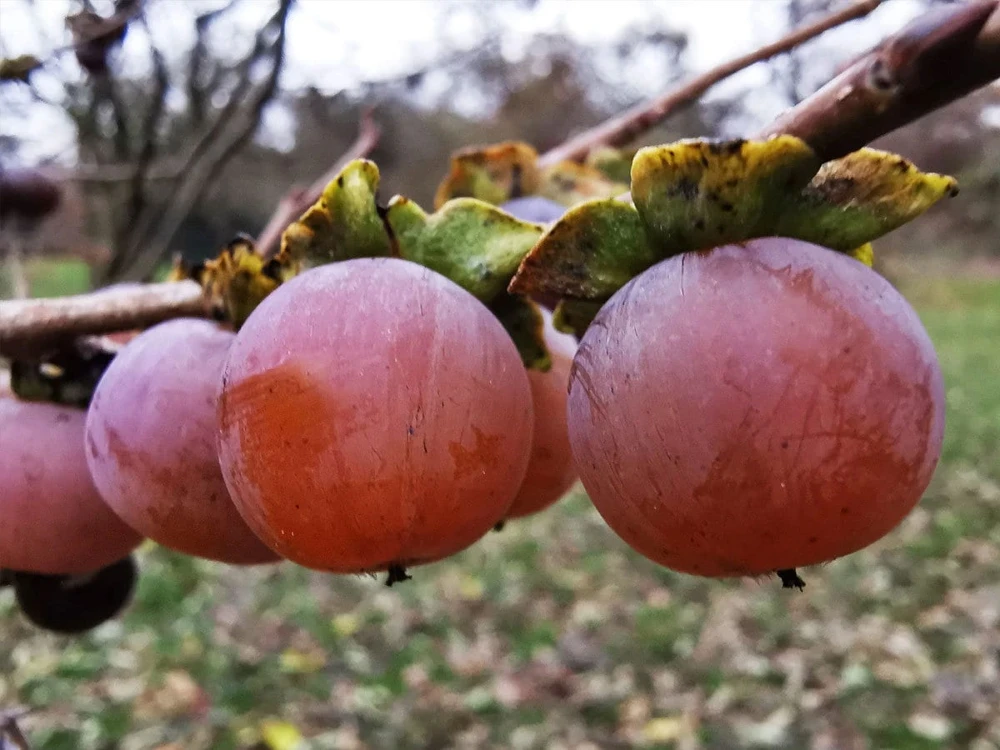
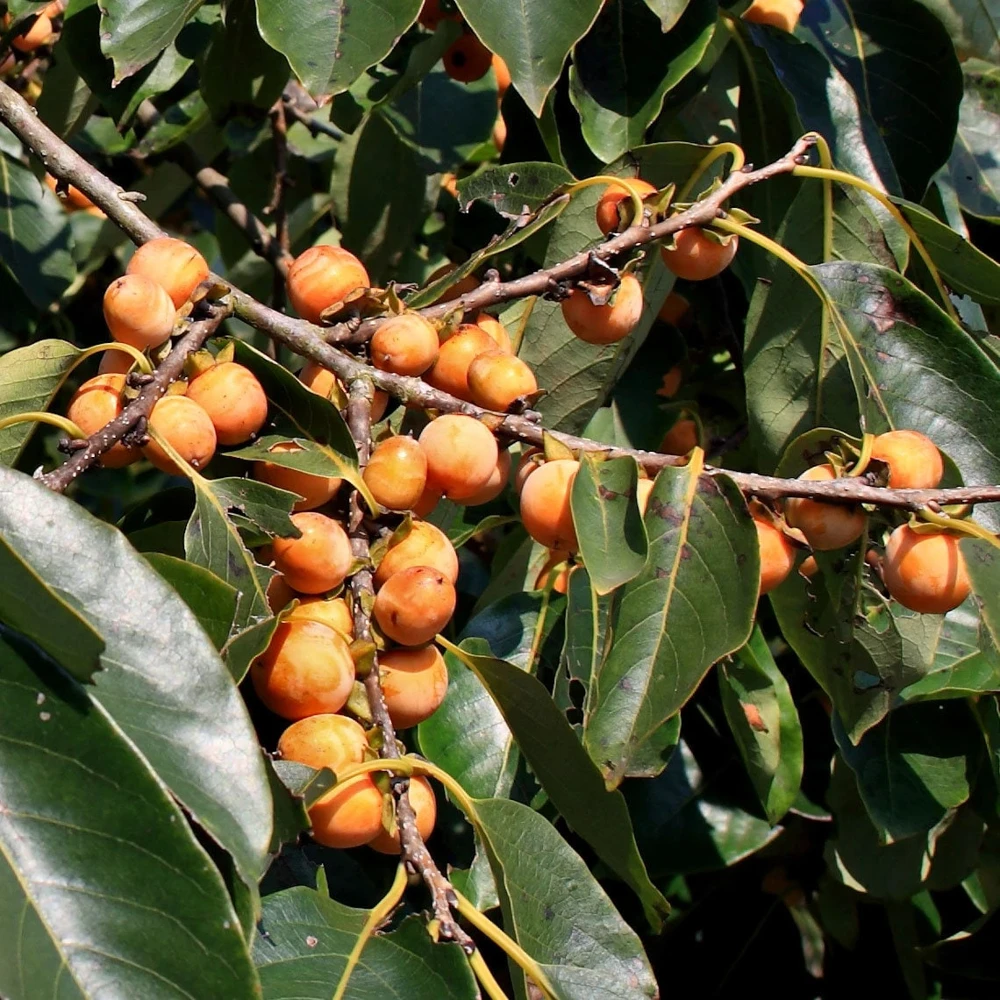
The fruit itself is small, typically about 1-2 cm in diameter, resembling a small plum or a large cherry. It ripens from green to yellow-orange or purplish-black in the fall. While the initial taste can be astringent, the fruit becomes delightfully sweet and date-like after the first hard frost or when fully dried. Expect the first fruits to appear several years after planting, as with most fruit trees grown from seed. The trees are shipped as raw seeds, requiring proper stratification and germination techniques on your part to successfully grow date plum trees.
Frequently Asked Questions
- Q: How big does this plant get? A: A mature date plum tree (Diospyros lotus) can reach heights of up to 30 feet with a similar spread, forming a substantial shade tree. Its size makes it suitable for larger garden spaces or as a prominent landscape feature.
- Q: Is this an indoor or outdoor plant? A: The date plum tree is an outdoor plant. It requires full sun exposure and is hardy in USDA Zones 3 to 10, meaning it is well-suited for a wide range of outdoor climates.
- Q: How much sunlight does it need? A: For optimal growth and fruit production, date plum trees need at least 6-8 hours of direct sunlight per day. A full sun location is ideal for these edible fruit tree seeds to thrive.
- Q: Is this plant easy to care for? A: Once established, date plum trees are relatively low-maintenance. The initial care involves proper seed stratification and consistent watering for young seedlings. They are quite hardy and adaptable.
- Q: What condition will the seeds arrive in? A: You will receive 10 raw date plum seeds, ready for you to begin the stratification and planting process. They are carefully packaged to ensure their viability upon arrival.
- Q: How long until it bears fruit? A: Like many fruit trees grown from seed, it can take several years (typically 5-7 years) for a date plum tree to mature enough to begin producing fruit. Patience is key when growing these unique trees.
- Q: When is the best time to plant these seeds? A: After adequate cold stratification, it’s best to plant the germinated Diospyros lotus seeds in spring, once the danger of the last frost has passed, allowing them to establish during the growing season.
- Q: Will it survive winter in my zone? A: Yes, these trees are very hardy and capable of surviving winters in USDA Zones 3 to 10. This wide range means they can tolerate significant cold, making them suitable for many different regions.
- Q: What kind of soil do these trees prefer? A: Date plum trees prefer well-draining, loamy soil but are quite adaptable to various soil types. Good drainage is crucial to prevent root issues.
- Q: Can I use the fruit in cooking? A: Absolutely! The ripe fruit is delicious fresh (especially after a frost), dried like dates, or used in various culinary applications such as jams, jellies, pies, and other desserts.
Be the first to review “Date Plum Seeds – Diospyros lotus Caucasian Persimmon Seeds | 10 Count | Outdoor Fruit Tree Seeds”
Related products


You May Like

How to Grow Passion Flower (Passiflora) for Tropical Blooms
Few climbing vines in the home garden command attention quite like the exotic Passion Flower (Passiflora). [...]
Nov

Thanksgiving Cactus Care: How to Get Thanksgiving Cactus to Bloom
Is your Thanksgiving cactus growing well but not giving you any flowers? Maybe it looked [...]
Nov

How to Grow Garlic for a Bountiful Home Harvest
Garlic (Allium sativum) is one of the most satisfying, low-maintenance, and flavor-packed crops you can [...]
Oct

Hardneck vs. Softneck Garlic: Which Should You Grow?
Have you ever stood in front of a seed catalog in mid-September, staring at dozens [...]
1 Comment
Oct

When to Plant Music Garlic: Ultimate US Fall Guide
Have you ever spent your fall weekend placing carefully chosen garlic cloves into rich, dark [...]
1 Comment
Oct

5 Best Bulbs for Fall Planting: Brighten Your Garden This Spring
Are you dreaming of a garden full of vibrant colors in the spring? The key [...]
Aug

10 Houseplants That Will Thrive in Your Kitchen
Are you tired of your kitchen feeling dull and lifeless? Want to add a little [...]
1 Comment
Aug
Reviews
There are no reviews yet.