
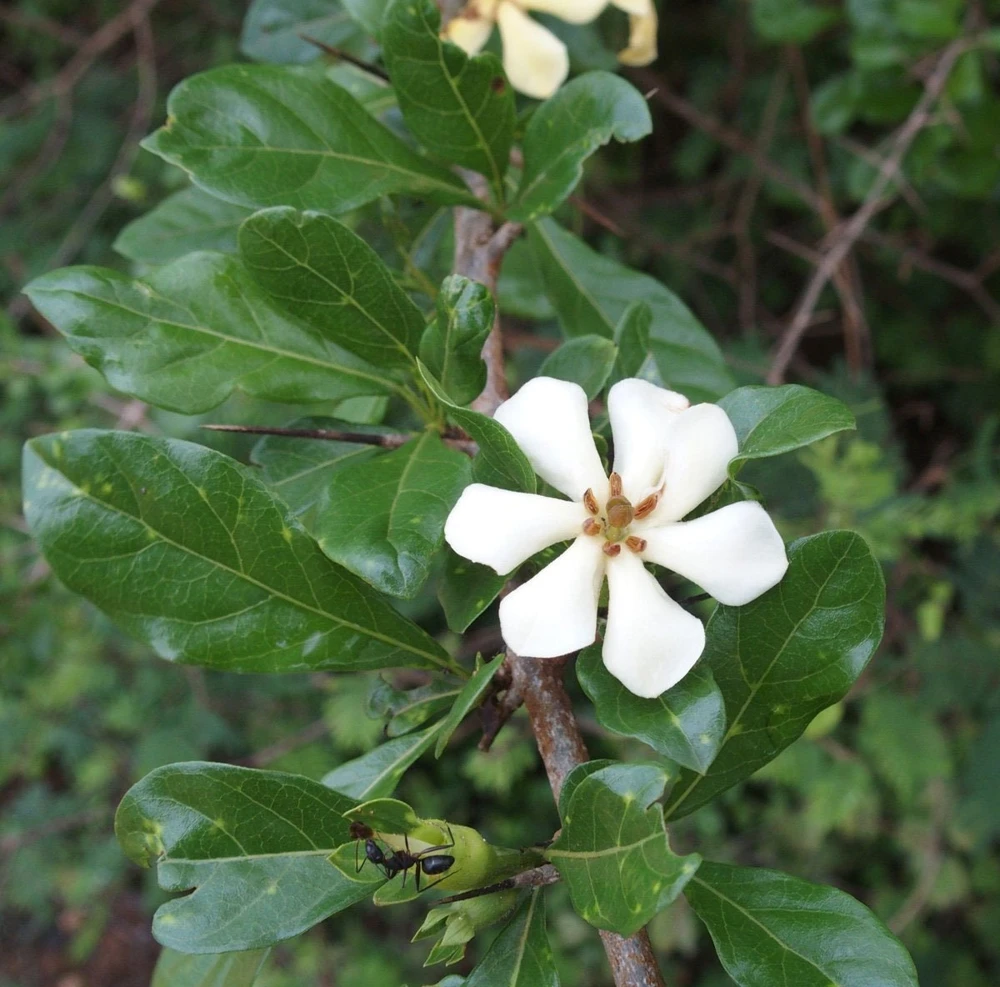
Catunaregam spinosa Seeds – Mountain Pomegranate Tree Seeds – 5 Seeds
Original price was: 48.91 $.19.91 $Current price is: 19.91 $.
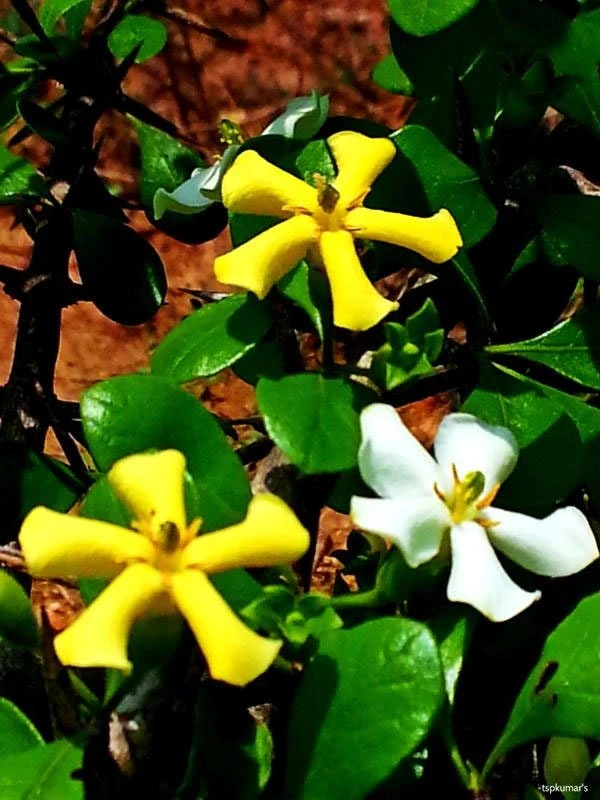
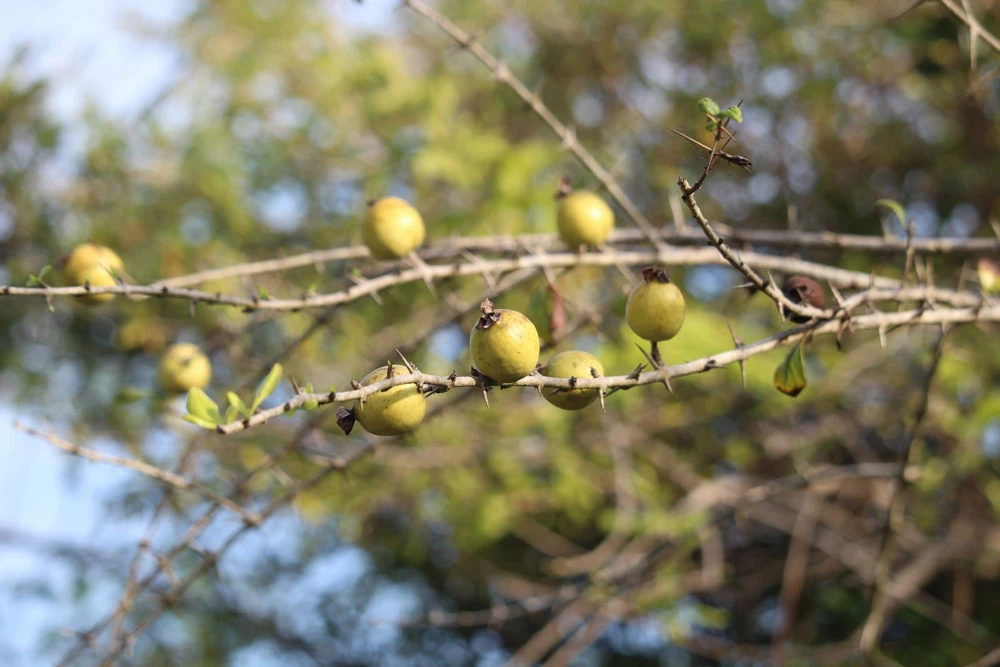
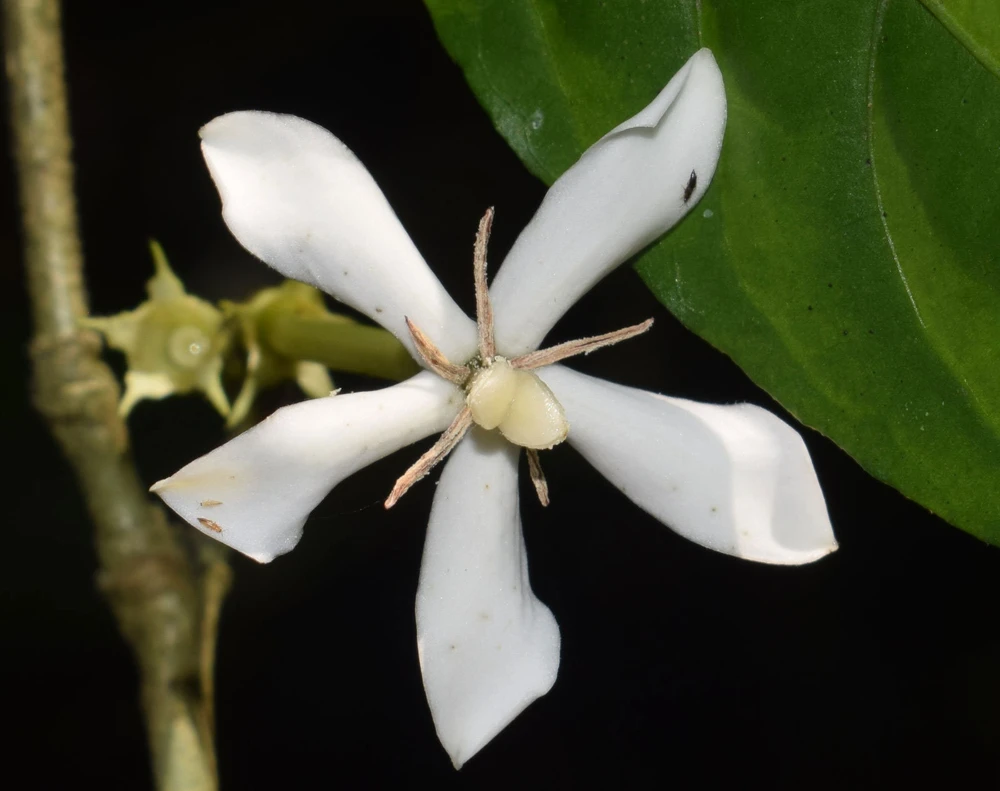
Cultivate the exotic Catunaregam spinosa seeds, also known as mountain pomegranate seeds. These seeds grow into a beautiful tree with white and yellow flowers, producing edible fruit (when cooked) and can be used for dye. Perfect for USDA Zones 10-11.
Estimated arrival
Nov 28
Dec 03 - Dec 05
Dec 05 - Dec 10
See our Shipping Policy.
Get in touch with us via email, and our team will review your concerns.
Our Alive & Thrive Guarantee covers issues with your plants within the first 30 days. Read our Refund & Returns Policy.
-
USDA Hardiness Zone
USDA Hardiness Zones 10 to 11 -
Soil Type
Well-draining sandy loam -
Sunlight Exposure
Full sun to partial shade -
Expected Planting Period
Late winter to early spring (indoors)
Overview
Embark on a unique gardening adventure with these premium Catunaregam spinosa seeds. Also widely recognized as mountain pomegranate seeds, these offer the opportunity to cultivate a fascinating tree native to various Asian countries. Growing up to 20 feet high, this remarkable plant features delicate white flowers that gracefully transition to a vibrant yellow hue. In certain environments, it can even exhibit a climbing vine habit, adding versatility to its appeal. The fruit produced by the Catunaregam spinosa is edible once cooked, and the plant itself has historical uses in dye production, making it a truly multifaceted addition to any garden or landscape. Start your journey to growing this distinctive tree from seed today.
Key Benefits
Growing Catunaregam spinosa seeds offers a range of rewarding benefits for gardeners and plant enthusiasts alike. This unique plant provides both ornamental beauty and practical uses.
- Unique Ornamental Appeal: The Catunaregam spinosa tree boasts beautiful flowers that transform from white to yellow, adding a dynamic visual element to your garden throughout its blooming season. Its potential to grow as a climbing vine further enhances its decorative possibilities.
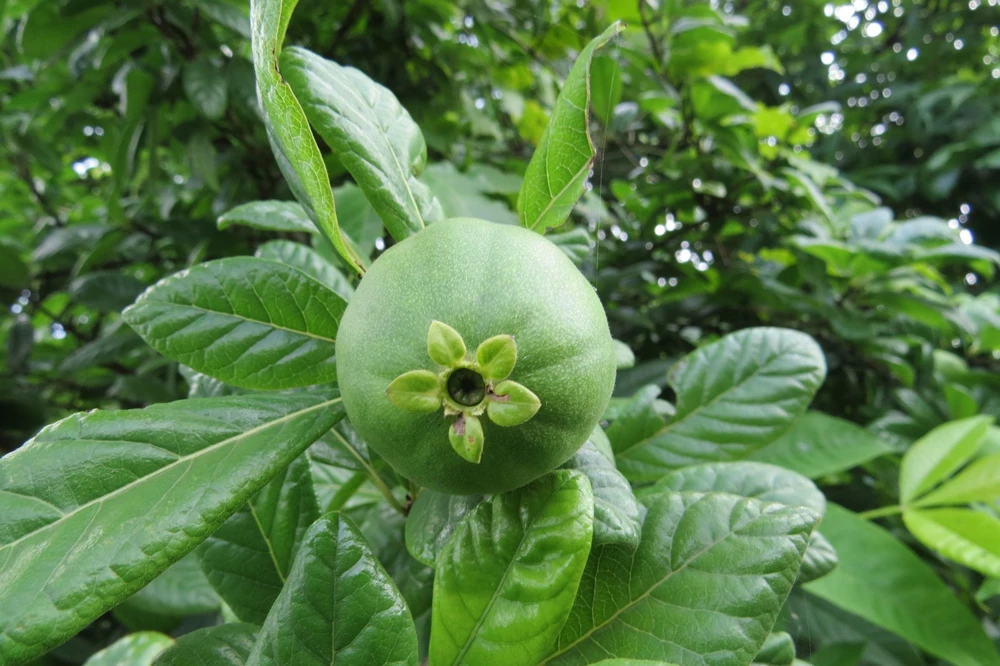
- Edible Fruit Production: Once mature, the tree produces fruit that, when properly cooked, is edible. This offers a sustainable and interesting food source for those looking to expand their culinary horizons with home-grown produce.
- Natural Dye Source: Historically, parts of the Catunaregam spinosa plant have been utilized for making natural dyes. This traditional application adds an intriguing dimension for crafters and those interested in natural materials.
- Adaptable Growth Habit: Depending on its environment, the mountain pomegranate seeds can develop into a stately tree or a climbing vine. This adaptability allows for various landscape designs and planting approaches.
- Exotic Plant Collection: Adding Catunaregam spinosa seeds to your collection introduces an exotic and relatively uncommon species to your garden, making it a conversation starter and a point of interest for visitors.
- Educational Value: Cultivating this plant from mountain pomegranate seeds provides a hands-on learning experience about Asian flora, plant growth cycles, and the diverse uses of botanical species.
Plant Care & Growing Tips
Successfully growing Catunaregam spinosa seeds requires attention to specific environmental conditions to ensure healthy development into a thriving tree. These seeds are best started indoors in a warm, humid environment before transplanting. Plant them in well-draining soil, ideally a sandy loam mixture, to prevent waterlogging which can be detrimental to young seedlings. Maintain consistent moisture levels in the soil, ensuring it is damp but never soggy. Once established, the mountain pomegranate tree prefers full sun to partial shade, meaning it should receive at least 6 hours of direct sunlight daily for optimal growth and fruit production. For those wondering how to grow mountain pomegranate, providing adequate warmth is crucial as it thrives in tropical and subtropical climates.
The USDA Hardiness Zones for Catunaregam spinosa are 10 to 11, indicating it is sensitive to cold temperatures and should be protected from frost. If you reside in a cooler zone, consider growing it in a large container that can be moved indoors during winter months. Fertilize sparingly with a balanced, slow-release fertilizer during the growing season to encourage robust growth. Pruning can be done to maintain shape or to encourage a bushier habit, especially if you are aiming for a climbing vine structure. Keep an eye out for common pests and diseases, though the Catunaregam spinosa seeds are generally hardy once established. With proper care, your mountain pomegranate tree will flourish, providing beautiful flowers and interesting fruit.
Size & Details
These Catunaregam spinosa seeds are sourced from mature, healthy plants, ensuring viability for your growing project. Each packet contains 5 seeds, providing a good starting quantity for cultivation. Once germinated and established, the Catunaregam spinosa tree typically grows to an impressive height of about 20 feet, though its growth habit can vary, sometimes appearing as a climbing vine in certain environments. The flowers initially emerge white, gradually changing to a striking yellow, offering a beautiful progression of color. Expect the plant to mature and begin producing fruit within a few years under ideal growing conditions. These seeds will allow you to grow mountain pomegranate plants that are robust and true to type, ready to become a focal point in your garden or landscape.
Frequently Asked Questions
- Q: How big does the Mountain Pomegranate tree get? A: The Catunaregam spinosa tree, grown from these Catunaregam spinosa seeds, can reach heights of up to 20 feet. Its growth can also manifest as a climbing vine in some habitats, depending on environmental factors and support structures.
- Q: Is this an indoor or outdoor plant? A: The Mountain Pomegranate is primarily an outdoor plant, thriving in USDA Hardiness Zones 10 to 11. In colder climates, it can be grown in large containers and moved indoors during winter to protect it from frost.
- Q: How much sunlight does it need? A: This plant prefers full sun to partial shade. For optimal growth and fruit production from your mountain pomegranate seeds, ensure it receives at least 6 hours of direct sunlight per day.
- Q: Is this plant easy to care for? A: While not exceptionally difficult, it does require specific conditions like warmth and well-draining soil. It’s a rewarding plant for gardeners with some experience or those willing to learn about tropical plant care.
- Q: What condition will the seeds arrive in? A: Your order will contain 5 seeds, carefully packaged to ensure their integrity and viability upon arrival, ready for planting.
- Q: Can I use the fruit for eating? A: Yes, the fruit of the Catunaregam spinosa is edible, but it must be cooked before consumption. It’s not typically eaten raw. This is a key aspect when you grow mountain pomegranate.
- Q: When is the best time to plant these seeds? A: The best time to plant these seeds is typically in late winter or early spring indoors, allowing them to establish before being transplanted outdoors after the last frost.
- Q: What USDA Hardiness Zones are suitable for this plant? A: The Catunaregam spinosa is best suited for USDA Hardiness Zones 10 to 11, where it can thrive outdoors year-round without frost protection.
- Q: Can I make dye from this plant? A: Yes, the Catunaregam spinosa plant has historical uses in producing natural dyes. This adds another interesting dimension to growing this unique species from Catunaregam spinosa seeds.
- Q: Will the plant grow as a climbing vine? A: In some environments and with proper support, the Catunaregam spinosa can indeed grow as a climbing vine, offering versatility in its landscape application.
Be the first to review “Catunaregam spinosa Seeds – Mountain Pomegranate Tree Seeds – 5 Seeds”
Related products


You May Like

How to Grow Passion Flower (Passiflora) for Tropical Blooms
Few climbing vines in the home garden command attention quite like the exotic Passion Flower (Passiflora). [...]
Nov

Thanksgiving Cactus Care: How to Get Thanksgiving Cactus to Bloom
Is your Thanksgiving cactus growing well but not giving you any flowers? Maybe it looked [...]
Nov

How to Grow Garlic for a Bountiful Home Harvest
Garlic (Allium sativum) is one of the most satisfying, low-maintenance, and flavor-packed crops you can [...]
Oct

Hardneck vs. Softneck Garlic: Which Should You Grow?
Have you ever stood in front of a seed catalog in mid-September, staring at dozens [...]
1 Comment
Oct

When to Plant Music Garlic: Ultimate US Fall Guide
Have you ever spent your fall weekend placing carefully chosen garlic cloves into rich, dark [...]
1 Comment
Oct

5 Best Bulbs for Fall Planting: Brighten Your Garden This Spring
Are you dreaming of a garden full of vibrant colors in the spring? The key [...]
Aug

10 Houseplants That Will Thrive in Your Kitchen
Are you tired of your kitchen feeling dull and lifeless? Want to add a little [...]
1 Comment
Aug
Reviews
There are no reviews yet.