
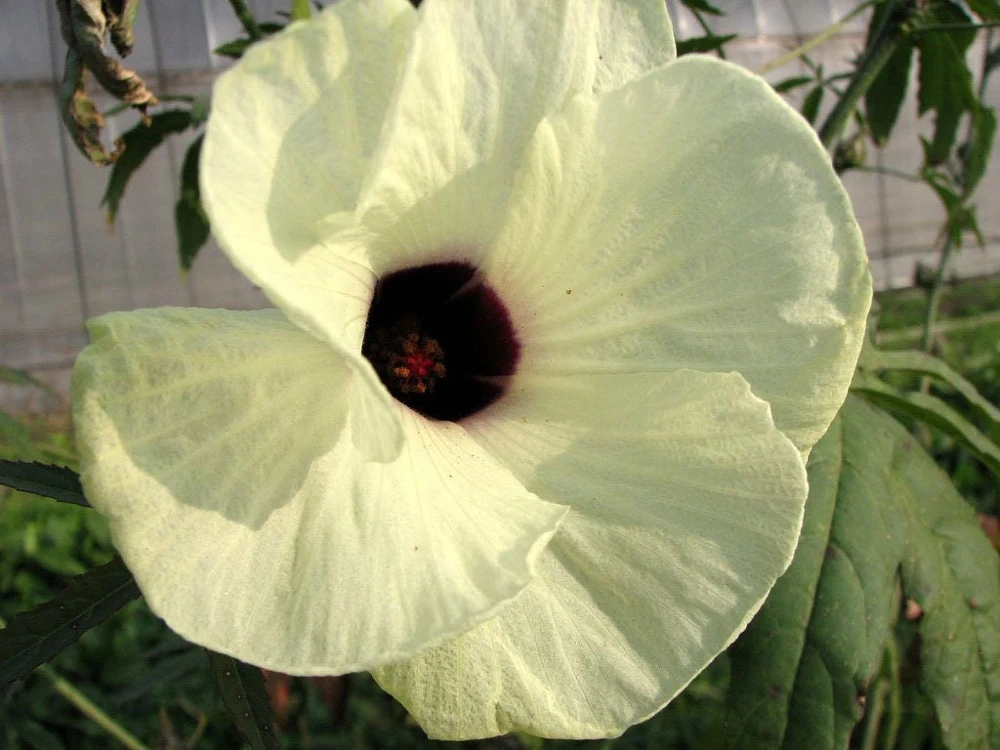
Hibiscus Cannabinus Yellow Seeds – Kenaf Brown Indianhemp – 10 Seeds
Original price was: 48.91 $.19.91 $Current price is: 19.91 $.
Cultivate Hibiscus cannabinus yellow seeds for a vibrant, multi-purpose plant. Also known as Kenaf seeds or Brown Indianhemp seeds, these easy-to-grow annuals offer beautiful yellow flowers, edible parts, and strong fiber. Perfect for gardeners seeking a versatile and resilient addition to their landscape.
Estimated arrival
Nov 26
Dec 01 - Dec 03
Dec 03 - Dec 08
See our Shipping Policy.
Get in touch with us via email, and our team will review your concerns.
Our Alive & Thrive Guarantee covers issues with your plants within the first 30 days. Read our Refund & Returns Policy.
-
USDA Hardiness Zone
Annual in all USDA Hardiness Zones -
Soil Type
Well-draining, rich loamy soil -
Sunlight Exposure
Full sun to partial shade -
Expected Planting Period
Spring to early summer
Overview
Discover the versatility of Hibiscus cannabinus yellow seeds, also widely known as Kenaf seeds or Brown Indianhemp. These remarkable annual plants are celebrated for their rapid growth, striking yellow blossoms, and a multitude of uses. Originating from Africa, this species of Hibiscus is not only ornamental but also highly practical, offering edible components, valuable fiber, and an excellent nectar source for pollinators. Whether you’re interested in sustainable gardening, attracting wildlife, or exploring unique culinary ingredients, Hibiscus cannabinus yellow seeds provide an exciting opportunity to grow a truly multi-functional plant right in your own garden.
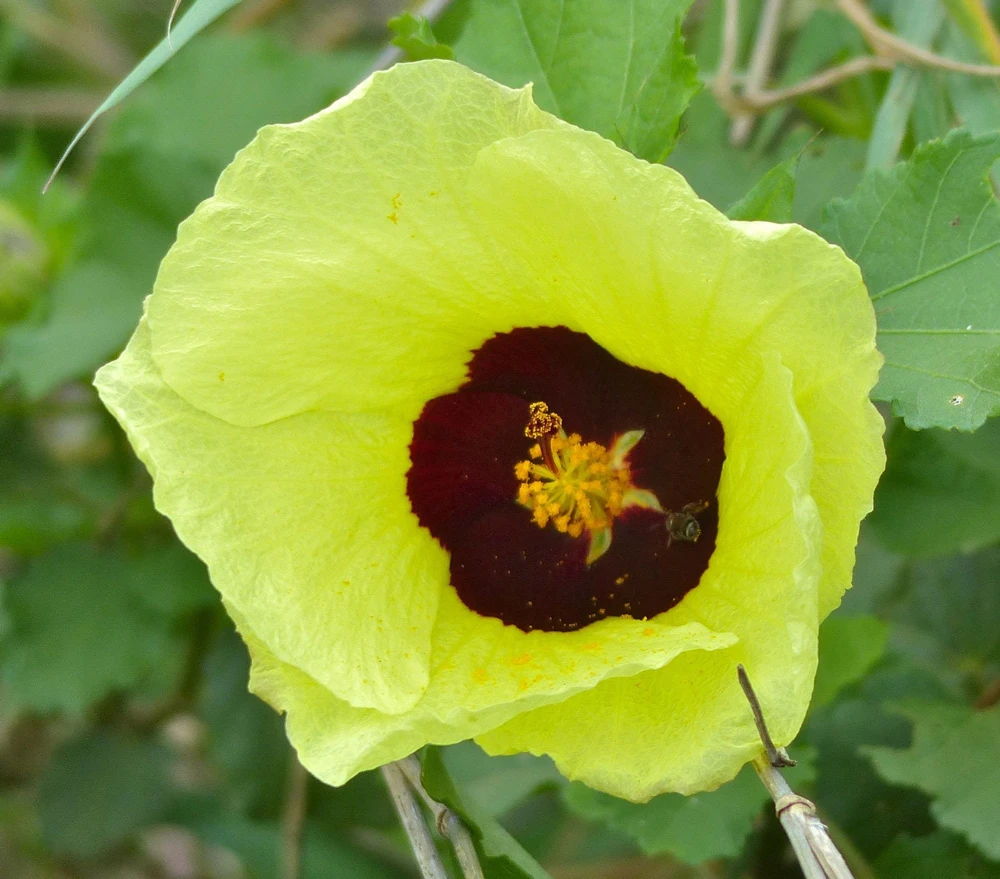
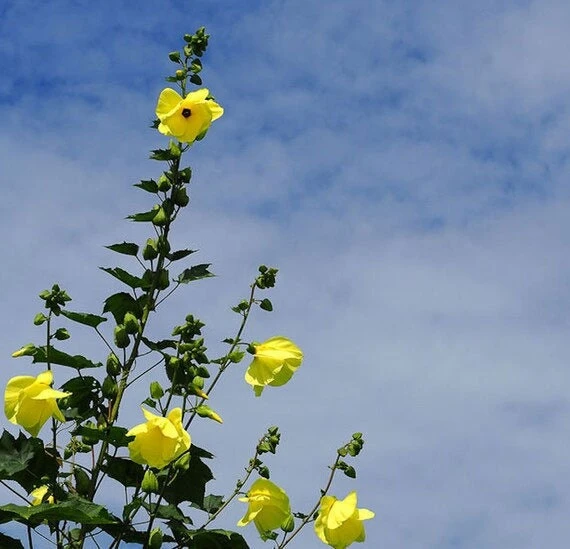
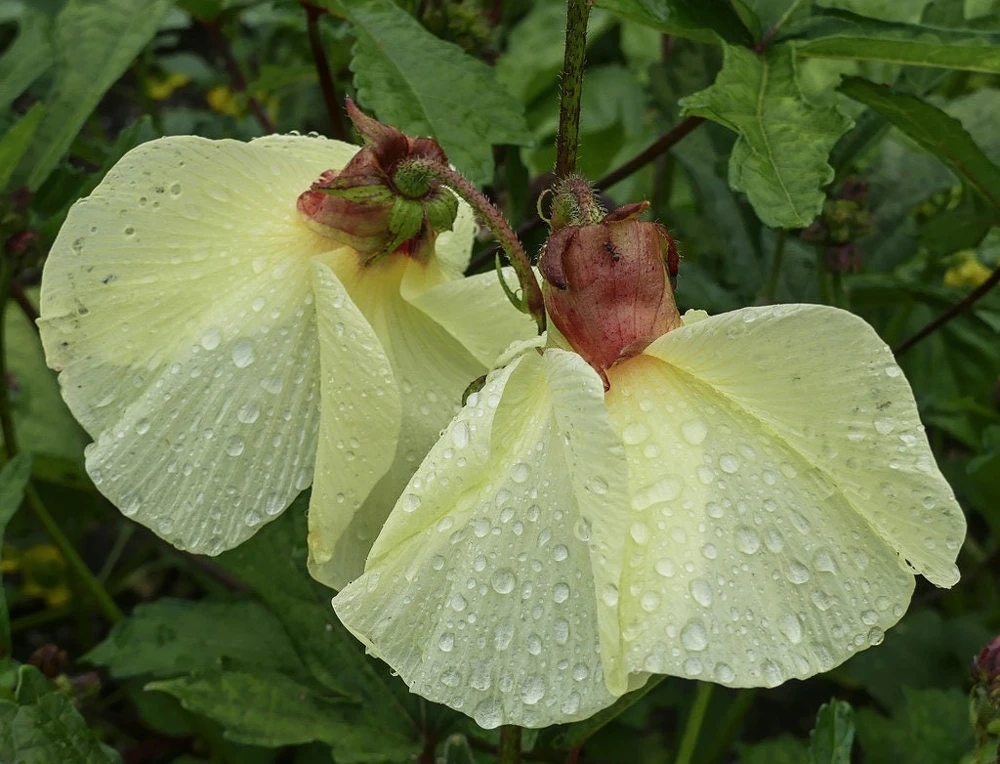
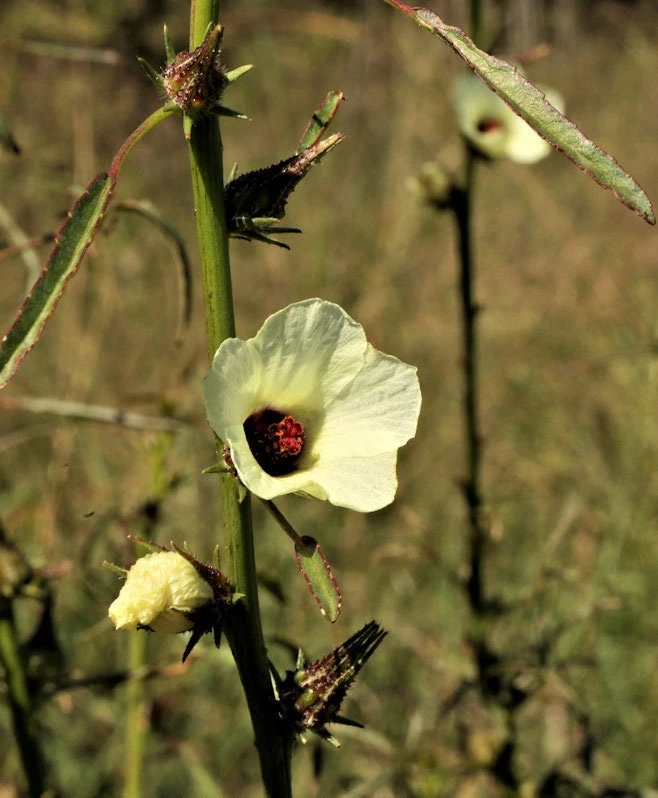
Growing up to 12 feet tall, these plants create a dramatic backdrop in any sunny garden space. The cheerful yellow flowers, often with a deep red center, emerge from late summer through early winter, extending the blooming season when many other plants have faded. Beyond their aesthetic appeal, the various parts of the Kenaf plant have been utilized for centuries, making them a fascinating and rewarding addition for any gardener.
Key Benefits
The benefits of cultivating these versatile Hibiscus cannabinus yellow seeds are extensive, offering advantages for both your garden and personal use. These plants are a fantastic choice for those looking for a high-impact, low-maintenance annual.
- Vibrant Pollinator Attraction: The bright yellow blossoms are a magnet for a diverse array of pollinators, including birds, bees, and numerous butterfly species such as the Cloudless Sulphur, Large Orange Sulphur, and Monk butterflies, significantly boosting your garden’s biodiversity.
- Edible & Culinary Uses: Young leaves can be cooked and added to soups, while the seeds can be roasted, eaten, or ground into flour. The seeds are also a source of edible oil, offering unique culinary possibilities. Explore the potential of edible Hibiscus seeds in your kitchen.
- Sustainable Fiber Source: The strong stems of the Kenaf plant are a valuable source of fiber and pulp, traditionally used in making paper, ropes, and textiles, making it an eco-friendly choice for the conscious gardener.
- Adaptable & Resilient Growth: As an annual that can thrive in various USDA Hardiness Zones, growing Kenaf is surprisingly easy. It adapts well to full sun to partial shade conditions, making it suitable for a wide range of climates.
- Extended Bloom Season: Enjoy beautiful yellow flowers from late summer well into early winter, providing continuous color and nectar when many other flowering plants have finished their cycle.
- Low Maintenance: Once established, Kenaf requires minimal care, making it an ideal choice for busy gardeners or those new to cultivating unique plant varieties.
Plant Care & Growing Tips
To successfully cultivate your Hibiscus cannabinus yellow seeds, understanding their basic needs will ensure robust growth and abundant blooms. These plants are generally forgiving but thrive under specific conditions. They prefer a location that receives full sun to partial shade. Full sun (at least 6-8 hours of direct sunlight daily) will encourage the most vigorous growth and prolific flowering, while partial shade can be tolerated, especially in hotter climates, protecting the plant from intense afternoon sun.
Kenaf seeds perform best in well-draining soil. While they are adaptable, a rich, loamy soil with good organic content will provide the ideal environment for root development. Ensure the planting area does not retain excessive moisture, as waterlogged conditions can lead to root rot. Consistent moisture is important, particularly during germination and early growth. Once established, the plants are relatively drought-tolerant but will benefit from regular watering during dry spells. Fertilization can be done with a balanced, all-purpose fertilizer during the growing season to support their rapid development. These annuals are quite resilient and generally face few pest or disease issues, making growing Kenaf a straightforward experience. Keep an eye out for common garden pests, but severe infestations are rare.
Size & Details
This offering includes a packet of 10 seeds of Hibiscus cannabinus yellow seeds, ready for planting. Once established, these vigorous annuals can quickly grow to an impressive height of up to 12 feet (approximately 3.6 meters). The plants exhibit a strong, upright growth habit, making them suitable for backgrounds, screens, or as striking specimen plants. The yellow blossoms are typically on display from late summer until early winter, providing a long season of interest and nectar for pollinators. Given their rapid growth, Kenaf plants can reach their full height and begin flowering within a single growing season from seed, offering quick gratification for gardeners. They are annuals, completing their life cycle in one season, but will readily self-seed in favorable conditions.
Frequently Asked Questions
- Q: How big does this plant get? A: Hibiscus cannabinus yellow seeds can produce plants that grow quite tall, typically reaching up to 12 feet in height under ideal growing conditions. They have a strong, upright growth habit.
- Q: Is this an indoor or outdoor plant? A: This plant is primarily grown outdoors as an annual. While it can be started indoors, it thrives and reaches its full potential when planted in the garden.
- Q: How much sunlight does it need? A: Kenaf prefers full sun, meaning at least 6-8 hours of direct sunlight daily. It can tolerate partial shade, especially in very hot climates, but full sun encourages the best growth and flowering.
- Q: Is this plant easy to care for? A: Yes, growing Kenaf is considered relatively easy. Once established, it is quite resilient and low-maintenance, making it suitable for gardeners of all experience levels.
- Q: What condition will the seeds arrive in? A: The product consists of 10 seeds, which will arrive carefully packaged to ensure their viability and readiness for planting.
- Q: Can I use the seeds for cooking? A: Yes, the seeds of Hibiscus cannabinus yellow seeds can be roasted and eaten, used to abstract edible oil, or ground into flour. This makes them a versatile culinary ingredient.
- Q: How long until it blooms? A: Kenaf is a fast-growing annual. Depending on planting time and conditions, you can expect the plants to begin flowering from late summer and continue through early winter.
- Q: Will it survive winter in my zone? A: Kenaf is an annual plant, meaning it completes its life cycle in one growing season and typically does not survive winter in most USDA Hardiness Zones. However, it can readily self-seed for the following year.
- Q: What are Brown Indianhemp seeds used for? A: Besides their ornamental value and edible parts, Brown Indianhemp seeds grow into plants whose stems are a significant source of fiber and pulp, used in various industrial applications like paper making.
- Q: Are these plants good for pollinators? A: Absolutely! The yellow blossoms are a rich nectar source, attracting a wide variety of birds, bees, and numerous butterfly species, making them excellent for supporting local ecosystems.
Be the first to review “Hibiscus Cannabinus Yellow Seeds – Kenaf Brown Indianhemp – 10 Seeds”
Related products


You May Like

How to Grow Passion Flower (Passiflora) for Tropical Blooms
Few climbing vines in the home garden command attention quite like the exotic Passion Flower (Passiflora). [...]
Nov

Thanksgiving Cactus Care: How to Get Thanksgiving Cactus to Bloom
Is your Thanksgiving cactus growing well but not giving you any flowers? Maybe it looked [...]
Nov

How to Grow Garlic for a Bountiful Home Harvest
Garlic (Allium sativum) is one of the most satisfying, low-maintenance, and flavor-packed crops you can [...]
Oct

Hardneck vs. Softneck Garlic: Which Should You Grow?
Have you ever stood in front of a seed catalog in mid-September, staring at dozens [...]
1 Comment
Oct

When to Plant Music Garlic: Ultimate US Fall Guide
Have you ever spent your fall weekend placing carefully chosen garlic cloves into rich, dark [...]
1 Comment
Oct

5 Best Bulbs for Fall Planting: Brighten Your Garden This Spring
Are you dreaming of a garden full of vibrant colors in the spring? The key [...]
Aug

10 Houseplants That Will Thrive in Your Kitchen
Are you tired of your kitchen feeling dull and lifeless? Want to add a little [...]
1 Comment
Aug
Reviews
There are no reviews yet.