


Acacia planifrons Seeds – Umbrella Thorn Tree Seeds – 10 Seeds – Outdoor
Original price was: 48.91 $.19.91 $Current price is: 19.91 $.
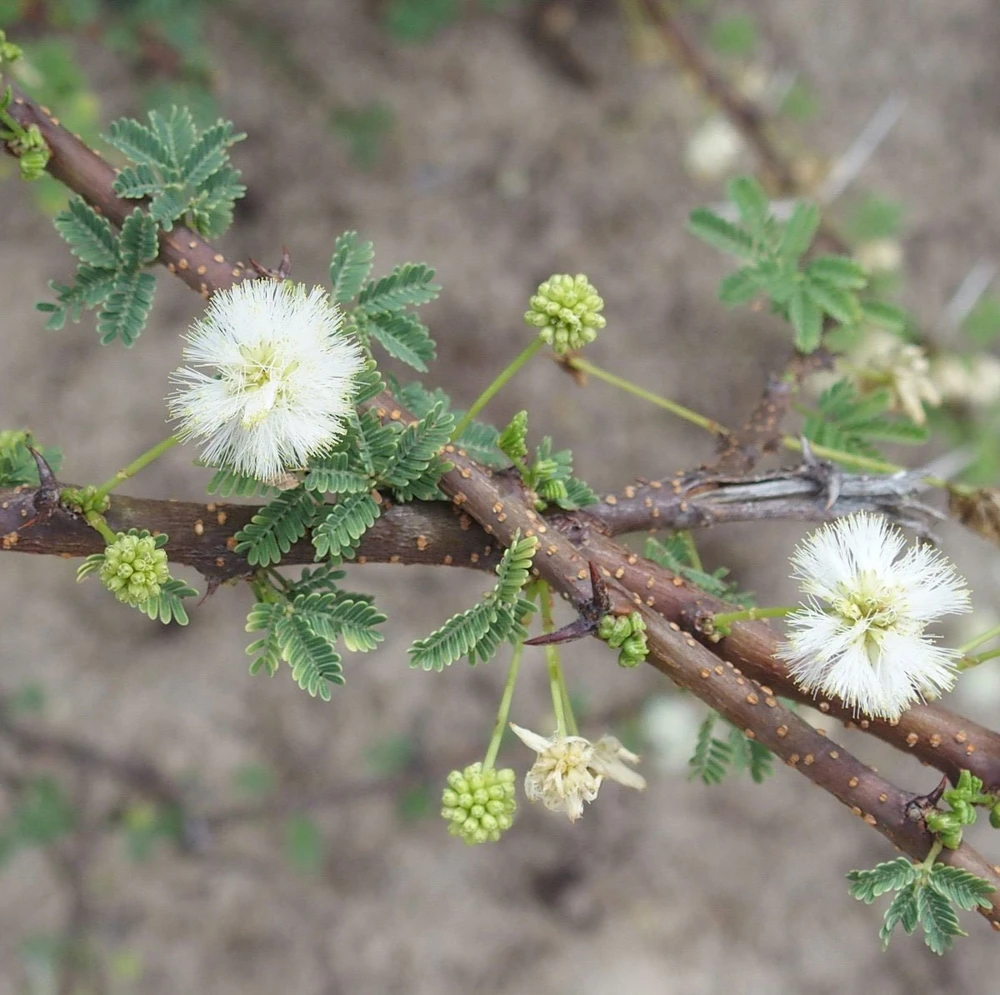
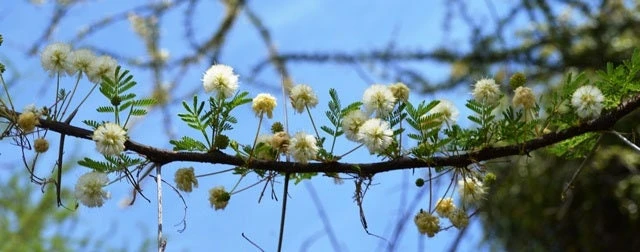
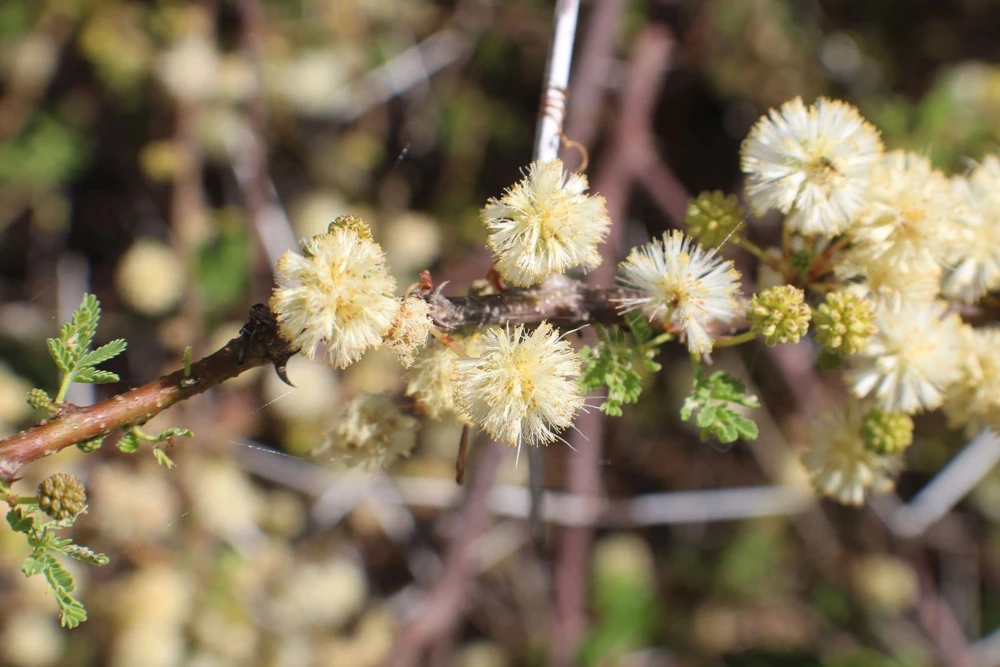
Cultivate the distinctive Acacia planifrons seeds, also known as the Umbrella Thorn Tree, a unique shrub perfect for arid landscapes. These desert tree seeds grow into a beautiful tree with white and yellow flowers, providing habitat for various moths and butterflies.
Estimated arrival
Nov 26
Dec 01 - Dec 03
Dec 03 - Dec 08
See our Shipping Policy.
Get in touch with us via email, and our team will review your concerns.
Our Alive & Thrive Guarantee covers issues with your plants within the first 30 days. Read our Refund & Returns Policy.
-
USDA Hardiness Zone
USDA Zones 9-11 -
Soil Type
Well-draining sandy or loamy soil -
Sunlight Exposure
Full sun (6-8+ hours direct sunlight) -
Expected Planting Period
Spring to early summer
Overview
Embark on a rewarding gardening journey with Acacia planifrons seeds, allowing you to cultivate the remarkable Umbrella Thorn Tree right in your own garden. This unique and resilient shrub, native to arid regions, is celebrated for its distinctive umbrella-shaped canopy and its crucial role in supporting local ecosystems. Growing up to 20 feet high, the Acacia planifrons boasts charming white and yellow flowers, adding a touch of serene beauty to any landscape. These seeds offer a fantastic opportunity to introduce a drought-tolerant and visually appealing plant that thrives in challenging conditions, making it an excellent choice for xeriscaping or creating a natural, low-maintenance environment.
The Umbrella Thorn Tree is not just a beautiful specimen; it’s also a powerhouse for biodiversity. Beyond its ornamental value, the tree is traditionally used for lumber and fuel in its native habitats, highlighting its versatility. For nature enthusiasts, these desert tree seeds are particularly appealing as the resulting trees serve as vital larval host plants for several fascinating moth species, including the Forbes Silkmoth, Sphingicampa albolineata, Chinati sheepmoth, and Lebeaus rothschildia moth. Furthermore, they are essential hosts for various butterfly species like the Mexican Yellow, Common Lascar, Outis Skipper, and provide food for the Gray Ministreak butterfly, making Acacia planifrons for butterflies an invaluable addition to any pollinator or wildlife garden.
Key Benefits
Growing Acacia planifrons seeds offers a multitude of benefits, from enhancing your landscape’s aesthetic appeal to supporting local wildlife. These trees are not only visually striking but also incredibly resilient and environmentally valuable. Here are some of the key advantages of cultivating the Umbrella Thorn Tree:
- Distinctive Ornamental Value: The unique, flat-topped, umbrella-like canopy of the Acacia planifrons provides an architectural focal point in any garden. Its delicate white and yellow flowers add a subtle splash of color, creating visual interest throughout the growing season. This tree’s unusual form makes it a standout specimen.
- Drought Tolerance & Low Maintenance: Hailing from arid regions, the Umbrella Thorn Tree is exceptionally drought-tolerant once established, requiring minimal watering. This makes it an ideal choice for water-wise gardening, xeriscaping, or for gardeners seeking a low-maintenance yet impactful plant.
- Supports Pollinators & Wildlife: A significant benefit of Acacia planifrons for butterflies and moths is its role as a larval host plant. It provides essential food and habitat for a variety of species, including several silkmoths and butterflies, making your garden a haven for beneficial insects.
- Soil Stabilization & Erosion Control: As a robust tree, the Acacia planifrons can help stabilize soil in sandy or degraded areas, preventing erosion. Its deep root system can contribute to the health and structure of your garden’s soil.
- Natural Shade Provider: The wide, spreading canopy of a mature Umbrella Thorn Tree offers excellent natural shade, which can be a welcome feature in hot climates, creating cooler microclimates for other plants or comfortable resting spots.
- Versatile Landscape Use: Whether planted as a solitary specimen, in groups for a naturalized look, or as part of a desert-themed garden, these desert tree seeds offer great versatility. They can create a unique backdrop or a striking focal point.
- Educational Opportunity: Growing these seeds provides an excellent educational opportunity to observe the life cycles of moths and butterflies that depend on the Acacia planifrons, fostering an appreciation for nature and ecological interdependence.
Plant Care & Growing Tips
Cultivating Acacia planifrons seeds into a thriving Umbrella Thorn Tree requires attention to specific environmental conditions, particularly mimicking its native arid habitat. These trees are known for their resilience, but providing the right start ensures robust growth. When considering how to grow Acacia planifrons, remember that proper sunlight is paramount. This tree thrives in full sun, requiring at least 6-8 hours of direct sunlight per day. Choose a location in your garden that receives ample sun exposure throughout the day, and avoid shaded areas where growth may be stunted. For indoor seed starting, ensure a bright, south-facing window or use grow lights to provide sufficient intensity.
The Acacia planifrons prefers well-draining soil and is not tolerant of waterlogged conditions. A sandy or loamy soil mix is ideal, mimicking the soil composition of its native desert environments. If your garden soil is heavy clay, amend it with sand, perlite, or organic matter to improve drainage. Watering should be consistent but moderate during the establishment phase, allowing the soil to dry out completely between waterings. Once established, the Umbrella Thorn Tree is highly drought-tolerant and will require minimal supplemental irrigation, especially in regions with natural rainfall. Fertilization is generally not heavily required; however, a balanced, slow-release fertilizer can be applied sparingly in spring to encourage healthy growth, especially for young plants. Always ensure to water thoroughly after fertilizing to prevent root burn.
These desert tree seeds are best suited for USDA Hardiness Zones 9 to 11, indicating their preference for warmer climates and their susceptibility to frost. If you live in a cooler zone, you may need to grow them in large containers that can be moved indoors during winter or treat them as annuals. Pruning is typically minimal, focusing on removing dead, damaged, or crossing branches to maintain the tree’s distinctive shape and overall health. Watch out for common pests like aphids or spider mites, especially on young plants, and treat with organic insecticidal soap if necessary. By providing these optimal conditions, you will successfully grow Acacia planifrons and enjoy its unique beauty and ecological benefits for years to come.
Size & Details
These Acacia planifrons seeds are collected from mature, healthy Umbrella Thorn Tree specimens, ensuring viability and genetic integrity. Each packet contains 10 seeds, providing ample opportunity to start your cultivation project. Once germinated and established, the Umbrella Thorn Tree typically grows to an impressive height of about 20 feet, with a broad, spreading canopy that gives it its characteristic umbrella shape. The growth rate is moderate, allowing you to observe its development over several seasons. The tree will develop distinctive white and yellow flowers, usually appearing in spring or early summer, which are followed by seed pods.
The seeds are shipped in a protective packet to maintain their quality. While the initial growth from seed will be slow, with proper care, young seedlings will quickly establish. Expect to see the characteristic thorny branches and feathery foliage developing as the plant matures. This tree is best suited for outdoor planting in its specified USDA Hardiness Zones, where it can reach its full potential in terms of size and ecological contribution. The mature trees provide valuable resources, including being a larval host for various moths and butterflies, making Acacia planifrons for butterflies a true asset to any wildlife garden.
Frequently Asked Questions
- Q: How big does the Umbrella Thorn Tree get? A: The Acacia planifrons typically grows to about 20 feet tall with a wide, spreading canopy, giving it its distinctive umbrella shape. Its mature size makes it a significant landscape feature.
- Q: What are the ideal growing conditions for these desert tree seeds? A: These desert tree seeds thrive in full sun, requiring at least 6-8 hours of direct sunlight daily. They prefer well-draining, sandy or loamy soil and are highly drought-tolerant once established.
- Q: Is this plant suitable for beginners? A: Yes, once established, the Acacia planifrons is relatively low-maintenance due to its drought tolerance. Starting from Acacia planifrons seeds requires some patience and attention to germination, but the mature plant is quite resilient.
- Q: What condition will the seeds arrive in? A: The Acacia planifrons seeds will arrive in a protective packet, ensuring their quality and readiness for planting. We recommend following specific germination instructions for best results.
- Q: Can I grow Acacia planifrons for butterflies? A: Absolutely! The Acacia planifrons is an excellent choice for butterfly and moth gardens as it serves as a vital larval host plant for several species, including the Mexican Yellow butterfly and various silkmoths.
- Q: When is the best time to plant Acacia planifrons seeds? A: The best time to plant these seeds is typically in spring after the last frost, or in early summer, allowing the young seedlings ample time to establish before cooler weather.
- Q: Will the Umbrella Thorn Tree survive winter in my zone? A: The Umbrella Thorn Tree is hardy in USDA Zones 9 to 11. If you live in a colder zone, it’s best to grow it in a container that can be moved indoors during winter or provide significant winter protection.
- Q: Do these seeds require any special treatment before planting? A: Many acacia seeds benefit from scarification (lightly scratching the seed coat) and stratification (a period of cold or warm moist dormancy) to aid germination. Specific instructions will generally be included or can be easily found for Acacia planifrons seeds.
- Q: What kind of flowers does the Acacia planifrons have? A: The Umbrella Thorn Tree produces charming white and yellow flowers, which are typically small but numerous, adding a soft visual appeal to the tree.
- Q: Is this tree suitable for xeriscaping? A: Yes, due to its exceptional drought tolerance and preference for arid conditions, the Acacia planifrons is an ideal choice for xeriscaping and water-wise garden designs.
Be the first to review “Acacia planifrons Seeds – Umbrella Thorn Tree Seeds – 10 Seeds – Outdoor”
Related products


You May Like

How to Grow Passion Flower (Passiflora) for Tropical Blooms
Few climbing vines in the home garden command attention quite like the exotic Passion Flower (Passiflora). [...]
Nov

Thanksgiving Cactus Care: How to Get Thanksgiving Cactus to Bloom
Is your Thanksgiving cactus growing well but not giving you any flowers? Maybe it looked [...]
Nov

How to Grow Garlic for a Bountiful Home Harvest
Garlic (Allium sativum) is one of the most satisfying, low-maintenance, and flavor-packed crops you can [...]
Oct

Hardneck vs. Softneck Garlic: Which Should You Grow?
Have you ever stood in front of a seed catalog in mid-September, staring at dozens [...]
1 Comment
Oct

When to Plant Music Garlic: Ultimate US Fall Guide
Have you ever spent your fall weekend placing carefully chosen garlic cloves into rich, dark [...]
1 Comment
Oct

5 Best Bulbs for Fall Planting: Brighten Your Garden This Spring
Are you dreaming of a garden full of vibrant colors in the spring? The key [...]
Aug

10 Houseplants That Will Thrive in Your Kitchen
Are you tired of your kitchen feeling dull and lifeless? Want to add a little [...]
1 Comment
Aug
Reviews
There are no reviews yet.