
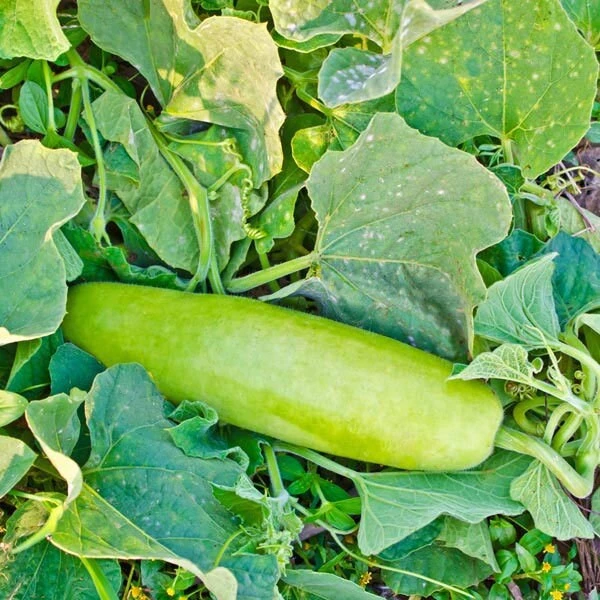
Birdhouse Gourd Seeds – Lagenaria siceraria – 10 Seeds – Grow Your Own Crafts
Original price was: 48.91 $.19.91 $Current price is: 19.91 $.
Cultivate unique, hard-shelled gourds with these birdhouse gourd seeds. Perfect for crafting birdhouses, containers, or musical instruments, these versatile Lagenaria siceraria seeds also produce edible young fruits and leaves. Easy to grow annuals for various uses.
Estimated arrival
Nov 27
Dec 02 - Dec 04
Dec 04 - Dec 09
See our Shipping Policy.
Get in touch with us via email, and our team will review your concerns.
Our Alive & Thrive Guarantee covers issues with your plants within the first 30 days. Read our Refund & Returns Policy.
-
USDA Hardiness Zone
All USDA Hardiness Zones (as annual) -
Soil Type
Well-draining, fertile soil rich in organic matter -
Sunlight Exposure
Full sun (6-8+ hours direct light) -
Expected Planting Period
Spring, after last frost
Overview
Embark on a fascinating gardening journey with these versatile birdhouse gourd seeds. Also known by its botanical name Lagenaria siceraria seeds, this plant offers a dual purpose for both culinary and crafting enthusiasts. The hard-shelled gourd, often referred to as bottle gourd, white-flowered gourd, or Calabash Corsican, is an annual vine that produces distinctive fruits. When harvested young, the fruits are a delicious vegetable, while mature gourds can be dried and used to create functional and decorative items like birdhouses, bowls, or even musical instruments. Historically significant, bottle gourds have been cultivated for millennia, with archaeological finds dating back to 9,000 B.C., underscoring their enduring utility and appeal. Growing these seeds provides a rewarding experience, yielding both edible produce and unique natural materials for creative projects.
These birdhouse gourd seeds are an excellent choice for gardeners looking for a plant with both ornamental and practical applications. The vigorous vines are relatively easy to grow and adapt to a wide range of climates, making them accessible for many home gardeners across the United States. Whether you’re aiming to harvest tender young gourds for your kitchen or planning to dry the mature fruits for crafting, these seeds offer an exciting opportunity to connect with an ancient and versatile plant. Experience the joy of growing your own crafting materials and fresh, homegrown vegetables with this exceptional variety.
Key Benefits
Growing birdhouse gourd seeds in your garden offers a multitude of advantages, from providing unique crafting materials to supplying nutritious food. This plant is a fantastic addition for anyone seeking both aesthetic appeal and practical uses from their garden.
- Versatile Use: These gourds are incredibly versatile. You can harvest the fruits young for a tender, edible vegetable, or allow them to mature and dry into hard shells perfect for crafting birdhouses, containers, or even musical instruments. The young leaves and shoots are also edible.
- Engaging Crafting Material: The mature, dried gourds provide a natural, sustainable material for various craft projects. They can be painted, carved, or embellished, offering endless creative possibilities for unique home decor or gifts. Cultivating your own calabash corsican seeds means a steady supply of these artistic mediums.
- Nutritional Value: Beyond crafting, the young fruits, leaves, and shoots of the Lagenaria siceraria are edible and nutritious. The seeds can also be cooked, pressed for oil, or even used to make a tofu-like curd, adding diverse culinary options to your diet.
- Historical Significance: With a history spanning thousands of years, growing these gourds connects you to ancient agricultural practices and cultures. It’s a living piece of history right in your backyard.
- Easy to Grow: As an annual plant, the birdhouse gourd seeds are relatively easy to cultivate, thriving in most USDA Hardiness Zones. They are vigorous growers, providing a bountiful harvest with proper care and attention.
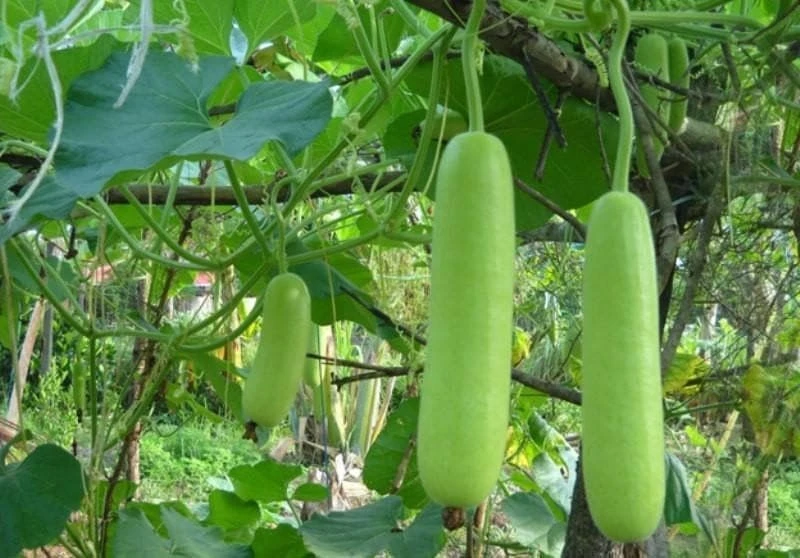
- Attractive Vine Growth: The robust vines with their large leaves and white flowers can add a lush, tropical aesthetic to your garden, especially when grown on trellises or supports.
- Supports Local Wildlife: By crafting birdhouses from your homegrown gourds, you can provide natural habitats for local bird species, enhancing biodiversity in your garden.
Plant Care & Growing Tips
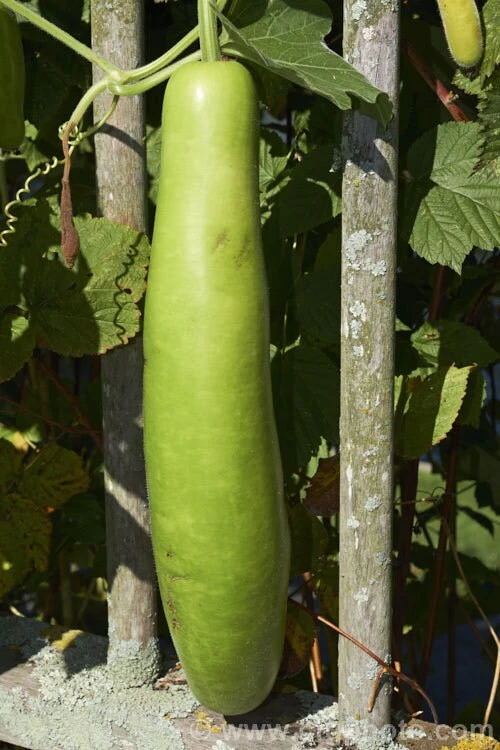
Cultivating birdhouse gourd seeds successfully requires attention to a few key environmental factors and consistent care. These annual vines are vigorous growers and, with the right conditions, will produce an abundant harvest. Start your seeds indoors 3-4 weeks before the last frost date in your area, or sow directly outdoors once all danger of frost has passed and soil temperatures have warmed. Plant seeds about 1 inch deep and 3-4 feet apart in rows, or in hills of 3-4 seeds, with hills spaced 6-8 feet apart. Providing a strong trellis or support structure is highly recommended, as the vines can grow quite long and the heavy gourds will need support.
Sunlight requirements for Lagenaria siceraria are full sun, meaning at least 6-8 hours of direct sunlight per day. Adequate sunlight is crucial for fruit development and overall plant health. Watering should be consistent and generous, especially during dry periods and when fruits are developing. Aim for deep watering at the base of the plant to encourage strong root growth, keeping the soil consistently moist but not waterlogged. Soil type is best when well-draining, fertile, and rich in organic matter. A slightly acidic to neutral pH (6.0-7.0) is ideal. Amend heavy clay soils with compost or well-rotted manure to improve drainage and fertility. For fertilization, a balanced organic fertilizer can be applied when the plants begin to vine and again when fruits start to set. Over-fertilizing with nitrogen can lead to excessive leaf growth at the expense of fruit production. Monitor for common pests like squash bugs and cucumber beetles, and address them with organic pest control methods if necessary. Ensure good air circulation to prevent fungal diseases, especially in humid conditions.
Size & Details
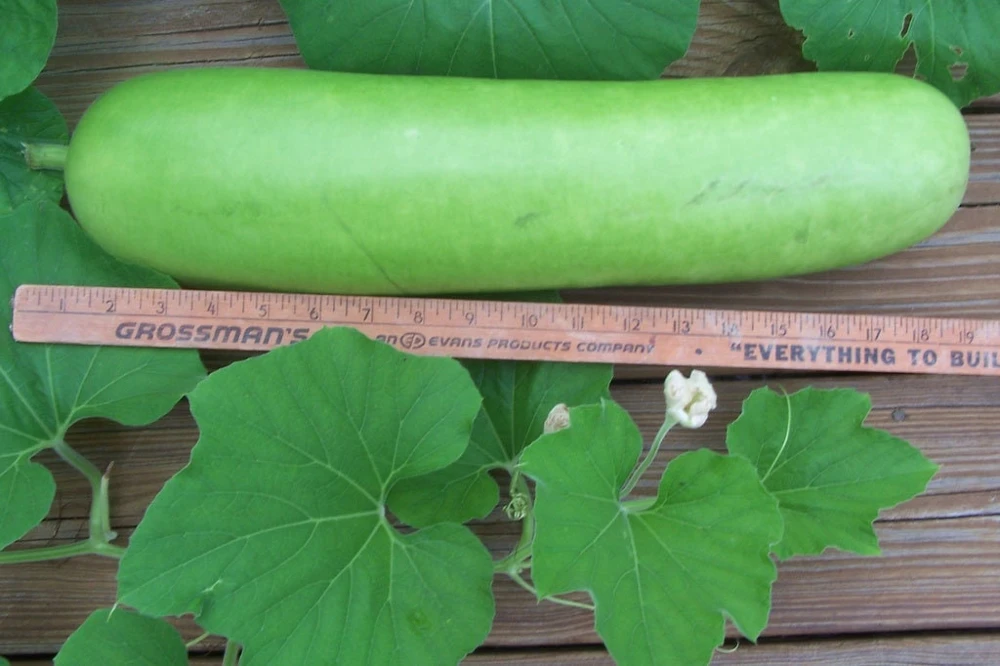
These birdhouse gourd seeds will grow into robust annual vines that can reach lengths of 15-25 feet or more, especially when provided with ample space and vertical support. The fruits themselves vary significantly in size and shape depending on the variety and growing conditions, but typically range from 6 inches to over 2 feet in length, with some varieties producing a distinct “birdhouse” shape. The gourds can be harvested young for culinary use within 60-80 days of planting, or allowed to mature on the vine for 100-120 days for crafting purposes. The dried gourds develop a hard, woody shell, ideal for carving, painting, and creating durable items.
Each packet contains 10 birdhouse gourd seeds, providing enough to start a substantial crop. These seeds are suitable for growing across all USDA Hardiness Zones as an annual. For best results, allow the gourds to fully mature and dry on the vine until the stems turn brown and brittle and the gourds feel light, then harvest before heavy frosts. Store seeds in a cool, dry place for optimal viability. This variety of lagenaria siceraria seeds ensures a rewarding harvest for both culinary and crafting endeavors.
Frequently Asked Questions
- Q: How big do these birdhouse gourds get? A: The size of these gourds can vary significantly, but they typically range from 6 inches to over 2 feet in length when fully mature. The specific shape and size depend on the individual plant and growing conditions.
- Q: Is this an indoor or outdoor plant? A: These are primarily outdoor plants. Birdhouse gourd seeds grow into large, vigorous vines that require ample space and full sun to thrive and produce fruit. They are grown as annuals in all USDA Hardiness Zones.
- Q: How much sunlight does it need? A: Lagenaria siceraria requires full sun exposure, meaning at least 6-8 hours of direct sunlight per day. Ample sunlight is crucial for healthy growth and robust fruit development.
- Q: Is this plant easy to care for? A: While vigorous, these gourds are relatively easy to care for, making them suitable for gardeners of various skill levels. Consistent watering, good soil, and a support structure are key to success with how to grow gourds.
- Q: What condition will the seeds arrive in? A: The birdhouse gourd seeds will arrive in a protective packet, ensuring they are dry and ready for planting. They are carefully packaged to maintain viability during transit.
- Q: When is the best time to plant these seeds? A: The best time to plant these seeds is after the last danger of frost has passed in your area and the soil has warmed up. You can also start them indoors 3-4 weeks prior to transplanting.
- Q: Can I eat the gourds? A: Yes, the young fruits of the birdhouse gourd are edible and can be cooked and eaten as a vegetable. The young leaves and shoots are also edible, and the seeds can be used for oil or made into a curd.
- Q: Do these gourds need a trellis? A: Yes, it is highly recommended to provide a strong trellis or other support structure for these vigorous vines. This keeps the fruits off the ground, promoting better air circulation and preventing rot, and also saves space.
- Q: What kind of soil do these lagenaria siceraria seeds prefer? A: They prefer well-draining, fertile soil rich in organic matter. A soil pH between 6.0 and 7.0 is ideal for optimal growth and fruit production.
- Q: Will these gourds attract birds? A: While the plant itself doesn’t directly attract birds more than other garden plants, the mature, dried gourds can be crafted into functional birdhouses, which will certainly attract and provide shelter for birds. This is a primary use for calabash corsican seeds.
Be the first to review “Birdhouse Gourd Seeds – Lagenaria siceraria – 10 Seeds – Grow Your Own Crafts”
Related products


Vegetable Seeds
Tendercrisp Celery Seeds – 1000 Count Vegetable Seeds for Garden


Vegetable Seeds
Job’s Tears Seeds – Coix Lacryma Vegetable Seeds – 20 Count for Edible & Decorative Use


Vegetable Seeds
250 Barese Swiss Chard Seeds – Perpetual Spinach Beta Vulgaris Vegetable Seeds for Garden


You May Like

How to Grow Passion Flower (Passiflora) for Tropical Blooms
Few climbing vines in the home garden command attention quite like the exotic Passion Flower (Passiflora). [...]
Nov

Thanksgiving Cactus Care: How to Get Thanksgiving Cactus to Bloom
Is your Thanksgiving cactus growing well but not giving you any flowers? Maybe it looked [...]
Nov

How to Grow Garlic for a Bountiful Home Harvest
Garlic (Allium sativum) is one of the most satisfying, low-maintenance, and flavor-packed crops you can [...]
Oct

Hardneck vs. Softneck Garlic: Which Should You Grow?
Have you ever stood in front of a seed catalog in mid-September, staring at dozens [...]
1 Comment
Oct

When to Plant Music Garlic: Ultimate US Fall Guide
Have you ever spent your fall weekend placing carefully chosen garlic cloves into rich, dark [...]
1 Comment
Oct

5 Best Bulbs for Fall Planting: Brighten Your Garden This Spring
Are you dreaming of a garden full of vibrant colors in the spring? The key [...]
Aug

10 Houseplants That Will Thrive in Your Kitchen
Are you tired of your kitchen feeling dull and lifeless? Want to add a little [...]
1 Comment
Aug
Reviews
There are no reviews yet.