
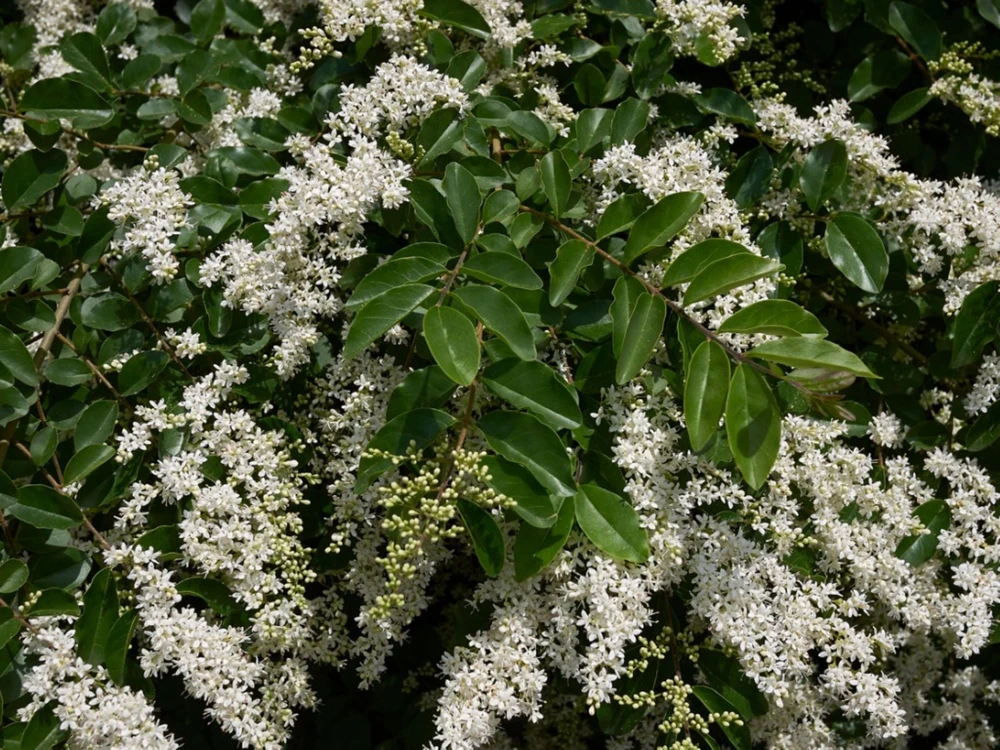
Common Privet Seeds – Ligustrum vulgare – European Wild Privet – 100 Seeds
Original price was: 48.91 $.19.91 $Current price is: 19.91 $.
Cultivate a versatile landscape with our common privet seeds. Each pack contains 100 seeds of Ligustrum vulgare seeds, also known as European Wild Privet. Perfect for creating dense hedges, attracting wildlife, or exploring natural dye-making. Thrives in USDA Hardiness Zones 7-10.
Estimated arrival
Nov 27
Dec 02 - Dec 04
Dec 04 - Dec 09
See our Shipping Policy.
Get in touch with us via email, and our team will review your concerns.
Our Alive & Thrive Guarantee covers issues with your plants within the first 30 days. Read our Refund & Returns Policy.
-
USDA Hardiness Zone
USDA Zones 7-10 -
Soil Type
Well-draining soil -
Sunlight Exposure
Full sun to partial shade -
Expected Planting Period
Spring or Fall
Overview
Embark on a rewarding gardening journey with our premium common privet seeds, botanically known as Ligustrum vulgare seeds. These high-quality seeds offer you the opportunity to grow the robust and adaptable Common Privet, a plant renowned for its dense foliage, fragrant white blossoms, and numerous practical uses. Originating from Europe, this deciduous to semi-evergreen shrub is a popular choice for creating natural privacy screens, windbreaks, and formal hedges. The plant’s rapid growth and tolerance to various conditions make it an excellent addition to almost any garden or landscape project. Whether you’re a seasoned gardener or a curious beginner, growing European privet seeds provides a fulfilling experience, culminating in a beautiful and beneficial plant that enhances your outdoor space.
The Common Privet is more than just a hedge plant; it’s a versatile species with ecological and historical significance. Its ability to thrive in a range of environments makes it a resilient choice for diverse climates. With these 100 seeds, you can establish a significant planting of this valuable shrub, enjoying its seasonal changes and the benefits it brings to local wildlife. From its spring blossoms to its dark berries, the Common Privet offers continuous interest throughout the year.
Key Benefits
Growing common privet seeds offers a multitude of advantages for your garden and beyond. This adaptable shrub provides both aesthetic appeal and practical utility, making it a valuable addition to many landscapes.
- Excellent for Hedges and Privacy: The dense growth habit of the Common Privet makes it an ideal candidate for creating lush, green hedges that offer privacy and act as effective windbreaks. Its ability to be easily pruned allows for shaping into formal or informal barriers.
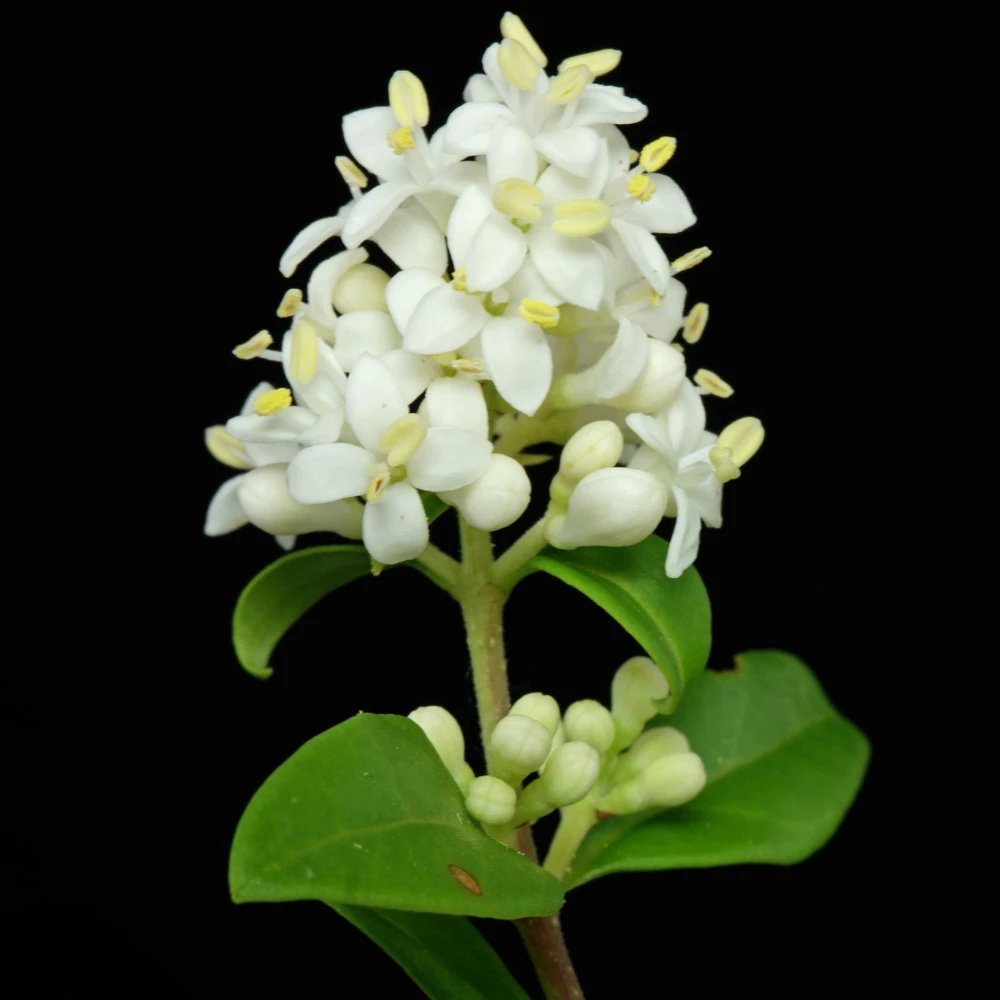
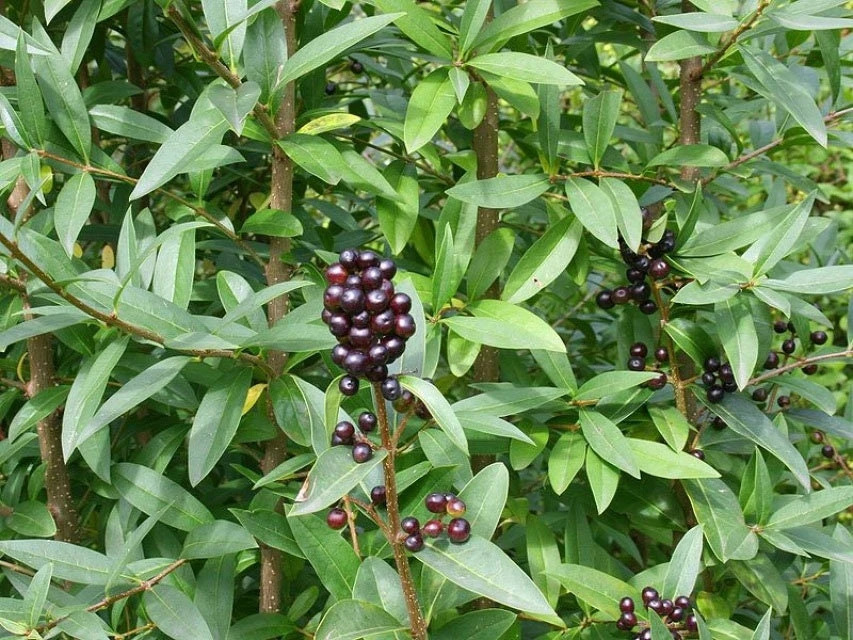
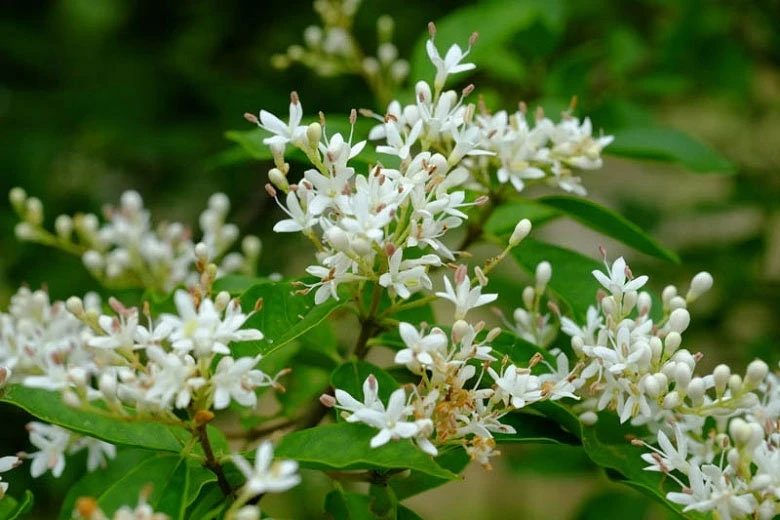
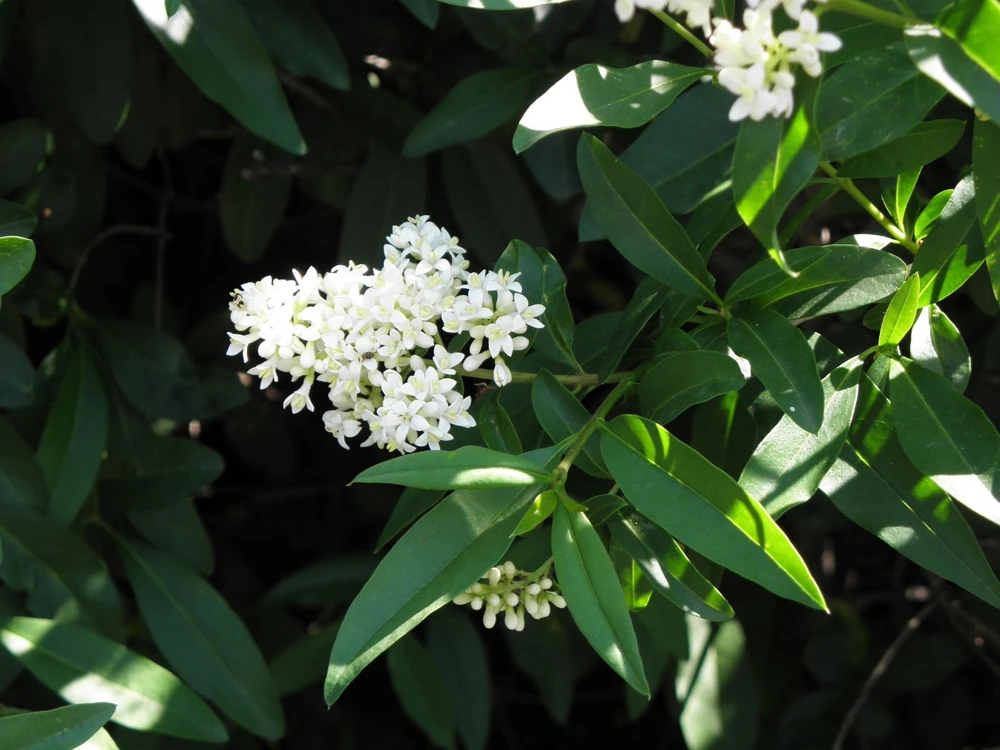
- Attracts Wildlife: The fragrant white flowers of the Ligustrum vulgare seeds attract pollinators like bees and butterflies, while the dark berries provide a valuable food source for various bird species, enhancing biodiversity in your garden.
- Natural Dye Source: Historically, different parts of the Common Privet have been used to produce natural dyes. The leaves and bark can yield a yellow dye, while the berries produce a high-quality green-blue, and even a black dye or ink, offering a unique craft opportunity.
- Durable Wood for Crafts: The wood of the Common Privet is known for its quality and durability. Larger branches can be used for woodworking projects, while smaller branches are excellent for basketry and crafting tool handles. It’s also a good source for making charcoal.
- Larval Host Plant: This plant serves as a crucial larval host for several sphinx moths, including the Laurel sphinx, Great ash sphinx, and Waved sphinx moths, supporting local insect populations and the food chain.
- Fragrant Blossoms: Enjoy the pleasant, sweet fragrance of the white blossoms that appear throughout much of the year, adding an aromatic dimension to your garden space.
- Adaptable and Resilient:European privet seeds grow into a shrub that tolerates a wide range of soil conditions and can adapt to both full sun and partial shade, making it a resilient choice for various garden settings.
Plant Care & Growing Tips
Successfully cultivating common privet seeds into thriving shrubs requires attention to a few key care guidelines. These plants are relatively low-maintenance once established, but proper initial care will ensure robust growth. For optimal results, plant your Ligustrum vulgare seeds in a location that receives full sun to partial shade. Full sun (6+ hours of direct sunlight daily) will promote denser growth and more abundant flowering, while partial shade (2-6 hours of direct sunlight) is also tolerated, though growth may be less vigorous. This shrub is adaptable to a variety of soil types, but it prefers well-draining soil with a neutral to slightly alkaline pH. Avoid heavy, waterlogged soils, as this can lead to root rot. If your soil is heavy clay, amend it with organic matter like compost to improve drainage.
Watering is crucial during the establishment phase. Keep the soil consistently moist but not saturated after planting your wild privet seeds. Once established, Common Privet is fairly drought-tolerant, but regular watering during prolonged dry spells will benefit its health and appearance. Fertilize annually in early spring with a balanced, slow-release granular fertilizer to support healthy growth. Pruning is essential for shaping hedges and maintaining desired size. The best time to prune is in late winter or early spring before new growth emerges, or after flowering to encourage dense foliage. Privet hedge seeds will produce plants that can reach up to 15 feet high if left untrimmed, so regular pruning is key for managing its size. Common Privet is generally hardy in USDA Hardiness Zones 7 to 10, meaning it can withstand winter temperatures down to 0°F (-18°C). Protect young plants from severe frosts in the lower end of their hardiness range. Watch out for common pests like aphids and spider mites, which can be managed with insecticidal soap, and fungal diseases, which are less common but can occur in overly wet conditions.
Size & Details
Our offering includes 100 seeds of Ligustrum vulgare seeds, ready for planting. When mature, the Common Privet typically grows as a dense shrub, reaching heights of up to 15 feet and a similar spread if left unpruned. With regular trimming, it can be maintained at a desired height and width, making it highly versatile for various landscape designs. The growth rate is moderate to fast, allowing for the establishment of a significant hedge within a few years. The seeds are intended to be sown in spring or fall, with germination typically occurring within several weeks under ideal conditions. Plants grown from these European privet seeds will begin to show their characteristic white, fragrant blossoms usually within 2-3 years after planting, followed by the development of dark berries. The seeds are shipped in a protective packet to ensure viability.
Frequently Asked Questions
- Q: How big does Common Privet get if not pruned? A: If left untrimmed, Common Privet can reach heights of up to 15 feet with a similar spread, forming a large, dense shrub. Regular pruning is recommended to maintain a desired size and shape, especially for hedges.
- Q: How much sunlight do common privet seeds need to grow? A: Common Privet thrives in full sun (at least 6 hours of direct sunlight daily) but can also tolerate partial shade (2-6 hours of direct sunlight). More sun generally leads to denser foliage and more blooms.
- Q: Is this plant easy to care for? A: Yes, Common Privet is generally considered an easy-to-care-for plant. It is adaptable to various soil types and can tolerate some drought once established, making it suitable for beginners and experienced gardeners alike.
- Q: What condition will the Ligustrum vulgare seeds arrive in? A: The 100 seeds will arrive securely packaged in a protective packet, ensuring their viability and readiness for planting upon arrival. We take care to ensure the quality of our wild privet seeds.
- Q: Can I use Common Privet for natural dyes? A: Absolutely! The leaves and bark of the Common Privet can produce a yellow dye, while the berries yield a high-quality green-blue, and even a black dye or ink, offering a unique opportunity for crafting.
- Q: When is the best time to plant European privet seeds? A: The best times to plant European privet seeds are in the spring after the last frost, or in the fall before the ground freezes. This allows the seeds ample time to germinate and establish before extreme weather.
- Q: What USDA Hardiness Zones is Common Privet suitable for? A: Common Privet is hardy in USDA Hardiness Zones 7 to 10. This means it can tolerate winter temperatures down to 0°F (-18°C), making it a suitable choice for a wide range of climates.
- Q: How long does it take for privet hedge seeds to germinate? A: Germination times can vary, but typically, privet hedge seeds will sprout within several weeks to a few months after planting, provided optimal soil moisture and temperature conditions are met.
- Q: Is Common Privet good for attracting wildlife? A: Yes, the fragrant white flowers attract pollinators such as bees and butterflies, and the dark berries are a food source for various bird species, making it beneficial for local wildlife.
- Q: What kind of soil does Common Privet prefer? A: Common Privet prefers well-draining soil with a neutral to slightly alkaline pH. It is quite adaptable but will struggle in heavy, waterlogged clay soils. Amending with organic matter can improve soil structure.
Be the first to review “Common Privet Seeds – Ligustrum vulgare – European Wild Privet – 100 Seeds”
Related products


You May Like

How to Grow Passion Flower (Passiflora) for Tropical Blooms
Few climbing vines in the home garden command attention quite like the exotic Passion Flower (Passiflora). [...]
Nov

Thanksgiving Cactus Care: How to Get Thanksgiving Cactus to Bloom
Is your Thanksgiving cactus growing well but not giving you any flowers? Maybe it looked [...]
Nov

How to Grow Garlic for a Bountiful Home Harvest
Garlic (Allium sativum) is one of the most satisfying, low-maintenance, and flavor-packed crops you can [...]
Oct

Hardneck vs. Softneck Garlic: Which Should You Grow?
Have you ever stood in front of a seed catalog in mid-September, staring at dozens [...]
1 Comment
Oct

When to Plant Music Garlic: Ultimate US Fall Guide
Have you ever spent your fall weekend placing carefully chosen garlic cloves into rich, dark [...]
1 Comment
Oct

5 Best Bulbs for Fall Planting: Brighten Your Garden This Spring
Are you dreaming of a garden full of vibrant colors in the spring? The key [...]
Aug

10 Houseplants That Will Thrive in Your Kitchen
Are you tired of your kitchen feeling dull and lifeless? Want to add a little [...]
1 Comment
Aug
Reviews
There are no reviews yet.