
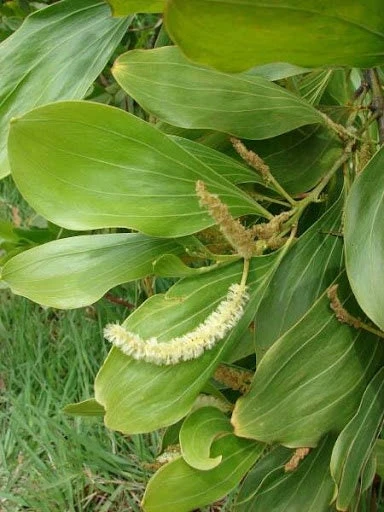
Acacia Mangium Seeds – Black Wattle, Hickory Wattle, Forest Mangrove – 20 Seeds
Original price was: 48.91 $.19.91 $Current price is: 19.91 $.
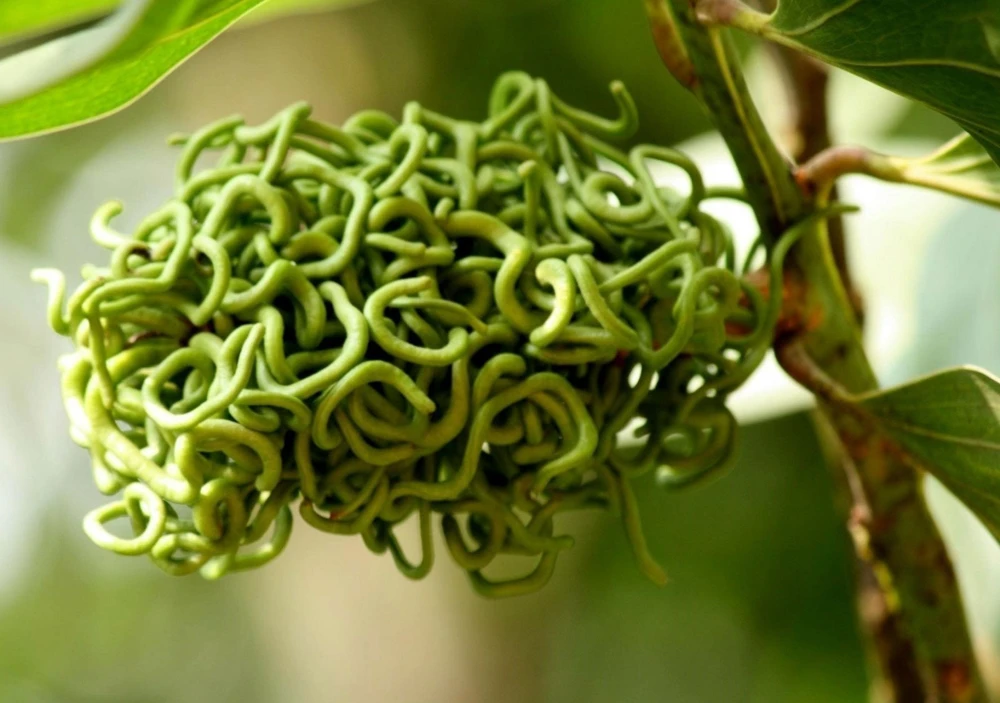
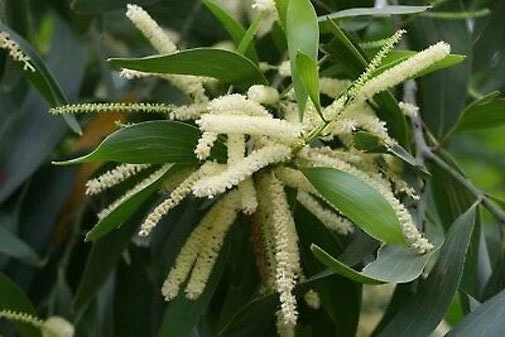
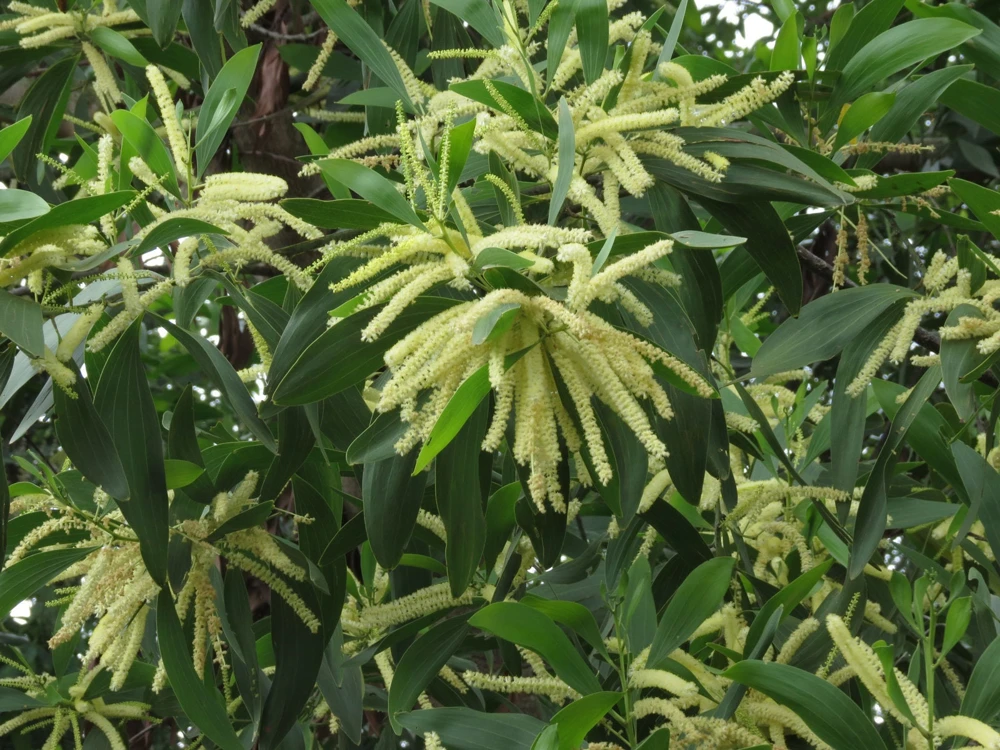
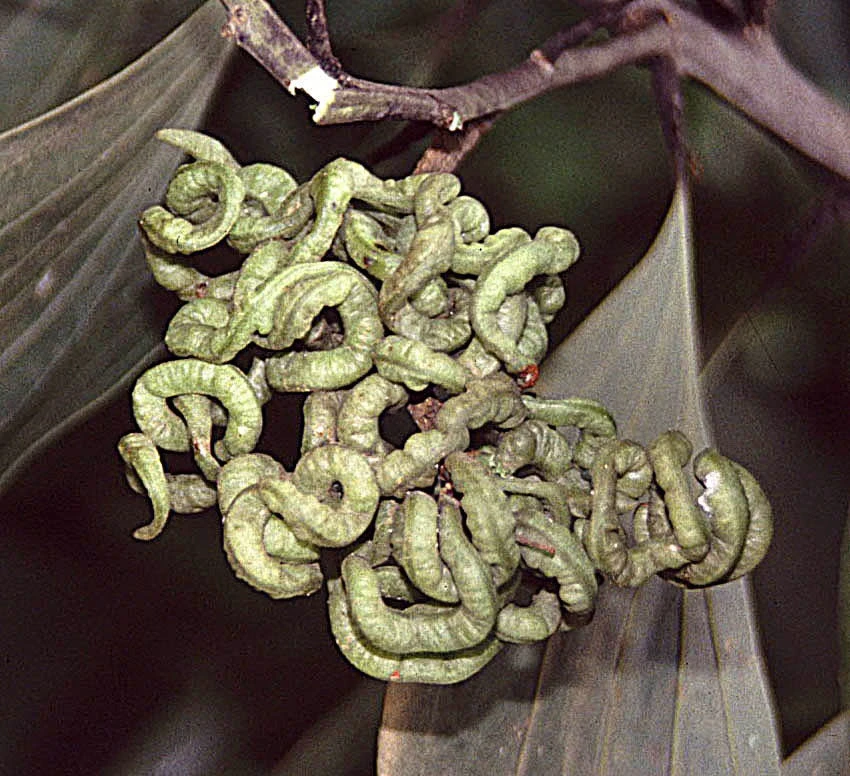
Cultivate the versatile Acacia Mangium seeds, also known as Black Wattle seeds or Forest Mangrove. This pack contains 20 premium seeds to grow a robust tree known for its strong wood, attractive white blossoms, and as a vital host plant for various moths and butterflies. Ideal for warmer climates.
Estimated arrival
Nov 28
Dec 03 - Dec 05
Dec 05 - Dec 10
See our Shipping Policy.
Get in touch with us via email, and our team will review your concerns.
Our Alive & Thrive Guarantee covers issues with your plants within the first 30 days. Read our Refund & Returns Policy.
-
USDA Hardiness Zone
10-12 -
Soil Type
Well-draining sandy loam -
Sunlight Exposure
Full sun -
Expected Planting Period
Year-round in tropical climates, spring in subtropical climates
Overview
Embark on the rewarding journey of growing a magnificent tropical tree with our premium Acacia Mangium seeds. This pack contains 20 viable seeds of Acacia mangium, a fast-growing, medium-sized tree native to Australia, Indonesia, and Papua New Guinea. Commonly known as Black Wattle, Hickory Wattle, Mangium, and Forest Mangrove, this species is highly valued for its rapid growth, robust timber, and ecological benefits. Whether you’re looking to cultivate a strong wood source, enhance local biodiversity, or simply enjoy its attractive white blossoms, these seeds provide an excellent starting point for your botanical endeavors. The resulting trees are not only aesthetically pleasing but also contribute significantly to the ecosystem, making them a fantastic choice for sustainable gardening and reforestation projects.
Our Acacia Mangium seeds are carefully selected to ensure high germination rates, providing you with the best chance to establish healthy, thriving trees. This species is known for its adaptability and resilience, making it a favorite among horticulturists and environmental enthusiasts. Growing Acacia Mangium from seed allows you to witness the full life cycle of this remarkable tree, from a tiny sprout to a towering specimen. It’s an educational and fulfilling experience for gardeners of all levels interested in tropical and subtropical flora.
Key Benefits
The Acacia Mangium tree offers a multitude of benefits, making it a valuable addition to various landscapes and projects. From its ecological contributions to its practical uses, this tree is a true powerhouse.
- Ecological Support: Acacia trees, including Mangium, serve as crucial larval host plants for several species of moths and butterflies. These include the Forbes Silkmoth, Sphingicampa albolineata, Chinati sheepmoth, Lebeaus rothschildia moth, Mexican Yellow, Common Lascar, Outis Skipper butterflies, and provide food for the Gray Ministreak butterfly. Planting Acacia Mangium seeds directly supports local insect populations and biodiversity.
- Strong and Durable Wood: The timber produced by Acacia Mangium is renowned for being very strong, hard, and heavy. This makes it an excellent resource for construction, furniture making, and other woodworking applications, offering a sustainable alternative to traditional hardwoods.
- Pulp and Paper Production: Beyond solid timber, the wood from this tree is also highly suitable for producing pulp, making it a valuable species for the paper industry. Its rapid growth rate contributes to sustainable forestry practices.
- Attractive White Blossoms: During its flowering season, the Acacia Mangium tree produces attractive white blossoms that add beauty to any landscape. These flowers can also attract pollinators, further enhancing the ecological value of the tree.
- Fast Growth Rate: Known for its vigorous growth, Acacia Mangium quickly establishes itself, providing benefits like shade, erosion control, and biomass production in a relatively short period. This makes growing Acacia Mangium a rewarding experience for those seeking quick results.
- Adaptability: This species is quite adaptable to various soil types and can thrive in tropical and subtropical climates, making it suitable for a range of environments within its hardiness zones.
- Erosion Control: Its extensive root system helps to stabilize soil, making it an effective plant for erosion control in vulnerable areas.
Plant Care & Growing Tips
Successfully growing Acacia Mangium seeds requires attention to specific conditions to ensure robust growth. These seeds benefit from scarification and soaking before planting to break dormancy and encourage germination. Gently abrade the seed coat with sandpaper or nick it with a knife, then soak the seeds in warm water for 24-48 hours until they swell. Plant the pre-treated seeds about 1/4 to 1/2 inch deep in a well-draining seed-starting mix.
For optimal growth, Acacia Mangium thrives in full sun, requiring at least 6-8 hours of direct sunlight per day. While young seedlings appreciate consistent moisture, established trees are quite drought-tolerant. Ensure the soil is well-draining, as waterlogging can be detrimental. A sandy loam or loamy soil with a slightly acidic to neutral pH (6.0-7.0) is ideal. These trees are best suited for USDA Hardiness Zones 10 to 12, where they can be grown outdoors year-round. In cooler climates, they can be grown in large containers and moved indoors during winter, though their size may become a limiting factor. Fertilize young trees with a balanced, slow-release fertilizer to encourage strong development, reducing frequency as they mature. Watch out for common pests like aphids or scale insects, treating them with horticultural oil or insecticidal soap if necessary.
Size & Details
This product includes 20 Acacia Mangium seeds, ready for planting. Once established, the Acacia Mangium tree is a fast-growing species that can reach impressive heights, typically growing between 65 to 100 feet (20-30 meters) tall with a spread of 30-50 feet (9-15 meters). Its growth rate is considered rapid, often adding several feet in height per year under optimal conditions. The tree develops a straight trunk and a dense, spreading crown, providing excellent shade. These seeds will arrive in a protective packet, ensuring their viability. Expect germination to occur within a few weeks after proper pre-treatment and planting. The time to maturity for timber production is relatively short, often within 10-15 years, making it an economically attractive species for forestry. For those interested in tropical tree seeds, Acacia Mangium offers a rewarding cultivation experience.
Frequently Asked Questions
- Q: How big does this plant get? A: Acacia Mangium can grow quite large, typically reaching heights of 65 to 100 feet (20-30 meters) with a spread of 30-50 feet (9-15 meters). It’s a substantial tree best suited for larger landscapes.
- Q: Is this an indoor or outdoor plant? A: This is primarily an outdoor tree, thriving in tropical and subtropical climates. It is hardy in USDA Zones 10 to 12. While young seedlings can be started indoors, mature trees require outdoor conditions.
- Q: How much sunlight does it need? A: Acacia Mangium requires full sun exposure, meaning it needs at least 6-8 hours of direct sunlight per day to grow healthily and vigorously.
- Q: Is this plant easy to care for? A: Once established, Acacia Mangium is relatively low-maintenance. The initial germination and seedling stages require careful attention to moisture and light, but mature trees are quite resilient.
- Q: What condition will the seeds arrive in? A: Your Acacia Mangium seeds will arrive in a carefully packaged, protective packet to ensure they remain viable and ready for planting upon arrival.
- Q: How long until it blooms? A: Acacia Mangium typically starts to bloom within 2-3 years after planting from seed, producing its characteristic attractive white blossoms.
- Q: Will it survive winter in my zone? A: This tree is suitable for USDA Hardiness Zones 10 to 12. If you are in a colder zone, it will not survive winter outdoors and would need significant protection or to be grown as a very large container plant moved indoors.
- Q: What is the best way to germinate these seeds? A: For the best germination rates, scarify the seeds (gently scratch the hard outer coat) and then soak them in warm water for 24-48 hours until they swell before planting. This helps break dormancy.
- Q: What kind of soil does it prefer? A: Acacia Mangium prefers well-draining soil, such as a sandy loam or loamy soil, with a pH that is slightly acidic to neutral (6.0-7.0).
- Q: Are these seeds good for reforestation projects? A: Yes, Forest Mangrove seeds are excellent for reforestation and land rehabilitation projects due to the tree’s fast growth, nitrogen-fixing properties, and ability to thrive in various conditions.
Be the first to review “Acacia Mangium Seeds – Black Wattle, Hickory Wattle, Forest Mangrove – 20 Seeds”
Related products


You May Like

How to Grow Passion Flower (Passiflora) for Tropical Blooms
Few climbing vines in the home garden command attention quite like the exotic Passion Flower (Passiflora). [...]
Nov

Thanksgiving Cactus Care: How to Get Thanksgiving Cactus to Bloom
Is your Thanksgiving cactus growing well but not giving you any flowers? Maybe it looked [...]
Nov

How to Grow Garlic for a Bountiful Home Harvest
Garlic (Allium sativum) is one of the most satisfying, low-maintenance, and flavor-packed crops you can [...]
Oct

Hardneck vs. Softneck Garlic: Which Should You Grow?
Have you ever stood in front of a seed catalog in mid-September, staring at dozens [...]
1 Comment
Oct

When to Plant Music Garlic: Ultimate US Fall Guide
Have you ever spent your fall weekend placing carefully chosen garlic cloves into rich, dark [...]
1 Comment
Oct

5 Best Bulbs for Fall Planting: Brighten Your Garden This Spring
Are you dreaming of a garden full of vibrant colors in the spring? The key [...]
Aug

10 Houseplants That Will Thrive in Your Kitchen
Are you tired of your kitchen feeling dull and lifeless? Want to add a little [...]
1 Comment
Aug
Reviews
There are no reviews yet.