


Acacia dealbata Silver Wattle Seeds – 10 Count – Fragrant Yellow Flowers
Original price was: 48.91 $.19.91 $Current price is: 19.91 $.
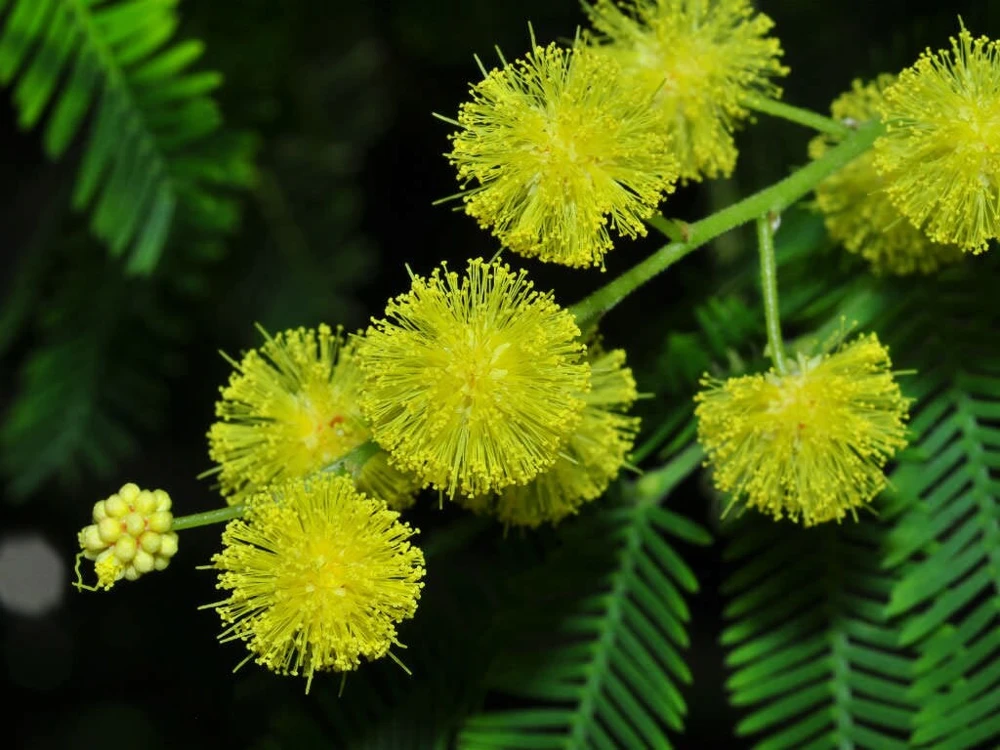
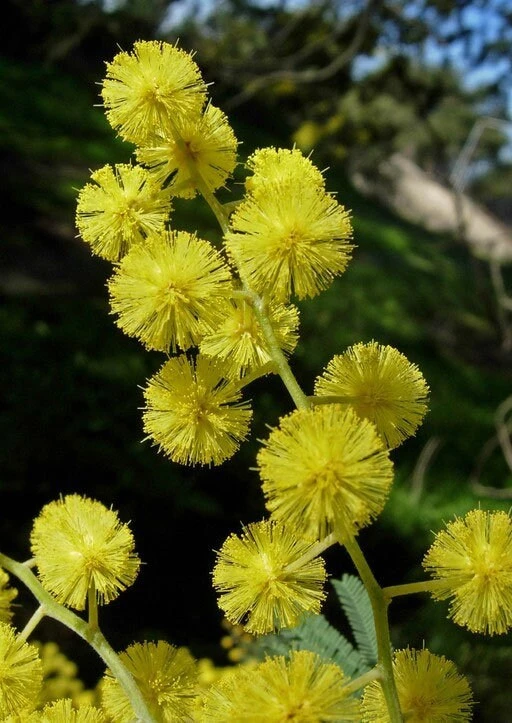
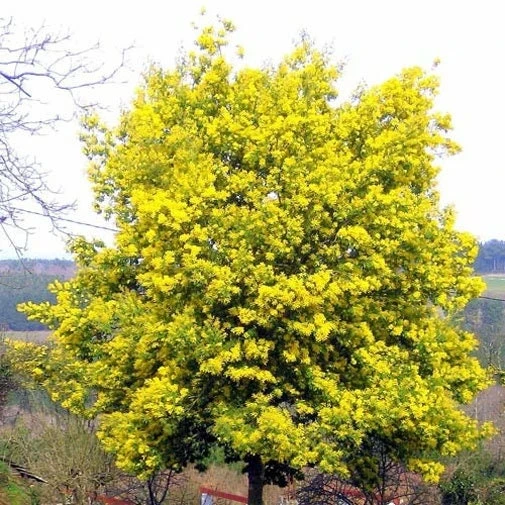
Cultivate the beautiful Acacia dealbata seeds, also known as Silver Wattle seeds. These 10 seeds will grow into stunning trees featuring fragrant yellow flowers from late winter to mid-spring. A wonderful addition to any garden, providing both beauty and ecological benefits as a butterfly host plant.
Estimated arrival
Nov 27
Dec 02 - Dec 04
Dec 04 - Dec 09
See our Shipping Policy.
Get in touch with us via email, and our team will review your concerns.
Our Alive & Thrive Guarantee covers issues with your plants within the first 30 days. Read our Refund & Returns Policy.
-
USDA Hardiness Zone
USDA Zones 10 to 11 -
Soil Type
Well-draining soil (sandy to loamy) -
Sunlight Exposure
Full sun -
Expected Planting Period
Spring to early summer
Overview
Embark on a rewarding gardening journey with these premium Acacia dealbata seeds. Also widely recognized as Silver Wattle seeds, these seeds offer the opportunity to cultivate a magnificent tree known for its striking beauty and ecological value. The Acacia dealbata is a fast-growing, evergreen tree that can reach impressive heights, making it a focal point in any landscape. Originating from southeastern Australia, it has become cherished worldwide for its vibrant display of fragrant, golden-yellow flowers that emerge in late winter and continue through mid-spring. These seeds provide a sustainable and cost-effective way to introduce this stunning species to your garden, allowing you to witness its full life cycle from germination to maturity. Whether you’re an experienced horticulturist or a budding gardener, growing Acacia dealbata seeds is a fulfilling endeavor that promises a spectacular floral show.
The Silver Wattle seeds are ideal for those looking to create a vibrant, wildlife-friendly garden. The tree’s delicate, fern-like foliage provides an elegant backdrop for its profuse blooms. Beyond its ornamental appeal, the Acacia dealbata holds cultural and practical significance, with various parts of the plant historically used for food and dye. Its ability to thrive in specific climates makes it a versatile choice for many outdoor settings, adding both aesthetic charm and ecological function. Starting from Acacia dealbata seeds allows for careful nurturing and establishment, leading to a robust and long-lived tree.
Key Benefits
Growing Acacia dealbata seeds offers a multitude of benefits, transforming your garden into a haven of beauty and biodiversity. This remarkable tree provides visual appeal, ecological support, and practical uses:
- Stunning Floral Display: Enjoy a breathtaking show of fragrant, bright yellow flowers that bloom from late winter to mid-spring, bringing much-needed color and cheer during cooler months. These prolific blooms create a spectacular visual impact.
- Fragrant Blooms: The abundant yellow flowers emit a delightful, sweet fragrance that can perfume your garden, enhancing the sensory experience and attracting beneficial pollinators.
- Ecological Support: As a significant butterfly host plant, the Silver Wattle provides essential sustenance for various moth and butterfly larvae, including Forbes Silkmoth, Chinati sheepmoth, Lebeaus rothschildia moth, Mexican Yellow, Common Lascar, Outis Skipper, and Gray Ministreak butterflies, enriching your local ecosystem.
- Versatile Uses: The flowers can be cooked and eaten, often used to make fritters, while the gum from the trunk is also edible. The flowers can produce a yellow dye, and the seed pods yield a green dye, showcasing the plant’s diverse utility.
- Rapid Growth: The Acacia dealbata is known for its relatively fast growth rate, allowing you to establish a substantial tree in your landscape more quickly than many other species. This makes it an excellent choice if you want to grow Acacia dealbata for quicker impact.
- Drought Tolerance: Once established, the Silver Wattle exhibits good drought tolerance, making it a suitable choice for gardens in drier climates or for those seeking water-wise landscaping options.
- Erosion Control: Its extensive root system can help stabilize soil, making it useful for erosion control on slopes or in areas prone to soil degradation.
Plant Care & Growing Tips
Successfully growing Acacia dealbata seeds requires understanding their specific needs, particularly regarding light, water, and soil. These trees thrive in full sun, needing at least 6-8 hours of direct sunlight daily to produce the most abundant flowers and maintain healthy growth. When germinating the Silver Wattle seeds, ensure they receive bright, consistent light. Once established, the trees are quite resilient, but consistent care in their early stages will lead to a stronger, more vigorous plant. The ideal USDA Hardiness Zones for Acacia dealbata are 10 to 11, indicating its preference for warmer climates.
For soil, Acacia dealbata prefers well-draining soil, ranging from sandy to loamy. It can tolerate a variety of soil types as long as they are not waterlogged. Good drainage is crucial to prevent root rot. While establishing, regular watering is important, especially during dry spells. Once mature, the tree becomes more drought-tolerant, but occasional deep watering during prolonged dry periods will benefit its overall health. Fertilization is generally not heavily required for established trees, but a balanced, slow-release fertilizer can be applied in spring to support vigorous growth, particularly when you first grow Acacia dealbata from seed.
Pruning can be done after flowering to maintain shape and remove any dead or damaged branches. While generally robust, keep an eye out for common pests and diseases, although Acacia dealbata is relatively resistant. Ensuring proper air circulation and avoiding overwatering will help prevent fungal issues. Winter protection may be necessary in the cooler parts of its hardiness range, especially for young plants. Understanding how to care for your Acacia dealbata seeds from germination through maturity will ensure a thriving and beautiful tree in your landscape.
Size & Details
This product includes 10 Acacia dealbata seeds, allowing you to start several trees. When fully grown, the Silver Wattle tree can reach an impressive height of up to 30 feet, forming a stately presence in your garden. It develops a spreading canopy, providing ample shade and visual interest. The seeds will arrive in a protective packet, ready for planting. The growth rate is relatively fast, meaning you can expect to see significant development within a few years, leading to its first spectacular bloom. These seeds offer a convenient way to cultivate this magnificent tree, known for its rapid establishment and vibrant display. The trees typically begin to flower within 3-5 years from seed, offering a rewarding long-term investment in your landscape.
Frequently Asked Questions
- Q: How big does the Acacia dealbata tree get? A: The Acacia dealbata, or Silver Wattle, can grow up to 30 feet tall at maturity, creating a significant presence in your garden landscape. Its spreading habit also provides good coverage.
- Q: How much sunlight does the Silver Wattle need? A: This tree thrives in full sun, requiring at least 6-8 hours of direct sunlight per day to ensure vigorous growth and abundant flowering. This is crucial when you grow Acacia dealbata.
- Q: Is this plant easy to care for? A: Once established, Acacia dealbata is relatively low-maintenance, especially in its preferred USDA Hardiness Zones 10 to 11. Initial care for the Acacia dealbata seeds involves consistent watering and good drainage.
- Q: What condition will the seeds arrive in? A: The Acacia dealbata seeds will arrive in a protected packet, ensuring they are viable and ready for planting upon receipt. Instructions for germination are typically included or easily found.
- Q: Can the flowers be used for anything? A: Yes, the fragrant yellow flowers of the Silver Wattle can be cooked and eaten, often made into fritters. They can also be used to create a yellow dye.
- Q: When is the best time to plant these seeds? A: The best time to plant Acacia dealbata seeds is typically in spring after the last frost, or in early fall in warmer climates, to allow for establishment before extreme temperatures.
- Q: Will this tree attract butterflies? A: Absolutely! The Acacia dealbata is an excellent butterfly host plant, supporting various moth and butterfly larvae, making it a great addition for attracting pollinators and enriching local biodiversity.
- Q: What USDA Hardiness Zones are suitable for Silver Wattle? A: The Acacia dealbata is best suited for USDA Hardiness Zones 10 to 11, where it can thrive in warmer conditions.
- Q: What kind of soil does this tree prefer? A: Silver Wattle prefers well-draining soil, which can range from sandy to loamy. Good drainage is essential to prevent waterlogging and promote healthy root development.
- Q: Are there any other uses for the Acacia dealbata? A: Besides culinary uses for the flowers and gum, the seed pods can be used to make a green dye, and the tree’s robust nature makes it suitable for erosion control.
Be the first to review “Acacia dealbata Silver Wattle Seeds – 10 Count – Fragrant Yellow Flowers”
Related products




Tree Seeds
Canino Olive Tree Seeds – 10 Pack Olea Europaea Canino for Edible Olives, Full Sun, Zones 9-11

You May Like

How to Grow Passion Flower (Passiflora) for Tropical Blooms
Few climbing vines in the home garden command attention quite like the exotic Passion Flower (Passiflora). [...]
Nov

Thanksgiving Cactus Care: How to Get Thanksgiving Cactus to Bloom
Is your Thanksgiving cactus growing well but not giving you any flowers? Maybe it looked [...]
Nov

How to Grow Garlic for a Bountiful Home Harvest
Garlic (Allium sativum) is one of the most satisfying, low-maintenance, and flavor-packed crops you can [...]
Oct

Hardneck vs. Softneck Garlic: Which Should You Grow?
Have you ever stood in front of a seed catalog in mid-September, staring at dozens [...]
1 Comment
Oct

When to Plant Music Garlic: Ultimate US Fall Guide
Have you ever spent your fall weekend placing carefully chosen garlic cloves into rich, dark [...]
1 Comment
Oct

5 Best Bulbs for Fall Planting: Brighten Your Garden This Spring
Are you dreaming of a garden full of vibrant colors in the spring? The key [...]
Aug

10 Houseplants That Will Thrive in Your Kitchen
Are you tired of your kitchen feeling dull and lifeless? Want to add a little [...]
1 Comment
Aug
Reviews
There are no reviews yet.