

Romneya coulteri Seeds – California Tree Poppy – Matilija Poppy – 50 Seeds
Original price was: 48.91 $.19.91 $Current price is: 19.91 $.
Cultivate the magnificent California Tree Poppy seeds (Romneya coulteri) and fill your garden with spectacular white blooms. These Romneya coulteri seeds produce drought-tolerant shrubs, perfect for attracting birds, bees, and butterflies. Enjoy their striking beauty from late spring to early fall.
Estimated arrival
Nov 26
Dec 01 - Dec 03
Dec 03 - Dec 08
See our Shipping Policy.
Get in touch with us via email, and our team will review your concerns.
Our Alive & Thrive Guarantee covers issues with your plants within the first 30 days. Read our Refund & Returns Policy.
-
USDA Hardiness Zone
USDA Zones 7 to 11 -
Soil Type
Well-draining sandy or gravelly loam -
Sunlight Exposure
Full sun -
Expected Planting Period
Fall or early spring
Overview
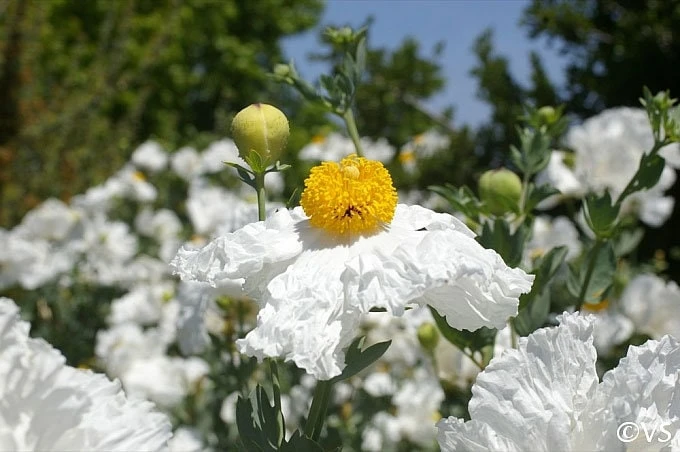
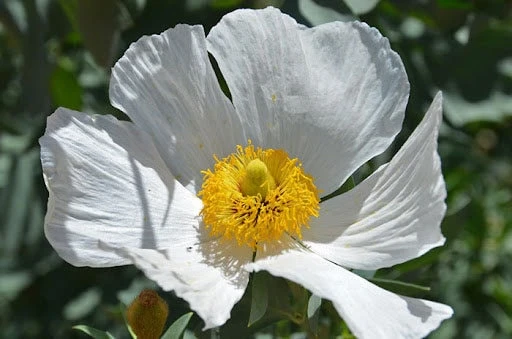
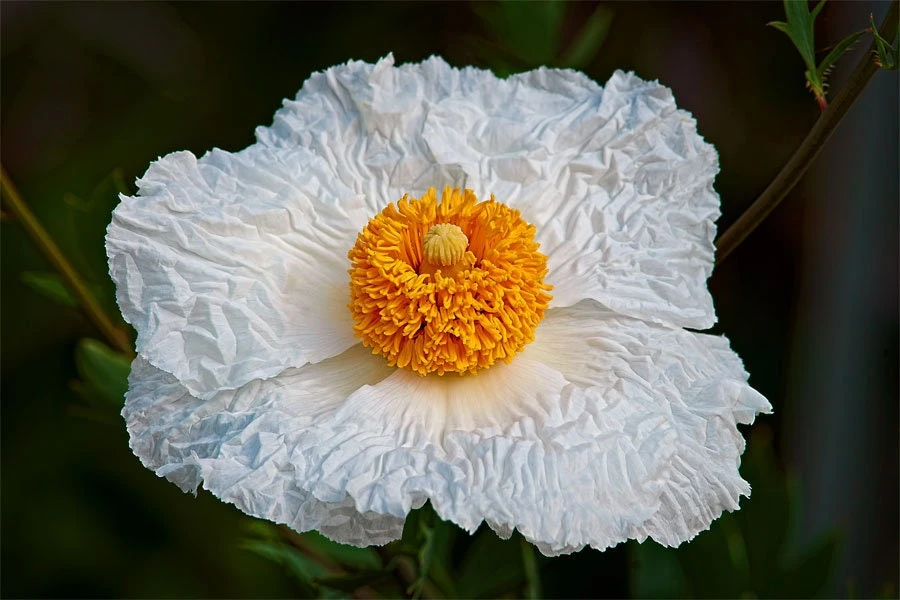
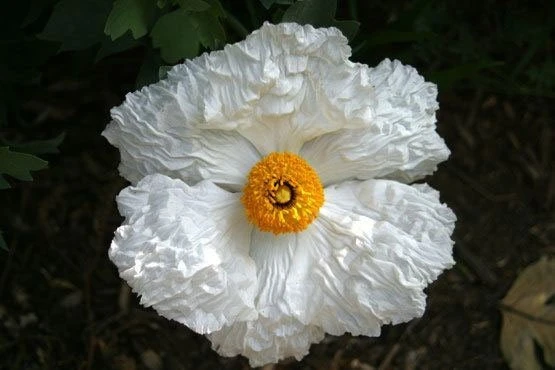
Embark on a rewarding gardening journey by planting California Tree Poppy seeds, scientifically known as Romneya coulteri. These exceptional seeds promise to transform your outdoor space into a vibrant sanctuary, boasting some of the largest and most captivating white blossoms in the plant kingdom. Often referred to as Coulters Matilija Poppy or simply Matilija Poppy, this shrub is a true showstopper, native to California and Baja California. Its striking appearance, with crinkled white petals and a prominent yellow center, creates a dramatic focal point in any landscape. Growing from these Romneya coulteri seeds offers the unique satisfaction of nurturing a plant known for its resilience and breathtaking floral display, making it a favorite among gardeners seeking both beauty and durability.
The California Tree Poppy seeds are ideal for gardeners looking to introduce a touch of Mediterranean flair or a native California aesthetic to their property. This robust shrub thrives in sunny conditions, developing into a substantial plant that can reach impressive heights. Its distinctive blossoms are not only visually stunning but also emit a light, pleasing fragrance, adding another layer of sensory appeal to your garden. Cultivating this plant from seed allows you to witness its full life cycle, from a tiny sprout to a majestic flowering shrub. It’s an excellent choice for xeriscaping, native plant gardens, or simply as a standout specimen plant that commands attention.
Key Benefits
Planting California Tree Poppy seeds provides numerous advantages for both your garden and the local ecosystem. These plants are celebrated for their beauty and ecological contributions, making them a wise choice for any gardener.
- Spectacular Blooms: Enjoy an abundance of very large, pure white blossoms, often reaching 6-9 inches across, each with a bright golden-yellow center. These showy flowers are a true spectacle from late spring through early fall, providing continuous beauty.
- Attracts Pollinators: The vibrant flowers are a magnet for essential pollinators, including various species of birds, bees, and butterflies, helping to support local biodiversity and ecosystem health.
- Drought-Tolerant: Once established, the Matilija Poppy is incredibly drought-tolerant, requiring minimal water and making it an excellent choice for water-wise gardens and xeriscaping in arid climates.
- Low Maintenance: This hardy shrub requires relatively little care once mature, making it suitable for busy gardeners or those seeking an impactful plant without extensive upkeep.
- Architectural Interest: With its upright growth habit and impressive size, the California Tree Poppy provides significant architectural interest in the landscape, adding structure and height to garden beds.
- Erosion Control: Its extensive root system can help stabilize slopes and prevent soil erosion, making it a functional as well as beautiful plant for challenging terrains.
- Long Blooming Season: Experience a prolonged period of bloom, with flowers appearing from late spring and continuing well into early fall, ensuring your garden remains colorful for months.
Plant Care & Growing Tips
Successfully growing California Poppy from seed requires patience and attention to specific conditions. These plants thrive in environments that mimic their native habitats.
Sunlight Requirements: The Romneya coulteri seeds will develop into plants that demand full sun exposure. This means at least 6-8 hours of direct sunlight per day is crucial for optimal growth and abundant flowering. In very hot inland climates, a touch of afternoon shade might be beneficial, but generally, the more sun, the better. Ensure the planting location receives ample light throughout the day to encourage robust development and prolific blooms.
Watering and Soil: When growing California Poppy, well-draining soil is paramount. These plants are highly susceptible to root rot in waterlogged conditions. Sandy or gravelly loams are ideal. Initial watering should be consistent to help establish the seedlings, but once mature, they are exceptionally drought-tolerant and require very little supplemental irrigation. Overwatering is the most common cause of failure for established plants. For best results, amend heavy clay soils with sand or grit to improve drainage. The plant is hardy in USDA Hardiness Zones 7 to 11.
Temperature and Fertilization: The Matilija Poppy is well-adapted to warm, dry climates. It can tolerate some frost in its hardiness zones but prefers milder winters. Fertilization is rarely needed for this native plant, especially if planted in reasonably fertile soil. If your soil is very poor, a light application of a balanced, slow-release fertilizer in early spring can be applied, but avoid excessive feeding, which can lead to lush foliage at the expense of flowers. Pruning can be done in late fall or early spring to remove spent flower stalks and maintain shape. For successful germination of California Tree Poppy seeds, stratification is often recommended.
Size & Details
These Romneya coulteri seeds will grow into a striking shrub that typically reaches a height of about 6 feet, with a similar spread. Its vigorous growth habit can lead to a sprawling form if not occasionally pruned, creating a magnificent presence in the landscape. The plant is known for its relatively fast growth rate once established, quickly filling its designated space. Each packet contains 50 seeds, providing ample opportunity to establish a beautiful patch of these unique poppies. The seeds are collected from healthy, mature plants, ensuring genetic integrity and viability. Expect blooms from late spring until early fall, providing a long season of visual appeal. The plant forms a sturdy, woody base with delicate, silvery-green foliage, providing a lovely contrast to its brilliant white flowers.
Frequently Asked Questions
- Q: How big does the California Tree Poppy get? A: The California Tree Poppy (Romneya coulteri) typically grows to about 6 feet tall and can spread up to 6 feet wide, forming a substantial shrub. Its vigorous growth can create a broad, impressive display in your garden.
- Q: Is this an indoor or outdoor plant? A: The California Tree Poppy is strictly an outdoor plant. It thrives in full sun and is best suited for garden beds, xeriscaping, or large containers where it can receive ample light and space.
- Q: How much sunlight does it need? A: This plant requires full sun, meaning at least 6-8 hours of direct sunlight per day, to produce the most abundant and vibrant blooms. It is not suitable for shady locations.
- Q: Is this plant easy to care for? A: Once established, the Matilija Poppy seeds grow into a very low-maintenance plant, especially in appropriate climates. It is drought-tolerant and requires minimal watering or fertilization, making it a good choice for those seeking an impactful yet easy-care plant.
- Q: What condition will the seeds arrive in? A: You will receive 50 seeds of Romneya coulteri, carefully packaged to ensure their viability upon arrival. Instructions for germination and planting will be provided.
- Q: When is the best time to plant California Tree Poppy seeds? A: The best time to plant California Tree Poppy seeds is typically in the fall or early spring. They often benefit from a period of cold stratification to aid germination.
- Q: Will it survive winter in my zone? A: The California Tree Poppy is hardy in USDA Hardiness Zones 7 to 11. In these zones, it can withstand winter conditions; however, protection may be needed in the colder parts of its range during severe freezes.
- Q: How long until it blooms from seed? A: While germination can take some time, plants grown from Romneya coulteri seeds typically begin to flower within 1-2 years after establishment, with more prolific blooms as the plant matures.
- Q: Do these plants attract pollinators? A: Yes, the large, showy flowers of the California Tree Poppy are highly attractive to a variety of pollinators, including bees, butterflies, and even some birds, making it a great addition to a pollinator garden.
- Q: Can I grow this plant in a container? A: Due to its large size and extensive root system, the California Tree Poppy is generally best suited for in-ground planting. If grown in a container, it would require a very large pot and may not reach its full potential.
Be the first to review “Romneya coulteri Seeds – California Tree Poppy – Matilija Poppy – 50 Seeds”
Related products


You May Like

How to Grow Passion Flower (Passiflora) for Tropical Blooms
Few climbing vines in the home garden command attention quite like the exotic Passion Flower (Passiflora). [...]
Nov

Thanksgiving Cactus Care: How to Get Thanksgiving Cactus to Bloom
Is your Thanksgiving cactus growing well but not giving you any flowers? Maybe it looked [...]
Nov

How to Grow Garlic for a Bountiful Home Harvest
Garlic (Allium sativum) is one of the most satisfying, low-maintenance, and flavor-packed crops you can [...]
Oct

Hardneck vs. Softneck Garlic: Which Should You Grow?
Have you ever stood in front of a seed catalog in mid-September, staring at dozens [...]
1 Comment
Oct

When to Plant Music Garlic: Ultimate US Fall Guide
Have you ever spent your fall weekend placing carefully chosen garlic cloves into rich, dark [...]
1 Comment
Oct

5 Best Bulbs for Fall Planting: Brighten Your Garden This Spring
Are you dreaming of a garden full of vibrant colors in the spring? The key [...]
Aug

10 Houseplants That Will Thrive in Your Kitchen
Are you tired of your kitchen feeling dull and lifeless? Want to add a little [...]
1 Comment
Aug
Reviews
There are no reviews yet.