
Noni Seeds – Morinda citrifolia Indian Mulberry Tree Seeds – 20 Count
Original price was: 40.91 $.11.91 $Current price is: 11.91 $.
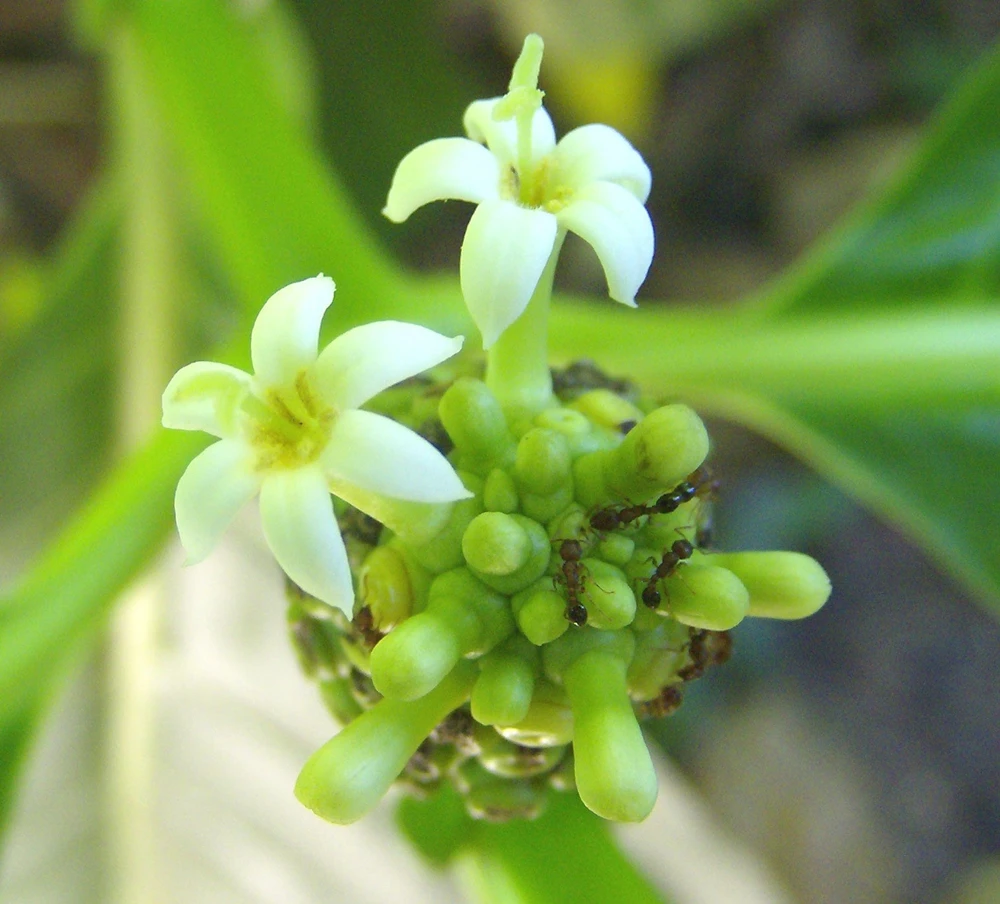
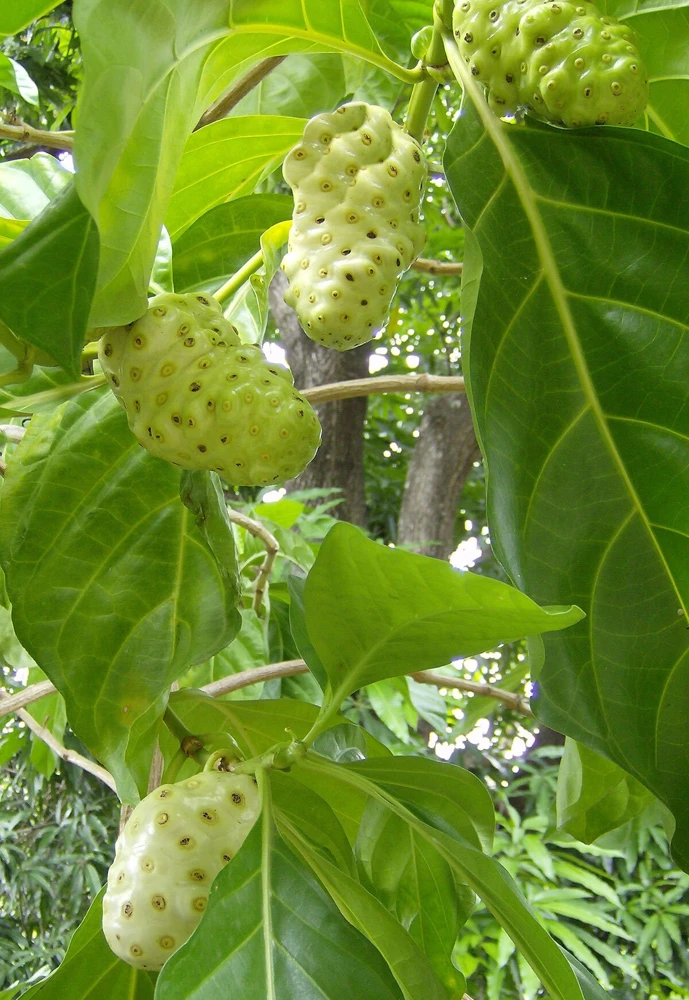
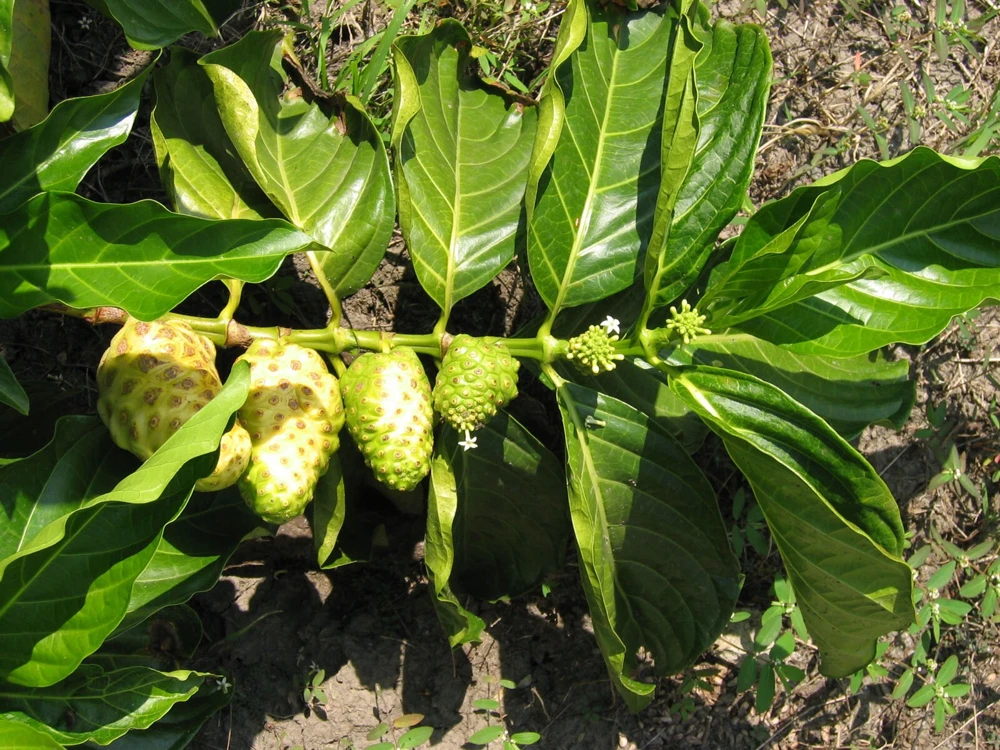
Cultivate your own tropical bounty with these premium Noni seeds. Also known as Morinda citrifolia seeds or Indian Mulberry tree, this versatile plant offers fragrant white flowers and edible fruit. Each pack contains 20 high-quality seeds, perfect for starting your own Noni plant. Grow your own Noni fruit and explore its many uses.
Estimated arrival
Nov 26
Dec 01 - Dec 03
Dec 03 - Dec 08
See our Shipping Policy.
Get in touch with us via email, and our team will review your concerns.
Our Alive & Thrive Guarantee covers issues with your plants within the first 30 days. Read our Refund & Returns Policy.
-
USDA Hardiness Zone
11-12 -
Soil Type
Well-draining, fertile sandy loam -
Sunlight Exposure
Full sun to partial shade -
Expected Planting Period
Year-round in tropical climates; spring/summer in temperate zones (indoors)
Overview
Embark on a rewarding gardening journey by cultivating your very own tropical treasure with our premium Noni seeds. These viable seeds allow you to grow the remarkable Morinda citrifolia, a plant celebrated for its resilience and numerous benefits. Often referred to as Beach Mulberry, Cheese Fruit, Hog Apple, or simply Indian Mulberry tree, Noni is a fascinating addition to any warm-climate garden or as a container plant in cooler regions. This listing provides 20 seeds, offering a generous start to establish these unique and valuable trees. The Noni tree is not only visually appealing with its lush foliage and fragrant white flowers, but it also produces a distinctive fruit that has been utilized in various cultures for centuries. Discover the satisfaction of nurturing this extraordinary plant from a tiny seed into a thriving tree.
Key Benefits
Growing your own Noni tree from seed offers a multitude of advantages, from its ornamental appeal to its practical uses. These Noni seeds provide the foundation for a versatile and beneficial plant.
- Ornamental Appeal: The Indian Mulberry tree boasts lush green foliage and beautiful white flowers that bloom repeatedly throughout the year. These fragrant blossoms attract a diverse array of pollinators, including bees, birds, and butterflies, enhancing the biodiversity and aesthetic appeal of your garden.
- Edible & Culinary Uses: The fruit, though often described as an acquired taste, is a staple food in some cultures and can be used to make beverages. Young leaves and shoots are also edible, either cooked as vegetables or eaten raw. Even the seeds can be roasted and consumed, offering a unique culinary experience.
- Hardy & Adaptable: Noni trees are known for their robust nature and ability to thrive in challenging conditions. They are suitable for USDA Hardiness Zones 11 to 12, making them an excellent choice for tropical and subtropical climates, and can be grown in containers elsewhere.
- Versatile Plant Parts: Beyond the fruit and leaves, the root bark of the Noni tree can be used to produce a red dye, showcasing the plant’s multi-faceted utility. This makes growing your own Morinda citrifolia seeds even more appealing.
- Sustainable & Self-Sufficient: By learning how to grow Noni fruit and manage your own Noni plant, you contribute to sustainable practices and gain a deeper connection to your food sources. It’s a rewarding experience to harvest from your own garden.
Plant Care & Growing Tips
Successfully growing your Noni seeds requires understanding their preferred environment and providing consistent care. These tropical plants thrive when their specific needs are met.
Sunlight Requirements: The Noni tree prefers full sun to partial shade. In tropical climates, it can tolerate direct sunlight for most of the day, but in areas with intense afternoon sun, some partial shade can be beneficial to prevent leaf scorch. For best growth and fruit production, aim for at least 6-8 hours of direct sunlight daily. If growing in a container indoors, place it near a bright, south-facing window or use supplemental grow lights to ensure adequate light exposure for your Indian Mulberry tree.
Watering Schedule and Soil Moisture: Noni plants are relatively drought-tolerant once established, but they perform best with regular watering, especially during dry periods and while young. Water deeply when the top 1-2 inches of soil feel dry to the touch. Ensure the soil is consistently moist but never waterlogged, as this can lead to root rot. Good drainage is crucial for the health of your Noni plant. Reduce watering frequency during cooler months or if the plant is dormant.
Soil Type and Drainage: Noni trees are adaptable to a variety of soil types but prefer well-draining, fertile soil with a slightly acidic to neutral pH. A sandy loam mix enriched with organic matter is ideal. When planting your Morinda citrifolia seeds, ensure the potting mix or garden soil allows water to drain freely. If planting in heavy clay soil, amend it with sand and compost to improve drainage and aeration. Proper soil conditions are key for robust root development and overall plant vigor.
Temperature Range and Hardiness Zone: The Noni tree is a tropical plant and is best suited for USDA Hardiness Zones 11 to 12, where it can be grown outdoors year-round. It thrives in warm temperatures and is sensitive to frost. If you live in a cooler zone, you can still grow Noni fruit by cultivating the plant in a large container that can be moved indoors during colder months. Protect the plant from temperatures below 40°F (4°C).
Fertilization: Fertilize your Noni plant every 2-3 months during the growing season (spring and summer) with a balanced, slow-release fertilizer. For container-grown plants, a liquid fertilizer diluted to half strength can be applied more frequently. Reduce or cease fertilization during the plant’s dormant period. A healthy feeding regimen will support vigorous growth and abundant fruit production from your Noni plant.
Common Problems: Noni trees are generally hardy but can occasionally be affected by pests like aphids or mealybugs. Inspect your plants regularly and treat any infestations with insecticidal soap or neem oil. Ensure good air circulation to prevent fungal diseases. Providing optimal growing conditions, including proper watering and sunlight, will help your Noni plant resist most common issues and allow you to successfully grow Noni fruit.
Size & Details
These Noni seeds will germinate to produce a tree that, under optimal conditions, can grow quite large. The Indian Mulberry tree can reach heights of up to 30 feet (9 meters) when grown in its natural habitat and allowed to mature. In cultivation, especially when container-grown, its size can be managed through pruning. The growth rate is moderate, and the tree can begin to produce fruit within a few years from seed. Each packet contains 20 Noni seeds, providing a good quantity for starting multiple plants or ensuring successful germination. The seeds are typically shipped in a protective packet to maintain viability. Expect initial growth to be slow as the seedling establishes its root system, gradually accelerating as it matures. The beautiful white flowers bloom repeatedly through the year, leading to continuous fruit production in ideal climates.
Frequently Asked Questions
- Q: How big does the Noni tree get? A: The Indian Mulberry tree can grow up to 30 feet tall in its natural environment. When grown in containers, its size can be managed with pruning, making it suitable for smaller spaces or indoor cultivation.
- Q: How much sunlight does the Noni plant need? A: Noni trees thrive in full sun to partial shade, ideally receiving 6-8 hours of direct sunlight per day. If grown indoors, place them in a bright, south-facing window.
- Q: Is this plant easy to care for? A: Noni is considered a relatively low-maintenance plant once established, especially in suitable climates. Providing proper sunlight, well-draining soil, and consistent watering are key to successfully growing your Noni seeds.
- Q: What condition will the seeds arrive in? A: Your Noni seeds will arrive carefully packaged to ensure their viability and protection during transit. We recommend planting them as soon as possible after arrival for best results.
- Q: Can I eat the Noni fruit? A: Yes, the Noni fruit is edible and used in beverages and cooked dishes in various cultures. Young leaves and shoots can also be eaten as vegetables, and the seeds can be roasted. Many people successfully grow Noni fruit for personal consumption.
- Q: How long until the Noni tree produces fruit? A: From seed, a Noni tree can typically begin to produce fruit within 3-5 years, depending on growing conditions and care. Optimal care will help accelerate its maturity.
- Q: What USDA Hardiness Zones are suitable for Noni? A: The Noni tree is best suited for USDA Hardiness Zones 11 to 12. In cooler zones, it can be grown as a container plant and brought indoors during colder periods to protect it from frost.
- Q: What kind of soil is best for Noni seeds? A: Morinda citrifolia seeds prefer well-draining, fertile soil, ideally a sandy loam mix enriched with organic matter. Good drainage is crucial to prevent root issues.
- Q: What are the other names for Noni? A: Noni is also commonly known as Beach Mulberry, Cheese Fruit, Hog Apple, and Indian Mulberry tree, reflecting its diverse recognition across different regions.
- Q: How often should I water my Noni plant? A: Water your Noni plant deeply when the top 1-2 inches of soil feel dry. Ensure the soil remains consistently moist but not waterlogged. Reduce watering during cooler, dormant periods.
Be the first to review “Noni Seeds – Morinda citrifolia Indian Mulberry Tree Seeds – 20 Count”
Related products


Tree Seeds
Canino Olive Tree Seeds – 10 Pack Olea Europaea Canino for Edible Olives, Full Sun, Zones 9-11


You May Like

How to Grow Passion Flower (Passiflora) for Tropical Blooms
Few climbing vines in the home garden command attention quite like the exotic Passion Flower (Passiflora). [...]
Nov

Thanksgiving Cactus Care: How to Get Thanksgiving Cactus to Bloom
Is your Thanksgiving cactus growing well but not giving you any flowers? Maybe it looked [...]
Nov

How to Grow Garlic for a Bountiful Home Harvest
Garlic (Allium sativum) is one of the most satisfying, low-maintenance, and flavor-packed crops you can [...]
Oct

Hardneck vs. Softneck Garlic: Which Should You Grow?
Have you ever stood in front of a seed catalog in mid-September, staring at dozens [...]
1 Comment
Oct

When to Plant Music Garlic: Ultimate US Fall Guide
Have you ever spent your fall weekend placing carefully chosen garlic cloves into rich, dark [...]
1 Comment
Oct

5 Best Bulbs for Fall Planting: Brighten Your Garden This Spring
Are you dreaming of a garden full of vibrant colors in the spring? The key [...]
Aug

10 Houseplants That Will Thrive in Your Kitchen
Are you tired of your kitchen feeling dull and lifeless? Want to add a little [...]
1 Comment
Aug
Reviews
There are no reviews yet.