
Opuntia dillenii Seeds – Sweet Prickly Pear Cactus | Edible Fruit | 10 Seeds
Original price was: 48.91 $.19.91 $Current price is: 19.91 $.
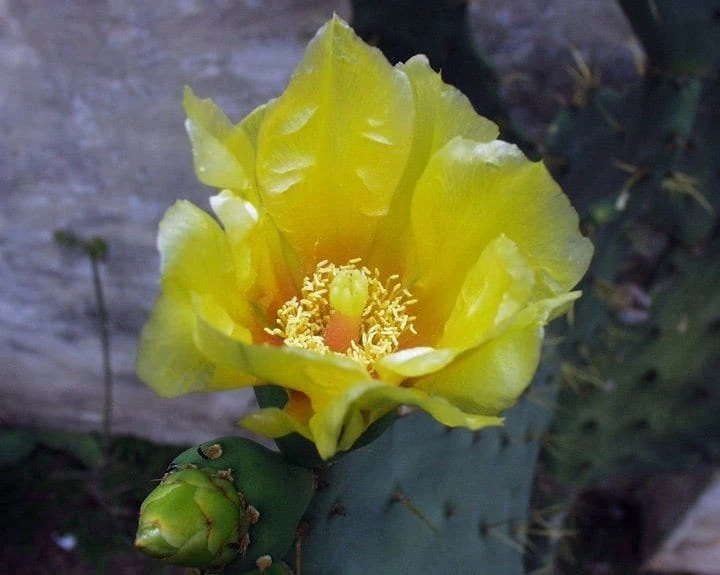
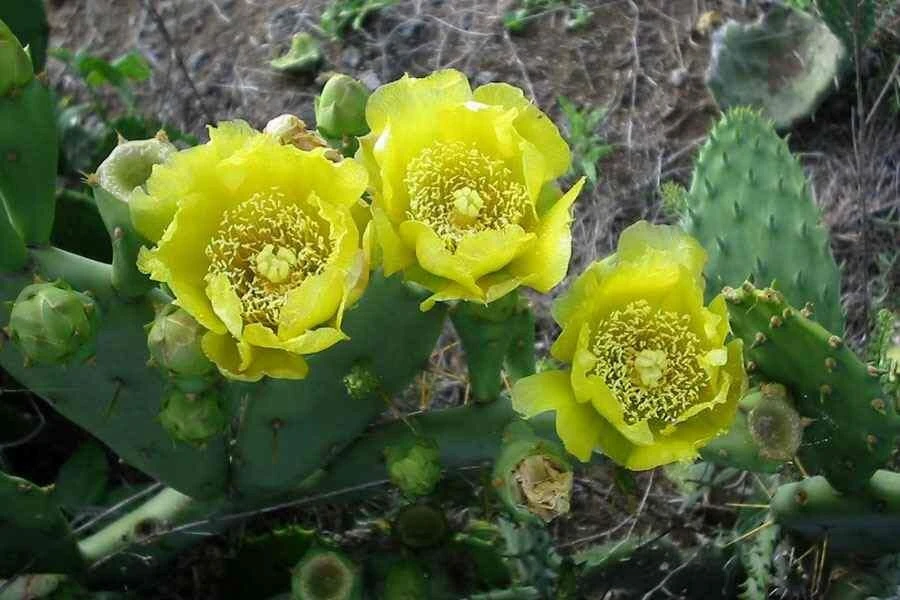
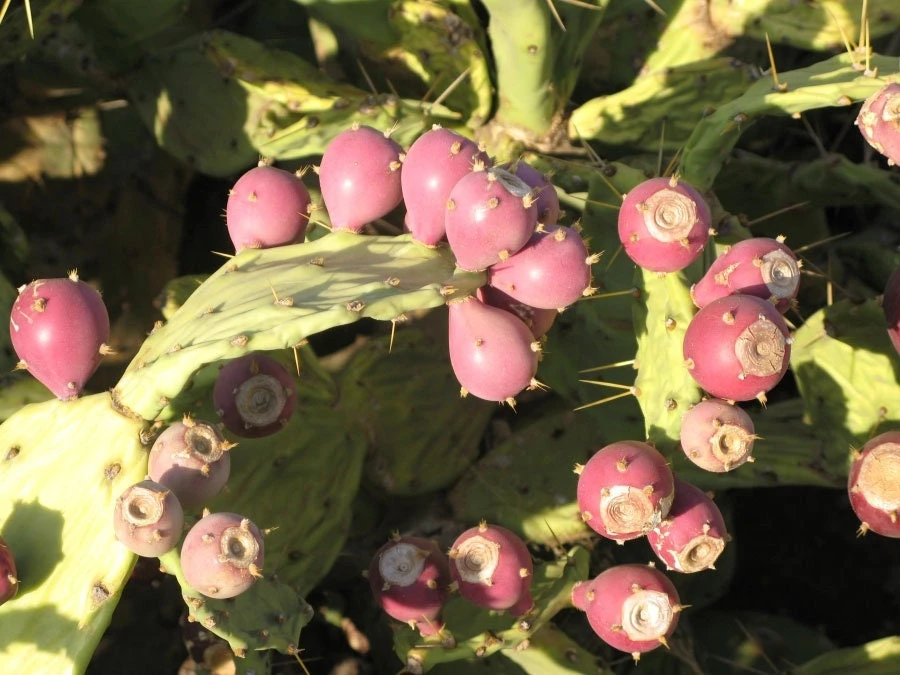
Cultivate your own vibrant Opuntia dillenii seeds, also known as sweet prickly pear cactus or Eltham Indian Fig. These 10 seeds will grow into a resilient cactus producing beautiful red, orange, yellow, and gold blossoms, along with delicious edible pads, flowers, and fruit. Ideal for outdoor gardens in USDA Zones 9b-12.
Estimated arrival
Nov 26
Dec 01 - Dec 03
Dec 03 - Dec 08
See our Shipping Policy.
Get in touch with us via email, and our team will review your concerns.
Our Alive & Thrive Guarantee covers issues with your plants within the first 30 days. Read our Refund & Returns Policy.
-
USDA Hardiness Zone
9b to 12 -
Soil Type
Well-draining cactus or succulent mix -
Sunlight Exposure
Full sun to partial shade -
Expected Planting Period
Spring to early summer
Overview
Embark on a rewarding gardening journey with our premium opuntia dillenii seeds. This remarkable cactus, often referred to as sweet prickly pear cactus, Dillen prickly pear, Pakan, or Eltham Indian Fig, offers a unique blend of ornamental beauty and culinary versatility. Sourced from robust and healthy parent plants, these seeds promise to grow into a resilient and striking addition to your landscape. The Opuntia dillenii is celebrated for its ability to thrive in a variety of conditions, producing not only visually stunning flowers but also highly nutritious and delicious edible components. Whether you’re an experienced gardener or just starting out, growing this cactus from seed is a fulfilling experience that connects you directly with nature’s bounty.
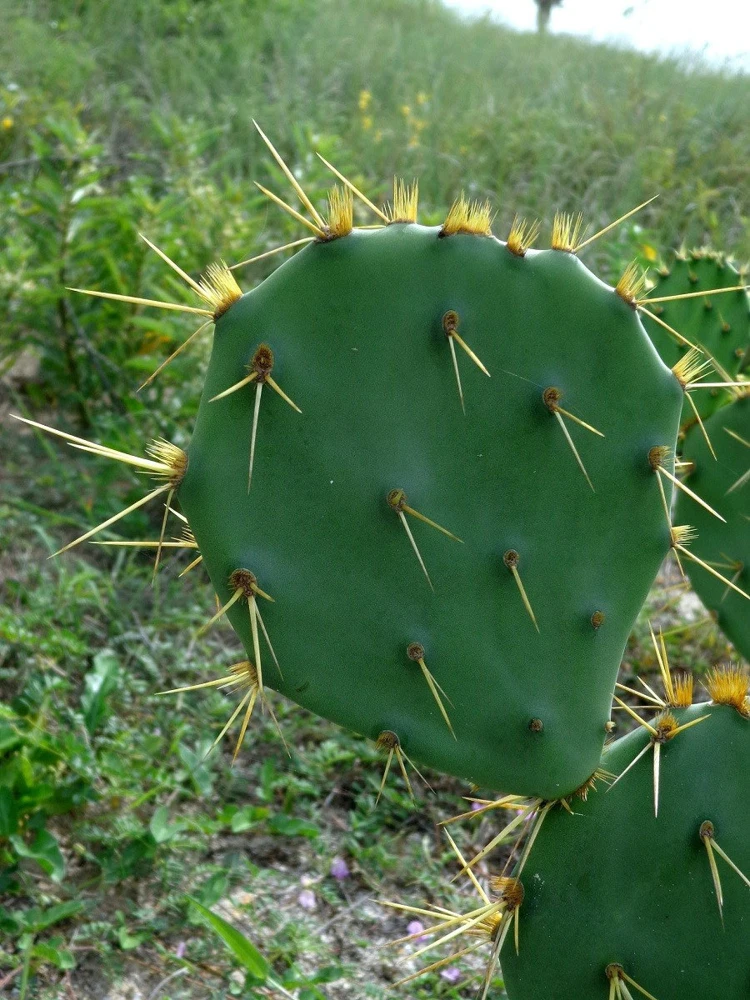
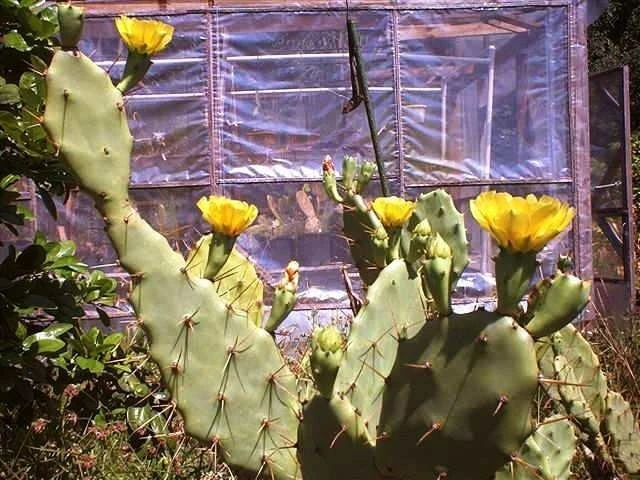
Known for its distinctive pads and vibrant blossoms, the sweet prickly pear cactus is more than just a desert plant; it’s a living resource. Its adaptability to full sun to partial shade makes it a versatile choice for many outdoor settings. With proper care, your Opuntia dillenii can reach heights of up to 10 feet, creating an impressive focal point in your garden. The ease of cultivation combined with its numerous benefits makes these edible cactus seeds a fantastic choice for anyone looking to add a unique and productive plant to their collection. Discover the joy of nurturing this incredible species from a tiny seed into a magnificent, fruit-bearing cactus.
Key Benefits
Growing opuntia dillenii seeds offers a multitude of advantages for both your garden and your table. This resilient cactus provides a sustainable source of edible produce and enhances biodiversity.
- Culinary Versatility: The pads, flowers, and fruit of the sweet prickly pear cactus are all edible. Enjoy them raw, or transform them into delectable jellies, jams, and even wine. The young stem joints can be boiled as a vegetable or dried for future use, offering a unique and nutritious food source.
- Striking Ornamental Appeal: From early spring to mid-summer, this cactus bursts into a spectacular display of red, orange, yellow, and gold blossoms, adding vibrant color and texture to your garden. Its unique form makes it a captivating landscape feature.
- Drought-Tolerant and Low Maintenance: Once established, Opuntia dillenii is remarkably drought-tolerant and requires minimal watering, making it an excellent choice for xeriscaping or gardens in arid regions. Its hardy nature means less fuss and more enjoyment.
- Wildlife Attraction: This plant serves as a vital larval host for several moth species, including the Arge Tiger, Cactus Moth, Dicymolomia opuntialis, Melitara subumbrella, and Dyotopasta yumaella Moths. It also provides a food source for the Cestus Skipper butterfly, enriching your garden’s ecosystem.
- Adaptable to Various Conditions: Thriving in full sun to partial shade, the prickly pear seeds from this species are highly adaptable. This flexibility allows for successful growth in diverse garden environments, from desert landscapes to coastal regions.
- Long-Lasting Harvest: With its continuous production of pads, flowers, and fruit, the eltham indian fig offers a prolonged harvest season, ensuring you have access to fresh, homegrown ingredients for an extended period.
- Ecological Contribution: Beyond its edible qualities, the Opuntia dillenii helps prevent soil erosion and can be used in natural fencing, demonstrating its significant ecological value.
Plant Care & Growing Tips
Successfully growing opuntia dillenii seeds into a thriving cactus requires understanding its basic needs, which are relatively straightforward given its hardy nature. Begin by sowing your prickly pear seeds in a well-draining soil mix, ideally a cactus or succulent blend. Ensure the seeds are lightly covered with soil and kept consistently moist but not waterlogged until germination, which can take several weeks to a few months. Patience is key when starting these unique plants from seed.
Once germinated, the young sweet prickly pear cactus seedlings require plenty of light. Place them in a location that receives full sun for at least 6-8 hours daily. If growing indoors, a south-facing window or supplemental grow lights will be beneficial. As the plants mature, they can tolerate a range from full sun to partial shade, though full sun generally promotes more robust growth and abundant flowering and fruiting. Watering should be done thoroughly but infrequently, allowing the soil to dry out completely between waterings to prevent root rot. This mimics their natural desert habitat and is crucial for the health of your eltham indian fig. Fertilize sparingly, perhaps once a year in spring with a balanced, low-nitrogen fertilizer specifically formulated for cacti.
The opuntia dillenii seeds are suitable for outdoor cultivation in USDA Hardiness Zones 9b to 12. In these zones, the plant can withstand typical winter conditions. If you live in a colder climate, consider growing your cactus in a container that can be brought indoors during the colder months to protect it from frost. Pay attention to pest control, though cacti are generally resistant, mealybugs or scale can occasionally be an issue. Prompt treatment with insecticidal soap or neem oil can effectively manage these pests. With these simple care guidelines, your edible cactus seeds will flourish, providing you with a beautiful and productive plant for years to come.
Size & Details
This offering includes 10 high-quality opuntia dillenii seeds, ready for cultivation. Each seed has the potential to grow into a mature sweet prickly pear cactus that can reach an impressive height of up to 10 feet under optimal conditions. The plant’s pads can spread significantly, forming a broad, bushy specimen over time. The growth rate is moderate, with noticeable development within the first year of planting. While individual plant dimensions vary based on growing conditions and age, expect a substantial, architectural plant that commands attention.
These prickly pear seeds are collected from mature, healthy plants, ensuring good viability. The fruits typically develop after the spring-to-mid-summer flowering period. For those interested in culinary uses, the pads can be harvested as they mature, and the fruits when they ripen to their vibrant red, orange, or yellow hues. These seeds are a fantastic way to propagate this versatile and beautiful cactus, providing a long-term investment in your garden’s aesthetic and edible offerings. The mature plant will be a testament to your patience and care, providing both beauty and sustenance.
Frequently Asked Questions
- Q: How do I germinate these opuntia dillenii seeds? A: To germinate opuntia dillenii seeds, soak them in warm water for 24-48 hours, then plant them in a well-draining cactus mix, lightly covering them with soil. Keep the soil consistently moist but not waterlogged in a warm, bright location. Germination can take several weeks to a few months.
- Q: How big does the sweet prickly pear cactus get? A: The sweet prickly pear cactus can grow quite large, typically reaching heights of up to 10 feet. Its pads can also spread considerably, forming a broad and impressive plant over time, making it a significant landscape feature.
- Q: Is this an indoor or outdoor plant? A: This plant is primarily an outdoor plant, thriving in USDA Hardiness Zones 9b to 12. However, in colder climates, it can be grown in containers and brought indoors during winter to protect it from frost, allowing you to cultivate your own eltham indian fig regardless of your climate.
- Q: How much sunlight does the prickly pear cactus need? A: The prickly pear cactus seeds will develop into plants that prefer full sun, needing at least 6-8 hours of direct sunlight daily for optimal growth, flowering, and fruiting. It can tolerate partial shade, but performance may be reduced.
- Q: Are the fruits and pads of this cactus edible? A: Yes, the pads, flowers, and fruits of the Opuntia dillenii are all edible. They can be consumed raw, cooked, or used to make various culinary delights such as jellies, jams, and even wine, making these edible cactus seeds highly desirable.
- Q: How often should I water my Opuntia dillenii? A: Water your Opuntia dillenii thoroughly but infrequently. Allow the soil to dry out completely between waterings, especially in cooler months. Overwatering is a common cause of issues with this resilient sweet prickly pear cactus.
- Q: What is the best soil type for growing opuntia dillenii? A: The best soil type for opuntia dillenii seeds is a well-draining mix, such as a commercial cactus or succulent potting mix. This ensures proper drainage and prevents waterlogging, which is crucial for the health of the cactus.
- Q: How long until the plant produces fruit after planting the seeds? A: While germination can take time, a mature plant grown from opuntia dillenii seeds typically starts producing fruit within 2-3 years, depending on growing conditions and care. Patience will be rewarded with delicious harvests.
- Q: Is this plant good for attracting wildlife? A: Absolutely! The Opuntia dillenii is an excellent choice for attracting wildlife. It serves as a larval host for several moth species and is a food source for the Cestus Skipper butterfly, enhancing the biodiversity of your garden with your eltham indian fig.
- Q: What is the hardiness zone for this cactus? A: The sweet prickly pear cactus is hardy in USDA Zones 9b to 12. This means it can withstand winter temperatures typical of these zones, making it suitable for outdoor cultivation in many southern and western regions of the US.
Be the first to review “Opuntia dillenii Seeds – Sweet Prickly Pear Cactus | Edible Fruit | 10 Seeds”
Related products


You May Like

How to Grow Passion Flower (Passiflora) for Tropical Blooms
Few climbing vines in the home garden command attention quite like the exotic Passion Flower (Passiflora). [...]
Nov

Thanksgiving Cactus Care: How to Get Thanksgiving Cactus to Bloom
Is your Thanksgiving cactus growing well but not giving you any flowers? Maybe it looked [...]
Nov

How to Grow Garlic for a Bountiful Home Harvest
Garlic (Allium sativum) is one of the most satisfying, low-maintenance, and flavor-packed crops you can [...]
Oct

Hardneck vs. Softneck Garlic: Which Should You Grow?
Have you ever stood in front of a seed catalog in mid-September, staring at dozens [...]
1 Comment
Oct

When to Plant Music Garlic: Ultimate US Fall Guide
Have you ever spent your fall weekend placing carefully chosen garlic cloves into rich, dark [...]
1 Comment
Oct

5 Best Bulbs for Fall Planting: Brighten Your Garden This Spring
Are you dreaming of a garden full of vibrant colors in the spring? The key [...]
Aug

10 Houseplants That Will Thrive in Your Kitchen
Are you tired of your kitchen feeling dull and lifeless? Want to add a little [...]
1 Comment
Aug
Reviews
There are no reviews yet.