
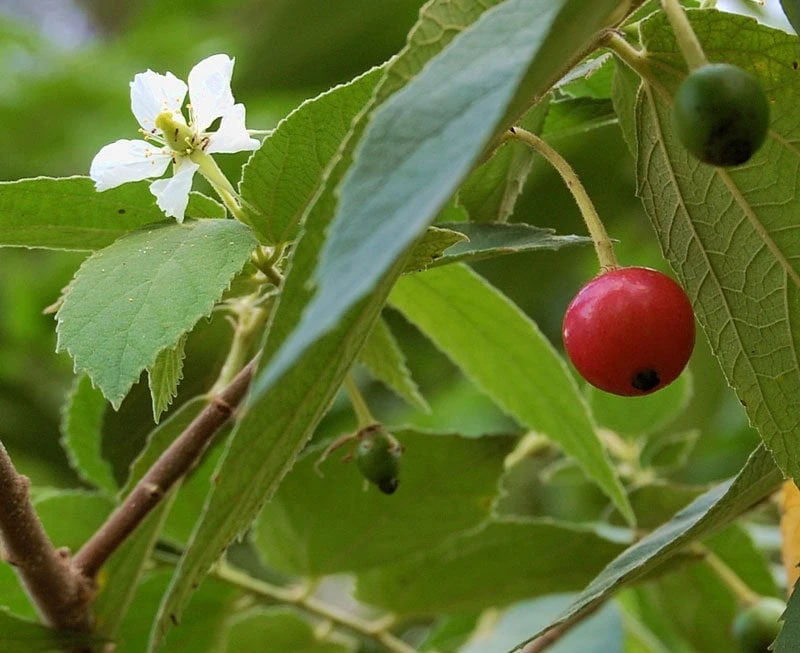
Muntingia Calabura Seeds – Panama Berry, Jamaican Cherry – 1000 Seed Pack
Original price was: 48.91 $.19.91 $Current price is: 19.91 $.
Cultivate your own Muntingia Calabura seeds, known as Panama Berry or Jamaican Cherry. This versatile tropical tree offers edible fruit, attracts pollinators, and thrives in warm climates. Perfect for creating an exotic garden or a wildlife-friendly landscape.
Estimated arrival
Nov 26
Dec 01 - Dec 03
Dec 03 - Dec 08
See our Shipping Policy.
Get in touch with us via email, and our team will review your concerns.
Our Alive & Thrive Guarantee covers issues with your plants within the first 30 days. Read our Refund & Returns Policy.
-
USDA Hardiness Zone
10-12 -
Soil Type
Well-draining, loamy soil -
Sunlight Exposure
Full sun to partial shade -
Expected Planting Period
Year-round in tropical zones, spring in others
Overview
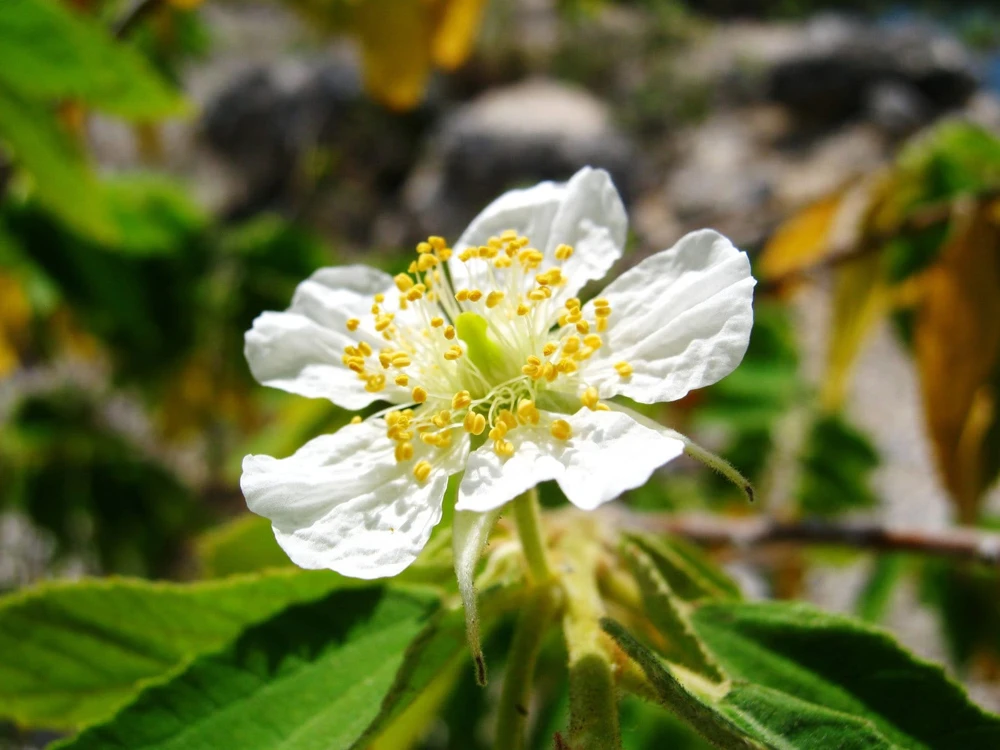
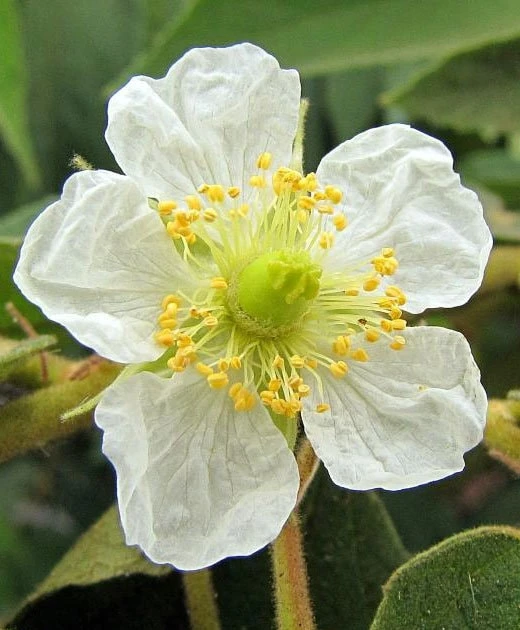
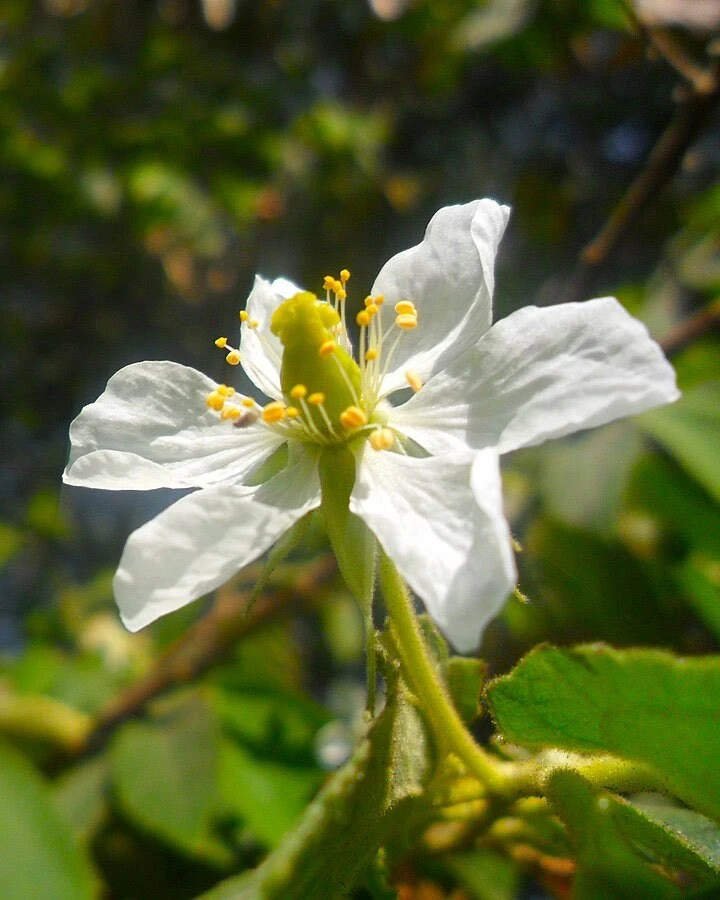
Embark on a rewarding gardening journey with Muntingia Calabura seeds, often known as Panama Berry, Jamaican Cherry, or Capulin. This remarkable tropical tree, scientifically named Muntingia calabura, is celebrated for its rapid growth, year-round white blooms, and sweet, edible red berries. Originating from Central and South America, it is a favorite among gardeners seeking a low-maintenance yet highly productive and ornamental plant. Our high-quality Muntingia Calabura seeds offer you the opportunity to grow this versatile tree from scratch, whether for its delicious fruit, its attractive appearance, or its ability to support local wildlife.
The Muntingia Calabura is a fast-growing species that can reach heights of up to 30 feet, making it a prominent feature in any tropical or subtropical landscape. Its delicate white flowers continuously attract a diverse range of pollinators, including bees, butterflies, and various bird species, contributing significantly to biodiversity. Beyond its aesthetic and ecological benefits, the tree provides a bounty of small, sweet, cherry-like fruits that can be enjoyed fresh or used in various culinary applications. Growing Panama Berry seeds is an excellent choice for those looking to add a touch of the tropics and a source of fresh, homegrown fruit to their environment.
Key Benefits
The Muntingia Calabura tree offers a myriad of benefits that make it a valuable addition to any garden, especially for those in warmer climates. From its ecological contributions to its practical uses, this tree is truly a multi-functional marvel.
- Abundant Edible Fruit: Enjoy a continuous harvest of small, sweet, red berries that taste like caramel or cotton candy. These delicious fruits are perfect for eating fresh, making jams, or adding to desserts.
- Attracts Pollinators and Wildlife: The tree’s persistent white blooms are a powerful magnet for bees, butterflies, and birds, making it an excellent choice for supporting local ecosystems and encouraging biodiversity in your garden.
- Fast Growing and Resilient: Known for its vigorous growth, the Muntingia Calabura seeds quickly establish into a mature tree. It is remarkably adaptable and tolerant of various soil conditions, making it relatively easy to grow.
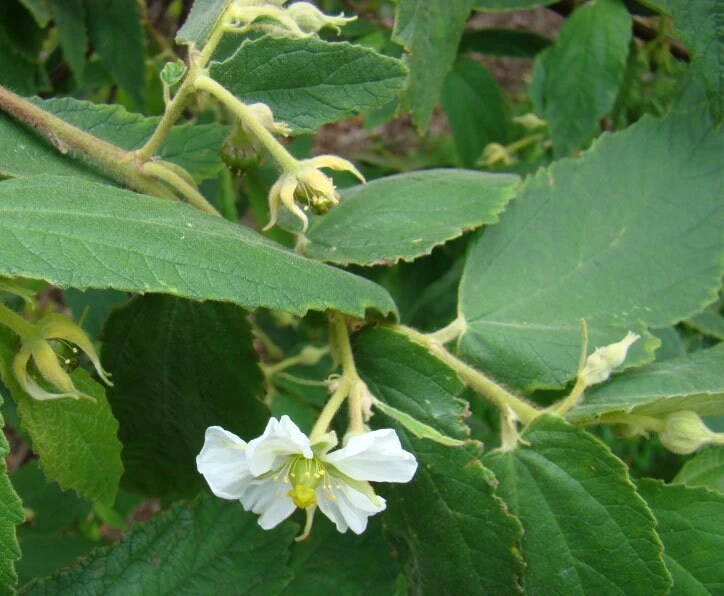
- Ornamental Value: With its graceful form, lush green foliage, and charming white flowers followed by vibrant red berries, the Muntingia Calabura serves as a beautiful ornamental tree, enhancing the aesthetic appeal of any landscape.
- Versatile Uses: Beyond its fruit and ornamental appeal, the tree’s wood can be used for lumber or fuel, its bark for fibers, and its leaves for making tea. It’s a truly utilitarian plant.
- Provides Shade and Shelter: Its relatively quick growth allows it to provide welcome shade in sunny areas, creating a comfortable environment for relaxation and other plants.
- Drought Tolerant Once Established: While it appreciates regular watering, mature trees show good drought tolerance, reducing the need for constant irrigation in drier periods.
Plant Care & Growing Tips
Cultivating Muntingia Calabura seeds into a thriving tree is a straightforward process, especially when provided with the right conditions. This tropical species thrives in warm environments and appreciates consistent care during its establishment phase. For optimal growth, ensure your tree receives plenty of sunlight and has access to well-draining soil.
When planting your Muntingia Calabura seeds, choose a location that receives full sun to partial shade. Full sun (6+ hours of direct sunlight daily) will encourage the most prolific flowering and fruiting. While adaptable, the tree prefers consistently moist, well-draining soil. A rich, loamy soil with good organic content is ideal, but it can tolerate sandy or clay soils as long as drainage is adequate. Water regularly, especially during dry periods and when the tree is young, to help establish a strong root system. Once mature, it becomes more tolerant of drought, but consistent moisture will lead to better fruit production. The Muntingia Calabura plant care is relatively low-maintenance, making it suitable for both experienced and novice gardeners.
This tropical tree is best suited for USDA Hardiness Zones 10 to 12, where it can be grown outdoors year-round. In cooler climates, it can be grown in a large container and brought indoors during winter or treated as an annual. Fertilize with a balanced, slow-release fertilizer during the growing season (spring and summer) to support its rapid growth and fruit production. Pruning can be done to maintain shape, remove dead branches, or control size, though it’s not strictly necessary for health. Keep an eye out for common pests, though the tree is generally quite resilient. Understanding tropical fruit tree seeds requirements is key to successfully growing this beautiful and productive plant.
Size & Details
Our offering includes 1000 Muntingia Calabura seeds, providing a generous quantity for successful germination and cultivation. These seeds are ready for planting and will develop into trees capable of reaching impressive sizes. In ideal tropical conditions, the Muntingia Calabura tree can grow up to 30 feet tall with a spread of 15-20 feet, forming a lovely, somewhat weeping canopy. Its growth rate is considered fast, meaning you can expect to see significant development within a few years of planting.
The seeds should be sown in a well-draining seed-starting mix, lightly covered, and kept consistently moist and warm for optimal germination. Expect the first fruits to appear within 1-2 years under favorable conditions. This tree is suitable for large gardens, as a specimen tree, or as part of a food forest. For those in cooler zones, consider growing it in a large pot to manage its size and allow for winter protection. The continuous blooming and fruiting cycle ensures a steady supply of delicious berries throughout much of the year in its preferred climate, making these Jamaican Cherry seeds a truly rewarding investment.
Frequently Asked Questions
- Q: How big does this Muntingia Calabura plant get? A: The Muntingia Calabura plant care can lead to a tree that typically grows up to 30 feet tall with a spread of 15-20 feet in its native tropical environment. Its size can be managed with pruning or by growing it in a container.
- Q: Is this an indoor or outdoor plant? A: Muntingia Calabura is a tropical tree best grown outdoors in USDA Hardiness Zones 10-12. In cooler climates, it can be grown in a large pot and moved indoors during colder months.
- Q: How much sunlight do Muntingia Calabura seeds need to grow? A: For best results and abundant fruiting, the Muntingia Calabura tree thrives in full sun, meaning at least 6 hours of direct sunlight per day. It can tolerate partial shade, but fruit production may be reduced.
- Q: Is this plant easy to care for? A: Yes, the Muntingia Calabura is known for being relatively easy to care for. It’s fast-growing, adaptable to various soil types, and once established, becomes quite resilient, making it a good choice for beginners.
- Q: What condition will the Muntingia Calabura seeds arrive in? A: Your order will contain 1000 Muntingia Calabura seeds, carefully packaged to ensure their viability upon arrival. They will be dry and ready for immediate planting.
- Q: How long until the Jamaican Cherry seeds bloom and fruit? A: Under optimal growing conditions, trees grown from these Jamaican Cherry seeds can begin to flower and produce fruit within 1 to 2 years after germination.
- Q: Will these tropical fruit tree seeds survive winter in my zone? A: The Muntingia Calabura is a tropical plant suitable for USDA Zones 10-12. If you live in a colder zone, you will need to provide winter protection, such as bringing the plant indoors, to ensure its survival.
- Q: What’s the minimum temperature these plants can tolerate? A: Muntingia Calabura is sensitive to frost. It can tolerate brief dips to around 30-35°F (-1 to 2°C), but prolonged freezing temperatures will damage or kill the tree.
- Q: Can I use the fruit from these Panama Berry seeds for cooking? A: Absolutely! The sweet berries from the tree grown from Panama Berry seeds are delicious eaten fresh, and can also be used to make jams, jellies, pies, and other desserts.
- Q: What kind of soil is best for Muntingia Calabura? A: While adaptable, Muntingia Calabura prefers well-draining, fertile soil. A loamy soil enriched with organic matter is ideal. Good drainage is crucial to prevent root rot.
Be the first to review “Muntingia Calabura Seeds – Panama Berry, Jamaican Cherry – 1000 Seed Pack”
Related products


Fruit Seeds
Ruegen Alpine Strawberry Seeds – 60 Count Everbearing Fragaria Vesca Red Fruit White Flower


You May Like

How to Grow Passion Flower (Passiflora) for Tropical Blooms
Few climbing vines in the home garden command attention quite like the exotic Passion Flower (Passiflora). [...]
Nov

Thanksgiving Cactus Care: How to Get Thanksgiving Cactus to Bloom
Is your Thanksgiving cactus growing well but not giving you any flowers? Maybe it looked [...]
Nov

How to Grow Garlic for a Bountiful Home Harvest
Garlic (Allium sativum) is one of the most satisfying, low-maintenance, and flavor-packed crops you can [...]
Oct

Hardneck vs. Softneck Garlic: Which Should You Grow?
Have you ever stood in front of a seed catalog in mid-September, staring at dozens [...]
1 Comment
Oct

When to Plant Music Garlic: Ultimate US Fall Guide
Have you ever spent your fall weekend placing carefully chosen garlic cloves into rich, dark [...]
1 Comment
Oct

5 Best Bulbs for Fall Planting: Brighten Your Garden This Spring
Are you dreaming of a garden full of vibrant colors in the spring? The key [...]
Aug

10 Houseplants That Will Thrive in Your Kitchen
Are you tired of your kitchen feeling dull and lifeless? Want to add a little [...]
1 Comment
Aug
Reviews
There are no reviews yet.