
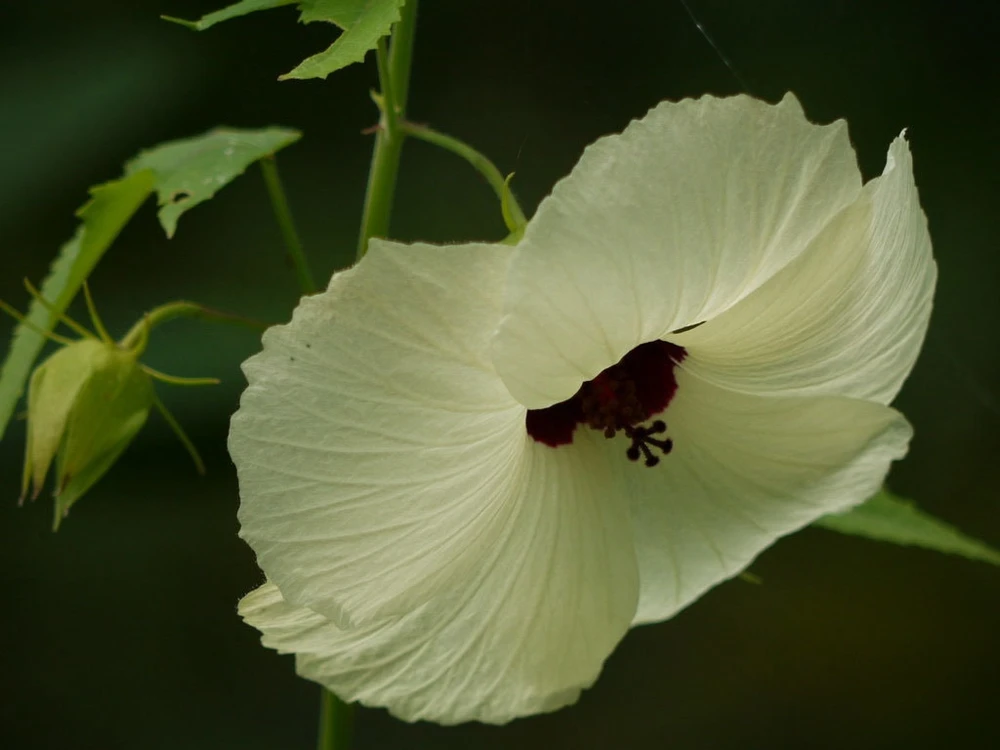
Hibiscus vitifolius Seeds – Grape Leaved Mallow – Tropical Fanleaf – 10 Seeds
Original price was: 48.91 $.19.91 $Current price is: 19.91 $.
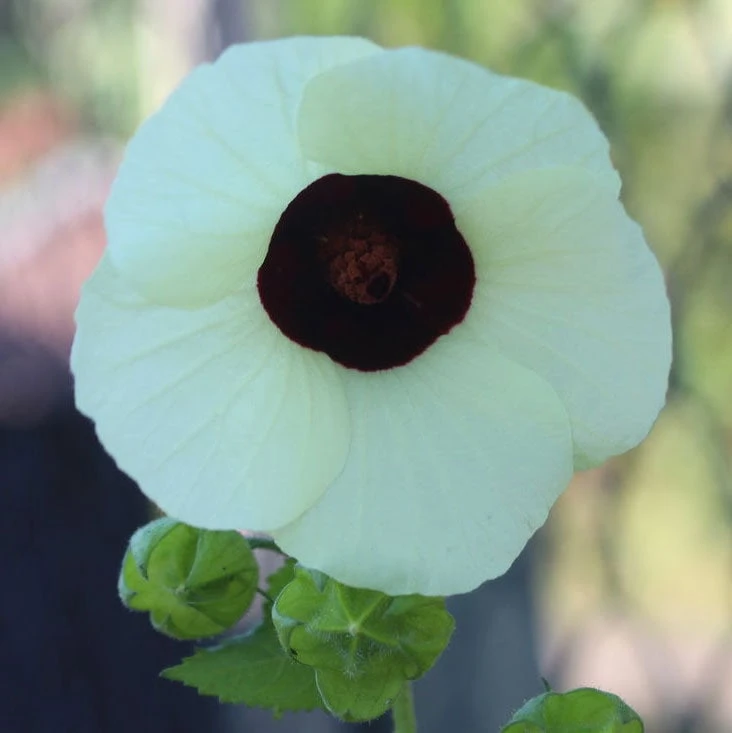
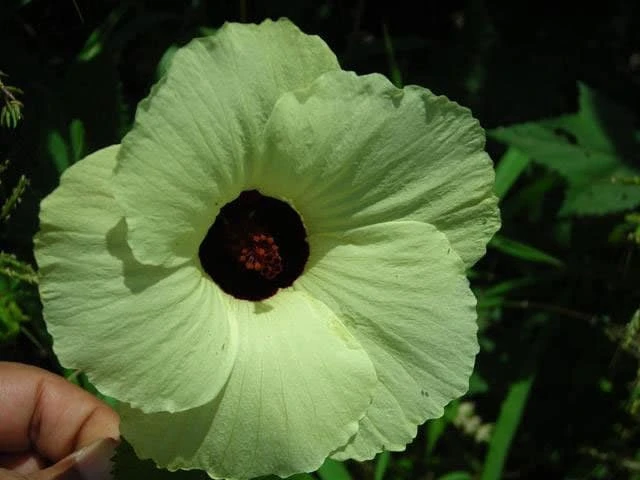
Cultivate stunning hibiscus vitifolius seeds, also known as grape leaved mallow seeds, in your garden. Each packet contains 10 seeds, ready to grow into vibrant shrubs with large yellow and purple-centered flowers, attracting beneficial pollinators.
Estimated arrival
Nov 26
Dec 01 - Dec 03
Dec 03 - Dec 08
See our Shipping Policy.
Get in touch with us via email, and our team will review your concerns.
Our Alive & Thrive Guarantee covers issues with your plants within the first 30 days. Read our Refund & Returns Policy.
-
USDA Hardiness Zone
USDA Hardiness Zones 10 to 11 -
Soil Type
Rich, well-draining soil -
Sunlight Exposure
Full sun to partial shade -
Expected Planting Period
Year-round indoors (in suitable conditions) or spring after last frost
Overview
Embark on a rewarding gardening journey with our premium hibiscus vitifolius seeds. These seeds offer the opportunity to cultivate the magnificent Hibiscus vitifolius, a striking shrub also affectionately known as grape leaved mallow seeds, Tropical Fanleaf, Five-winged capsule rose-mallow, and Tropical rose mallow. This species is renowned for its vigorous growth, reaching heights of up to 7 feet, and its captivating large yellow flowers, each adorned with a distinctive purple center. Ideal for gardeners seeking to add a touch of tropical elegance and vibrant color to their landscape, these seeds promise a bountiful display of blooms that will transform any garden space into a lively sanctuary. Growing your own Hibiscus vitifolius from seed is a fulfilling experience, allowing you to nurture these beautiful plants from their very beginning and witness their impressive development.
The Hibiscus vitifolius is not only aesthetically pleasing but also serves an important ecological role. As a member of the diverse Hibiscus family, it provides a valuable nectar source for numerous butterfly species, including the Cloudless Sulphur, Orbed Sulphur, Disguised Scrub-Hairstreak, Yojoa Scrub-Hairstreak, Dukes Skipper, Large Orange Sulphur, White Angled-Sulphur, Yellow Angled-Sulphur, and Monk butterflies. Furthermore, it acts as a larval host for fascinating moths like the Bumelia Webworm and Pearly Wood-nymph, and the Cloudless Sulphur butterfly, contributing significantly to local biodiversity. Discover the joy of growing these remarkable plants and enhance your garden’s appeal to beneficial insects. Our 10-seed pack provides a fantastic starting point for any gardening enthusiast.
Key Benefits
Growing hibiscus vitifolius seeds offers a multitude of benefits, enriching your garden with beauty and ecological value. These plants are a fantastic addition for both their visual appeal and their contribution to a healthy ecosystem.
- Stunning Floral Display: Enjoy an abundance of large, vibrant yellow flowers with captivating purple centers. These blooms create a dramatic visual impact, making your garden a focal point.
- Attracts Pollinators: Serve as a vital nectar source for a wide array of butterflies and a larval host for several moth species, significantly boosting the biodiversity in your outdoor space.
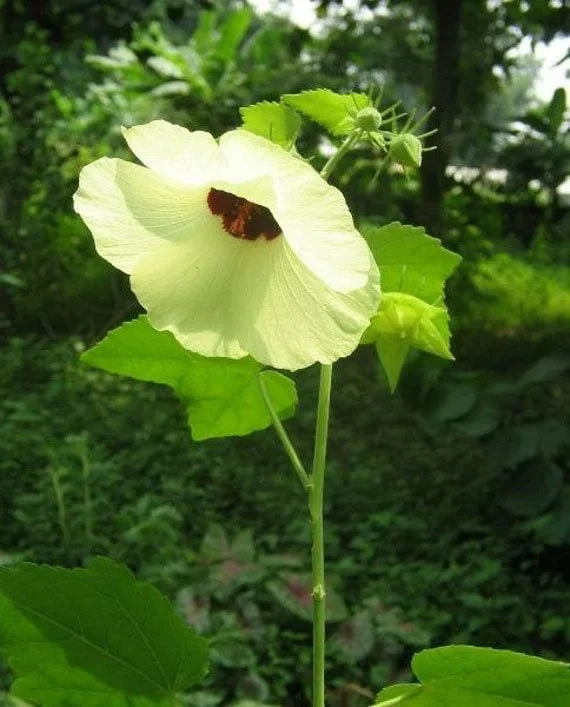
- Robust Growth: Develops into a substantial shrub, reaching up to 7 feet tall, providing excellent height and structure to your garden design. It’s a truly impressive plant from a small tropical fanleaf seeds.
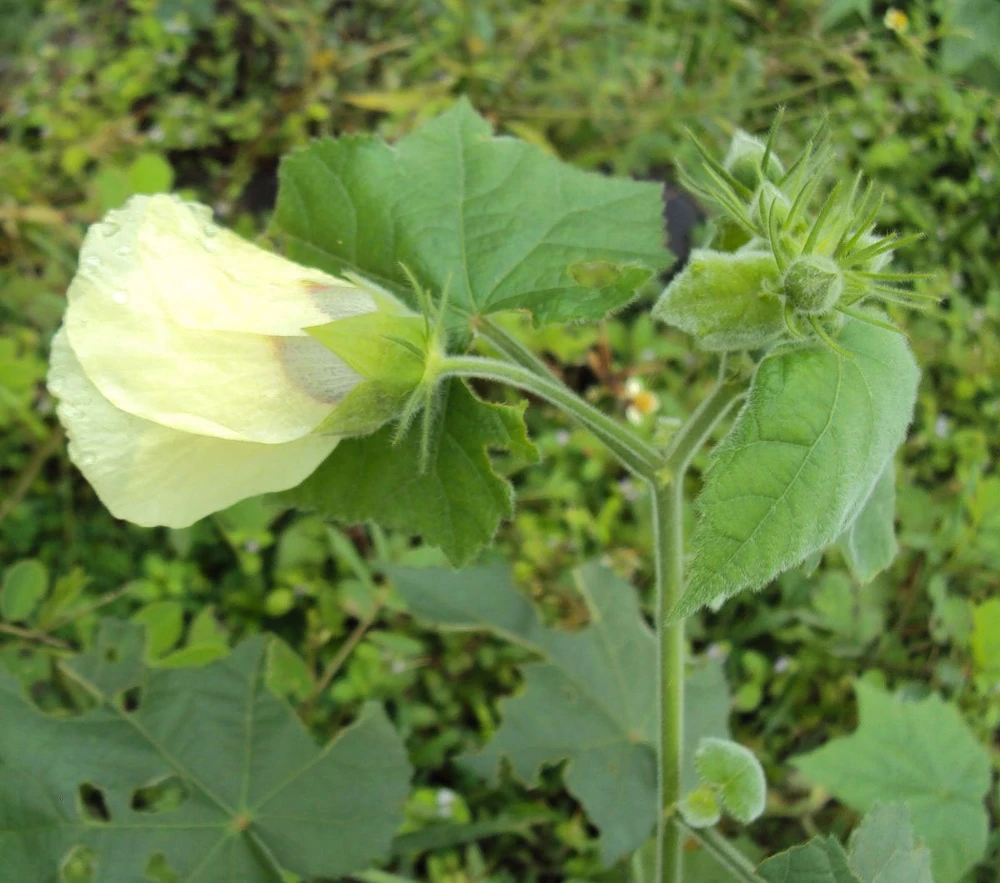
- Unique Foliage: The distinctive grape-like leaves, which give rise to the common name grape leaved mallow seeds, add textural interest even when the plant is not in bloom.
- Versatile Use: Beyond its ornamental value, a good quality fiber can be obtained from the stems, showcasing its practical potential.
- Suitable for Warm Climates: Thrives in USDA Hardiness Zones 10 to 11, making it an excellent choice for warmer regions.
- Rewarding Project: Experience the satisfaction of nurturing these exotic plants from tiny seeds, watching them transform into magnificent flowering shrubs.
Plant Care & Growing Tips
Successfully growing hibiscus vitifolius seeds requires attention to specific environmental conditions to ensure healthy germination and robust plant development. Starting with good quality seeds, such as these 10-count packs, is the first step towards a thriving plant. Begin by scarifying the seeds gently to aid germination. You can do this by lightly rubbing them with sandpaper or nicking them with a small knife, followed by soaking them in warm water for 24 hours. Plant the prepared seeds in a well-draining seed-starting mix, about 1/4 inch deep. Maintain a consistent soil temperature of 70-80°F (21-27°C) for optimal germination, which typically occurs within 1-3 weeks. Providing bottom heat can significantly improve germination rates for how to grow hibiscus vitifolius effectively.
Once seedlings emerge, provide them with plenty of bright light. A south-facing window or grow lights are ideal. Transplant seedlings into individual pots once they have a few sets of true leaves. For established plants, hibiscus vitifolius seeds prefer full sun to partial shade, meaning at least 6 hours of direct sunlight per day. They thrive in rich, well-draining soil with a slightly acidic to neutral pH. Water regularly, keeping the soil consistently moist but not waterlogged, especially during dry periods. Reduce watering frequency in cooler months. Fertilize monthly during the growing season with a balanced, slow-release fertilizer. These plants are best suited for USDA Hardiness Zones 10 to 11, where they can be grown outdoors year-round. In cooler zones, they can be grown in containers and brought indoors during winter or treated as annuals. Keep an eye out for common hibiscus pests like aphids or spider mites and treat promptly with organic pest control methods.
Size & Details
Each packet contains 10 hibiscus vitifolius seeds, providing a generous quantity for starting your garden project. Once mature, the Hibiscus vitifolius shrub can reach an impressive height of up to 7 feet (approximately 2.1 meters) with a spread of 3 to 5 feet (0.9 to 1.5 meters), creating a significant presence in the landscape. These plants are typically fast growers under optimal conditions, with flowering often beginning in the second year from seed. The large, showy yellow flowers, each featuring a striking purple center, can measure several inches across, making them highly visible and attractive. The seeds are shipped in a protective packet to ensure their viability upon arrival. Expect a robust and bushy growth habit, making these perennial hibiscus seeds an excellent choice for hedges, specimen plants, or mixed borders.
The plant’s distinctive foliage, reminiscent of grape leaves, adds to its ornamental appeal throughout the growing season. While primarily grown for its beautiful flowers, the fibrous stems can also yield a good quality fiber, a unique characteristic of this species. These tropical fanleaf seeds are an excellent way to introduce a touch of the exotic to your garden, promising lush foliage and spectacular blooms for years to come in appropriate climates. Plan for adequate space to allow this beautiful shrub to reach its full potential, providing ample room for its mature size and spread.
Frequently Asked Questions
- Q: How big does this plant get from these hibiscus vitifolius seeds? A: Once mature, the Hibiscus vitifolius shrub can grow up to 7 feet tall and spread 3 to 5 feet wide, creating a substantial and impressive presence in your garden.
- Q: Is this an indoor or outdoor plant? A: These plants are primarily outdoor plants, thriving in USDA Hardiness Zones 10 to 11. In cooler zones, they can be grown in large containers and brought indoors during winter or treated as annuals.
- Q: How much sunlight does grape leaved mallow seeds need? A: Hibiscus vitifolius prefers full sun to partial shade, ideally receiving at least 6 hours of direct sunlight per day to encourage abundant flowering.
- Q: Is this plant easy to care for, especially for beginners? A: With proper care and attention to its light and watering needs, growing Hibiscus vitifolius from seed can be a rewarding experience for gardeners of all levels. Consistent moisture and warmth are key during germination.
- Q: What condition will the tropical fanleaf seeds arrive in? A: The seeds will arrive in a protective packet, ensuring their quality and viability for planting. Each packet contains 10 high-quality seeds ready for sowing.
- Q: How long until this plant blooms after planting the seeds? A: While growth can be quick, flowering typically begins in the second year after planting the hibiscus vitifolius seeds, rewarding your patience with beautiful blooms.
- Q: What’s the minimum temperature these plants can tolerate? A: Hibiscus vitifolius is best suited for zones where temperatures rarely drop below 30-40°F (-1 to 4°C). It is not frost-hardy and requires protection in colder climates.
- Q: Can I grow perennial hibiscus seeds in a container? A: Yes, these plants can be successfully grown in large containers, especially in cooler zones where they can be moved indoors during winter to protect them from frost.
- Q: What kind of soil is best for these seeds? A: A rich, well-draining soil with a slightly acidic to neutral pH is ideal for growing Hibiscus vitifolius. Good drainage is crucial to prevent root rot.
- Q: Do these plants attract any beneficial wildlife? A: Absolutely! Hibiscus vitifolius is an excellent nectar source for a variety of butterflies and serves as a larval host for several moth species, boosting local biodiversity.
Be the first to review “Hibiscus vitifolius Seeds – Grape Leaved Mallow – Tropical Fanleaf – 10 Seeds”
Related products


Flower Seeds
Blue Stock Matthiola Incana Seeds – 50 Fragrant Gillyflower Seeds – Ten-Week Blue Stock


You May Like

How to Grow Passion Flower (Passiflora) for Tropical Blooms
Few climbing vines in the home garden command attention quite like the exotic Passion Flower (Passiflora). [...]
Nov

Thanksgiving Cactus Care: How to Get Thanksgiving Cactus to Bloom
Is your Thanksgiving cactus growing well but not giving you any flowers? Maybe it looked [...]
Nov

How to Grow Garlic for a Bountiful Home Harvest
Garlic (Allium sativum) is one of the most satisfying, low-maintenance, and flavor-packed crops you can [...]
Oct

Hardneck vs. Softneck Garlic: Which Should You Grow?
Have you ever stood in front of a seed catalog in mid-September, staring at dozens [...]
1 Comment
Oct

When to Plant Music Garlic: Ultimate US Fall Guide
Have you ever spent your fall weekend placing carefully chosen garlic cloves into rich, dark [...]
1 Comment
Oct

5 Best Bulbs for Fall Planting: Brighten Your Garden This Spring
Are you dreaming of a garden full of vibrant colors in the spring? The key [...]
Aug

10 Houseplants That Will Thrive in Your Kitchen
Are you tired of your kitchen feeling dull and lifeless? Want to add a little [...]
1 Comment
Aug
Reviews
There are no reviews yet.