
Black Locust Tree Seeds – Robinia pseudoacacia – False Acacia – 10 Seeds
Original price was: 48.91 $.19.91 $Current price is: 19.91 $.
Cultivate stunning black locust tree seeds (Robinia pseudoacacia) with this pack of 10 seeds. Known for their rapid growth and fragrant white blossoms, these trees are perfect for attracting birds and bees. Ideal for USDA Zones 5-9.
Estimated arrival
Nov 28
Dec 03 - Dec 05
Dec 05 - Dec 10
See our Shipping Policy.
Get in touch with us via email, and our team will review your concerns.
Our Alive & Thrive Guarantee covers issues with your plants within the first 30 days. Read our Refund & Returns Policy.
-
USDA Hardiness Zone
5 to 9 -
Soil Type
Well-draining soil -
Sunlight Exposure
Full sun -
Expected Planting Period
Spring to early fall
Overview
Embark on a rewarding gardening journey by cultivating the majestic black locust tree seeds. This pack contains 10 high-quality seeds of Robinia pseudoacacia, also widely recognized as Black Locust, Yellow Locust, or False Acacia. These versatile and resilient trees are celebrated for their rapid growth, reaching heights of up to 40 feet, making them an excellent choice for landscaping, shade, or as a nitrogen-fixing plant in your garden. The Robinia pseudoacacia seeds promise to bring a touch of natural beauty and ecological benefit to your outdoor space. Known for their robust nature, these trees thrive in full sun and are well-adapted to a variety of environmental conditions, making them a superb addition for both novice and experienced gardeners seeking sustainable and attractive plant options.
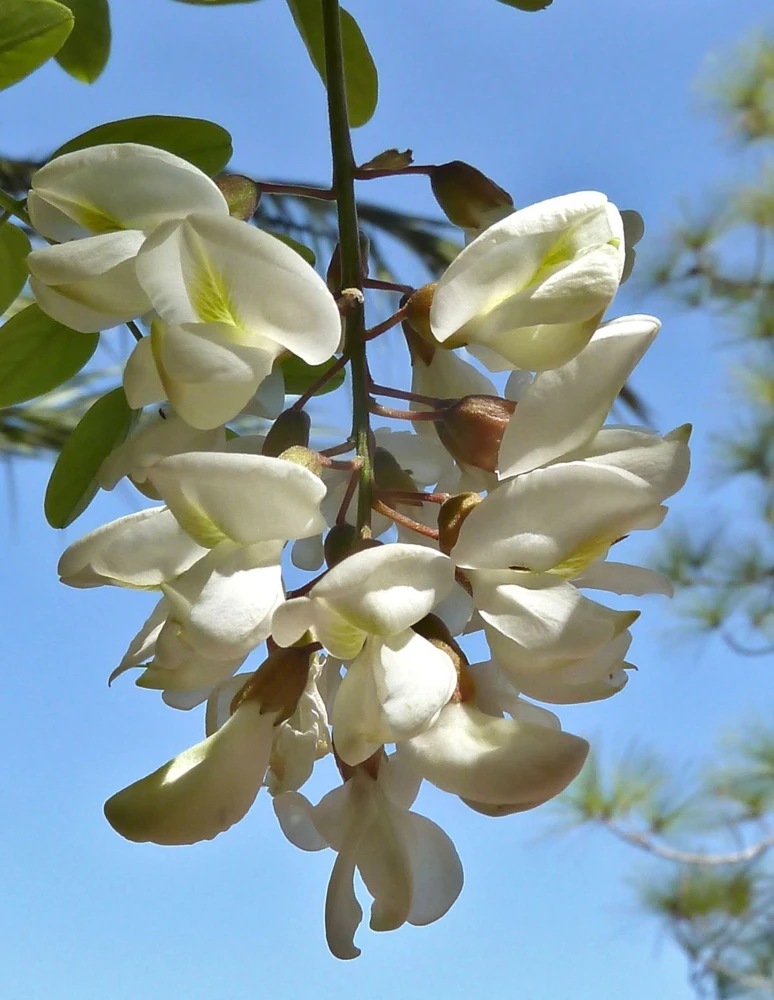
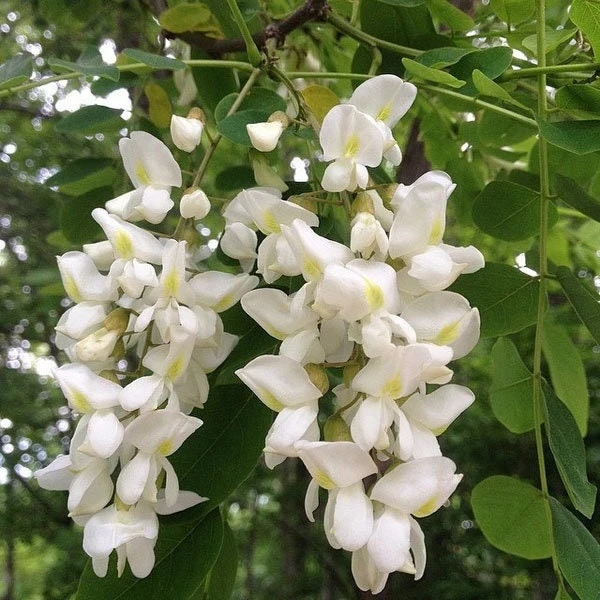
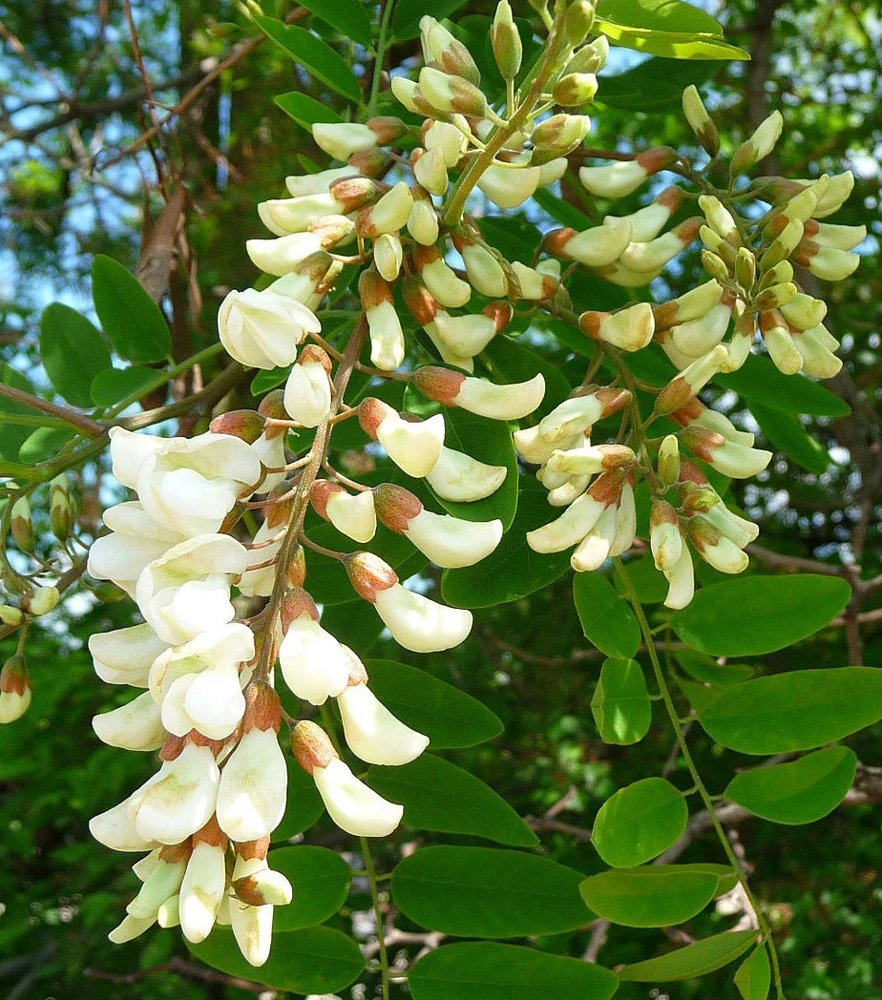
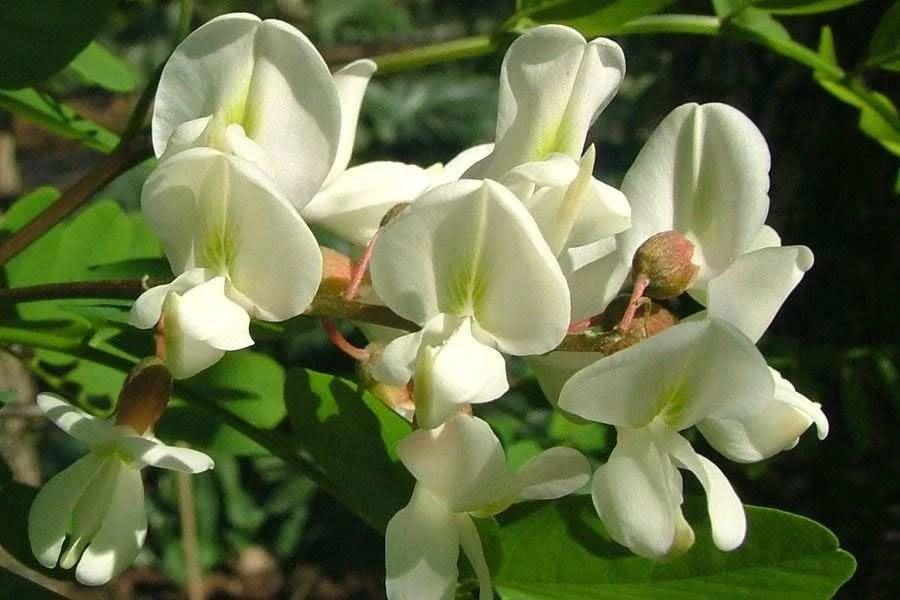
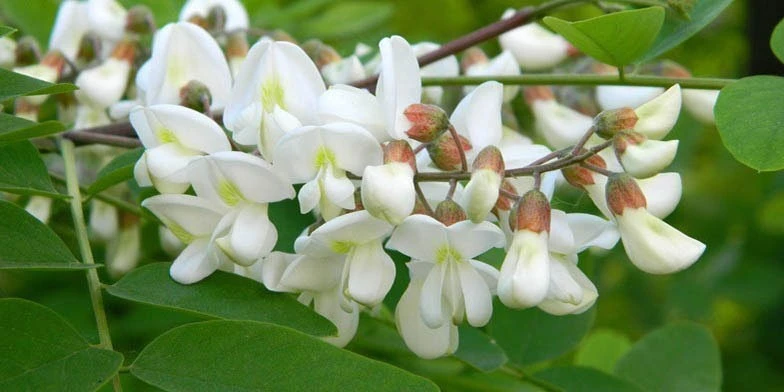
The Robinia pseudoacacia is not just a tree; it’s a living ecosystem. Its beautiful, pendulous clusters of white, highly fragrant blossoms appear from late spring to early summer, creating a stunning visual display and an intoxicating aroma that will fill your garden. These flowers are a magnet for local wildlife, attracting a diverse array of birds, bees, and butterflies, thereby supporting local biodiversity and pollination efforts. Growing false acacia seeds allows you to contribute to a healthier environment while enjoying the aesthetic and ecological benefits of this remarkable species. From its elegant form to its vital role in supporting pollinators, the Black Locust tree offers a multifaceted appeal that enhances any landscape.
Key Benefits
Cultivating black locust tree seeds offers a multitude of advantages for your garden and the environment. These robust trees provide numerous benefits that extend beyond their visual appeal, making them a wise choice for any outdoor enthusiast:
- Attracts Pollinators: The highly fragrant white blossoms are a significant draw for bees, butterflies, and various birds, contributing to a vibrant and healthy ecosystem in your garden. This makes them excellent for supporting local wildlife and enhancing biodiversity.
- Rapid Growth & Shade: Known for their fast growth rate, Black Locust trees quickly establish themselves, providing excellent shade and a strong structural element to your landscape in a relatively short period.
- Nitrogen Fixation: As a leguminous tree, Robinia pseudoacacia is capable of fixing nitrogen in the soil, which naturally enriches soil fertility and benefits surrounding plants, reducing the need for artificial fertilizers.
- Drought Tolerant: Once established, these trees are remarkably drought-tolerant, requiring less water than many other species, making them a sustainable choice for various climates.
- Hardy & Resilient: The black locust tree care is relatively low-maintenance once mature, thriving in a wide range of soil types and conditions, and is suitable for USDA Hardiness Zones 5 to 9.
- Fragrant Blooms: Enjoy the delightful, sweet fragrance of the white flowers, which can perfume your entire garden during their blooming season, creating a pleasant and inviting atmosphere.
- Versatile Uses: Beyond their ornamental value, various parts of the Black Locust tree have historical uses. The seeds can be boiled and eaten like peas, and the flowers can be cooked and used to make jams, drinks, and pancakes, offering a unique culinary dimension.
Plant Care & Growing Tips
Successful cultivation of black locust tree seeds begins with proper preparation and consistent care. To ensure optimal germination and healthy growth, it is crucial to mimic their natural growing conditions. Black Locust trees thrive in full sun, meaning they require at least 6-8 hours of direct sunlight daily to flourish and produce abundant blooms. When planting your Robinia pseudoacacia seeds, choose a location that receives ample light and has well-draining soil. While tolerant of various soil types, they prefer a slightly acidic to neutral pH. Before planting, it is recommended to scarify the seeds by gently nicking the seed coat or soaking them in warm water for 24 hours to aid germination.
Once established, Black Locust trees are relatively low-maintenance, a factor that contributes to their popularity. Young trees will require regular watering to help them establish a strong root system, but mature trees are quite drought-tolerant. Ensure the soil drains well to prevent root rot, especially in younger plants. Fertilization is generally not necessary for established trees due to their nitrogen-fixing capabilities, which naturally enrich the soil. However, a balanced slow-release fertilizer can be applied to young trees in their first year to encourage robust growth. Monitoring for common pests and diseases is part of good black locust tree care, though they are generally quite resistant. Pruning can be done in late winter or early spring to remove dead or damaged branches and to shape the tree.
For those in USDA Hardiness Zones 5 to 9, these trees are an excellent choice, demonstrating good cold hardiness. Protecting young saplings during their first winter with mulch around the base can help them acclimate. While the tree is known for its resilience, ensuring it has adequate space to grow is important, as it can reach significant heights. Growing fragrant tree seeds like these will reward you with a resilient, beautiful, and ecologically beneficial tree for many years to come.
Size & Details
This product includes 10 premium black locust tree seeds (Robinia pseudoacacia), ready for planting. Once germinated and established, these fast-growing trees can reach an impressive height of up to 40 feet (approximately 12 meters) with a spread of 20-30 feet, forming a broad, open canopy. The growth rate is typically rapid, often adding 2-3 feet of height per year in ideal conditions, allowing for quick establishment in your landscape. These seeds are suitable for cultivation across a wide range of climates, specifically thriving in USDA Hardiness Zones 5 to 9. The seeds will arrive in a protective packet, ensuring their viability for planting. Expect fragrant white blossoms to appear from late spring to early summer once the tree reaches maturity, typically within 3-5 years from planting.
Frequently Asked Questions
- Q: How many Black Locust tree seeds are included in this pack? A: This pack contains 10 high-quality black locust tree seeds, providing you with multiple opportunities to cultivate this beautiful and resilient tree. Each seed has been carefully selected to ensure viability and successful germination.
- Q: What USDA Hardiness Zones are suitable for growing Robinia pseudoacacia? A: Robinia pseudoacacia, or the Black Locust tree, is well-suited for USDA Hardiness Zones 5 to 9. This means it can tolerate a wide range of temperatures, from cold winters to warm summers, making it a versatile choice for many regions.
- Q: How much sunlight does a Black Locust tree need? A: Black Locust trees thrive in full sun, requiring at least 6-8 hours of direct sunlight per day. Adequate sunlight is crucial for robust growth, abundant flowering, and overall health of the tree.
- Q: Is this tree suitable for attracting pollinators? A: Absolutely! The white, highly fragrant blossoms of the Black Locust tree are a significant attractant for a variety of pollinators, including bees, butterflies, and hummingbirds. Growing fragrant tree seeds like these will enhance your garden’s biodiversity.
- Q: What kind of soil does the Black Locust tree prefer? A: While adaptable to many soil types, Black Locust trees prefer well-draining soil. They can tolerate poor and sandy soils but perform best in moderately fertile, slightly acidic to neutral pH conditions.
- Q: How tall does a Black Locust tree typically grow? A: A mature Black Locust tree can reach heights of up to 40 feet (approximately 12 meters). Its rapid growth rate means you can enjoy a substantial tree in a relatively short period after planting your false acacia seeds.
- Q: When is the best time to plant these Black Locust tree seeds? A: The best time to plant Black Locust tree seeds is generally in the spring after the last frost, or in early fall. This allows the young saplings to establish themselves before extreme weather conditions.
- Q: Do I need to do anything special to the seeds before planting? A: Yes, it is recommended to scarify the Robinia pseudoacacia seeds before planting. You can do this by gently nicking the hard seed coat with a knife or soaking them in warm water for 24 hours to aid germination.
- Q: Is black locust tree care difficult for beginners? A: Black Locust trees are generally considered low-maintenance once established, making them a good choice for beginners. They are hardy, drought-tolerant, and require minimal intervention beyond initial planting and watering.
Be the first to review “Black Locust Tree Seeds – Robinia pseudoacacia – False Acacia – 10 Seeds”
Related products


You May Like

How to Grow Passion Flower (Passiflora) for Tropical Blooms
Few climbing vines in the home garden command attention quite like the exotic Passion Flower (Passiflora). [...]
Nov

Thanksgiving Cactus Care: How to Get Thanksgiving Cactus to Bloom
Is your Thanksgiving cactus growing well but not giving you any flowers? Maybe it looked [...]
Nov

How to Grow Garlic for a Bountiful Home Harvest
Garlic (Allium sativum) is one of the most satisfying, low-maintenance, and flavor-packed crops you can [...]
Oct

Hardneck vs. Softneck Garlic: Which Should You Grow?
Have you ever stood in front of a seed catalog in mid-September, staring at dozens [...]
1 Comment
Oct

When to Plant Music Garlic: Ultimate US Fall Guide
Have you ever spent your fall weekend placing carefully chosen garlic cloves into rich, dark [...]
1 Comment
Oct

5 Best Bulbs for Fall Planting: Brighten Your Garden This Spring
Are you dreaming of a garden full of vibrant colors in the spring? The key [...]
Aug

10 Houseplants That Will Thrive in Your Kitchen
Are you tired of your kitchen feeling dull and lifeless? Want to add a little [...]
1 Comment
Aug
Reviews
There are no reviews yet.