
Purple Crape Myrtle Live Plant – 12-18″ Starter Bush – Outdoor Landscaping
Original price was: 68.50 $.38.50 $Current price is: 38.50 $.
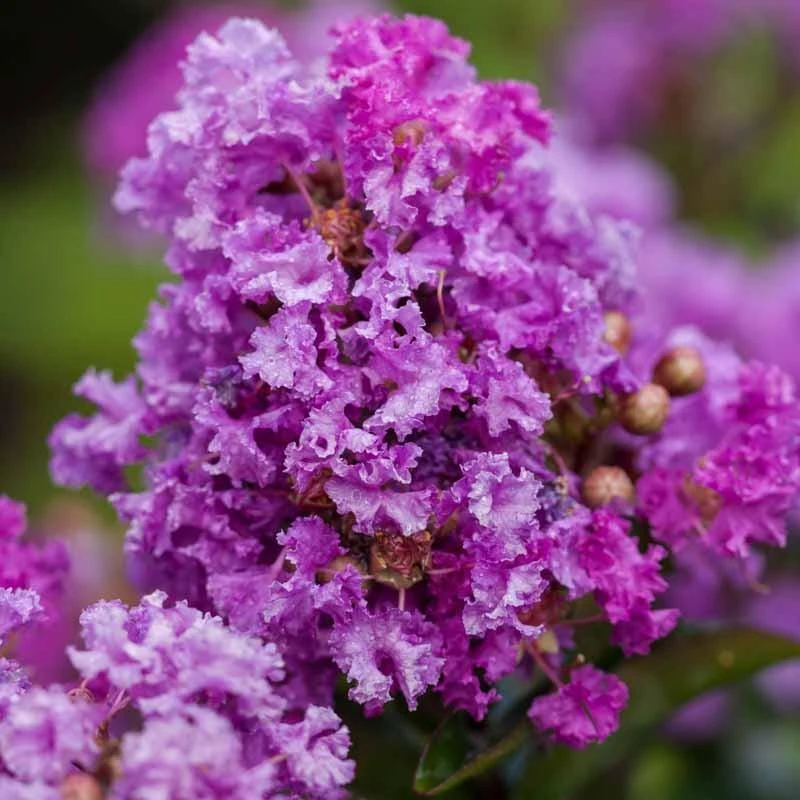
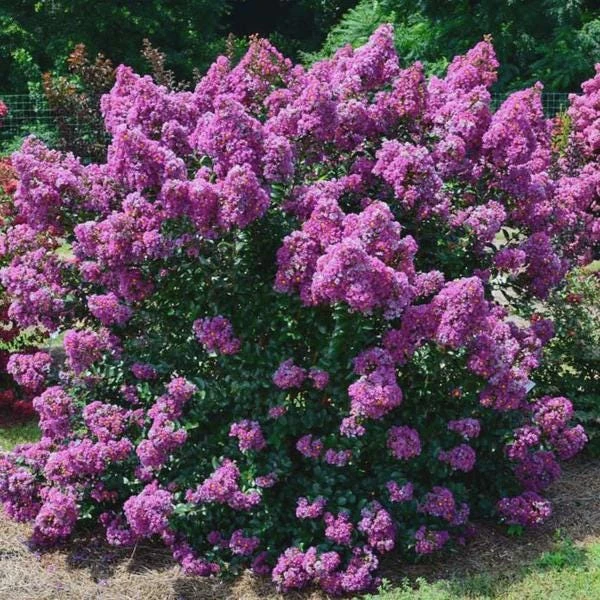
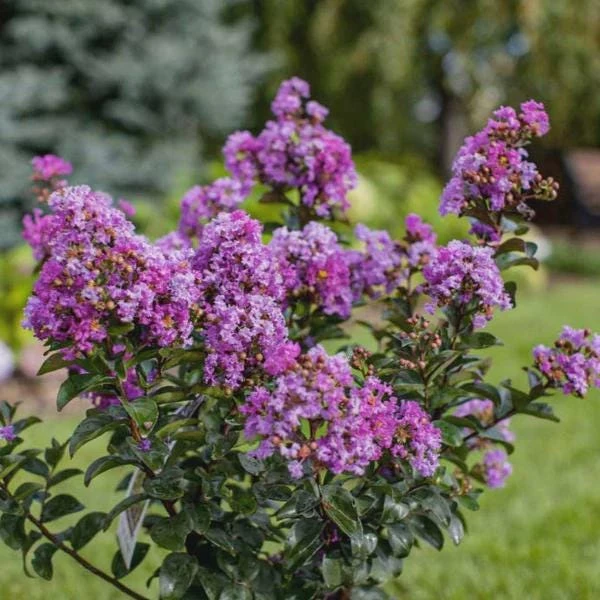
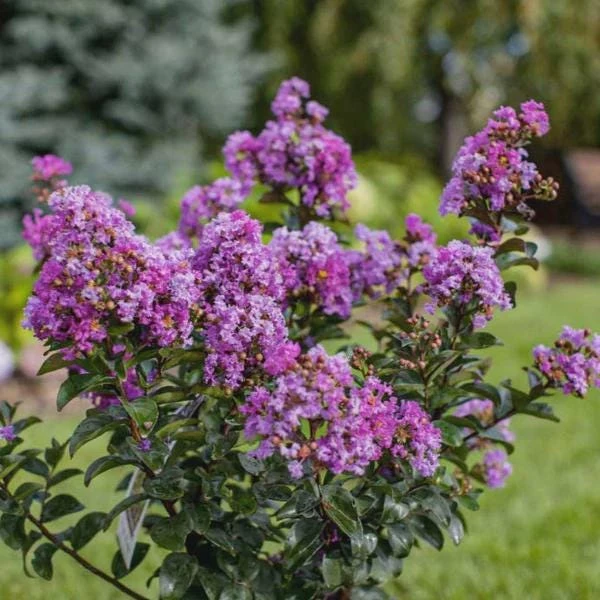
Add vibrant color to your landscape with a purple crape myrtle bush. This 12-18″ starter plant is known for its stunning purple blooms from summer to fall and attractive multi-season foliage. A low-maintenance, drought-tolerant shrub perfect for outdoor gardens.
Estimated arrival
Nov 26
Dec 01 - Dec 03
Dec 03 - Dec 08
See our Shipping Policy.
Get in touch with us via email, and our team will review your concerns.
Our Alive & Thrive Guarantee covers issues with your plants within the first 30 days. Read our Refund & Returns Policy.
-
USDA Hardiness Zone
USDA Zones 7-9 -
Soil Type
Well-draining soil -
Sunlight Exposure
Full sun -
Expected Planting Period
Late winter to early spring (bare root)
Overview
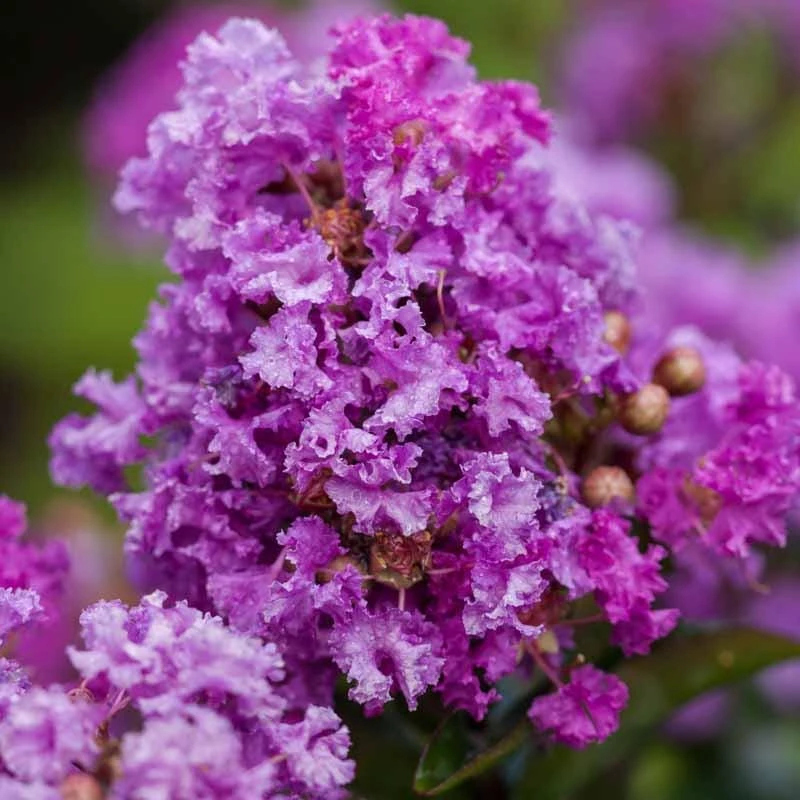
Transform your garden with the captivating beauty of a purple crape myrtle bush. This live plant, specifically a 12-18″ starter bush, is an exceptional choice for anyone looking to add long-lasting color and elegance to their outdoor space. Known by its botanical name Lagerstroemia indica, the crape myrtle is a deciduous shrub or small tree celebrated for its spectacular summer and fall blooms. This particular variety showcases vibrant purple flowers that create a stunning visual impact. Beyond its floral display, the purple crape myrtle bush offers attractive multi-season foliage, emerging with bronze hues in spring, turning dark green in summer, and transitioning to brilliant oranges, reds, and yellows in autumn. Its exfoliating bark provides year-round interest, making it a garden favorite.
Shipped as a bare root plant during fall and winter, this crape myrtle live plant is ready to establish itself in your landscape, promising years of beauty with relatively low maintenance. It’s a robust and adaptable plant, perfectly suited for various garden designs, from specimen planting to informal hedges. Its resilience and showy nature make it a highly sought-after addition for both novice and experienced gardeners.
Key Benefits
Choosing a purple crape myrtle bush for your garden brings a multitude of benefits, enhancing both the aesthetic appeal and the ecological value of your outdoor environment. This plant is not just beautiful but also remarkably resilient.
- Spectacular, Long-Lasting Blooms: Enjoy an abundance of vibrant purple, crinkly, crepe paper-like flowers that bloom profusely from mid-summer well into the fall, providing continuous color when many other plants have faded.
- Attractive Multi-Season Foliage: The leaves offer dynamic visual interest throughout the year, starting with bronze or reddish tones in spring, maturing to dark green in summer, and culminating in a brilliant display of orange, red, or yellow in autumn.
- Drought Tolerance Once Established: Once mature, this crape myrtle live plant is highly resistant to drought, making it an excellent, water-wise choice for sustainable landscaping.
- Low Maintenance: Known for being relatively easy to care for, requiring minimal pruning and attention once established, perfect for busy gardeners.
- Exfoliating Winter Bark: Mature plants develop smooth, peeling bark that reveals shades of cinnamon, gray, and pink, adding unique architectural interest to your garden during the dormant winter months.
- Versatile Landscaping Use: Ideal as a specimen plant, in mixed borders, as a hedge, or even in large containers, providing flexibility for various garden designs and enhancing any landscaping plants scheme.
- Attracts Pollinators: The abundant blooms can attract beneficial pollinators like bees and butterflies to your garden, contributing to local biodiversity.
Plant Care & Growing Tips
Caring for your purple crape myrtle bush is straightforward, especially once it’s established. These plants thrive in conditions that mimic their native environments. For optimal growth and prolific blooming, choose a site that receives full sun, meaning at least 6-8 hours of direct sunlight per day. Adequate sunlight is crucial for the best flower production and to prevent powdery mildew. In hotter climates, some afternoon shade can be beneficial, but generally, more sun equals more blooms. This crape myrtle live plant is quite adaptable to various soil types but prefers well-draining soil. Amend heavy clay soils with organic matter to improve drainage. A slightly acidic to neutral pH (6.0-7.0) is ideal.
Water regularly during the first growing season to help establish a strong root system, especially if you’re planting a bare root specimen. Once established, crape myrtles are remarkably drought tolerant shrubs and will only need supplemental watering during extended dry periods. Overwatering can lead to root rot, so ensure the soil dries out slightly between waterings. Fertilize in early spring with a balanced, slow-release fertilizer formulated for flowering shrubs. Avoid excessive nitrogen, which can promote foliage growth at the expense of flowers. Pruning is best done in late winter or early spring before new growth begins. Remove dead or crossing branches, and thin out overcrowded areas to improve air circulation and shape the plant. Crape myrtles are generally hardy in USDA zones 7-9, but some varieties can extend to zone 6.
Watch out for common issues like powdery mildew, especially in humid conditions or if plants are in too much shade. Selecting resistant varieties and ensuring good air circulation can help. Aphids can also be a minor pest; a strong spray of water can often dislodge them. Overall, the purple crape myrtle care routine is minimal, making it a rewarding plant for many gardeners.
Size & Details
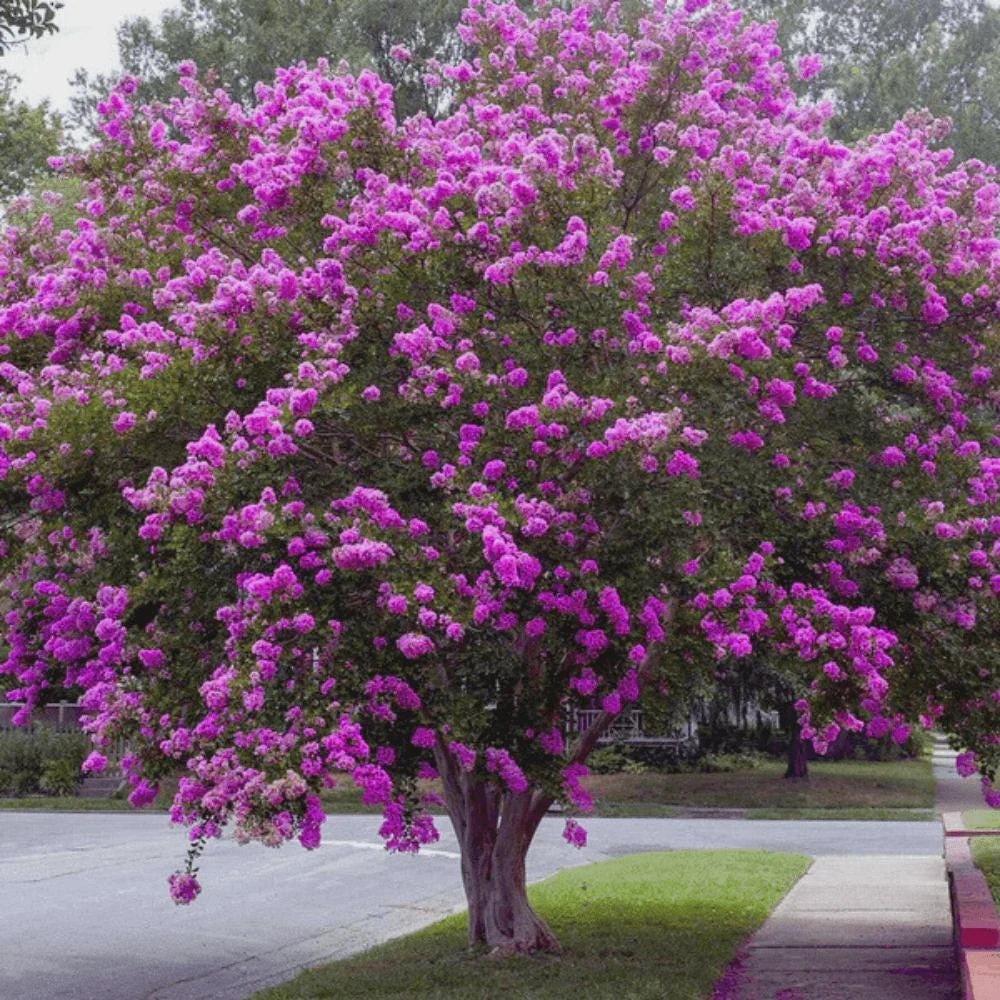
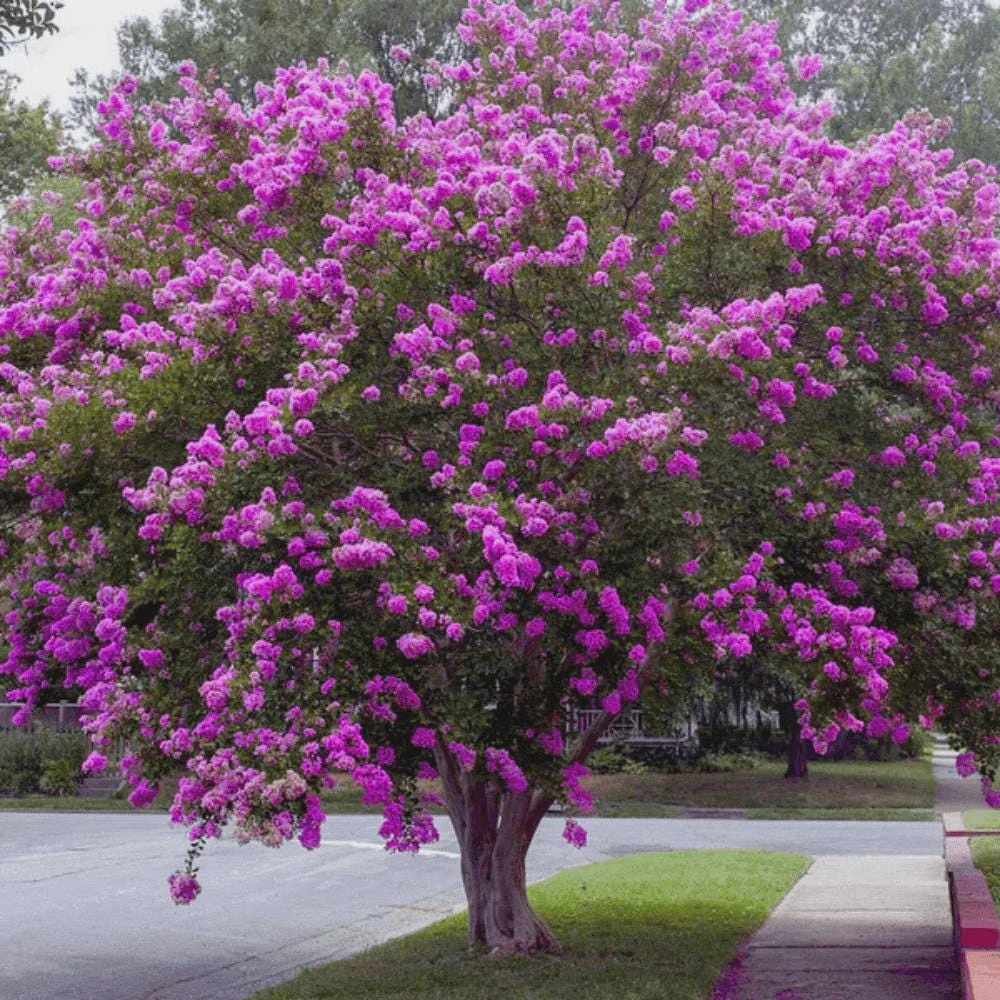
This offering is for one purple crape myrtle bush, a robust starter plant measuring approximately 12-18 inches in height. It ships as a bare root plant during its dormant season (typically fall and winter), which is an excellent time for establishment. When planted in the spring, it will leaf out and begin to establish its root system, with the potential for its first blooms in the summer of the planting year, though a full display is more common in the second season. Mature crape myrtles can vary greatly in size depending on the variety and pruning, typically growing into a shrub or small tree between 10-20 feet tall and 8-15 feet wide. This starter size provides a perfect foundation for a vigorous and beautiful specimen in your garden.
The growth rate is considered moderate to fast, adding 1-2 feet per year under ideal conditions. Its compact habit makes it suitable for various garden applications, whether you’re creating a vibrant border or a striking focal point. This crape myrtle live plant is designed to provide long-term beauty and structure to your outdoor living space.
Frequently Asked Questions
- Q: How big does this purple crape myrtle bush get? A: This starter plant is 12-18 inches tall upon arrival. When mature, most purple crape myrtle varieties can grow to be 10-20 feet tall and 8-15 feet wide, depending on the specific cultivar and how it is pruned.
- Q: Is this an indoor or outdoor plant? A: The purple crape myrtle bush is an outdoor plant, best suited for planting in your garden or landscape where it can receive ample sunlight. It is not recommended for indoor cultivation.
- Q: How much sunlight does it need? A: For optimal blooming and health, this crape myrtle live plant requires full sun, meaning at least 6 to 8 hours of direct sunlight per day. Less sun can result in fewer flowers and increased susceptibility to powdery mildew.
- Q: Is this plant easy to care for? Is it good for beginners? A: Yes, crape myrtles are generally considered low-maintenance and are excellent drought tolerant shrubs, making them a good choice for beginners. Once established, they require minimal care beyond occasional watering during dry spells and annual pruning.
- Q: What condition will it arrive in? Is it shipped in soil? A: This plant is shipped as a bare root specimen during its dormant season (fall and winter). This means it will arrive without soil around its roots, carefully packaged to maintain moisture and health for planting.
- Q: How long until it blooms? When is the best time to plant? A: You may see some blooms in the first summer after planting, with a more robust floral display expected in the second growing season. The best time to plant a bare root crape myrtle is in late winter or early spring, before new growth begins.
- Q: Will it survive winter in my zone? What’s the minimum temperature? A: Purple crape myrtles are generally hardy in USDA Zones 7-9. Some varieties can tolerate Zone 6 with proper winter protection. They can withstand temperatures down to about 0°F (-18°C) or slightly lower, depending on the variety and established health. If you are in a colder zone, consider winter mulching.
- Q: What are the main benefits of planting a purple crape myrtle? A: Key benefits include its long-lasting, vibrant purple flowers, attractive multi-season foliage, drought tolerance once established, low maintenance requirements, and interesting exfoliating bark for winter interest. It’s a fantastic choice for year-round garden appeal.
- Q: What kind of soil does it prefer? A: This crape myrtle live plant prefers well-draining soil. While it can adapt to various soil types, amending heavy clay soils with organic matter will improve drainage and overall plant health.
- Q: Are there any common pest or disease issues to watch for? A: The most common issues for crape myrtles are powdery mildew (especially in humid or shaded conditions) and aphids. Choosing resistant varieties, ensuring good air circulation, and proper planting can minimize these problems.
Be the first to review “Purple Crape Myrtle Live Plant – 12-18″ Starter Bush – Outdoor Landscaping”
Related products


You May Like

How to Grow Passion Flower (Passiflora) for Tropical Blooms
Few climbing vines in the home garden command attention quite like the exotic Passion Flower (Passiflora). [...]
Nov

Thanksgiving Cactus Care: How to Get Thanksgiving Cactus to Bloom
Is your Thanksgiving cactus growing well but not giving you any flowers? Maybe it looked [...]
Nov

How to Grow Garlic for a Bountiful Home Harvest
Garlic (Allium sativum) is one of the most satisfying, low-maintenance, and flavor-packed crops you can [...]
Oct

Hardneck vs. Softneck Garlic: Which Should You Grow?
Have you ever stood in front of a seed catalog in mid-September, staring at dozens [...]
1 Comment
Oct

When to Plant Music Garlic: Ultimate US Fall Guide
Have you ever spent your fall weekend placing carefully chosen garlic cloves into rich, dark [...]
1 Comment
Oct

5 Best Bulbs for Fall Planting: Brighten Your Garden This Spring
Are you dreaming of a garden full of vibrant colors in the spring? The key [...]
Aug

10 Houseplants That Will Thrive in Your Kitchen
Are you tired of your kitchen feeling dull and lifeless? Want to add a little [...]
1 Comment
Aug
Reviews
There are no reviews yet.