
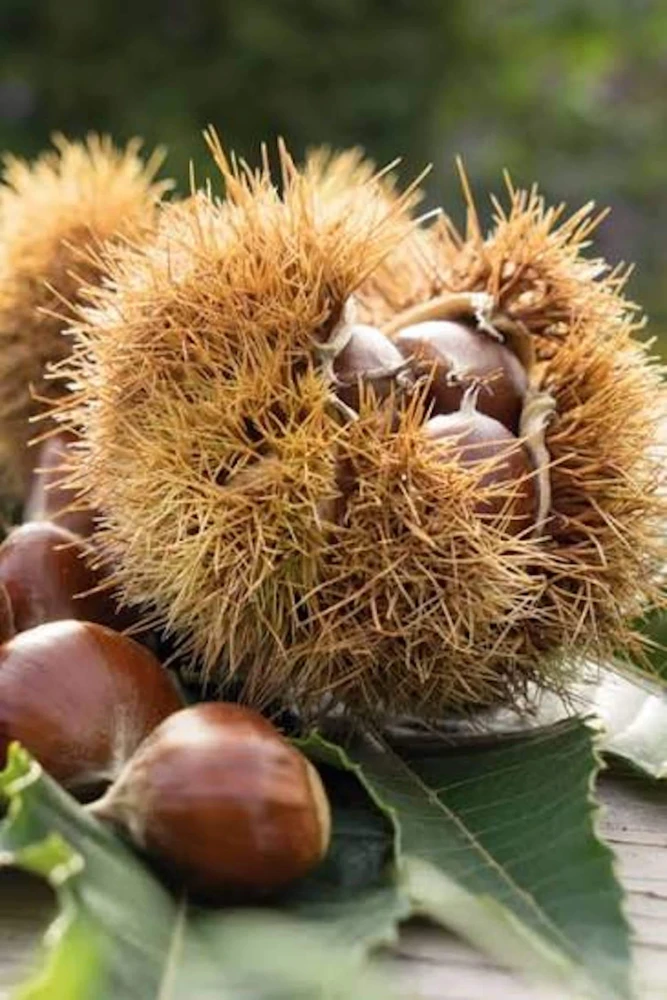
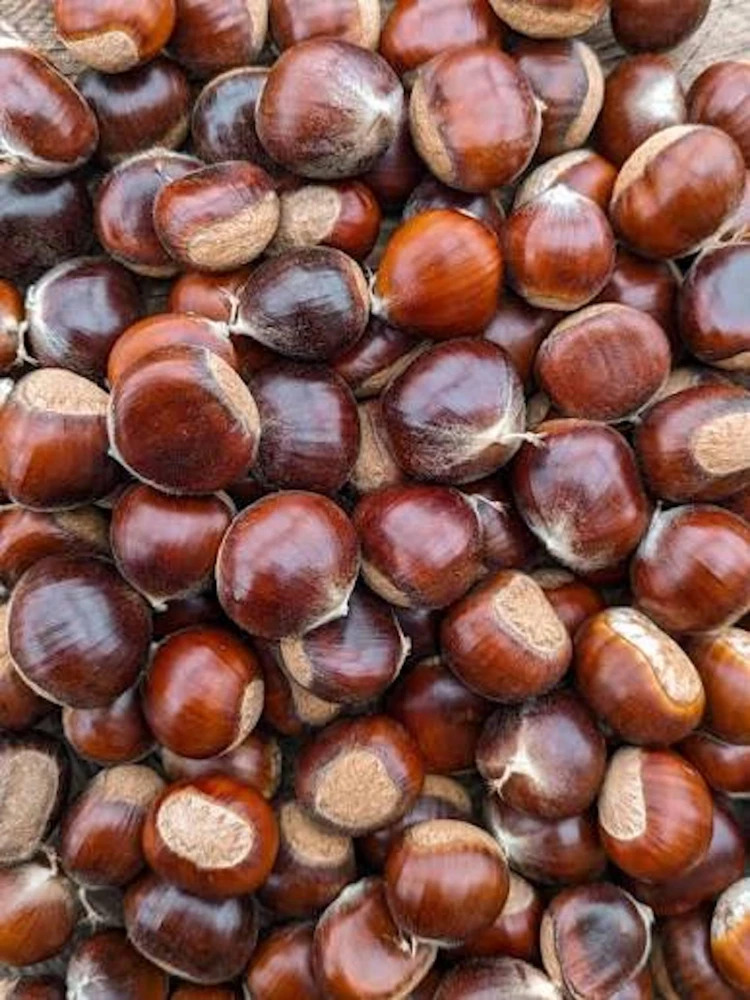
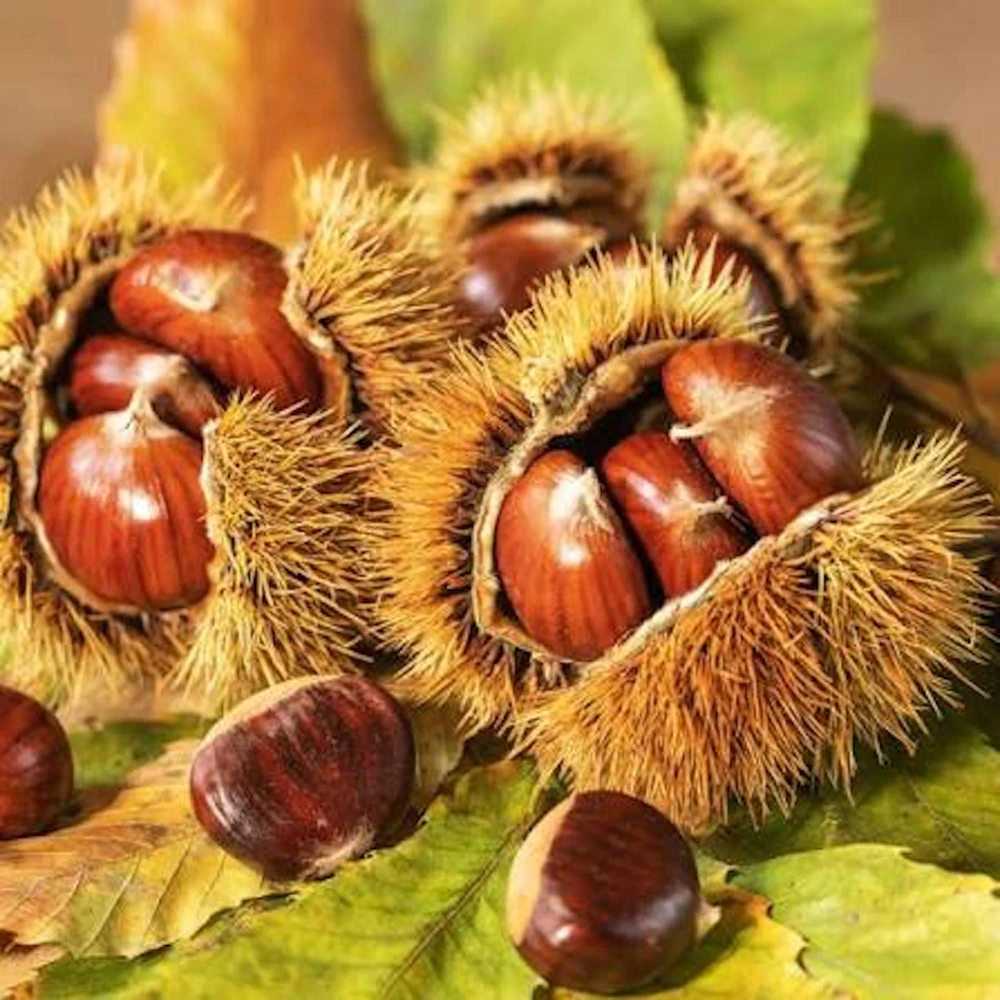
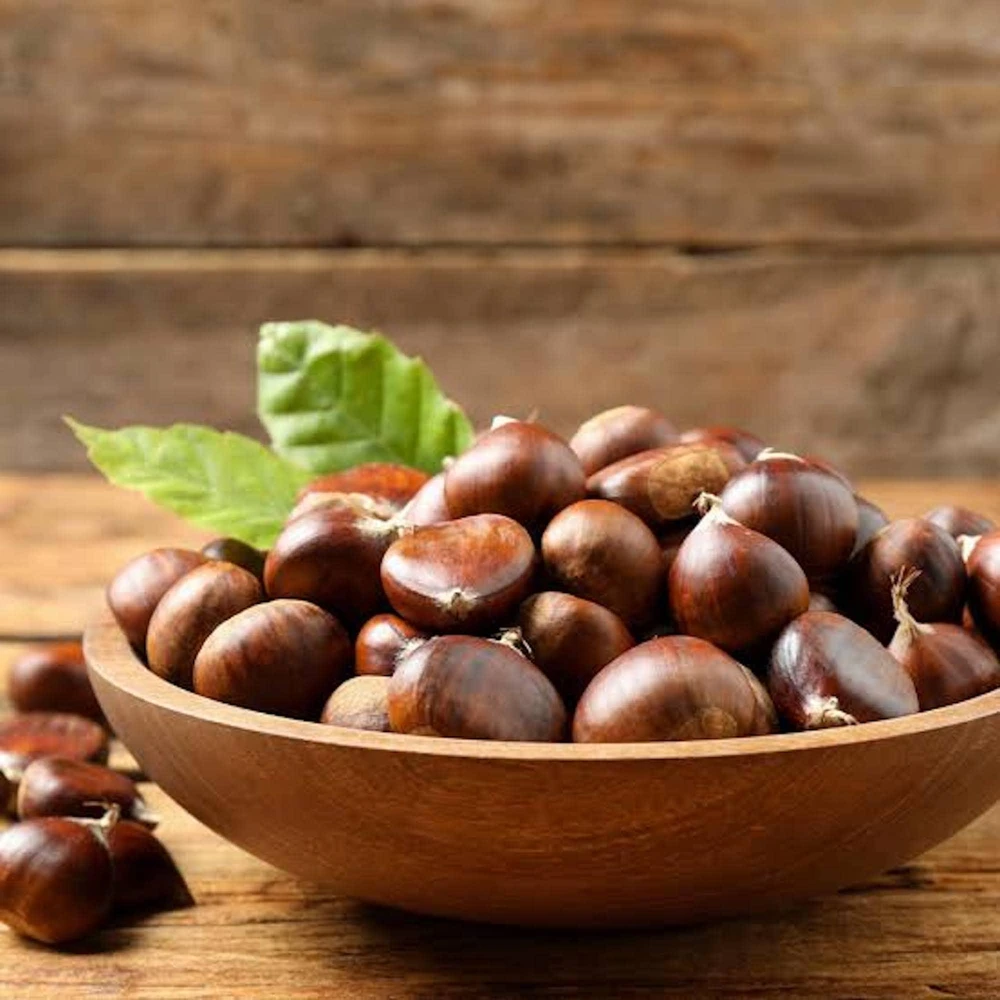
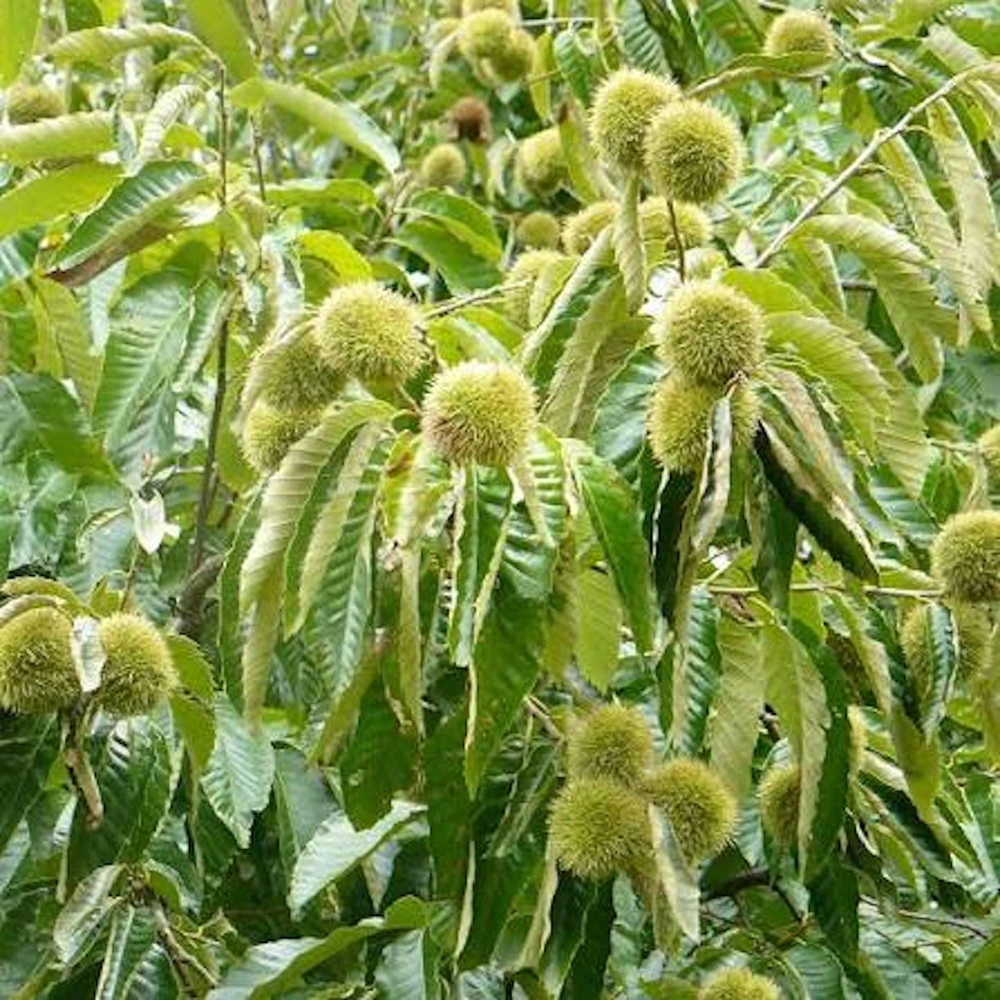
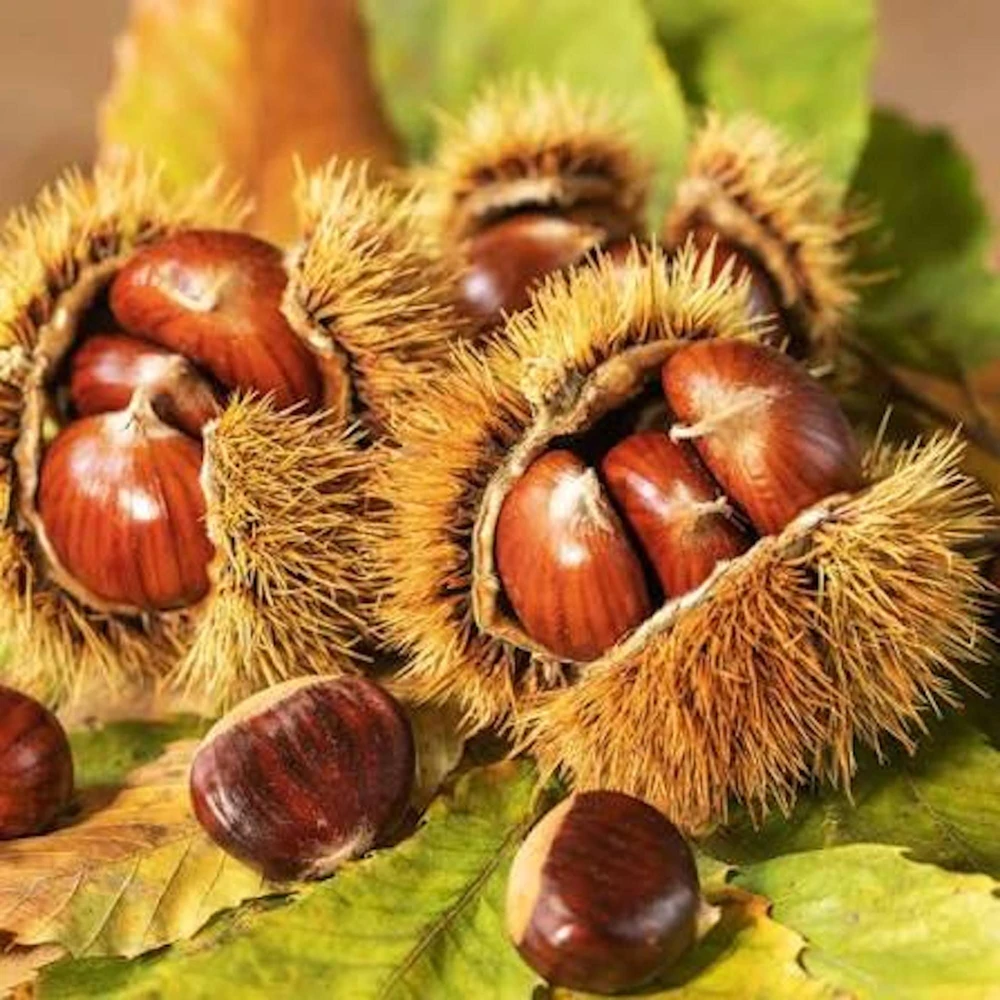
10 Chinese Chestnut Seeds for Planting – Blight Resistant Castanea Mollissima
Original price was: 65.00 $.35.00 $Current price is: 35.00 $.
Cultivate robust, blight-resistant chestnut trees with these 10 Chinese Chestnut Seeds (Castanea mollissima). Perfect for establishing a sustainable food source or attracting wildlife to your property. These stratified seeds are ready for planting to grow your own productive chestnut orchard.
Estimated arrival
Nov 27
Dec 02 - Dec 04
Dec 04 - Dec 09
See our Shipping Policy.
Get in touch with us via email, and our team will review your concerns.
Our Alive & Thrive Guarantee covers issues with your plants within the first 30 days. Read our Refund & Returns Policy.
-
USDA Hardiness Zone
USDA zones 4-8 -
Soil Type
Well-draining, slightly acidic to neutral soil -
Sunlight Exposure
Full sun -
Expected Planting Period
Late winter to early spring
Overview
Embark on a rewarding gardening journey by planting Chinese Chestnut Seeds. This offering includes 10 premium, stratified seeds of Castanea mollissima, renowned for their inherent resistance to the devastating chestnut blight. Ideal for both the enthusiastic homesteader and the dedicated wildlife manager, these seeds promise to grow into hardy, long-lived perennial trees that yield abundant crops of sweet, delicious nuts. Unlike native American chestnuts, the Chinese variety offers a dependable and robust solution for establishing a productive chestnut orchard or enhancing your landscape with a resilient, beautiful shade tree.
Cultivating Castanea mollissima seeds allows you to create a lasting legacy, providing food for your family or a vital food source for local wildlife, particularly deer. These trees are not only practical but also aesthetically pleasing, offering glossy green summer foliage and vibrant yellow-orange fall colors. Begin your sustainable project today with these high-quality, fresh-harvested seeds, designed for successful germination and vigorous growth.
Key Benefits
Choosing to plant Chinese Chestnut Seeds offers a multitude of advantages for both personal enjoyment and ecological impact. These resilient seeds grow into trees that provide substantial benefits:
- Blight Resistant: Inherently resistant to chestnut blight, a disease that has decimated native chestnut populations. This makes them a highly dependable and long-term investment for your landscape, ensuring a healthy and productive tree for decades.
- Wildlife & Deer Magnet: A top choice for hunters and land managers, these trees establish reliable wildlife food plots. The sweet, nutritious nuts are a favorite of deer, turkeys, and other wildlife, significantly increasing activity on your property. Planting these seeds helps create a thriving ecosystem.
- High Yielding: Once established, these trees produce a heavy crop of sweet, edible nuts. You can expect substantial harvests in as little as 5 to 7 years from seed, providing a sustainable food source for your family or for sale.
- Landscape Tree: Beyond their productive capacity, Chinese Chestnut Trees provide exceptional shade, featuring glossy green summer foliage and beautiful yellow-orange fall colors. They make an attractive addition to any home landscape, offering both beauty and utility.
- Sustainable Homesteading: Perfect for those pursuing sustainable living, these trees contribute to food self-sufficiency and ecological balance. Growing your own nuts reduces reliance on external food systems and supports local biodiversity.
- Stratified for Success: These seeds come pre-stratified, mimicking natural winter conditions, which significantly improves germination rates and simplifies the planting process for home growers.
- Adaptable Growth: While preferring certain conditions, blight resistant chestnut trees are known for their adaptability to a range of soil types and climates, making them a versatile choice for many regions.
Plant Care & Growing Tips
Growing Chinese Chestnut Trees from seed is a rewarding process that requires attention to specific environmental conditions to ensure successful germination and establishment. Once your 10 Chinese Chestnut Seeds arrive, they are typically ready for planting, as they have been stratified. Plant seeds 1-2 inches deep in well-draining soil, ideally in late winter or early spring after the last hard frost. For optimal growth, choose a site that receives full sun, meaning at least 6-8 hours of direct sunlight per day. Adequate sunlight is crucial for nut production and overall tree health.
Soil Type and Watering: Chinese Chestnuts thrive in well-draining, slightly acidic to neutral soil (pH 5.5-7.0). Avoid heavy clay soils that retain too much moisture, as this can lead to root rot. Amend compacted soils with organic matter to improve drainage and fertility. Water newly planted seeds regularly to keep the soil consistently moist but not waterlogged. Once established, young trees will still require consistent moisture, especially during dry periods. Mature trees are more drought-tolerant but will benefit from supplemental watering during prolonged dry spells. Fertilize young trees with a balanced, slow-release fertilizer in the spring to support vigorous growth. Protect seedlings from pests like rodents and deer, which can browse on young shoots. Your efforts will be rewarded with robust trees and a bountiful harvest of nuts, making these grow chestnut trees a valuable addition to your land.
Size & Details
This product includes 10 Chinese Chestnut Seeds (Castanea mollissima), pre-stratified and ready for planting. These seeds are carefully selected to ensure high viability, providing you with a strong start for your chestnut orchard. Chinese Chestnut trees are known for their moderate to fast growth rate, typically reaching heights of 30-60 feet at maturity with a similar spread, creating a substantial canopy. The nuts themselves are sweet and flavorful, usually ripening in the fall. From planting these Castanea mollissima seeds, you can anticipate the first nut production in approximately 5 to 7 years, with yields increasing significantly as the tree matures.
The trees are shipped as bare seeds, allowing you the flexibility to plant them directly in your desired location or start them in containers. Each tree, once mature, will produce a significant quantity of nuts, making them an excellent investment for food production or attracting wildlife. The final size and yield will depend on growing conditions, soil quality, and care provided, but these seeds offer the potential for robust, productive trees.
Frequently Asked Questions
- Q: How big do these Chinese Chestnut trees get? A: Chinese Chestnut Trees typically grow to a height of 30-60 feet with a similar spread at maturity. Their size can vary depending on growing conditions and care, but they are known for becoming substantial shade trees.
- Q: Are these seeds already stratified? A: Yes, the 10 Chinese Chestnut Seeds provided are pre-stratified, meaning they have undergone a cold, moist period to simulate winter conditions, which helps break dormancy and improves germination rates.
- Q: How much sunlight do Chinese Chestnuts need? A: For optimal growth and nut production, Chinese Chestnut Trees require full sun, meaning at least 6-8 hours of direct sunlight per day. Choosing a sunny location is crucial for a healthy tree.
- Q: Is this plant easy to care for? A: While growing from seed requires initial care and protection, established blight resistant chestnut trees are relatively low-maintenance. They are hardy and resilient, especially with their natural resistance to chestnut blight, making them a dependable choice for growers.
- Q: When is the best time to plant these seeds? A: The best time to plant stratified Chinese Chestnut Seeds is in late winter or early spring, after the danger of hard frost has passed. This allows them to germinate as the weather warms up.
- Q: How long does it take for the trees to produce nuts? A: You can expect the first nut production from your grow chestnut trees in approximately 5 to 7 years from planting the seeds. Yields will increase as the tree matures over time.
- Q: What kind of soil do Chinese Chestnuts prefer? A: Castanea mollissima seeds thrive in well-draining, slightly acidic to neutral soil (pH 5.5-7.0). Good drainage is essential, so avoid heavy clay soils that can become waterlogged.
- Q: Will these trees attract wildlife? A: Yes, Chinese Chestnut Trees are excellent for attracting wildlife, particularly deer, turkeys, and other animals that feed on their sweet, nutritious nuts. They are a popular choice for creating wildlife food plots.
- Q: Can I grow these in a container initially? A: You can start Chinese Chestnut Seeds in large containers for a year or two before transplanting them to their permanent outdoor location. Ensure the containers have excellent drainage and sufficient depth for root development.
- Q: Are these resistant to the chestnut blight? A: Yes, one of the primary benefits of the Chinese Chestnut Trees is their natural and strong resistance to the chestnut blight, making them a superior and more reliable alternative to native American chestnut varieties.
Be the first to review “10 Chinese Chestnut Seeds for Planting – Blight Resistant Castanea Mollissima”
Related products




You May Like

How to Grow Passion Flower (Passiflora) for Tropical Blooms
Few climbing vines in the home garden command attention quite like the exotic Passion Flower (Passiflora). [...]
Nov

Thanksgiving Cactus Care: How to Get Thanksgiving Cactus to Bloom
Is your Thanksgiving cactus growing well but not giving you any flowers? Maybe it looked [...]
Nov

How to Grow Garlic for a Bountiful Home Harvest
Garlic (Allium sativum) is one of the most satisfying, low-maintenance, and flavor-packed crops you can [...]
Oct

Hardneck vs. Softneck Garlic: Which Should You Grow?
Have you ever stood in front of a seed catalog in mid-September, staring at dozens [...]
1 Comment
Oct

When to Plant Music Garlic: Ultimate US Fall Guide
Have you ever spent your fall weekend placing carefully chosen garlic cloves into rich, dark [...]
1 Comment
Oct

5 Best Bulbs for Fall Planting: Brighten Your Garden This Spring
Are you dreaming of a garden full of vibrant colors in the spring? The key [...]
Aug

10 Houseplants That Will Thrive in Your Kitchen
Are you tired of your kitchen feeling dull and lifeless? Want to add a little [...]
1 Comment
Aug
Reviews
There are no reviews yet.