
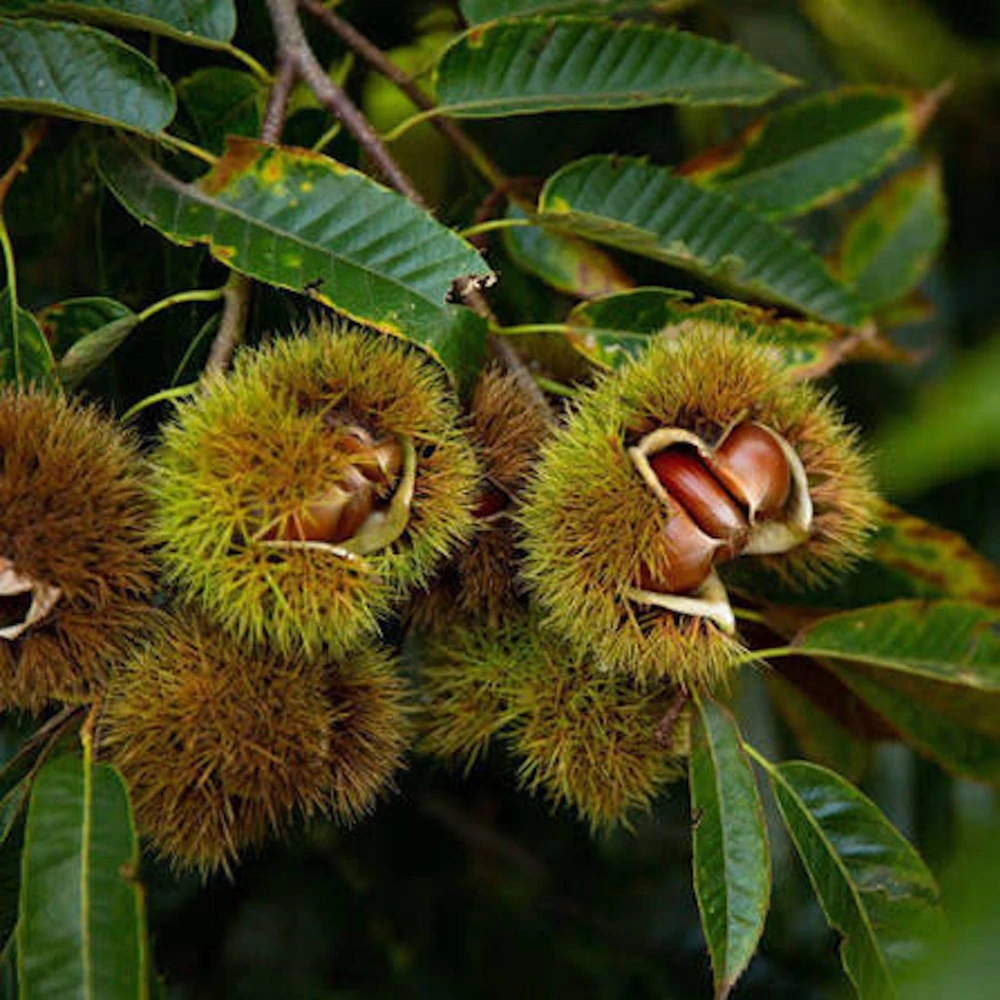
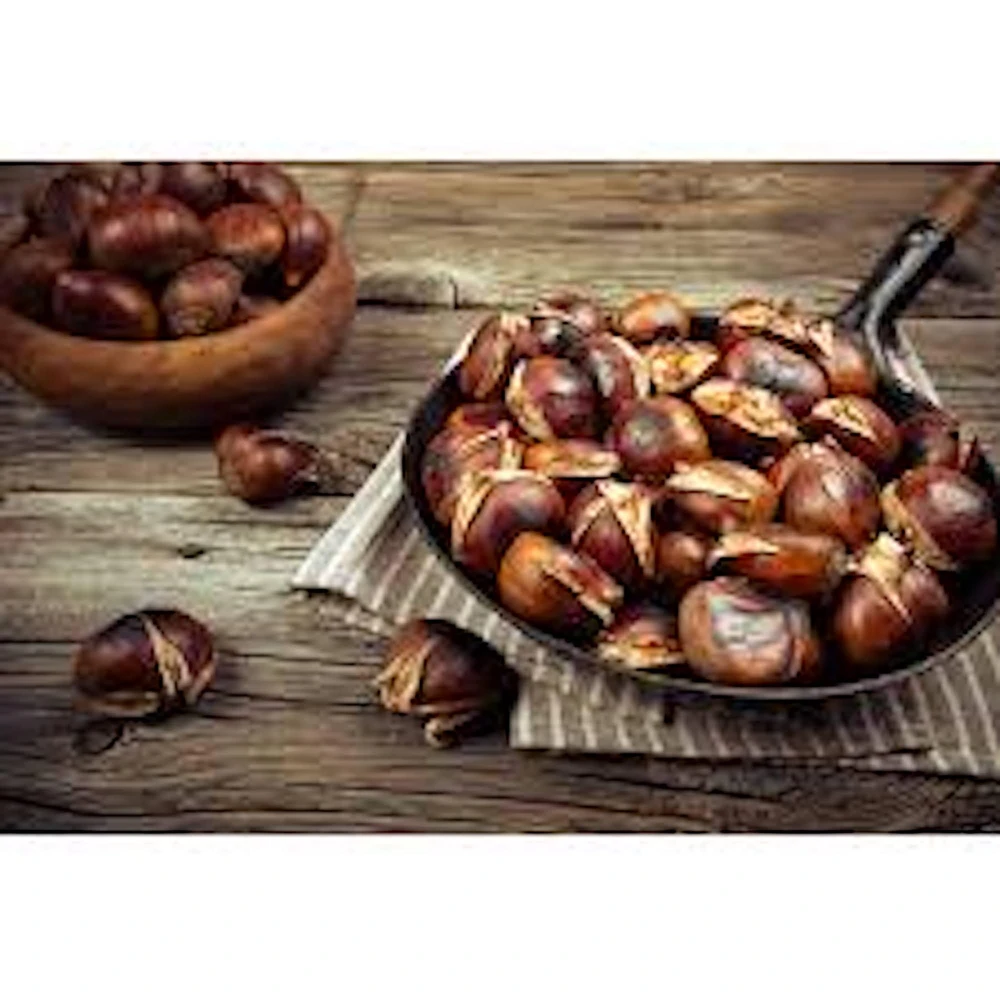
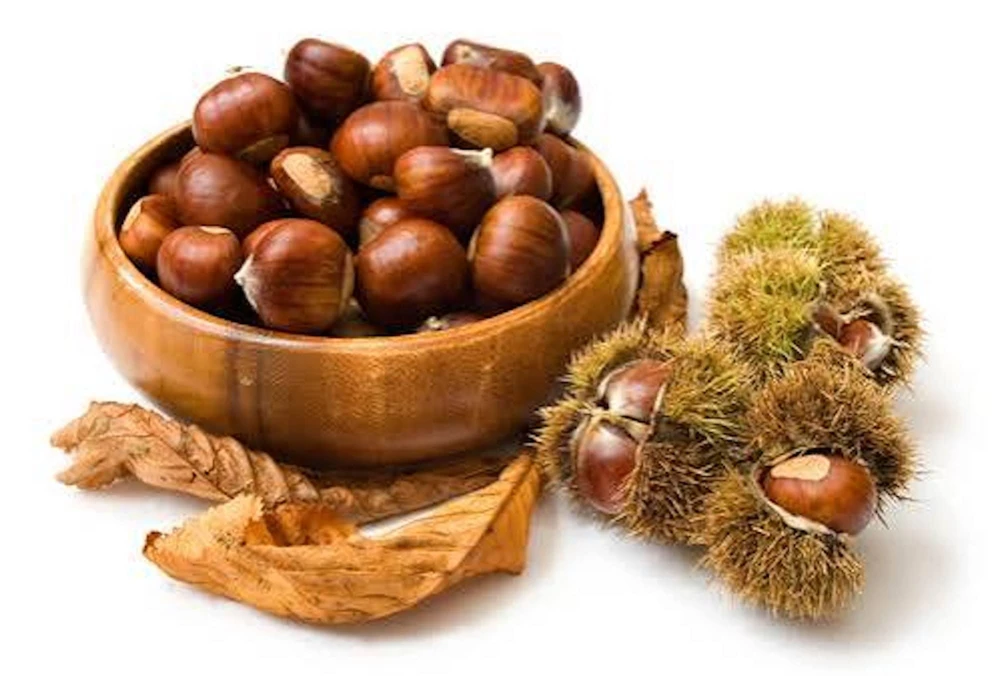
Bisalta Italian Chestnut Seeds for Planting – Stratified, Cold Hardy
Original price was: 65.00 $.35.00 $Current price is: 35.00 $.
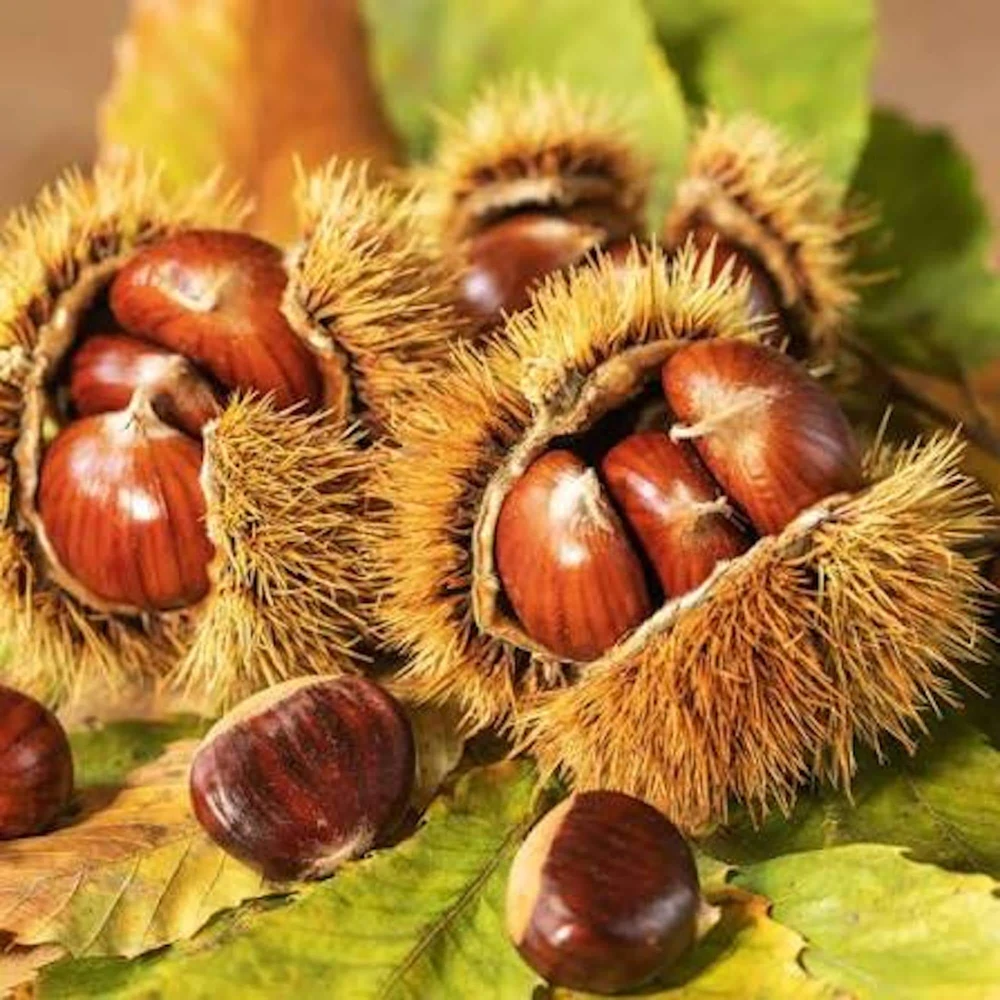
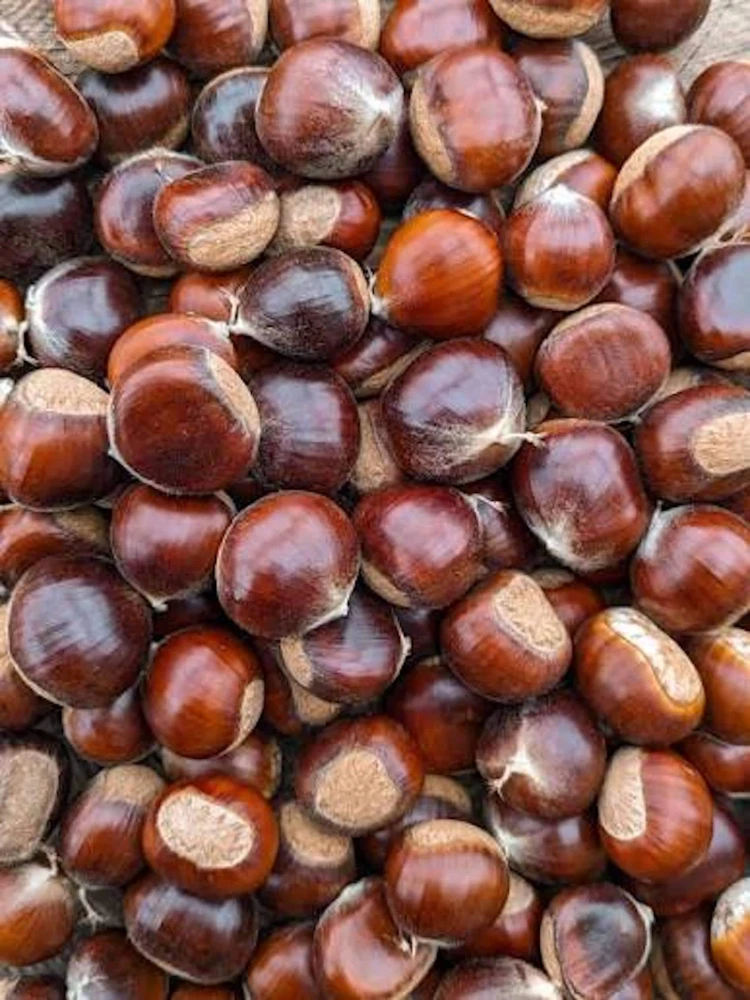
Cultivate robust, high-yielding Bisalta Italian chestnut trees with these premium, pre-stratified seeds. Known for exceptional vigor, cold-climate production, and superior storage life, these seeds are ready for planting to establish your orchard or homestead.
Estimated arrival
Nov 26
Dec 01 - Dec 03
Dec 03 - Dec 08
See our Shipping Policy.
Get in touch with us via email, and our team will review your concerns.
Our Alive & Thrive Guarantee covers issues with your plants within the first 30 days. Read our Refund & Returns Policy.
-
USDA Hardiness Zone
USDA Zones 5-9 -
Soil Type
Well-draining, slightly acidic to neutral soil -
Sunlight Exposure
Full sun -
Expected Planting Period
Early spring
Overview
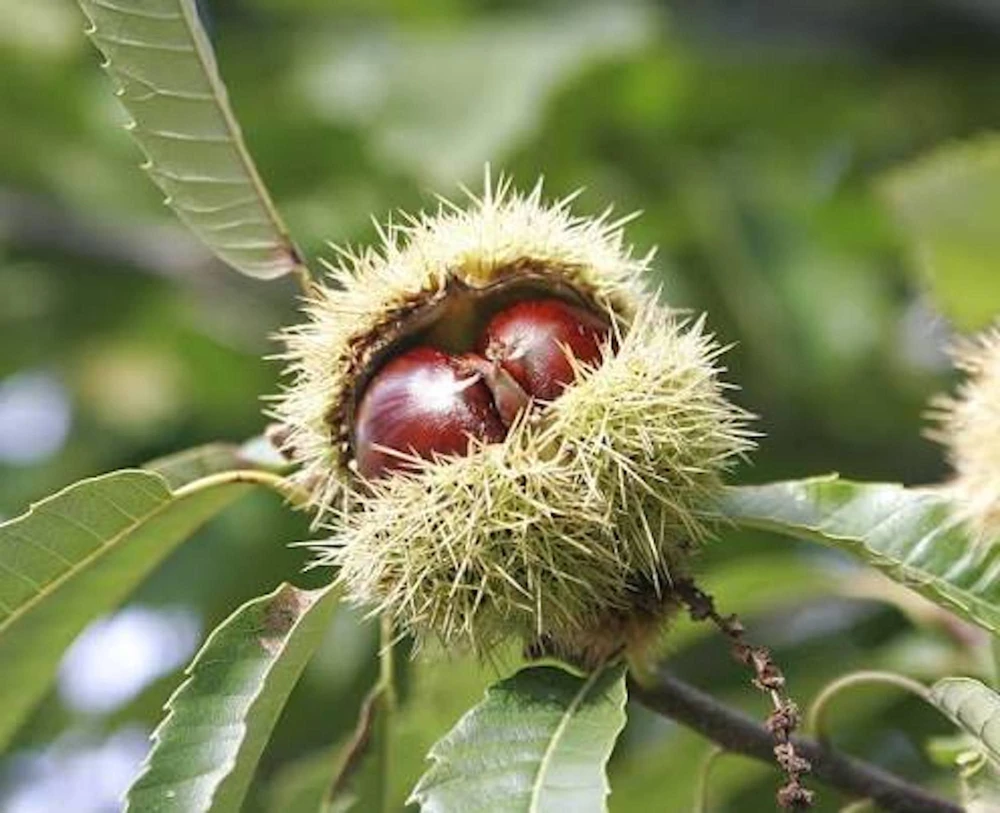
Embark on a rewarding journey of growing your own gourmet chestnuts with premium Bisalta Italian chestnut seeds. These stratified seeds (Castanea sativa x crenata) are ready for planting, offering a head start on cultivating one of the most highly prized European-Japanese hybrid chestnut varieties. Originating from Italy, Bisalta chestnuts are celebrated globally for their exceptional vigor, phenomenal cold-climate production, and outstanding storage life. If you’re looking to establish an orchard or simply add a high-yielding, flavorful nut tree to your homestead, planting these stratified chestnut seeds is an excellent choice. These specific seeds are prepared for optimal germination, ensuring a higher success rate for gardeners and growers in various regions, particularly those with cooler summers. Experience the rich heritage and abundant harvests that these remarkable trees provide, making them a valuable addition to any landscape.
The Bisalta variety is particularly renowned for its ability to thrive in northern regions, often out-producing other commercial varieties. These seeds will allow you to grow chestnut trees that produce medium-to-large, sweet, and aromatic nuts, which effortlessly fall free of their burrs, simplifying harvesting. Investing in these high-quality seeds means investing in future yields of delicious, easy-to-peel chestnuts. They are an ideal choice for anyone passionate about sustainable living, food self-sufficiency, or simply enjoying the unparalleled taste of home-grown chestnuts. The stratification process mimics natural winter conditions, breaking seed dormancy and preparing them for vigorous growth once planted.
Key Benefits
The Bisalta Italian chestnut seeds offer a multitude of advantages for both novice and experienced growers, promising a bountiful harvest and resilient trees. Discover why this variety is a top choice for cultivating productive chestnut trees:
- Incredible Cool-Climate Yields: Bisalta is a legendary performer, consistently delivering high yields in cooler summer climates. It often surpasses other commercial varieties in production, making it an excellent option for northern regions. You can expect a generous harvest from trees grown from these stratified chestnut seeds.
- Superior Storage Life: Highly regarded by growers, Bisalta chestnuts boast an impressive storage life. The nuts maintain their quality and freshness longer than many other varieties, providing extended enjoyment and marketability.
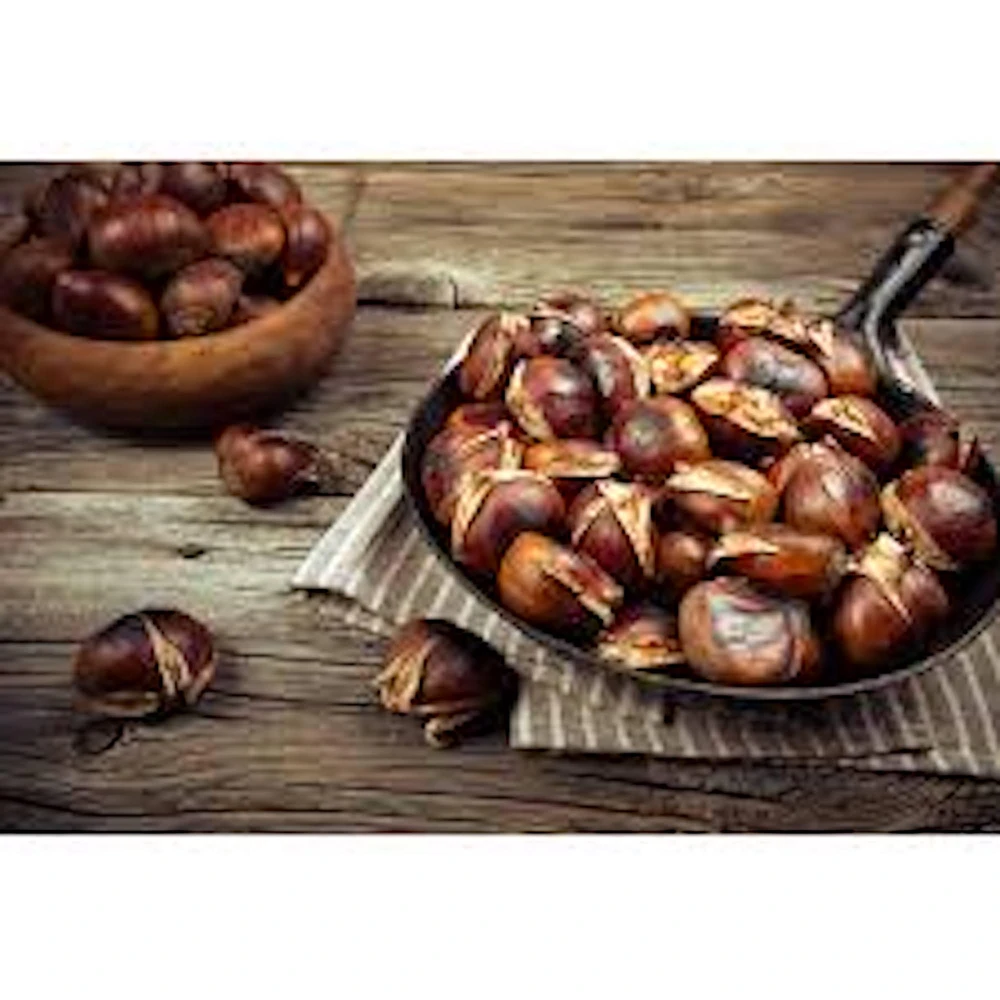
- Premium Gourmet Flavor: Enjoy medium-to-large nuts known for their sweet, rich, and aromatic flavor. These chestnuts are a culinary delight, perfect for roasting, baking, or incorporating into various dishes.
- Effortless Harvesting: The nuts naturally fall completely free of their prickly burrs, making the harvesting process significantly easier and more enjoyable. This feature is a huge time-saver for anyone looking to grow chestnut trees on a larger scale.
- Excellent Disease Resistance: This hybrid variety exhibits strong natural resistance to Phytophthora root rot and robust resilience against chestnut blight, two common and devastating chestnut tree diseases. This inherent hardiness contributes to the tree’s longevity and productivity, making it a reliable choice for long-term cultivation.
- Vigorous Growth: Bisalta trees are known for their strong, healthy growth habit, quickly establishing themselves and developing into robust, productive specimens.
- Cold Hardy Chestnut: This variety is exceptionally tolerant of cold temperatures, making it suitable for a wide range of climates where other chestnut varieties might struggle.
Plant Care & Growing Tips
To successfully grow chestnut trees from these Bisalta Italian chestnut seeds, proper care and attention to growing conditions are essential. Once germinated, the seedlings will require consistent care to establish strong root systems and healthy growth. Plant your stratified seeds in well-draining, slightly acidic to neutral soil (pH 5.5-7.0). Chestnut trees prefer full sun exposure, meaning at least 6-8 hours of direct sunlight per day. Choose a planting site that offers good air circulation and is protected from strong winds, especially during the early years of growth. Ensure the soil is consistently moist but not waterlogged, particularly during dry spells. Young trees will benefit from deep watering once or twice a week, depending on local climate conditions. Avoid overhead irrigation to minimize fungal issues.
For optimal growth, fertilize young chestnut trees with a balanced organic fertilizer in early spring, once new growth begins. Follow package instructions for application rates. Protect young seedlings from pests and diseases, and consider mulching around the base of the tree to retain moisture, suppress weeds, and regulate soil temperature. The cold hardy chestnut nature of Bisalta makes it resilient, but providing winter protection for very young trees in the coldest zones can be beneficial. Pruning should focus on developing a strong central leader and removing any dead, damaged, or crossing branches. This promotes good air circulation and light penetration, essential for fruit production. Be vigilant for common issues like blight, though the Bisalta variety offers good resistance.
Size & Details
These Bisalta Italian chestnut seeds are pre-stratified, meaning they have undergone a cold, moist treatment period to break dormancy and prepare them for germination. Each seed, once germinated and planted, has the potential to grow into a large, productive chestnut tree. Mature Bisalta chestnut trees typically reach heights of 30-50 feet with a spread of 20-40 feet, depending on growing conditions and pruning practices. They exhibit a moderate to fast growth rate once established. The nuts themselves are medium-to-large in size, ripening in late fall. Expect several years for the tree to begin producing nuts, typically 3-7 years from seed, with increasing yields as the tree matures. These seeds are ideal for establishing a new orchard or adding a valuable nut-producing tree to your landscape, promising a future of delicious harvests from your very own cold hardy chestnut trees.
The seeds are shipped in a prepared state, ready for planting upon arrival. While individual seed size can vary slightly, they are selected for viability and quality. The ultimate size and productivity of your tree will depend on factors such as soil quality, climate, and care. These seeds provide the foundation for a long-lived and highly productive tree, offering a sustainable source of gourmet chestnuts for decades to come.
Frequently Asked Questions
- Q: How do I plant the stratified Bisalta Italian chestnut seeds? A: Plant the Bisalta Italian chestnut seeds in well-draining soil, about 1-2 inches deep, in a sunny location. Keep the soil consistently moist until germination occurs, which can take several weeks to a few months.
- Q: Is this an indoor or outdoor plant? A: These seeds are for growing outdoor chestnut trees. Chestnut trees require significant space and full sun to thrive and produce nuts.
- Q: How much sunlight does a Bisalta chestnut tree need? A: Bisalta chestnut trees, like most nut trees, require full sun exposure, meaning at least 6-8 hours of direct sunlight per day, for optimal growth and nut production.
- Q: How long until the tree produces nuts? A: From seed, a Bisalta Italian chestnut tree typically begins producing nuts in 3-7 years, with yields increasing significantly as the tree matures. Patience is key when growing from seed.
- Q: What condition will the seeds arrive in? A: The seeds will arrive stratified and ready for planting, packed to maintain their viability and moisture content for successful germination.
- Q: Is this tree suitable for cold climates? A: Yes, the Bisalta variety is known as a cold hardy chestnut and is an excellent performer in cooler summer climates, often out-producing other varieties in northern regions.
- Q: What type of soil is best for growing chestnut trees? A: Chestnut trees prefer well-draining, slightly acidic to neutral soil (pH 5.5-7.0). Avoid heavy clay soils that retain too much moisture, as this can lead to root rot.
- Q: How big does a mature Bisalta chestnut tree get? A: A mature Bisalta Italian chestnut tree can reach heights of 30-50 feet with a spread of 20-40 feet, depending on growing conditions and pruning.
- Q: Are these seeds resistant to chestnut blight? A: The Bisalta variety is a European-Japanese hybrid known for its strong natural resistance to chestnut blight and Phytophthora root rot, making it a robust choice for growers.
- Q: When is the best time to plant these stratified chestnut seeds? A: Stratified seeds are typically planted in early spring, after the last risk of hard frost, to allow them to sprout and establish during the growing season.
Be the first to review “Bisalta Italian Chestnut Seeds for Planting – Stratified, Cold Hardy”
Related products




Tree Seeds
Canino Olive Tree Seeds – 10 Pack Olea Europaea Canino for Edible Olives, Full Sun, Zones 9-11

You May Like

How to Grow Passion Flower (Passiflora) for Tropical Blooms
Few climbing vines in the home garden command attention quite like the exotic Passion Flower (Passiflora). [...]
Nov

Thanksgiving Cactus Care: How to Get Thanksgiving Cactus to Bloom
Is your Thanksgiving cactus growing well but not giving you any flowers? Maybe it looked [...]
Nov

How to Grow Garlic for a Bountiful Home Harvest
Garlic (Allium sativum) is one of the most satisfying, low-maintenance, and flavor-packed crops you can [...]
Oct

Hardneck vs. Softneck Garlic: Which Should You Grow?
Have you ever stood in front of a seed catalog in mid-September, staring at dozens [...]
1 Comment
Oct

When to Plant Music Garlic: Ultimate US Fall Guide
Have you ever spent your fall weekend placing carefully chosen garlic cloves into rich, dark [...]
1 Comment
Oct

5 Best Bulbs for Fall Planting: Brighten Your Garden This Spring
Are you dreaming of a garden full of vibrant colors in the spring? The key [...]
Aug

10 Houseplants That Will Thrive in Your Kitchen
Are you tired of your kitchen feeling dull and lifeless? Want to add a little [...]
1 Comment
Aug
Reviews
There are no reviews yet.