
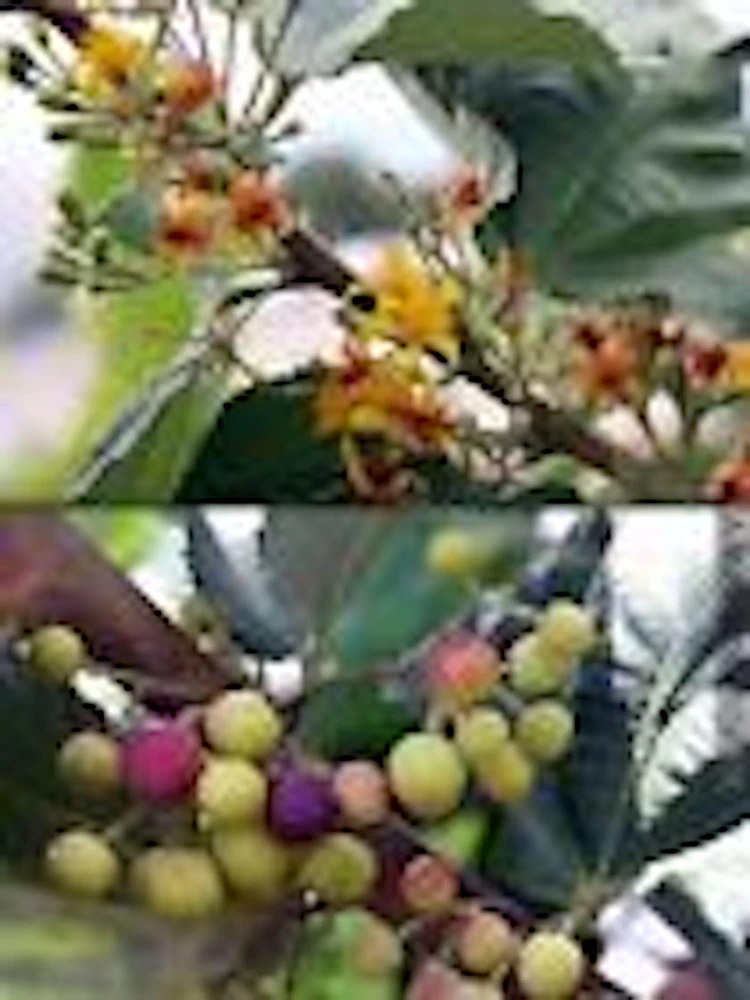
Sherbet Berry Live Plant (Grewia Asiatica) Edible Fruit Starter Shrub
Original price was: 66.00 $.36.00 $Current price is: 36.00 $.
Cultivate your own sherbet berry live plant, also known as Grewia Asiatica. This perennial, drought-tolerant shrub produces delicious, antioxidant-rich edible fruits. It’s a versatile starter plant, suitable for both indoor and outdoor cultivation, bringing a taste of the tropics to your home or garden.
Estimated arrival
Nov 26
Dec 01 - Dec 03
Dec 03 - Dec 08
See our Shipping Policy.
Get in touch with us via email, and our team will review your concerns.
Our Alive & Thrive Guarantee covers issues with your plants within the first 30 days. Read our Refund & Returns Policy.
-
USDA Hardiness Zone
USDA zones 9-11 -
Soil Type
Adapts to a wide variety of soils, well-draining -
Sunlight Exposure
Full to part sun -
Expected Planting Period
Year-round indoors; Spring to summer outdoors
Overview
Discover the delightful sherbet berry live plant, scientifically known as Grewia Asiatica. This unique perennial shrub or small tree is celebrated for its delicious and nutrient-packed edible fruits. Originating from Southeast Asia, the Sherbet Berry is a resilient and drought-tolerant plant that thrives in various climates, making it an excellent addition to both experienced and novice gardeners’ collections. It’s an ideal choice for those looking to grow their own exotic fruits, offering both ornamental beauty and culinary rewards. This starter plant provides the foundation for a thriving fruit-bearing specimen, whether you choose to grow it indoors or as part of your outdoor landscape.
The Sherbet Berry, often referred to as Phalsa, is a fascinating specimen for any garden enthusiast. Its ability to adapt to a wide range of conditions, coupled with its highly sought-after berries, makes it a valuable plant. The berries are not only tasty when eaten fresh but can also be transformed into a refreshing, tart beverage, providing a unique flavor experience. This grewia asiatica plant offers a glimpse into diverse botanical traditions, bringing a touch of the exotic to your home.
Key Benefits
Adding a sherbet berry live plant to your collection offers a multitude of benefits, from its unique fruit to its resilient nature. This plant is more than just a decorative addition; it’s a productive and rewarding investment for any garden.
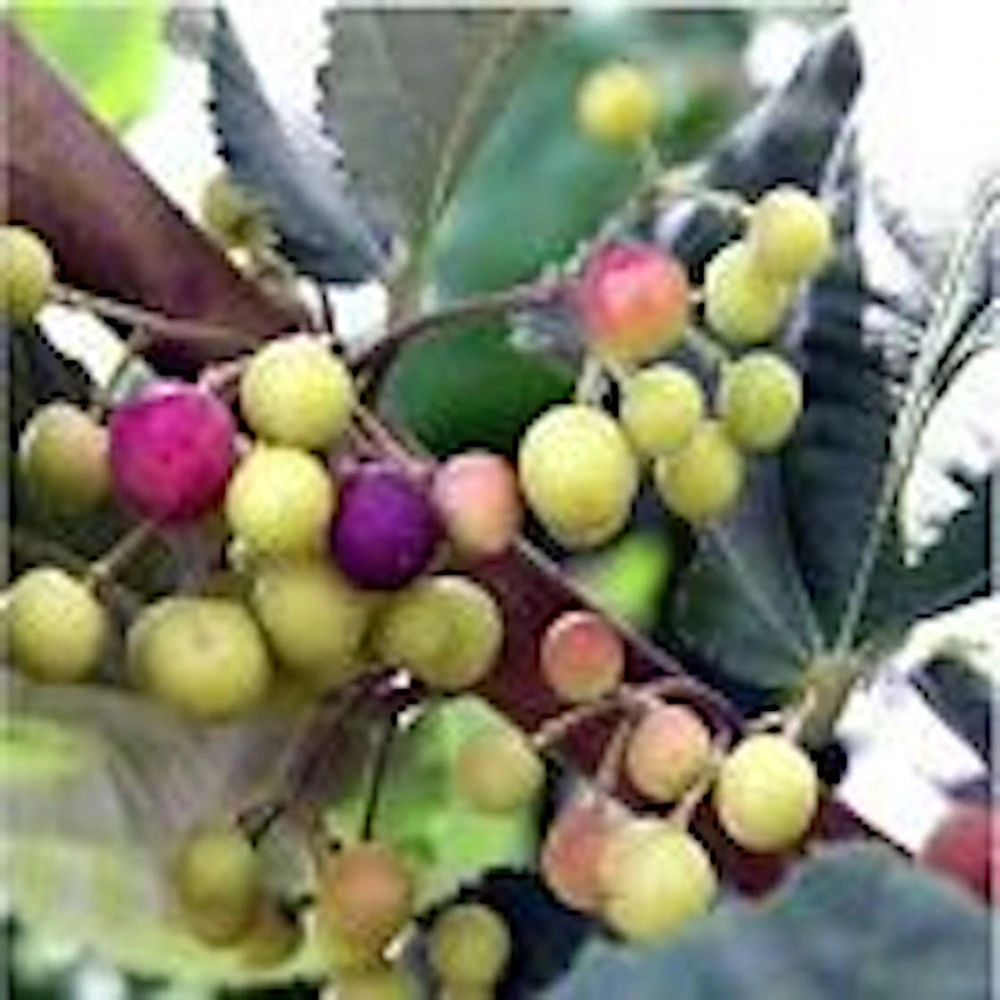
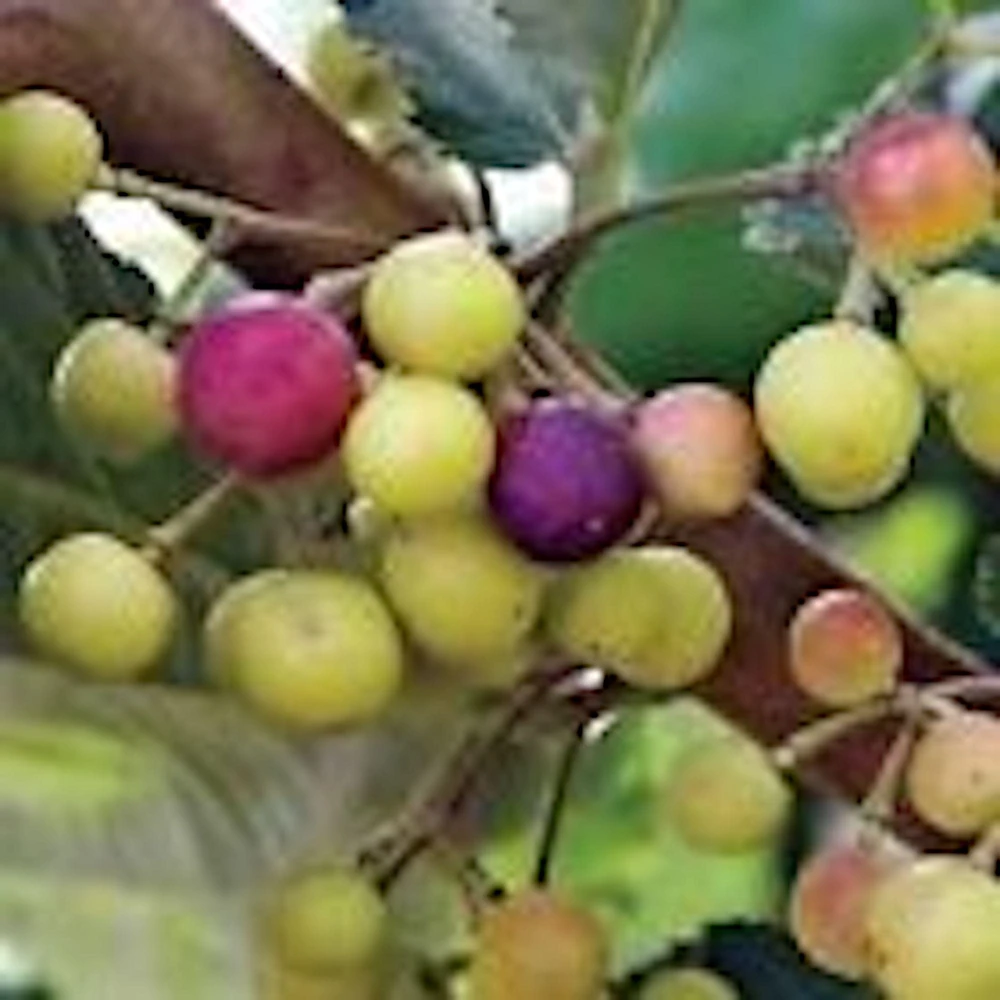
- Delicious Edible Fruit: The Sherbet Berry produces small, flavorful berries (1/4 to 1/2 inch diameter) that are sweet and tart, perfect for fresh eating or making refreshing drinks. This makes it an excellent edible fruit plant for home cultivation.
- Rich in Antioxidants: The fruits are loaded with beneficial antioxidants, supporting overall health and well-being.
- Drought-Tolerant: Once established, this plant is remarkably resilient to dry conditions, requiring only average watering, making it a low-maintenance choice. This characteristic highlights its nature as a drought tolerant plant.
- Versatile Growth: Suitable for both indoor and outdoor cultivation, allowing gardeners in various climates to enjoy its fruits. It can be grown as a shrub or a small tree.
- Medicinal Properties: Traditionally, Sherbet Berry has been recognized for various medicinal uses in its native regions.
- Attractive Foliage: Beyond its fruit, the plant features attractive deciduous foliage, adding a tropical aesthetic to your space.
- Adaptable to Various Soils: The Sherbet Berry adapts well to a wide range of soil types, simplifying its planting requirements.
Plant Care & Growing Tips
Caring for your sherbet berry live plant is relatively straightforward, thanks to its robust and adaptable nature. To ensure optimal growth and fruit production, understanding its specific needs is crucial. This tropical fruit shrub thrives in conditions that mimic its native Southeast Asian habitat.
For sunlight, the Sherbet Berry prefers full to part sun. Aim for at least 6 hours of direct sunlight daily if grown outdoors. Indoors, place it near a south-facing window or provide supplemental grow lights to ensure it receives adequate light. While it adapts to a wide variety of soils, well-draining soil is essential to prevent root rot. A good quality potting mix with added perlite or sand works well for potted plants. When it comes to watering, the Sherbet Berry has average needs. Allow the top inch or two of soil to dry out between waterings, then water thoroughly until water drains from the bottom of the pot. Overwatering is a common issue, so err on the side of slightly drier soil, especially during cooler months.
The Sherbet Berry is cold hardy in USDA zones 9-11. Light frosts may cause the leaves to shed, but they typically do not damage the plant itself. If you live in a colder zone, it’s best to grow your plant in a container and bring it indoors during winter to protect it from freezing temperatures. Fertilize your grewia asiatica plant during the growing season (spring and summer) with a balanced, slow-release fertilizer or a liquid feed at half strength every 2-4 weeks. Reduce fertilization during fall and winter. Common problems are usually related to overwatering or insufficient light. Ensure good air circulation to prevent fungal issues. Keep an eye out for common pests like aphids or spider mites and treat them with organic insecticidal soap if necessary.
Size & Details
The sherbet berry live plant typically matures to an average height of 6-15 feet, forming a sizable shrub or small tree, depending on pruning and growing conditions. Its growth rate is moderate, allowing it to establish itself well within a few seasons. When cultivated in containers, its size can be managed through regular pruning, making it suitable for smaller spaces or indoor environments. The berries themselves are small, ranging from 1/4 to 1/2 inch in diameter, and are ready for harvest once they turn a deep purple-red color.
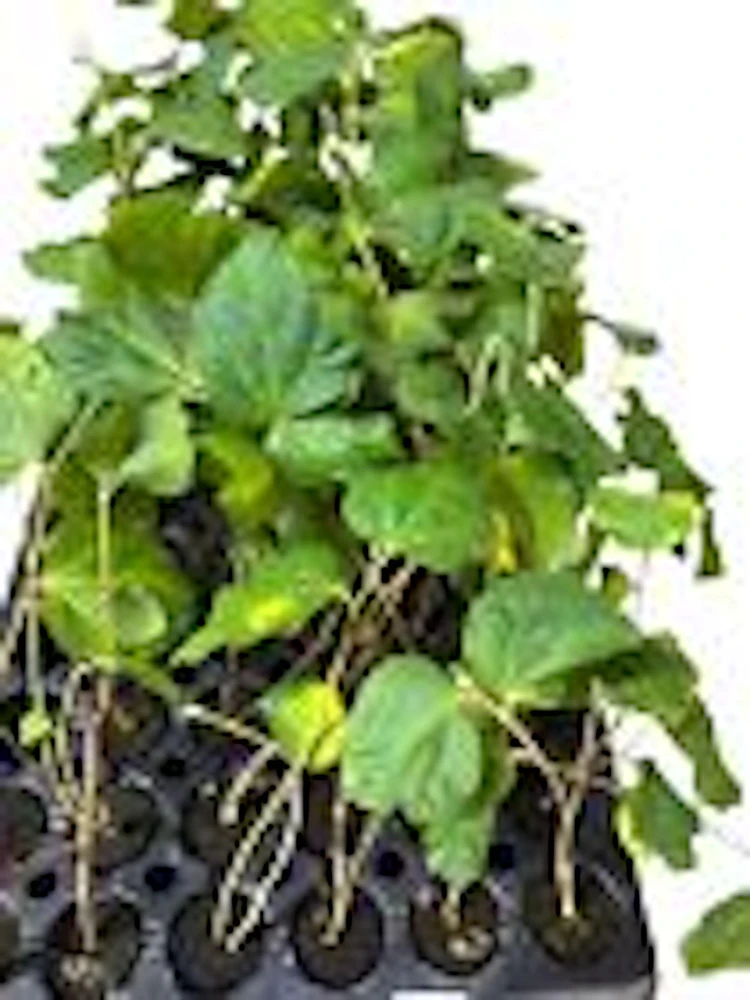
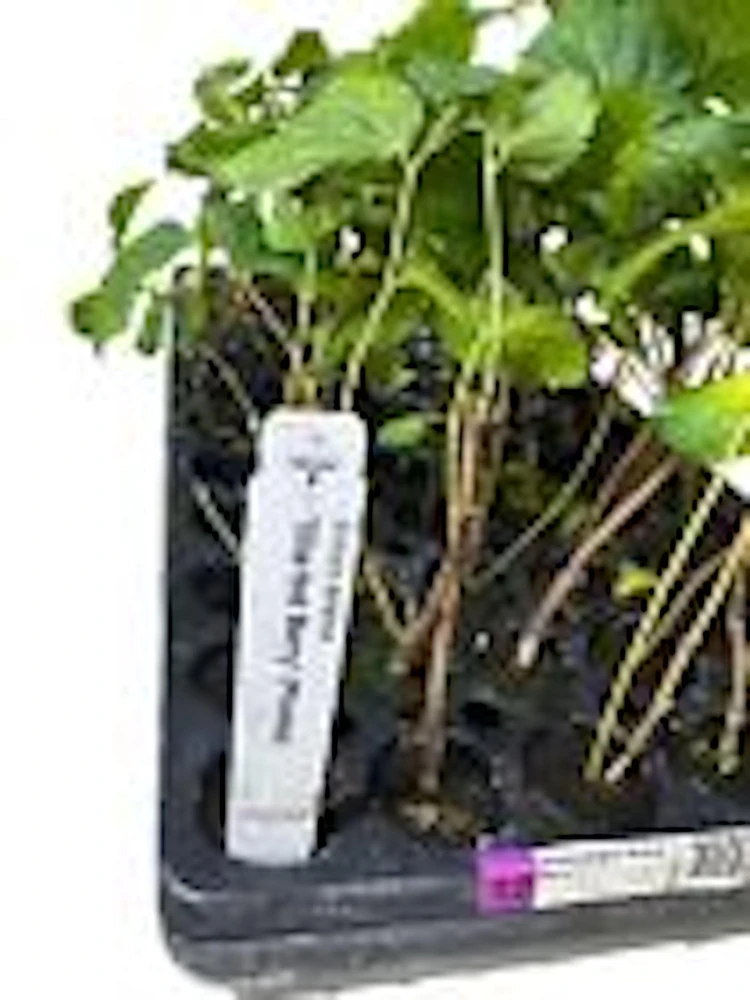
This plant is shipped bare root, meaning it will arrive without a pot and with minimal soil around its roots. This method reduces shipping stress and allows for easy transplanting into your preferred container or garden bed upon arrival. With proper care, you can expect your edible fruit plant to begin producing fruit within a few years of planting, offering a rewarding harvest of delicious, antioxidant-rich berries. The plant’s versatility as a tropical fruit shrub means it can be a long-term addition to your edible landscape.
Frequently Asked Questions
- Q: How big does this Sherbet Berry plant get? A: The sherbet berry live plant can reach an average mature height of 6-15 feet, growing as a shrub or small tree. Its size can be managed with pruning, especially when grown in containers.
- Q: Is this an indoor or outdoor plant? A: The Sherbet Berry is versatile and can be grown both indoors and outdoors. It thrives outdoors in USDA zones 9-11, and can be brought inside during colder months in other regions.
- Q: How much sunlight does the Grewia Asiatica plant need? A: This grewia asiatica plant prefers full to part sun, ideally receiving at least 6 hours of direct sunlight per day for optimal growth and fruit production.
- Q: Is this plant easy to care for? A: Yes, the Sherbet Berry is considered relatively easy to care for. It’s known for being drought-tolerant and adaptable to various soil types, making it suitable for gardeners of different skill levels.
- Q: What condition will the plant arrive in? A: The plant is shipped bare root, meaning it will arrive without a pot and with its roots carefully packed to ensure its health during transit. You will need to plant it upon arrival.
- Q: How long until it blooms or produces fruit? A: With proper care, your edible fruit plant can start producing fruit within a few years of planting. The exact timeline can vary based on growing conditions and plant maturity.
- Q: Will this drought tolerant plant survive winter in my zone? A: The Sherbet Berry is cold hardy in USDA zones 9-11. In zones below 9, it should be grown in a container and protected from frost by bringing it indoors during winter.
- Q: Can the berries be eaten fresh? A: Absolutely! The berries are delicious when eaten fresh, offering a unique sweet and tart flavor. They can also be used to make refreshing beverages.
- Q: What type of soil is best for a tropical fruit shrub like this? A: While adaptable to many soils, the tropical fruit shrub prefers well-draining soil. A good quality potting mix amended with sand or perlite is ideal for container growing.
- Q: What are the medicinal uses of Sherbet Berry? A: In its native regions, Sherbet Berry (Phalsa) has a history of traditional medicinal uses, often for its antioxidant properties and other health benefits.
Be the first to review “Sherbet Berry Live Plant (Grewia Asiatica) Edible Fruit Starter Shrub”
Related products


You May Like

How to Grow Passion Flower (Passiflora) for Tropical Blooms
Few climbing vines in the home garden command attention quite like the exotic Passion Flower (Passiflora). [...]
Nov

Thanksgiving Cactus Care: How to Get Thanksgiving Cactus to Bloom
Is your Thanksgiving cactus growing well but not giving you any flowers? Maybe it looked [...]
Nov

How to Grow Garlic for a Bountiful Home Harvest
Garlic (Allium sativum) is one of the most satisfying, low-maintenance, and flavor-packed crops you can [...]
Oct

Hardneck vs. Softneck Garlic: Which Should You Grow?
Have you ever stood in front of a seed catalog in mid-September, staring at dozens [...]
1 Comment
Oct

When to Plant Music Garlic: Ultimate US Fall Guide
Have you ever spent your fall weekend placing carefully chosen garlic cloves into rich, dark [...]
1 Comment
Oct

5 Best Bulbs for Fall Planting: Brighten Your Garden This Spring
Are you dreaming of a garden full of vibrant colors in the spring? The key [...]
Aug

10 Houseplants That Will Thrive in Your Kitchen
Are you tired of your kitchen feeling dull and lifeless? Want to add a little [...]
1 Comment
Aug
Reviews
There are no reviews yet.