
Hinnomaki Red Gooseberry Seeds – Sweet & Tart Berry Plant (10 Seeds) for Jellies & Pies
Original price was: 34.53 $.14.53 $Current price is: 14.53 $.
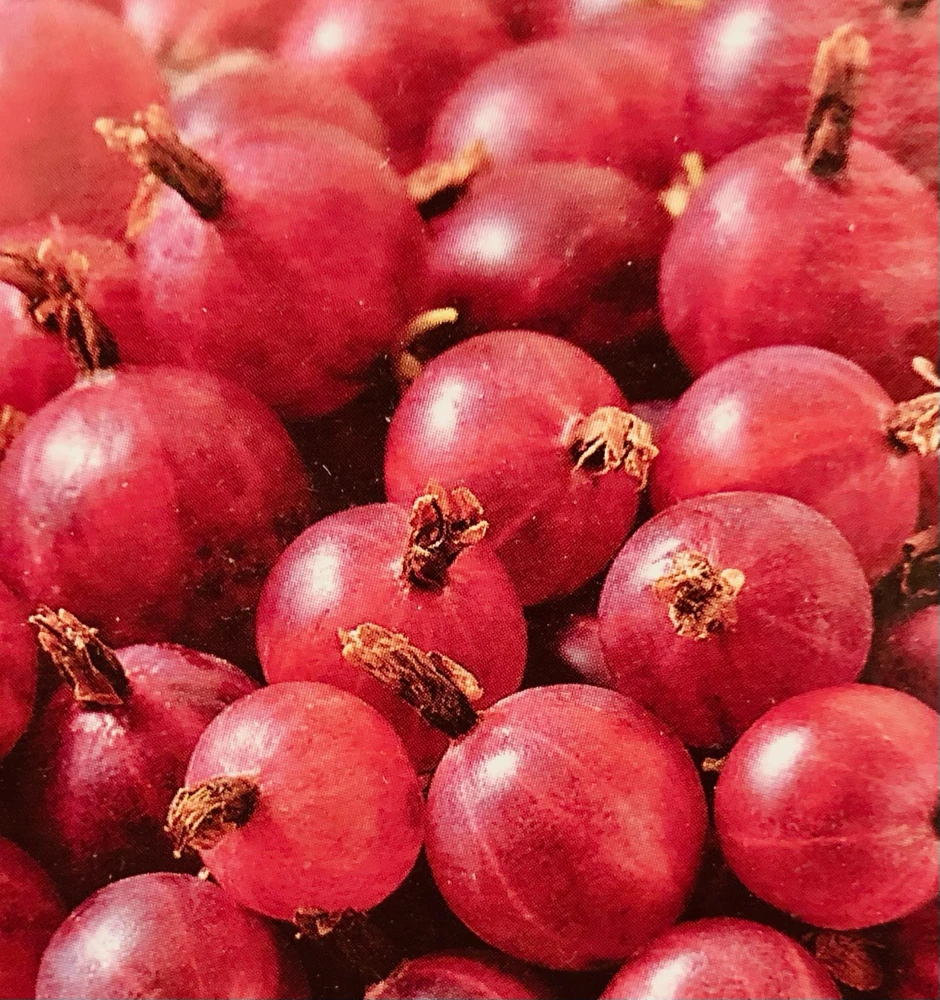
Cultivate your own delicious hinnomaki red gooseberry seeds at home. This packet contains 10 seeds to grow plants that yield sweet-tart berries, ideal for fresh eating, making delightful jellies, and baking flavorful pies. Enjoy the unique taste similar to rhubarb and green apple with an extra fruity tang.
Estimated arrival
Nov 26
Dec 01 - Dec 03
Dec 03 - Dec 08
See our Shipping Policy.
Get in touch with us via email, and our team will review your concerns.
Our Alive & Thrive Guarantee covers issues with your plants within the first 30 days. Read our Refund & Returns Policy.
-
USDA Hardiness Zone
USDA zones 3-8 -
Soil Type
Well-draining, fertile, slightly acidic soil -
Sunlight Exposure
Full sun to partial shade -
Expected Planting Period
Late winter to early spring
Overview
Embark on a rewarding gardening journey with hinnomaki red gooseberry seeds. This offering provides 10 high-quality seeds, allowing you to cultivate your own robust gooseberry plants right from the start. The Hinnomaki Red variety is highly prized for its abundant harvest of vibrant, ruby-red berries. These berries are not only visually appealing but also offer a delightful sweet-tart flavor profile, making them a versatile addition to any home garden. Whether you’re an experienced gardener or just beginning, growing red gooseberry plant from seed is a fulfilling experience that culminates in a bounty of delicious fruit.
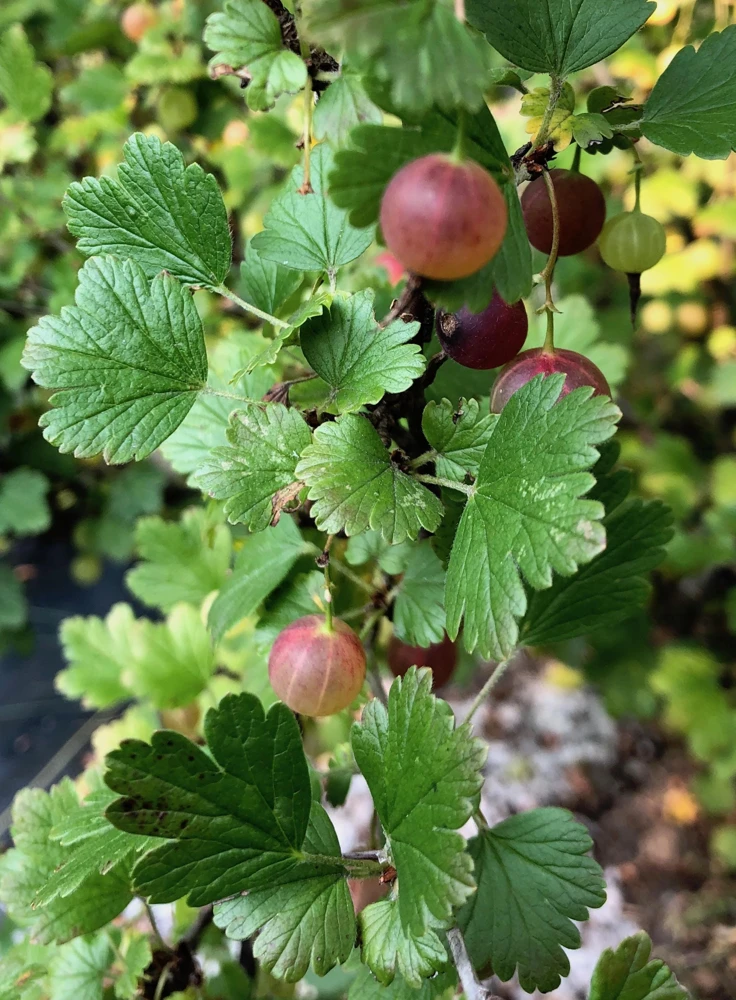
The Hinnomaki Red Gooseberry, scientifically known as Ribes uva-crispa, is celebrated for its exceptional fruit quality and relatively easy cultivation. Originating from Finland, this cultivar is known for its hardiness and reliable production. The berries are fantastic for fresh consumption, offering a unique blend of sweetness and tang that many compare to a fruity mix of rhubarb and green apple. Beyond eating them fresh, these berries are perfect for culinary applications, particularly for making exquisite jellies, jams, and pies. The foliage can also be dried and brewed into a pleasant, fruity tea, adding another layer of versatility to this wonderful plant.
Key Benefits
Growing your own hinnomaki red gooseberry seeds offers a multitude of benefits, from fresh, homegrown produce to a beautiful addition to your garden. These plants are relatively low-maintenance once established and provide a generous yield.
- Delicious Homegrown Fruit: Enjoy the satisfaction of harvesting your own sweet-tart berries directly from your garden. The Hinnomaki Red variety is known for its excellent flavor, making it a favorite for fresh eating and culinary creations.
- Versatile Culinary Uses: These berries are incredibly versatile, perfect for making homemade jellies, pies, tarts, and sauces. Their unique flavor profile, often described as a blend of rhubarb and green apple with extra fruity sweetness, elevates any dish.
- Fruity Herbal Tea: The leaves of the red gooseberry plant can be dried and used to brew a delightful and fragrant herbal tea, adding another dimension to this plant’s utility.
- Garden Beauty: Gooseberry bushes provide attractive foliage and fruit, enhancing the aesthetic appeal of your garden, especially when laden with ripe red berries.
- Pesticide-Free Growing: By starting from hinnomaki red gooseberry seeds, you have complete control over the growing environment, allowing you to cultivate berries free from harmful chemical pesticides.
- Hardy and Resilient: This particular gooseberry cultivar is known for its hardiness, making it a reliable choice for various climates and garden conditions once established.
- Sustainable Gardening: Growing your own fruit from seed contributes to a more sustainable lifestyle, reducing your carbon footprint and connecting you more deeply with your food sources.
Plant Care & Growing Tips
Successfully growing hinnomaki red gooseberry seeds requires attention to a few key environmental factors. Gooseberries thrive in cooler climates and prefer a location with full sun to partial shade. Aim for at least 6 hours of direct sunlight per day for optimal fruit production, though some afternoon shade can be beneficial in hotter regions to prevent scorching. When germinating seeds, maintain consistent moisture and warmth. Once seedlings emerge, provide good air circulation to prevent fungal issues.
The ideal soil for a red gooseberry plant is well-draining, fertile, and slightly acidic (pH 6.0-6.8). Amend heavy clay soils with organic matter like compost to improve drainage and aeration. For sandy soils, compost will help retain moisture and nutrients. Consistent watering is crucial, especially during dry spells and when the plant is fruiting. The soil should remain consistently moist but never waterlogged. Deep watering once or twice a week is generally more effective than shallow, frequent watering.
Gooseberries are hardy and can tolerate a range of temperatures, typically thriving in USDA zones 3-8. They require a period of winter chill to produce fruit effectively. Fertilize your gooseberry plants annually in early spring with a balanced granular fertilizer or a layer of compost around the base. Pruning is important for maintaining plant health and maximizing fruit yield. Remove any dead, diseased, or crossing branches. Aim to maintain an open structure to allow for good air circulation and sunlight penetration. Keep an eye out for common pests like aphids and gooseberry sawfly, treating with organic solutions if necessary. Growing gooseberry for jelly and pies will be a breeze with these tips.
Size & Details
This product includes 10 hinnomaki red gooseberry seeds, providing a solid foundation for establishing several plants in your garden. When mature, a Hinnomaki Red Gooseberry bush typically grows to a compact size, reaching approximately 3-5 feet in height and spread. This makes it an excellent choice for smaller gardens or for growing in containers. The plants will ship as dormant seeds, ready for stratification and planting.
While germination can vary, with proper care and stratification, you can expect seedlings to emerge within a few weeks to a few months. Gooseberry plants generally begin to produce fruit within 2-3 years after planting the seeds, with full production typically achieved by the 4th or 5th year. The berries are ready for harvest in mid to late summer, offering a plentiful yield perfect for fresh eating, preserves, and baking. The compact nature of the red gooseberry plant allows for easy integration into various garden designs.
Frequently Asked Questions
- Q: How big does this plant get? A: A mature Hinnomaki Red Gooseberry bush typically reaches a height and spread of 3-5 feet, making it a compact and manageable addition to most gardens.
- Q: Is this an indoor or outdoor plant? A: The hinnomaki red gooseberry seeds are for growing outdoor plants. Gooseberries thrive in temperate climates and require a period of winter chill to produce fruit.
- Q: How much sunlight does it need? A: Gooseberry plants prefer full sun, meaning at least 6 hours of direct sunlight per day, for optimal fruit production. In very hot climates, partial afternoon shade can be beneficial.
- Q: Is this plant easy to care for? A: Yes, once established, the red gooseberry plant is relatively low-maintenance. It requires consistent watering, annual fertilization, and periodic pruning to maintain health and maximize yield.
- Q: Can I use gooseberry for jelly in cooking? A: Absolutely! Hinnomaki Red Gooseberries are excellent for culinary uses, especially for making delicious jellies, jams, pies, and other baked goods due to their sweet-tart flavor.
- Q: How long until it produces fruit? A: Gooseberry plants typically begin to bear fruit 2-3 years after being grown from hinnomaki red gooseberry seeds, with full production achieved around the 4th or 5th year.
- Q: What condition will the seeds arrive in? A: The product includes 10 dormant Hinnomaki Red Gooseberry seeds, ready for you to begin the stratification and planting process.
- Q: What’s the best time to plant gooseberry seeds? A: It’s best to stratify and plant gooseberry seeds in late winter or early spring, mimicking their natural germination cycle.
- Q: Will it survive winter in my zone? A: The Hinnomaki Red Gooseberry is a hardy plant, typically thriving in USDA Hardiness Zones 3-8, and requires a cold period for proper fruit development.
- Q: Is the flavor really like rhubarb and green apple? A: Many describe the flavor of Hinnomaki Red Gooseberries as a unique sweet-tart blend, often compared to rhubarb and green apple with an added fruity tang. It’s a truly distinctive taste!
Be the first to review “Hinnomaki Red Gooseberry Seeds – Sweet & Tart Berry Plant (10 Seeds) for Jellies & Pies”
Related products


Fruit Seeds
Southern Highbush Blueberry Seeds – 50 Pre-Stratified Vaccinium Corymbosum Fruit Bush Seeds
You May Like

How to Grow Passion Flower (Passiflora) for Tropical Blooms
Few climbing vines in the home garden command attention quite like the exotic Passion Flower (Passiflora). [...]
Nov

Thanksgiving Cactus Care: How to Get Thanksgiving Cactus to Bloom
Is your Thanksgiving cactus growing well but not giving you any flowers? Maybe it looked [...]
Nov

How to Grow Garlic for a Bountiful Home Harvest
Garlic (Allium sativum) is one of the most satisfying, low-maintenance, and flavor-packed crops you can [...]
Oct

Hardneck vs. Softneck Garlic: Which Should You Grow?
Have you ever stood in front of a seed catalog in mid-September, staring at dozens [...]
1 Comment
Oct

When to Plant Music Garlic: Ultimate US Fall Guide
Have you ever spent your fall weekend placing carefully chosen garlic cloves into rich, dark [...]
1 Comment
Oct

5 Best Bulbs for Fall Planting: Brighten Your Garden This Spring
Are you dreaming of a garden full of vibrant colors in the spring? The key [...]
Aug

10 Houseplants That Will Thrive in Your Kitchen
Are you tired of your kitchen feeling dull and lifeless? Want to add a little [...]
1 Comment
Aug
Reviews
There are no reviews yet.