
SAMBUCUS CANADENSIS ‘AUREA’ – American Elderberry – Starter Plant – Read Description
Original price was: 73.99 $.43.99 $Current price is: 43.99 $.
Estimated arrival
Nov 27
Dec 02 - Dec 04
Dec 04 - Dec 09
See our Shipping Policy.
Get in touch with us via email, and our team will review your concerns.
Our Alive & Thrive Guarantee covers issues with your plants within the first 30 days. Read our Refund & Returns Policy.
“`json { “meta_title”: “American Elderberry ‘Aurea’ Live Plant – Golden Foliage Shrub”, “google_title”: “American Elderberry ‘Aurea’ Live Plant – Golden Foliage Shrub – 2.5×3.5 Inch Pot”, “meta_description”: “Enhance your garden with the vibrant golden foliage of the American Elderberry ‘Aurea’ live plant. A beautiful, edible, and easy-to-grow shrub.”, “meta_focus_keyword”: “American Elderberry ‘Aurea’ live plant, golden elderberry shrub, Sambucus canadensis ‘Aurea’, edible elderberry plant, elderberry plant care”, “categories”: “Shrubs”, “google_product_category_path”: “Home & Garden> Plants> Indoor & Outdoor Plants> Bushes & Shrubs”, “google_product_category_id”: “unknown”, “short_description”: “
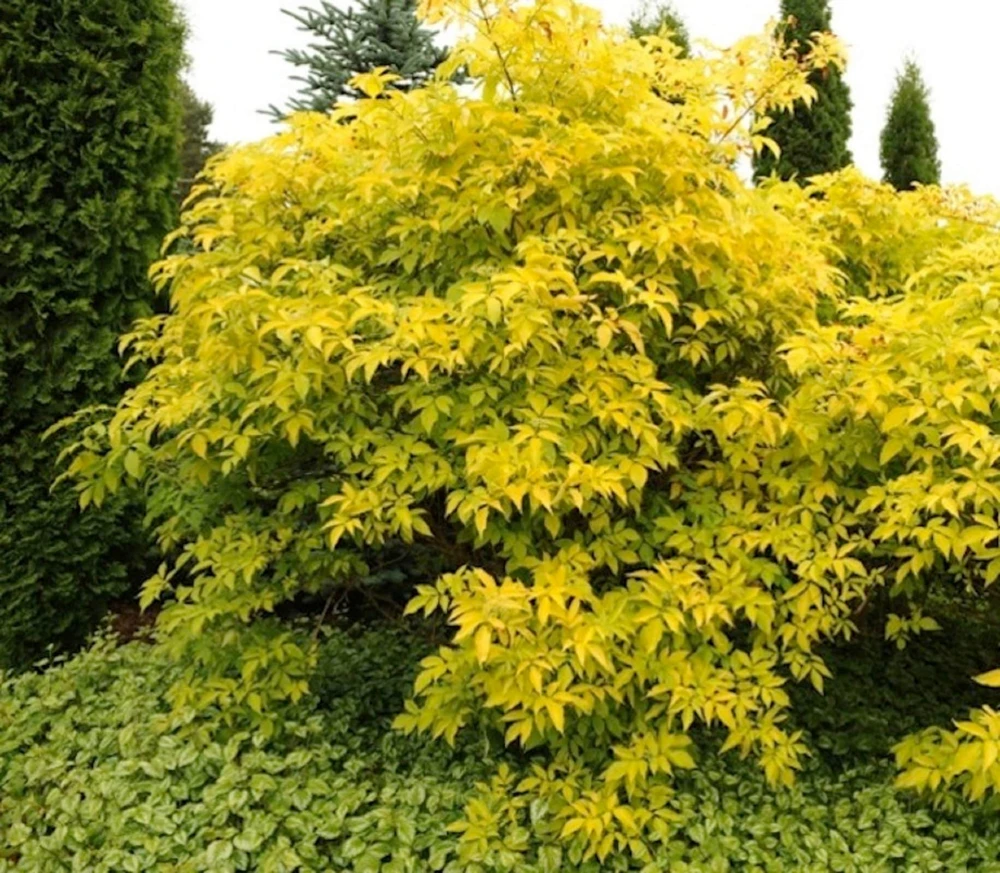
Bring radiant color to your landscape with the American Elderberry ‘Aurea’ live plant. This stunning deciduous shrub boasts brilliant golden to yellowish-green leaves and clusters of white flowers followed by edible black berries. Perfect for zones 3-9, it’s a beautiful and productive addition to any garden.
“, “long_description”: “
Overview
Discover the captivating beauty and versatility of the American Elderberry ‘Aurea’ live plant. This exceptional variety of Sambucus canadensis, known botanically as Sambucus canadensis ‘Aurea’, is celebrated for its dazzling golden to yellowish-green foliage that truly brightens any garden space. More than just an ornamental shrub, the golden elderberry shrub also produces charming clusters of small white flowers in late spring to early summer, which mature into highly sought-after edible black berries. These berries are not only a treat for wildlife but can also be used to make delicious jams, jellies, pies, and wines. Whether you’re a seasoned gardener or just starting, this robust and adaptable plant offers both aesthetic appeal and practical benefits, making it an excellent choice for a wide range of landscapes.
The American Elderberry ‘Aurea’ live plant is a vigorous deciduous shrub, perfect for creating a vibrant focal point, a natural hedge, or adding dynamic color to mixed borders. Its striking leaf color provides consistent visual interest from spring through fall, ensuring your garden remains lively and engaging. As a well-rooted plant, it is ready to establish quickly in your garden, offering a head start on growth and enjoyment. This particular variety, with its bright leaves and productive nature, embodies the best qualities of the American Elderberry, making it a valuable addition to edible landscapes and ornamental gardens alike. Embrace the joy of growing your own berries while enjoying a truly beautiful plant.
Key Benefits
The American Elderberry ‘Aurea’ live plant offers a multitude of benefits that make it a standout choice for any garden. From its ornamental appeal to its practical uses, this plant is a true garden asset. You’ll appreciate its ease of care and the rewards it brings throughout the seasons.
- Vibrant Golden Foliage: The most striking feature of this elderberry is its brilliant yellow to yellowish-green leaves, which provide a constant splash of color, brightening up garden beds and borders from spring until fall. This makes the American Elderberry ‘Aurea’ live plant an excellent choice for adding visual interest.
- Edible Berries: Following the beautiful white flowers, the plant produces clusters of dark, edible berries. These berries are rich in antioxidants and can be harvested for culinary uses, such as making pies, jellies, syrups, and wine, adding a productive element to your garden.
- Attractive Flowers: In spring and early summer, the shrub is adorned with flat-topped clusters of small, fragrant white flowers. These blooms are not only aesthetically pleasing but also attract pollinators like bees and butterflies, supporting local ecosystems.
- Wildlife Attraction: The berries are a favorite food source for various bird species, making this an excellent plant for attracting and supporting local wildlife in your garden.
- Adaptable and Hardy: This elderberry variety is remarkably hardy, thriving in USDA zones 3-9. It tolerates a range of soil conditions and is relatively low maintenance, making it suitable for gardeners of all experience levels.
- Quick Growth Rate: Known for its vigorous growth, the golden elderberry shrub quickly establishes itself and begins to produce a significant visual impact and bountiful harvests within a few seasons.
- Versatile Landscape Use: Ideal for use as a specimen plant, in mixed shrub borders, as a privacy screen, or in naturalized areas, its adaptability allows for diverse applications in garden design.
Plant Care & Growing Tips
Caring for your American Elderberry ‘Aurea’ live plant is straightforward, making it an excellent choice for both beginner and experienced gardeners. This hardy shrub is quite resilient, but providing optimal conditions will ensure the most vibrant foliage and abundant berry production. For best results, plant your elderberry plant care starts with selecting the right location.
This variety thrives in full sun, meaning it needs at least 6 hours of direct sunlight per day to achieve its most brilliant golden foliage and encourage robust flowering and fruiting. While it can tolerate partial shade, the leaf color may be less intense. When it comes to watering, American Elderberries prefer consistently moist soil. They are not drought-tolerant, so regular watering is crucial, especially during dry spells and in the plant’s first year of establishment. Ensure the soil remains damp but not waterlogged to prevent root rot. A layer of mulch around the base of the plant can help retain soil moisture and regulate temperature.
For soil, the Sambucus canadensis ‘Aurea’ is adaptable but performs best in well-draining, fertile soil. It can tolerate a range of soil types, including clay, loam, and sand, as long as drainage is adequate. The ideal pH is slightly acidic to neutral. Fertilization is generally not heavily required; a balanced, slow-release granular fertilizer applied in early spring can promote healthy growth. Pruning is beneficial to maintain shape, encourage new growth, and improve fruit production. Prune in late winter or early spring by removing dead, damaged, or crossing branches. You can also thin out older stems to encourage younger, more productive growth. This plant is generally pest and disease resistant, but watch for common issues like aphids or powdery mildew, which can usually be managed with organic
Be the first to review “SAMBUCUS CANADENSIS ‘AUREA’ – American Elderberry – Starter Plant – Read Description”
Related products


You May Like

How to Grow Passion Flower (Passiflora) for Tropical Blooms
Few climbing vines in the home garden command attention quite like the exotic Passion Flower (Passiflora). [...]
Nov

Thanksgiving Cactus Care: How to Get Thanksgiving Cactus to Bloom
Is your Thanksgiving cactus growing well but not giving you any flowers? Maybe it looked [...]
Nov

How to Grow Garlic for a Bountiful Home Harvest
Garlic (Allium sativum) is one of the most satisfying, low-maintenance, and flavor-packed crops you can [...]
Oct

Hardneck vs. Softneck Garlic: Which Should You Grow?
Have you ever stood in front of a seed catalog in mid-September, staring at dozens [...]
1 Comment
Oct

When to Plant Music Garlic: Ultimate US Fall Guide
Have you ever spent your fall weekend placing carefully chosen garlic cloves into rich, dark [...]
1 Comment
Oct

5 Best Bulbs for Fall Planting: Brighten Your Garden This Spring
Are you dreaming of a garden full of vibrant colors in the spring? The key [...]
Aug

10 Houseplants That Will Thrive in Your Kitchen
Are you tired of your kitchen feeling dull and lifeless? Want to add a little [...]
1 Comment
Aug
Reviews
There are no reviews yet.