
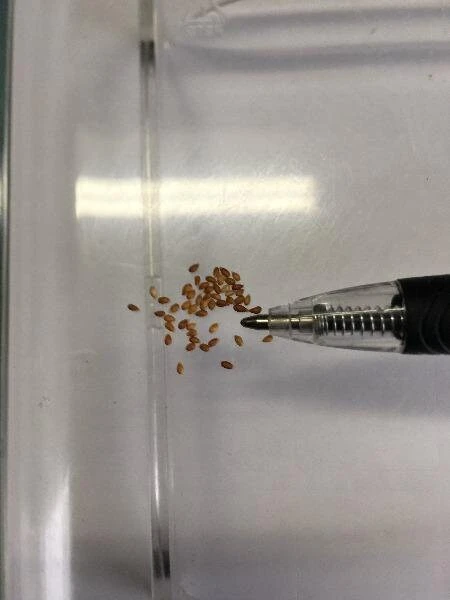
Viola Pedata Seeds – Bird’s Foot Violet Wildflower – 10 Seed Pack – Outdoor Native Perennial
Original price was: 31.00 $.22.60 $Current price is: 22.60 $.
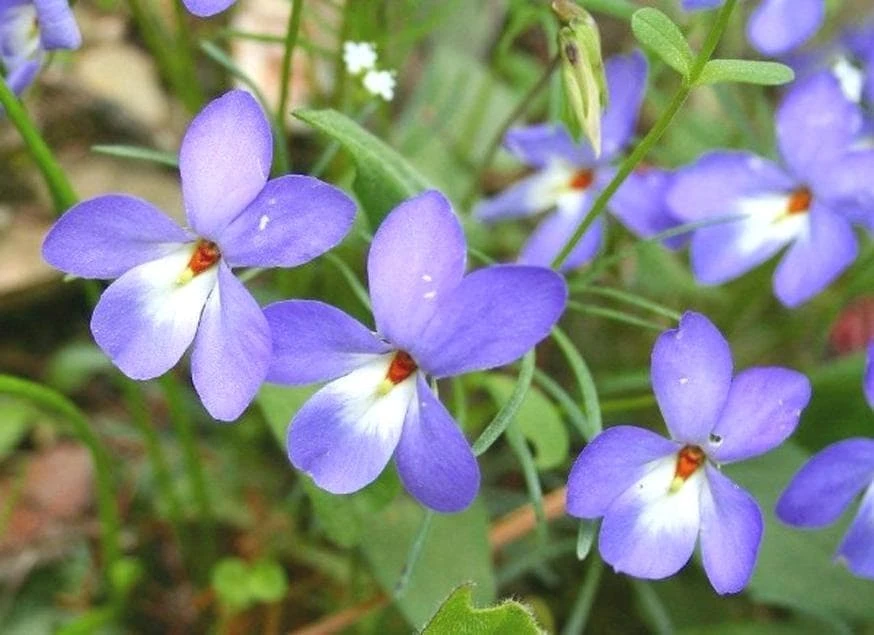
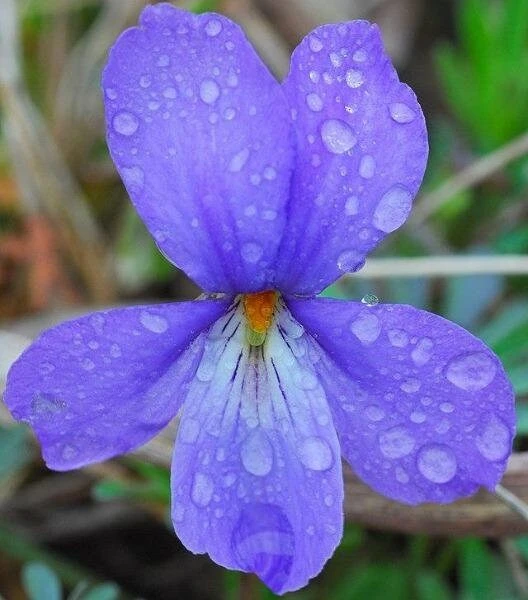
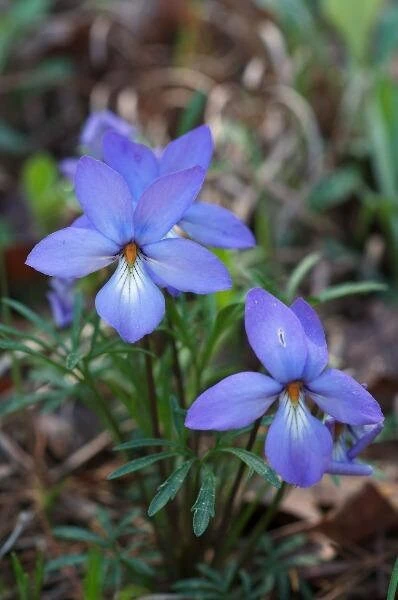
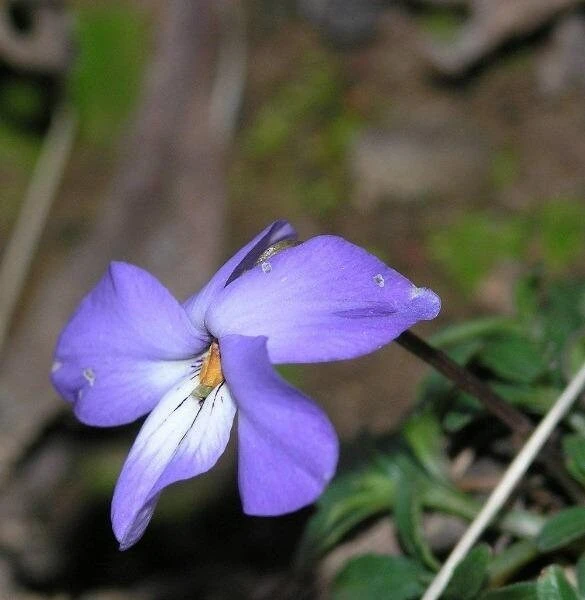
Cultivate stunning Viola pedata seeds, also known as bird’s foot violet seeds. This charming native perennial wildflower offers distinctive bird-like leaves and lovely lavender, blue, or purple blooms. Perfect for enhancing biodiversity and attracting pollinators, these wildflower seeds thrive in naturalistic garden settings. Each pack contains 10 seeds ready for planting.
Estimated arrival
Nov 28
Dec 03 - Dec 05
Dec 05 - Dec 10
See our Shipping Policy.
Get in touch with us via email, and our team will review your concerns.
Our Alive & Thrive Guarantee covers issues with your plants within the first 30 days. Read our Refund & Returns Policy.
-
USDA Hardiness Zone
Zones 4-9 -
Soil Type
Well-drained, sandy, or loamy soil -
Sunlight Exposure
Partial sun to full sun -
Expected Planting Period
Year-round after cold stratification
Overview
Discover the beauty of North American native flora with our premium Viola pedata seeds. Commonly known as the bird’s foot violet seeds, this enchanting perennial wildflower is celebrated for its unique, deeply lobed leaves that resemble a bird’s foot, giving the plant its distinctive name. Each pack contains 10 seeds, offering a wonderful opportunity to grow this resilient and charming species in your garden. The Bird’s Foot Violet produces solitary, eye-catching flowers in shades of lavender, blue, or purple, often adorned with characteristic dark lines or spots. These delicate yet hardy plants are a standout in woodland and prairie settings, making them an ideal choice for naturalistic and native plant gardens. By planting these Viola pedata seeds, you contribute to local biodiversity and provide a vital food source for early pollinators like bees and butterflies, highlighting its significant ecological importance.
Our Viola pedata seeds are sourced to ensure viability and vigorous growth. This species is known for its ability to thrive in well-drained, sandy, or loamy soils, making it adaptable to various garden conditions. Whether you’re an experienced gardener or a beginner looking to introduce native wildflowers, growing bird’s foot violet seeds is a rewarding experience. Its graceful appearance and valuable habitat contribution make it a beloved choice for anyone seeking to enhance the beauty and ecological health of their outdoor spaces.
Key Benefits
Growing Viola pedata seeds brings numerous advantages to your garden and local ecosystem. This native perennial offers a blend of aesthetic appeal and ecological value, making it a highly desirable addition. Here are some of the key benefits:
- Unique Ornamental Appeal: The distinctive bird-like, foot-shaped leaves and charming lavender, blue, or purple flowers provide unique visual interest, making it a conversation starter in any garden.
- Attracts Pollinators: Its early spring blooms are a crucial nectar source for early-season pollinators, including various species of bees and butterflies, supporting local insect populations. This makes it an excellent choice for a pollinator garden seeds project.
- Native Plant Benefits: As a native North American species, it is well-adapted to local climates and soils, requiring less intervention once established compared to non-native plants.
- Low Maintenance: Once established, Bird’s Foot Violet is a relatively low-maintenance plant, thriving with minimal care in its preferred conditions.
- Erosion Control: Its fibrous root system can help stabilize soil, particularly on slopes or in sandy areas, contributing to natural erosion control.
- Habitat Enhancement: Planting these wildflower seeds helps create a more biodiverse environment, offering shelter and food for various wildlife.
- Hardy and Resilient: Known for its hardiness, it can withstand a range of environmental conditions, making it a reliable choice for diverse garden settings.
Plant Care & Growing Tips
Germinating and growing Viola pedata seeds can be a straightforward process with the right approach. These native wildflowers prefer well-drained, sandy, or loamy soils. When planting, barely cover the seeds with a thin layer of soil, gently pressing them in to ensure good soil contact. Maintain consistent moisture in the soil, but be careful not to overwater, as excessive dampness can lead to rot. Adequate drainage is crucial for the health of your bird’s foot violet seeds.
Bird’s foot violet seeds benefit significantly from a period of cold stratification to break seed dormancy and encourage germination. To mimic natural winter conditions, place your seeded containers or seedbeds in a refrigerator for approximately 4-6 weeks. After this cold treatment, move them to a location that receives indirect or filtered sunlight. Continue to maintain consistent soil moisture. Germination can vary, typically occurring within a few weeks to several months. Once the seedlings have grown strong enough to handle, they can be carefully transplanted into their permanent garden location or natural area. This hardy perennial thrives in USDA Zones 4-9, making it suitable for a wide range of climates. For optimal growth, ensure they receive at least partial sun, ideally morning sun with afternoon shade in hotter climates.
Fertilization is generally not heavily required for Viola pedata, especially in rich soils. If your soil is poor, a light application of a balanced, slow-release fertilizer in early spring can be beneficial. Watch out for common garden pests, though Bird’s Foot Violet is generally quite resistant. Ensuring good air circulation and proper watering practices will help prevent fungal issues. With these care tips, your Viola pedata seeds will flourish, enchanting your garden with their unique leaves and charming blooms.
Size & Details
Our offering includes 10 Viola pedata seeds, carefully selected to ensure high germination rates for your gardening success. When mature, the Bird’s Foot Violet typically grows to a compact height of 4-8 inches (10-20 cm) and spreads approximately 6-12 inches (15-30 cm) wide, forming a lovely groundcover or accent plant. These native perennial seeds will develop into plants that feature the characteristic bird-like leaves, usually 1-3 inches long, and solitary flowers about 1 inch in diameter. The seeds are shipped in a protective packet, ensuring their integrity upon arrival.
Expected time to bloom for plants grown from these wildflower seeds is typically in early to mid-spring, usually within the second year after planting, though some may produce flowers in their first year under ideal conditions. The growth rate is moderate, establishing well over a season. These plants are ideal for adding texture and early season color to rock gardens, woodland edges, or naturalized areas. The Viola pedata seeds are perfect for gardeners looking to cultivate a plant with both aesthetic appeal and significant ecological value.
Frequently Asked Questions
- Q: How big does the Bird’s Foot Violet get? A: The Viola pedata typically grows to a compact height of 4-8 inches (10-20 cm) and spreads 6-12 inches (15-30 cm) wide, making it an excellent choice for groundcover or front-of-border planting.
- Q: Is this an indoor or outdoor plant? A: The Bird’s Foot Violet is primarily an outdoor plant, native to North America and best suited for garden beds, rock gardens, or naturalized areas where it can thrive in its preferred conditions.
- Q: How much sunlight does it need? A: This plant thrives in partial sun to full sun. In hotter climates, it appreciates some afternoon shade to protect its delicate blooms and foliage.
- Q: Is this plant easy to care for? A: Yes, once established, the Bird’s Foot Violet is relatively low-maintenance, especially when grown in its ideal conditions of well-drained soil and appropriate sunlight. It’s a great option for gardeners looking for hardy native perennial seeds.
- Q: What condition will the seeds arrive in? A: Your Viola pedata seeds will arrive carefully packaged in a protective packet to ensure they are fresh and viable, ready for stratification and planting.
- Q: How long until it blooms? A: Plants grown from these bird’s foot violet seeds typically begin to bloom in their second year, in early to mid-spring. Some vigorous plants may produce a few flowers in their first year.
- Q: Will it survive winter in my zone? A: Yes, Bird’s Foot Violet is hardy and can survive winters in USDA Hardiness Zones 4-9, making it suitable for a wide range of temperate climates.
- Q: What is cold stratification and why is it needed for these seeds? A: Cold stratification is a process that mimics winter conditions, exposing seeds to cold, moist environments to break their dormancy. It’s crucial for Viola pedata seeds to encourage successful germination by signaling that favorable growing conditions are ahead.
- Q: Can I grow these in a container? A: While primarily an outdoor garden plant, you can grow Bird’s Foot Violet in containers, provided they are large enough, have excellent drainage, and are placed in a suitable outdoor location.
- Q: Are these seeds good for a pollinator garden? A: Absolutely! These wildflower seeds are an excellent choice for a pollinator garden, as their early spring blooms provide a vital food source for bees, butterflies, and other beneficial insects.
Be the first to review “Viola Pedata Seeds – Bird’s Foot Violet Wildflower – 10 Seed Pack – Outdoor Native Perennial”
Related products


Flower Seeds

You May Like

How to Grow Passion Flower (Passiflora) for Tropical Blooms
Few climbing vines in the home garden command attention quite like the exotic Passion Flower (Passiflora). [...]
Nov

Thanksgiving Cactus Care: How to Get Thanksgiving Cactus to Bloom
Is your Thanksgiving cactus growing well but not giving you any flowers? Maybe it looked [...]
Nov

How to Grow Garlic for a Bountiful Home Harvest
Garlic (Allium sativum) is one of the most satisfying, low-maintenance, and flavor-packed crops you can [...]
Oct

Hardneck vs. Softneck Garlic: Which Should You Grow?
Have you ever stood in front of a seed catalog in mid-September, staring at dozens [...]
1 Comment
Oct

When to Plant Music Garlic: Ultimate US Fall Guide
Have you ever spent your fall weekend placing carefully chosen garlic cloves into rich, dark [...]
1 Comment
Oct

5 Best Bulbs for Fall Planting: Brighten Your Garden This Spring
Are you dreaming of a garden full of vibrant colors in the spring? The key [...]
Aug

10 Houseplants That Will Thrive in Your Kitchen
Are you tired of your kitchen feeling dull and lifeless? Want to add a little [...]
1 Comment
Aug
Reviews
There are no reviews yet.