
Pulsatilla patens var. wolfgangiana Seeds – May Day Flower, Pasque Flower, 10 Seeds
Original price was: 23.00 $.15.80 $Current price is: 15.80 $.
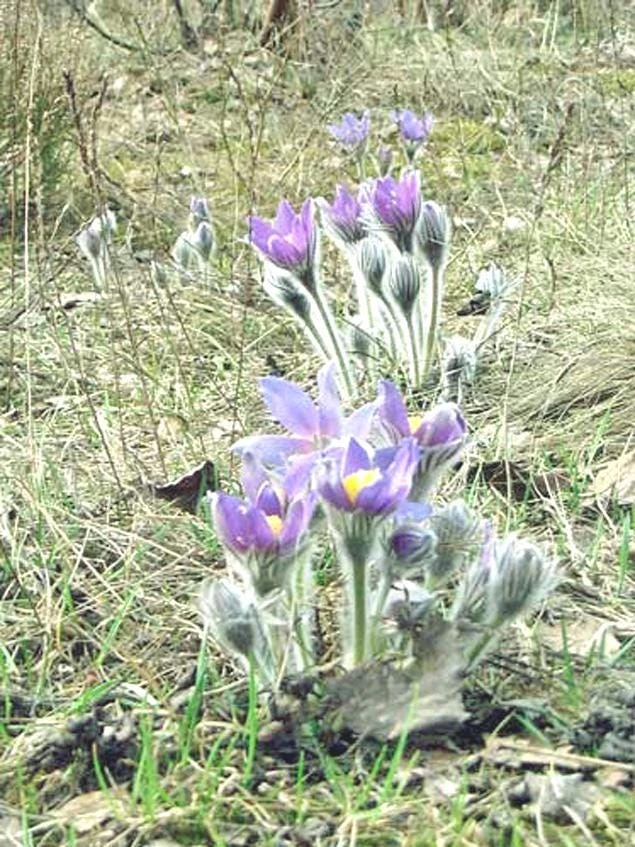
Cultivate the captivating Pulsatilla patens seeds, a rare botanical variety known as May Day Flower seeds or Pasque Flower seeds. These 10 seeds will grow stunning purple-lavender bell-shaped flowers in early spring, perfect for native plant gardens and pollinators. Thrives in USDA Zones 3-9.
Estimated arrival
Nov 26
Dec 01 - Dec 03
Dec 03 - Dec 08
See our Shipping Policy.
Get in touch with us via email, and our team will review your concerns.
Our Alive & Thrive Guarantee covers issues with your plants within the first 30 days. Read our Refund & Returns Policy.
-
USDA Hardiness Zone
USDA Zones 3-9 -
Soil Type
Well-draining, rocky soil; calcareous soil preferred -
Sunlight Exposure
Full sun to partial shade -
Expected Planting Period
Fall to early spring
Overview
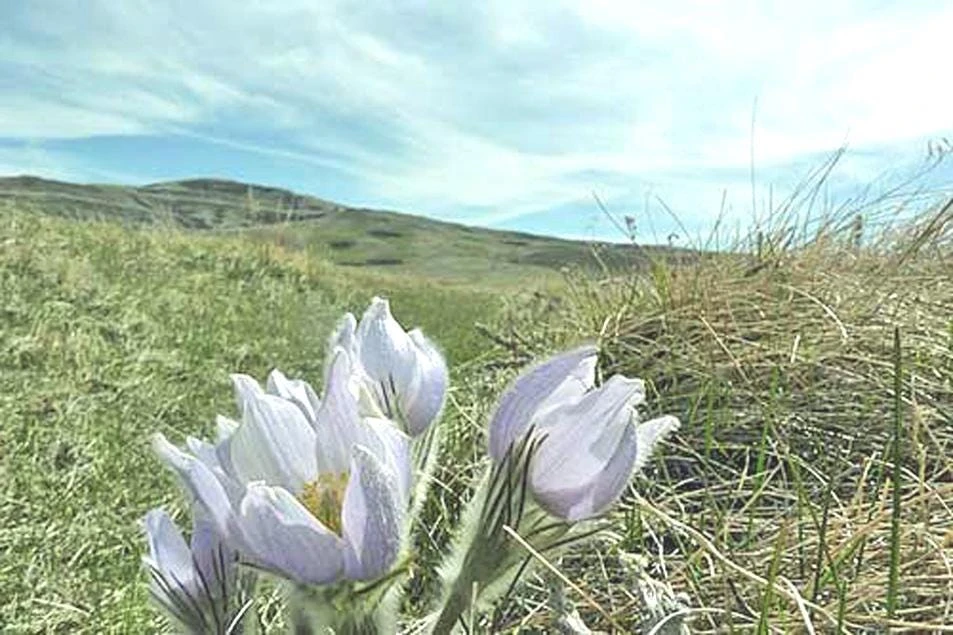
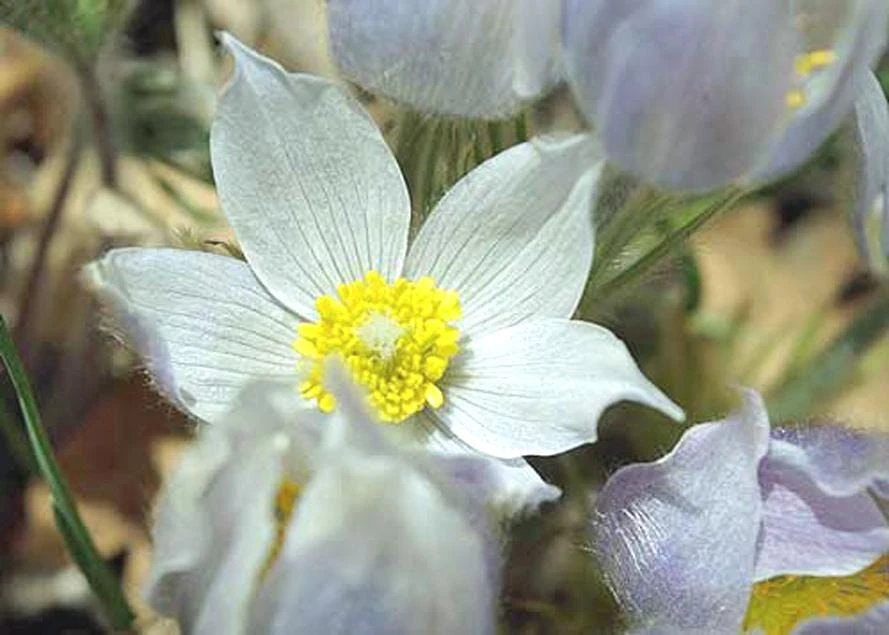
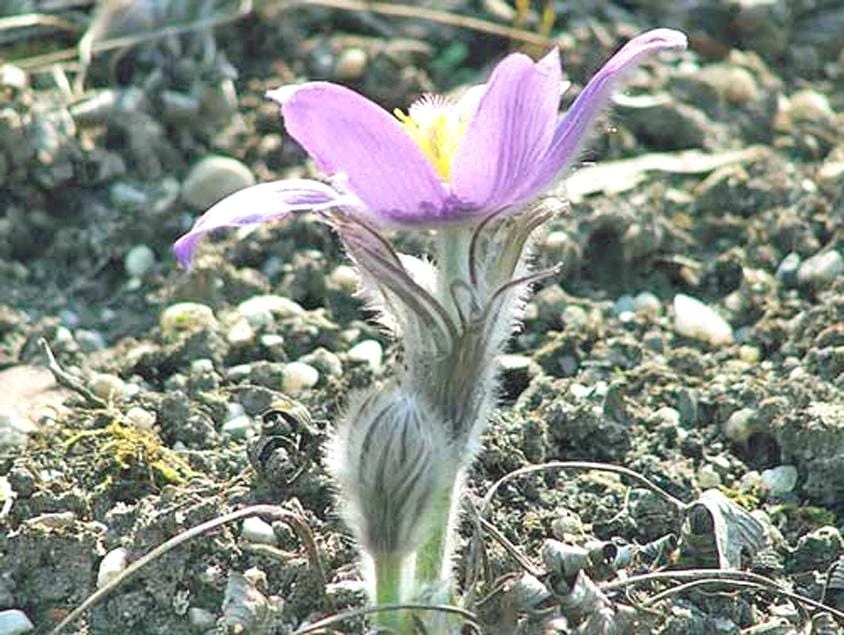
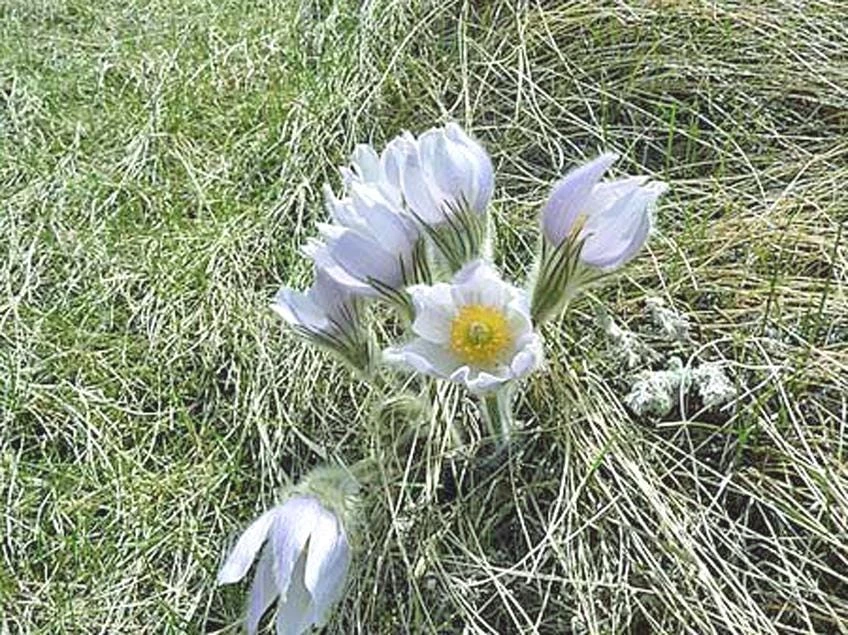
Discover the beauty of the rare and captivating Pulsatilla patens seeds. This botanical variety, scientifically known as Pulsatilla patens var. wolfgangiana, is also affectionately called the May Day Flower seeds or Pasque Flower seeds. These exquisite wildflower seeds offer a unique opportunity to cultivate a perennial herb well-known for its striking, showy, bell-shaped flowers. Appearing in early spring, often before its feathery foliage fully emerges, these purple to lavender blooms add a touch of early-season elegance to any garden or natural setting. Originating primarily from parts of North America, including the Great Lakes region, this plant is a special addition for those seeking to enhance their native plant gardens and support local ecosystems.
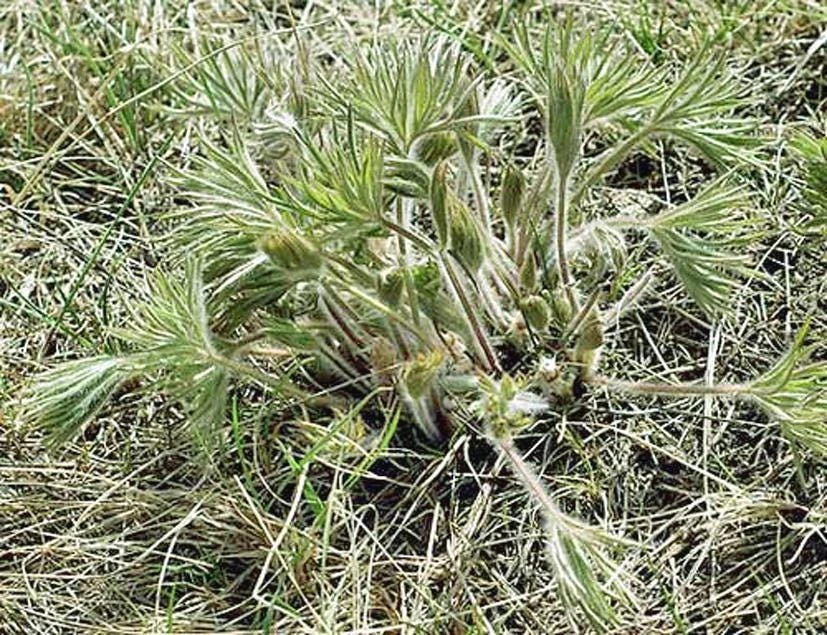
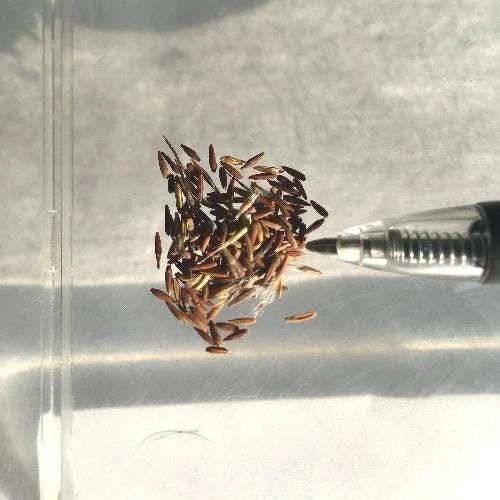
Each packet contains 10 seeds, providing a foundation for growing this distinctive wildflower. The finely cut, silvery-gray leaves of the Pulsatilla patens var. wolfgangiana contribute to its attractive and unique appearance, making it highly desirable among gardening enthusiasts. Adapted to cold climates, it thrives in open woodlands and meadows, particularly in calcareous soils. Its seeds are naturally equipped with feathery structures for wind dispersal, ensuring natural propagation. The scarcity and ecological importance of this plant make it a valuable resource for native pollinators and a truly special addition to any garden aiming to replicate or support natural environments. Cultivating these pulsatilla patens seeds allows gardeners to appreciate the delicate charm of this unique wildflower.
Key Benefits
Growing the Pulsatilla patens seeds offers numerous advantages for both your garden and local wildlife. These seeds develop into a stunning wildflower that provides significant aesthetic and ecological benefits.
- Early Spring Beauty: Enjoy captivating bell-shaped, purple to lavender flowers that emerge in early spring, often before other plants, bringing vibrant color to your garden when most needed.
- Attracts Pollinators: This native wildflower serves as a valuable early-season resource for native pollinators, contributing to local biodiversity and supporting healthy ecosystems.
- Unique Foliage: The finely cut, silvery-gray leaves offer an attractive and distinct appearance, adding textural interest to your garden even when not in bloom.
- Cold Hardy Perennial: Well-adapted to cold climates, this perennial thrives in USDA Zones 3-9, making it a robust and reliable addition to many North American gardens.
- Native Plant Garden Essential: An ecologically important species, it is an ideal choice for native plant gardens, helping to restore and maintain natural habitats.
- Low Maintenance: Once established, the Pasque Flower seeds grow into a plant that requires minimal ongoing care, making it suitable for gardeners seeking beautiful yet easy-to-manage flora.
- Natural Propagation: Equipped with feathery structures, the seeds naturally disperse by wind, allowing for a gradual spread and naturalization within appropriate settings.
Plant Care & Growing Tips
Successfully cultivating Pulsatilla patens seeds requires attention to specific conditions to ensure healthy germination and growth. Begin by sowing the seeds in a well-draining seed-starting mix, typically composed of peat moss and sand. Plant the seeds at a shallow depth, approximately 1/4 inch, covering them lightly with the mix. Ensure the soil remains consistently moist but never waterlogged. To create a humid microclimate, cover the container with a clear plastic lid or plastic wrap, which helps in the germination process of these may day flower seeds.
Place the container in a cool, bright location with indirect sunlight. Germination for Pulsatilla patens var. wolfgangiana seeds can take anywhere from a few weeks to a few months, so patience is key. Once seedlings are robust enough to handle, they can be transplanted into individual pots or directly into the garden. These plants prefer well-drained, rocky soils and thrive in open woodlands or meadows with ample sunlight. They are highly adapted to cold climates, making them suitable for USDA Zones 3-9. While not heavy feeders, a light application of balanced fertilizer can be beneficial during the growing season. Protect young plants from intense, direct summer sun in hotter climates. Understanding how to grow Pulsatilla patens effectively ensures a rewarding gardening experience.
For optimal growth, ensure the plant receives full sun to partial shade, especially in warmer regions where some afternoon shade can prevent stress. Good air circulation is crucial to prevent fungal issues. These plants are relatively drought-tolerant once established but appreciate consistent moisture during dry spells, particularly when flowering. Monitor for pests, though they are generally resistant. The natural resilience of the pasque flower seeds contributes to its charm and ease of integration into diverse garden designs.
Size & Details
The Pulsatilla patens seeds produce a compact perennial herb that typically grows to a height of 6-18 inches (15-45 cm) with a similar spread. The seeds are shipped in a protective packet, with each order containing 10 seeds ready for planting. Once established, these plants exhibit a moderate growth rate, forming attractive clumps of finely cut, silvery-gray foliage. The stunning bell-shaped flowers, ranging from purple to lavender, typically emerge in early spring, often as early as March or April, and last for several weeks. The feathery seed heads that follow the blooms add continued visual interest throughout the summer and into autumn. This plant is hardy in USDA Zones 3-9, making it a versatile choice for a wide range of climates. Expect the first blooms within one to two years after germination, depending on growing conditions and care.
Frequently Asked Questions
- Q: How big does this plant get from these Pulsatilla patens seeds? A: Once mature, the Pulsatilla patens typically grows to about 6-18 inches tall and spreads similarly, forming a compact clump. Its modest size makes it suitable for various garden settings.
- Q: Is this an indoor or outdoor plant? A: These Pulsatilla patens seeds are for an outdoor plant. It thrives in open woodlands and meadows and is well-adapted to cold climates, making it an excellent addition to outdoor native plant gardens.
- Q: How much sunlight does it need? A: The May Day Flower seeds grow best in full sun to partial shade. In hotter climates, some afternoon shade can be beneficial to protect the plant from intense heat.
- Q: Is this plant easy to care for? Is it good for beginners? A: Once established, Pulsatilla patens var. wolfgangiana is relatively low maintenance. Germinating the seeds requires some patience and specific conditions, but overall, it can be a rewarding plant for gardeners with some experience or dedicated beginners.
- Q: What condition will the seeds arrive in? A: The rare wildflower seeds will arrive as 10 viable seeds, carefully packaged to ensure their integrity during transit, ready for your planting efforts.
- Q: When is the best time to plant these Pasque Flower seeds? A: The best time to plant these seeds is typically in fall or early spring, mimicking their natural germination cycle. Cold stratification can also aid in successful germination.
- Q: Will it survive winter in my zone? What’s the minimum temperature? A: Yes, these plants are highly adapted to cold climates and are hardy in USDA Zones 3-9. They can withstand very cold winter temperatures, often emerging through snow in early spring.
- Q: How long until it blooms from seed? A: You can typically expect the first blooms from your Pulsatilla patens seeds within one to two years after successful germination, depending on growing conditions and care.
- Q: What type of soil does this plant prefer? A: This plant thrives in well-drained, rocky soils, often found in calcareous conditions. A seed-starting mix of peat moss and sand is recommended for initial germination.
- Q: Are these seeds good for attracting pollinators? A: Absolutely! The early spring blooms of the Pulsatilla patens are a valuable and vital early food source for native pollinators, contributing significantly to local insect populations.
Be the first to review “Pulsatilla patens var. wolfgangiana Seeds – May Day Flower, Pasque Flower, 10 Seeds”
Related products


Flower Seeds
Blue Stock Matthiola Incana Seeds – 50 Fragrant Gillyflower Seeds – Ten-Week Blue Stock


You May Like

How to Grow Passion Flower (Passiflora) for Tropical Blooms
Few climbing vines in the home garden command attention quite like the exotic Passion Flower (Passiflora). [...]
Nov

Thanksgiving Cactus Care: How to Get Thanksgiving Cactus to Bloom
Is your Thanksgiving cactus growing well but not giving you any flowers? Maybe it looked [...]
Nov

How to Grow Garlic for a Bountiful Home Harvest
Garlic (Allium sativum) is one of the most satisfying, low-maintenance, and flavor-packed crops you can [...]
Oct

Hardneck vs. Softneck Garlic: Which Should You Grow?
Have you ever stood in front of a seed catalog in mid-September, staring at dozens [...]
1 Comment
Oct

When to Plant Music Garlic: Ultimate US Fall Guide
Have you ever spent your fall weekend placing carefully chosen garlic cloves into rich, dark [...]
1 Comment
Oct

5 Best Bulbs for Fall Planting: Brighten Your Garden This Spring
Are you dreaming of a garden full of vibrant colors in the spring? The key [...]
Aug

10 Houseplants That Will Thrive in Your Kitchen
Are you tired of your kitchen feeling dull and lifeless? Want to add a little [...]
1 Comment
Aug
Reviews
There are no reviews yet.