


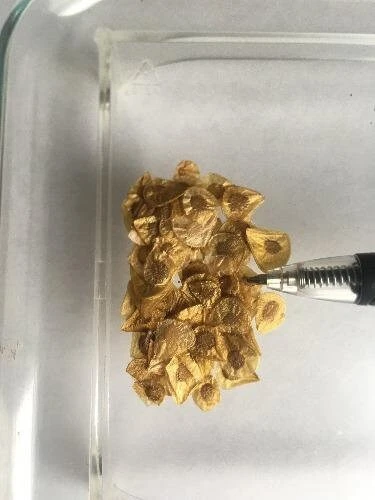
Lilium michiganense Seeds – Michigan Lily Turks Cap – 10 Seed Packet – Outdoor Perennial
Original price was: 25.00 $.17.50 $Current price is: 17.50 $.
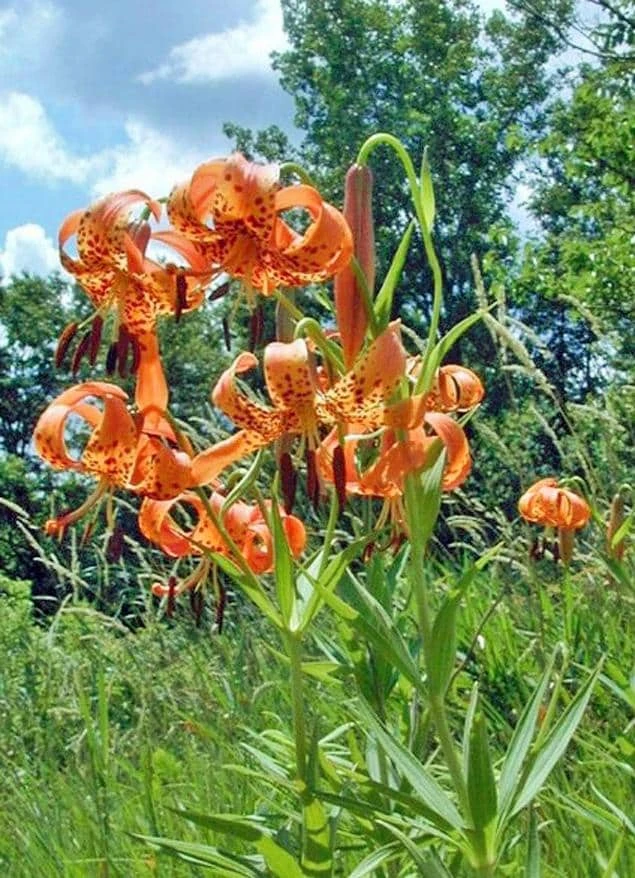
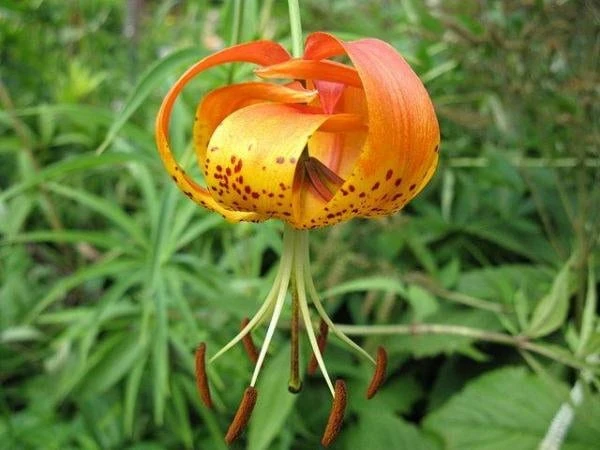
Cultivate the beautiful Lilium michiganense seeds, also known as the Michigan Lily seeds or Turks Cap Lily seeds. This native North American wildflower produces striking orange to reddish-orange flowers with prominent dark spots and recurved petals. Perfect for adding vibrant color and attracting pollinators to your garden. Each packet contains 10 seeds, ready for stratification and planting in USDA Zones 3-9.
Estimated arrival
Nov 27
Dec 02 - Dec 04
Dec 04 - Dec 09
See our Shipping Policy.
Get in touch with us via email, and our team will review your concerns.
Our Alive & Thrive Guarantee covers issues with your plants within the first 30 days. Read our Refund & Returns Policy.
-
USDA Hardiness Zone
USDA Zones 3-9 -
Soil Type
Well-draining, moist loamy soil -
Sunlight Exposure
Partial shade to full sun -
Expected Planting Period
Fall or early winter (for stratification), or spring after stratification
Overview
Embark on a rewarding gardening journey by growing Lilium michiganense seeds. These seeds will allow you to cultivate the magnificent Michigan Lily, a native North American wildflower celebrated for its striking appearance and resilience. Also known as the Turks Cap Lily seeds, this perennial plant is primarily found in the Great Lakes region and parts of the northeastern United States. The Michigan Lily adds a burst of vibrant color and a sweet, alluring fragrance to any garden, transforming your outdoor space into a haven for pollinators. Its elegant, nodding orange to reddish-orange flowers, adorned with prominent dark spots and distinctively recurved petals, create a visually stunning display that truly stands out. Growing from Lilium michiganense seeds contributes to the conservation of indigenous flora, making it a meaningful addition to native plant gardens.
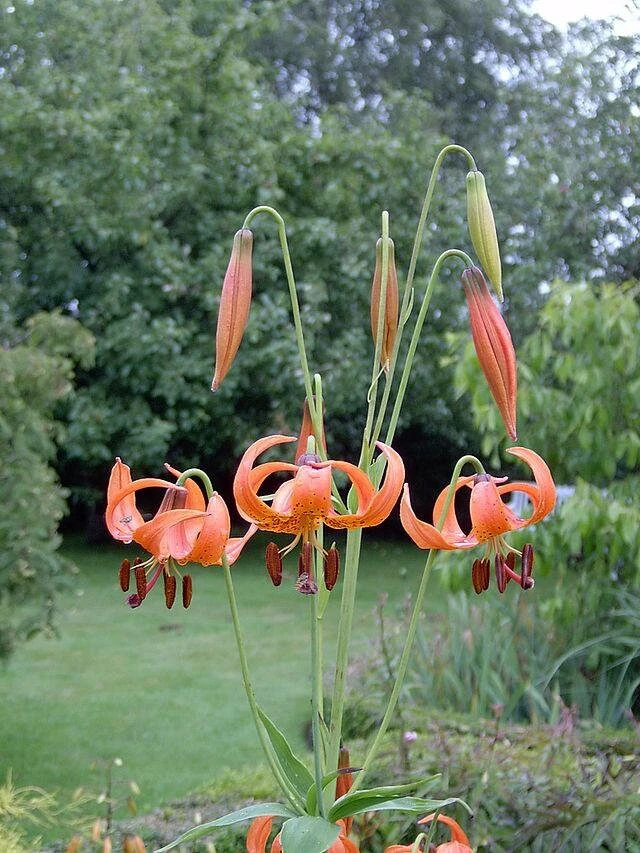
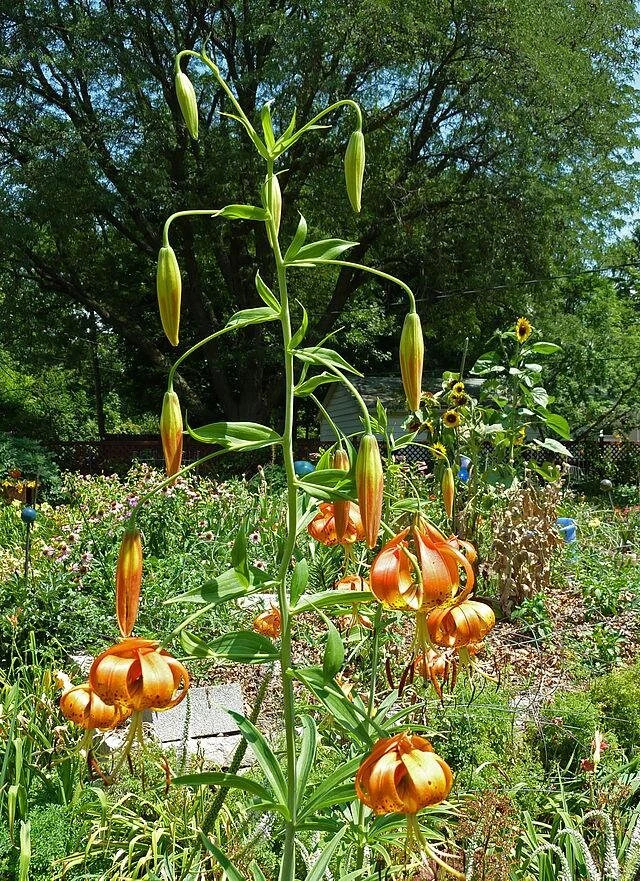
This adaptable plant thrives in a variety of habitats, from moist meadows to open woodlands, making it a versatile choice for many garden settings. With a height typically ranging from 3 to 6 feet, the Michigan Lily makes a dramatic statement. Its robust, unbranched stem is gracefully adorned with narrow, lance-shaped leaves arranged in whorls, providing an attractive backdrop for its showy blooms. Planting Michigan Lily seeds offers a unique opportunity to connect with nature and enjoy a truly spectacular wildflower in your own backyard.
Key Benefits
Cultivating Lilium michiganense seeds offers numerous advantages, enhancing your garden’s aesthetic and ecological value. This native perennial is a fantastic choice for gardeners seeking both beauty and biodiversity.
- Stunning Visual Appeal: The elegant, nodding orange to reddish-orange flowers with prominent dark spots and recurved petals create a captivating display, adding vibrant color and unique form to your landscape.
- Attracts Pollinators: These fragrant blossoms are a magnet for beneficial pollinators like bees and butterflies, supporting local ecosystems and encouraging garden health. Growing Lilium michiganense seeds helps create a thriving habitat.
- Native Plant Conservation: By planting this indigenous North American wildflower, you contribute to the preservation of local flora and support biodiversity in your region.
- Adaptable and Resilient: Thriving in a variety of habitats, from moist meadows to open woodlands, the Michigan Lily is a versatile and robust plant that can adapt to different garden conditions.
- Sweet Fragrance: The flowers emit a delightful, sweet fragrance that enhances the sensory experience of your garden, making outdoor spaces more enjoyable.
- Low Maintenance Once Established: After successful germination and establishment, the Michigan Lily is relatively low-maintenance, requiring minimal ongoing care.
- Long-Lasting Blooms: Enjoy a prolonged period of beautiful blooms that provide continuous color and interest throughout the growing season.
Plant Care & Growing Tips
Successful cultivation of Lilium michiganense seeds requires specific care, particularly regarding germination and ongoing maintenance. These plants thrive in USDA Zones 3-9. For germination, begin by filling a shallow container or seed tray with a well-draining potting mix. Sprinkle the Lilium michiganense seeds evenly on the soil surface, ensuring they are not buried too deep, and lightly press them in. To mimic natural conditions, place the container in a plastic bag or cover it with a plastic lid to create a mini-greenhouse effect. Store it in a cool, dark location for a stratification period of 8-12 weeks, maintaining consistent soil moisture throughout this period. This cold stratification is crucial for breaking seed dormancy and promoting successful sprouting.
After stratification, move the container to a well-lit area with indirect sunlight, ensuring the soil remains moist. Germination can be slow, so patience is key. Once seedlings appear, transplant them into individual pots or directly into your garden. Provide well-drained soil, preferably a loamy mix, and partial shade for optimal growth. While the Michigan Lily can tolerate full sun in cooler climates, partial shade helps protect it from intense afternoon heat, especially in warmer zones. Ensure adequate space for these vibrant Lilies to flourish, as they can grow quite tall. Water regularly, especially during dry spells, but avoid waterlogging, which can lead to bulb rot. Fertilize sparingly with a balanced, slow-release fertilizer in spring if your soil is poor. Protecting plants from strong winds can prevent stem damage. Understanding how to grow Michigan Lily successfully ensures a beautiful display for years.
Size & Details
This product includes 10 Lilium michiganense seeds, packaged for optimal viability. The Michigan Lily, or Turks Cap Lily seeds, will grow into mature plants typically reaching between 3 to 6 feet (90 to 180 cm) in height. The plant develops a robust, unbranched stem adorned with narrow, lance-shaped leaves arranged in attractive whorls. Once established, these perennial plants have a moderate growth rate, usually blooming in mid to late summer. Each seed packet provides a foundational opportunity to cultivate these magnificent native wildflowers. The seeds are suitable for outdoor planting within USDA Zones 3-9, allowing a wide range of gardeners to enjoy their beauty. Expect the first blooms typically within 2-3 years after successful germination and establishment, rewarding your patience with a stunning floral display.
Frequently Asked Questions
- Q: How big does this plant get? A: The Lilium michiganense typically grows to a height of 3 to 6 feet (90 to 180 cm). It develops a robust, unbranched stem that stands tall in the garden, making a significant visual impact.
- Q: Is this an indoor or outdoor plant? A: The Michigan Lily is primarily an outdoor plant, native to North America. It thrives in garden settings and is best suited for naturalizing in meadows, woodlands, or dedicated native plant gardens.
- Q: How much sunlight does it need? A: Lilium michiganense prefers partial shade, especially in warmer climates, but can tolerate full sun in cooler regions. Aim for a location that receives morning sun and some afternoon shade.
- Q: What condition will the seeds arrive in? A: You will receive 10 Lilium michiganense seeds in a protective packet. They are dormant and require a period of cold stratification to encourage germination.
- Q: Is this plant easy to care for? A: Once established, the Michigan Lily is relatively low-maintenance. The most critical step is successful germination, which requires cold stratification. After that, providing well-drained soil and appropriate sunlight will help it thrive.
- Q: How long until it blooms? A: After planting Michigan Lily seeds and successful germination, it typically takes 2-3 years for the plant to reach maturity and produce its first blooms. Patience is key with these stunning perennials.
- Q: When is the best time to plant Lilium michiganense seeds? A: The best time to sow Lilium michiganense seeds is in the fall or early winter, allowing them to undergo natural cold stratification outdoors. Alternatively, you can stratify them artificially for 8-12 weeks before planting in spring.
- Q: Will it survive winter in my zone? A: Yes, the Michigan Lily is hardy and well-suited for USDA Zones 3-9. It is a perennial plant that will return year after year in these zones, provided it has proper growing conditions.
- Q: What type of soil does the Michigan Lily prefer? A: This plant thrives in well-draining, moist soil, ideally a loamy or sandy loam. Good drainage is crucial to prevent bulb rot.
- Q: Do these flowers attract pollinators? A: Absolutely! The sweet, alluring fragrance and vibrant colors of the Turks Cap Lily seeds flowers are highly attractive to pollinators such as bees and butterflies, making it a great addition to a pollinator garden.
Be the first to review “Lilium michiganense Seeds – Michigan Lily Turks Cap – 10 Seed Packet – Outdoor Perennial”
Related products


You May Like

How to Grow Passion Flower (Passiflora) for Tropical Blooms
Few climbing vines in the home garden command attention quite like the exotic Passion Flower (Passiflora). [...]
Nov

Thanksgiving Cactus Care: How to Get Thanksgiving Cactus to Bloom
Is your Thanksgiving cactus growing well but not giving you any flowers? Maybe it looked [...]
Nov

How to Grow Garlic for a Bountiful Home Harvest
Garlic (Allium sativum) is one of the most satisfying, low-maintenance, and flavor-packed crops you can [...]
Oct

Hardneck vs. Softneck Garlic: Which Should You Grow?
Have you ever stood in front of a seed catalog in mid-September, staring at dozens [...]
1 Comment
Oct

When to Plant Music Garlic: Ultimate US Fall Guide
Have you ever spent your fall weekend placing carefully chosen garlic cloves into rich, dark [...]
1 Comment
Oct

5 Best Bulbs for Fall Planting: Brighten Your Garden This Spring
Are you dreaming of a garden full of vibrant colors in the spring? The key [...]
Aug

10 Houseplants That Will Thrive in Your Kitchen
Are you tired of your kitchen feeling dull and lifeless? Want to add a little [...]
1 Comment
Aug
Reviews
There are no reviews yet.