

Purple Milkweed Seeds – Asclepias purpurascens (10 Seeds) – Pollinator & Monarch Butterfly Host Plant – Zones 4-9
Original price was: 25.00 $.17.50 $Current price is: 17.50 $.
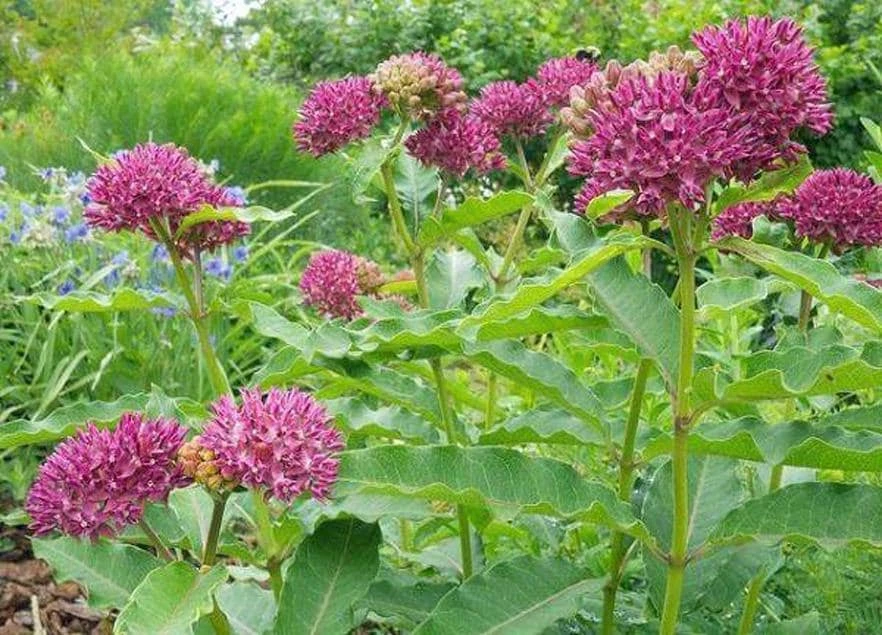
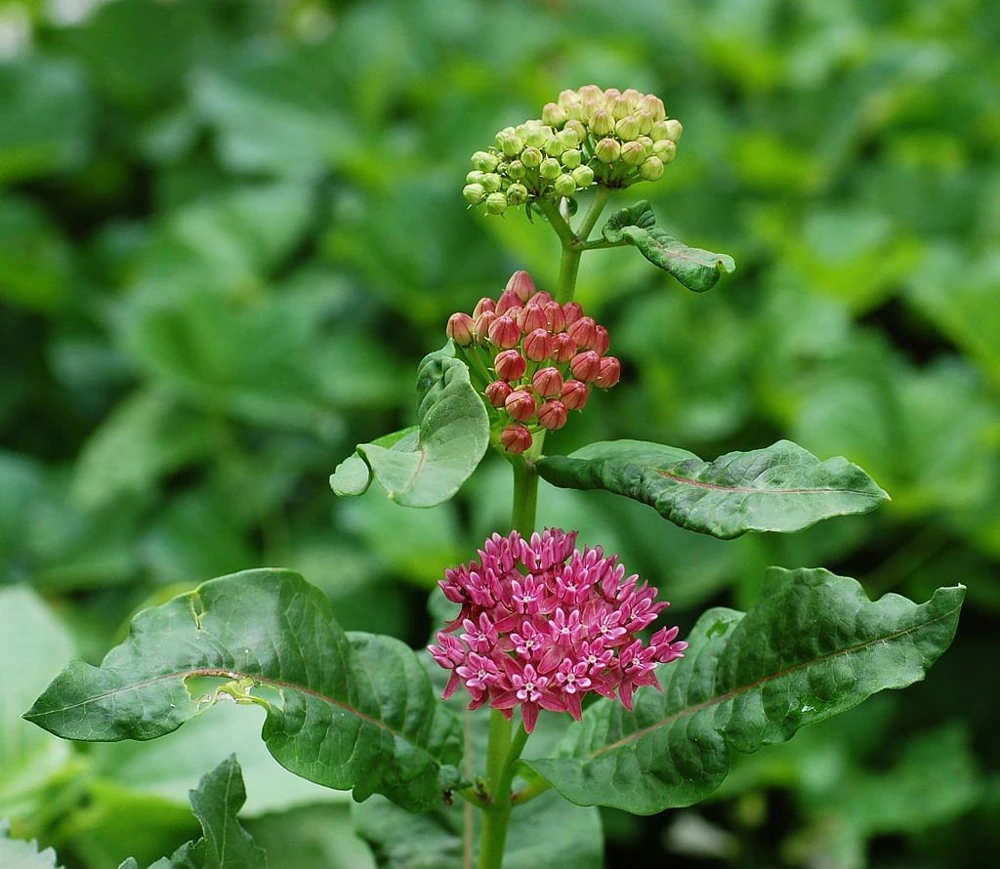
Cultivate stunning Purple Milkweed seeds (Asclepias purpurascens), a vital host plant for Monarch Butterflies and a magnet for various pollinators. Unlike most milkweeds, this native perennial thrives in partial shade, offering bold purple blooms from June to July. Each pack contains 10 Purple Milkweed seeds, perfect for establishing a vibrant, wildlife-friendly garden in USDA Zones 4-9.
Estimated arrival
Nov 27
Dec 02 - Dec 04
Dec 04 - Dec 09
See our Shipping Policy.
Get in touch with us via email, and our team will review your concerns.
Our Alive & Thrive Guarantee covers issues with your plants within the first 30 days. Read our Refund & Returns Policy.
-
USDA Hardiness Zone
USDA Zones 4-9 -
Soil Type
Well-draining loamy or sandy-loam soil -
Sunlight Exposure
Partial shade -
Expected Planting Period
Late winter to early spring (after stratification)
Overview
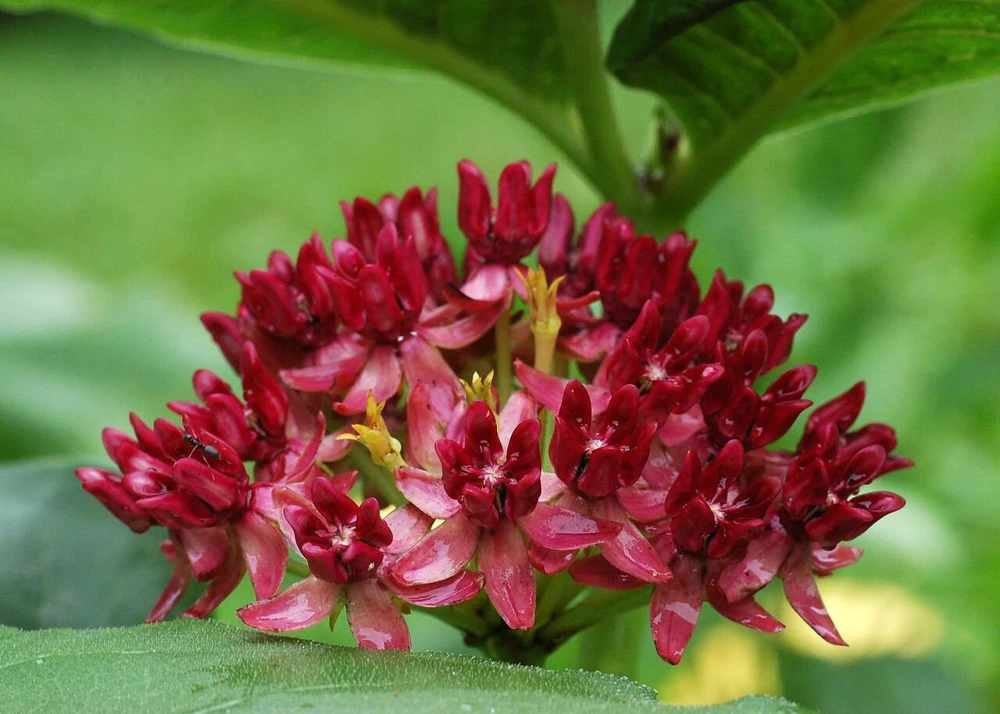
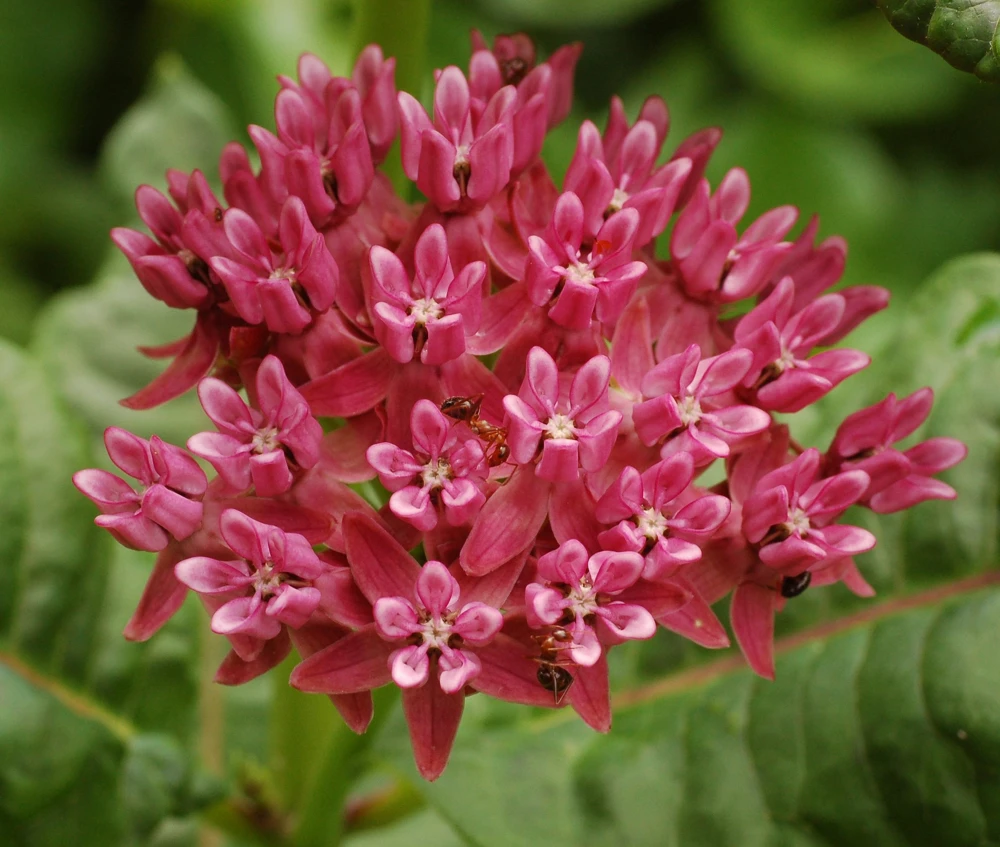
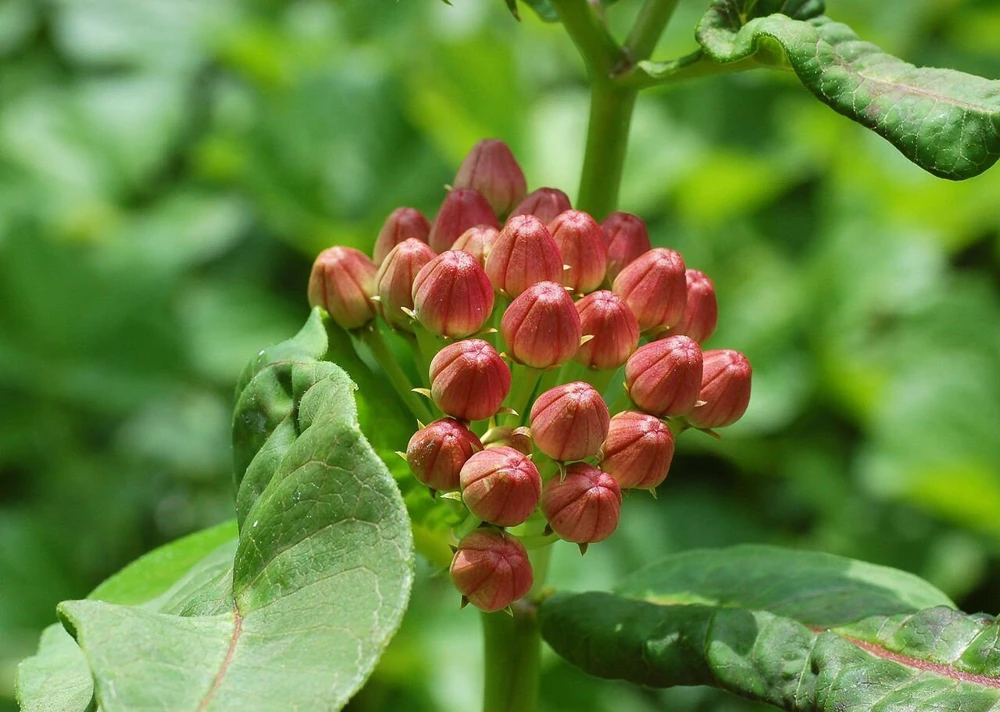
Discover the beauty and ecological importance of purple milkweed seeds (Asclepias purpurascens). This exquisite herbaceous perennial is a must-have for any gardener looking to support local ecosystems, especially the beloved Monarch Butterfly. Native to the Eastern, Midwestern, and Southern United States, Purple Milkweed is a unique variety known for its striking deep purple blooms that emerge from dark pink buds. Unlike its common relatives, Asclepias purpurascens prefers more shade, making it an excellent choice for woodland edges or partially shaded garden beds where other milkweeds might struggle. Growing up to 3 feet tall, these plants create small, captivating batches of color in your landscape.
Each packet contains 10 Purple Milkweed seeds, providing a fantastic opportunity to establish this beneficial plant in your garden. These seeds will germinate to produce robust plants that not only add visual appeal but also serve as a crucial food source and host plant for a variety of insects, including the iconic Monarch Butterfly. The smooth seed pods are easily identifiable, and the nectar-rich flowers attract a diverse array of pollinators, enhancing biodiversity in your outdoor space. Embrace sustainable gardening by adding this vital native plant to your collection.
Key Benefits
Planting purple milkweed seeds offers a multitude of benefits for both your garden and the environment. This native perennial is a powerhouse for ecological support and brings unique beauty to your landscape.
- Monarch Butterfly Host Plant: Asclepias purpurascens is an essential host plant for Monarch Butterfly caterpillars, providing the sole food source they need to grow and metamorphose. By planting these seeds, you directly contribute to the conservation of these iconic pollinators.
- Attracts Diverse Pollinators: Beyond Monarchs, the vibrant purple flowers are a magnet for various beneficial insects, including milkweed beetles, large and small milkweed bugs, and a wide array of other nectar-feeding pollinators, boosting your garden’s health.
- Shade-Tolerant Milkweed: Unlike many milkweed varieties that demand full sun, shade tolerant milkweed like Asclepias purpurascens thrives in partial shade, offering greater flexibility in garden placement and allowing you to create pollinator habitats in less sunny spots.
- Stunning Ornamental Value: The deep, bold purple flowers of this milkweed add a dramatic splash of color to your garden from June through July. Its unique hue makes it a standout among other summer blooms.
- Low Maintenance and Resilient: Once established, Asclepias purpurascens is a hardy and relatively low-maintenance plant. It’s well-adapted to its native range (USDA Zones 4-9) and can withstand various environmental conditions.
- Supports Native Ecosystems: As a native milkweed seeds variety, it helps restore and support local ecosystems, providing food and habitat for native wildlife and contributing to a balanced garden environment.
- Unique Seed Pods: The smooth, distinctive seed pods are easy to identify and add an interesting textural element to the plant, even after the blooms have faded.
Plant Care & Growing Tips
Growing purple milkweed seeds requires a bit of patience and specific care to ensure successful germination and establishment. These plants prefer a location with more shade than typical milkweeds, thriving in part shade to dappled sunlight. Aim for an area that receives 3-6 hours of direct sunlight per day, ideally in the morning, with protection from harsh afternoon sun. Well-draining soil is crucial for Asclepias purpurascens. A loamy or sandy-loam soil enriched with organic matter works best. Avoid heavy clay soils that retain too much moisture, as this can lead to root rot. Ensure good drainage to prevent waterlogging.
Germinating Asclepias purpurascens seeds requires both warm and cold stratification to break dormancy. To stratify, mix your purple milkweed seeds with a moist seed starting mix (like vermiculite or sand) in a plastic bag and place it in your refrigerator for four weeks. After stratification, sow seeds an eighth of an inch deep, covering them lightly with soil. Water thoroughly and place the seed tray in a part shade location. Germination can be variable, taking anywhere from 7 to 60 days. Keep the soil consistently moist but not waterlogged during this period.
Once established, Purple Milkweed is drought-tolerant but will benefit from consistent watering during dry spells, especially in its first year. Fertilization is generally not heavily required in good garden soil, but a light application of a balanced, slow-release fertilizer in spring can encourage vigorous growth. These plants are hardy in USDA Zones 4-9. They are generally resistant to most pests, though you may observe milkweed bugs or aphids, which are typically part of the natural ecosystem and rarely cause significant harm. Maintain good air circulation to prevent fungal issues.
Size & Details
This product includes 10 Purple Milkweed seeds (Asclepias purpurascens), ready for planting. Once mature, these herbaceous perennials typically reach a maximum height of 3 feet, growing in attractive small batches. The plants bloom in June and July, showcasing their distinctive bold purple flowers. The smooth seed pods that follow are a key identifier for this species. Purple Milkweed is a relatively fast grower once established, particularly after its first year, and will return reliably each season within its hardiness zones.
These native milkweed seeds will develop into robust plants that are well-suited for gardens in USDA Zones 4-9. The plants are shipped as seeds, providing you with the opportunity to grow them from scratch and enjoy the full lifecycle of this important pollinator plant. Expect to see significant growth in the first growing season after germination, with full flowering typically occurring in the second year. The plants will naturally spread over time to form small clumps, creating a beautiful and ecologically beneficial display.
Frequently Asked Questions
- Q: How big does this plant get? A: Purple Milkweed (Asclepias purpurascens) typically grows to a maximum height of 3 feet, forming small, attractive batches in your garden. Its upright habit makes it a great addition to the middle or back of a border.
- Q: Is this an indoor or outdoor plant? A: This is an outdoor perennial plant. While you can start purple milkweed seeds indoors, the mature plants are meant to be grown outdoors in garden beds or naturalized areas.
- Q: How much sunlight does it need? A: Unlike many milkweeds, Asclepias purpurascens prefers partial shade. It thrives in locations that receive 3-6 hours of direct sunlight, ideally morning sun, with protection from intense afternoon sun.
- Q: Is this plant easy to care for? A: Once established, Asclepias purpurascens is relatively easy to care for. The main challenge is the stratification process required for seed germination, but after that, it’s a hardy and low-maintenance plant.
- Q: What condition will the seeds arrive in? A: Your order will contain 10 Purple Milkweed seeds, carefully packaged to ensure their viability upon arrival, ready for stratification and planting.
- Q: Is Purple Milkweed a good plant for beginners? A: Yes, with proper stratification, growing purple milkweed seeds can be a rewarding experience for beginners. Its relatively low maintenance needs after establishment make it an accessible choice for new gardeners.
- Q: How long until it blooms? A: Typically, Purple Milkweed plants grown from seed will begin to bloom in their second year. Once mature, they will flower annually in June and July.
- Q: When is the best time to plant Purple Milkweed seeds? A: After the required cold stratification period, the best time to sow native milkweed seeds is in late winter or early spring, allowing for germination as temperatures rise.
- Q: Will it survive winter in my zone? A: Yes, Purple Milkweed is hardy in USDA Zones 4-9, meaning it will reliably return each spring after going dormant in winter within these zones.
- Q: What kind of insects does Purple Milkweed attract? A: It attracts a wide array of pollinators, including Monarch Butterflies (as a host plant), milkweed beetles, large and small milkweed bugs, bees, and other nectar-feeding insects, making it an excellent choice for a pollinator garden.
Be the first to review “Purple Milkweed Seeds – Asclepias purpurascens (10 Seeds) – Pollinator & Monarch Butterfly Host Plant – Zones 4-9”
Related products


You May Like

How to Grow Passion Flower (Passiflora) for Tropical Blooms
Few climbing vines in the home garden command attention quite like the exotic Passion Flower (Passiflora). [...]
Nov

Thanksgiving Cactus Care: How to Get Thanksgiving Cactus to Bloom
Is your Thanksgiving cactus growing well but not giving you any flowers? Maybe it looked [...]
Nov

How to Grow Garlic for a Bountiful Home Harvest
Garlic (Allium sativum) is one of the most satisfying, low-maintenance, and flavor-packed crops you can [...]
Oct

Hardneck vs. Softneck Garlic: Which Should You Grow?
Have you ever stood in front of a seed catalog in mid-September, staring at dozens [...]
1 Comment
Oct

When to Plant Music Garlic: Ultimate US Fall Guide
Have you ever spent your fall weekend placing carefully chosen garlic cloves into rich, dark [...]
1 Comment
Oct

5 Best Bulbs for Fall Planting: Brighten Your Garden This Spring
Are you dreaming of a garden full of vibrant colors in the spring? The key [...]
Aug

10 Houseplants That Will Thrive in Your Kitchen
Are you tired of your kitchen feeling dull and lifeless? Want to add a little [...]
1 Comment
Aug
Reviews
There are no reviews yet.