
Sansevieria Whitney Snake Plant – 4 inch Pot Live Houseplant Indoor
Original price was: 71.99 $.41.99 $Current price is: 41.99 $.
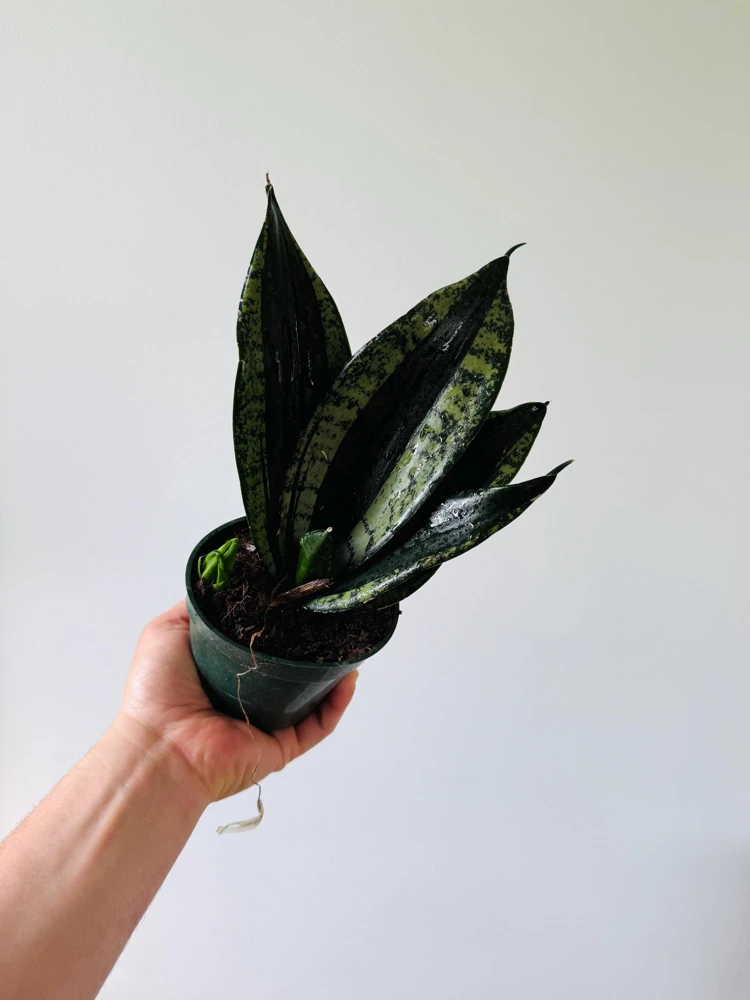
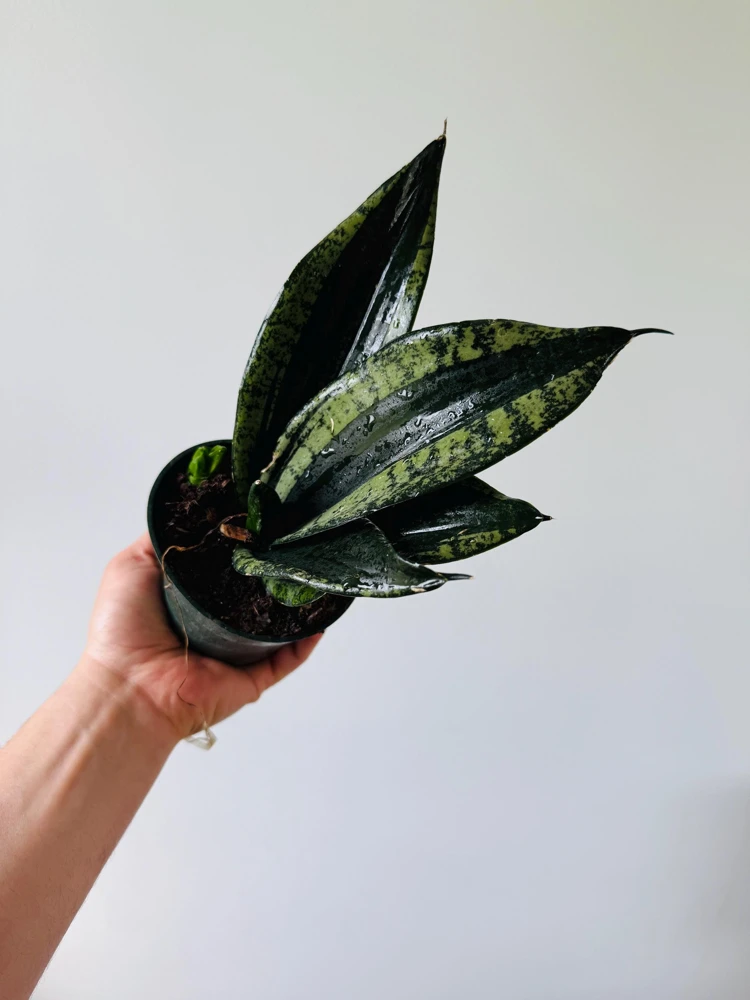
Bring home the beautiful Sansevieria Whitney snake plant, also known as Sansevieria Silver Flame. This striking 4-inch potted live houseplant features unique dark green and silver-flame foliage, perfect for adding a touch of modern elegance to any indoor space. Known for its exceptional hardiness and air-purifying qualities, this low light houseplant is incredibly easy to care for, making it an ideal choice for beginners and busy plant enthusiasts alike. Enhance your home decor with this resilient and visually appealing indoor snake plant.
Estimated arrival
Nov 27
Dec 02 - Dec 04
Dec 04 - Dec 09
See our Shipping Policy.
Get in touch with us via email, and our team will review your concerns.
Our Alive & Thrive Guarantee covers issues with your plants within the first 30 days. Read our Refund & Returns Policy.
-
USDA Hardiness Zone
Year-round indoors -
Soil Type
Well-draining potting mix -
Sunlight Exposure
Bright indirect light -
Expected Planting Period
Year-round indoors
Overview
Introduce a touch of modern sophistication to your living space with the exquisite Sansevieria Whitney snake plant. This captivating live houseplant, also known as Sansevieria Silver Flame, is celebrated for its stunning upright foliage featuring a unique blend of very dark green, almost black, and shimmering silver flames. Originating from West Africa, this particular cultivar of Sansevieria trifasciata is highly sought after for its ornamental value and remarkable resilience. It arrives in a convenient 4-inch nursery pot, ready to display and instantly elevate the aesthetic of any room. Perfect for plant enthusiasts and beginners alike, the Sansevieria Whitney snake plant thrives with minimal intervention, offering enduring beauty and a touch of natural artistry.
The Sansevieria Whitney snake plant is not just a visual delight; it’s also a powerhouse of practicality. Its striking appearance makes it a focal point in any decor, from minimalist to bohemian. The architectural structure of its leaves adds a sculptural element, while the contrasting dark and silver hues create depth and visual interest. Often referred to as Mother-in-Law’s Tongue, Sansevieria plants are known for their robust nature and ability to tolerate a wide range of growing conditions, making them one of the most forgiving houseplants available. This makes the indoor snake plant an excellent choice for those seeking a beautiful yet undemanding companion.
Key Benefits
The Sansevieria Whitney snake plant offers a multitude of benefits, making it an excellent addition to any home or office environment. Its ease of care combined with its aesthetic appeal and health advantages ensures a rewarding experience for any plant parent.
- Exceptional Low Maintenance: This low light houseplant is incredibly forgiving and requires minimal attention, making it perfect for busy individuals or novice plant owners. It thrives on neglect, needing infrequent watering and tolerating various light conditions.
- Striking Visual Appeal: The unique dark green, almost black, foliage with bright silver-flame variegation creates a dramatic and elegant statement. Its upright, architectural form adds a modern touch to any interior design scheme.
- Air Purifying Qualities: Like other Sansevierias, the Sansevieria Whitney snake plant is renowned for its ability to filter indoor air, removing toxins such as formaldehyde, benzene, and trichloroethylene. This contributes to a healthier living environment.
- Drought Tolerant: This plant stores water in its thick leaves, allowing it to go for extended periods without watering. This makes it highly resilient and reduces the risk of overwatering, a common issue for many houseplants.
- Adaptable to Various Light Conditions: While it prefers bright indirect light, the Sansevieria Whitney snake plant can comfortably tolerate low light environments, making it suitable for almost any room in your home or office.
- Compact Size: Arriving in a 4-inch pot, this plant is perfectly sized for desks, shelves, windowsills, or as part of a larger plant arrangement, fitting seamlessly into smaller spaces.
- Pet-Friendly (with caution): While generally considered mildly toxic if ingested, many plant owners successfully keep Sansevierias in homes with pets by placing them out of reach. It is always wise to monitor pets around new plants.
Plant Care & Growing Tips
Caring for your Sansevieria Whitney snake plant is remarkably straightforward, making it an ideal choice for both seasoned plant enthusiasts and beginners. Understanding its basic needs will ensure your plant thrives and continues to display its beautiful foliage for years to come. The key to a happy Sansevieria Whitney snake plant is to avoid overwatering and provide adequate light.
Sunlight Requirements: While the Sansevieria Whitney snake plant is famously tolerant of low light, it truly flourishes in bright, indirect light. Placing it near an east-facing window or a few feet away from a south or west-facing window will provide optimal conditions. Direct, harsh afternoon sun can scorch its leaves, so ensure it’s protected from intense rays. In very low light, its growth may slow, and the vibrant variegation might become less pronounced. However, its resilience means it will still survive and add greenery to dim corners.
Watering Schedule and Soil Moisture: This is the most crucial aspect of snake plant care. Sansevierias are succulent-like and highly susceptible to root rot if overwatered. Only water your plant when the soil has completely dried out, typically every 2-4 weeks, depending on light, temperature, and humidity. In winter, reduce watering significantly. When you do water, water thoroughly until it drains from the bottom, then allow any excess water to escape. Never let the pot sit in standing water. A moisture meter can be a helpful tool to accurately gauge soil dryness.
Soil Type and Drainage Requirements: The Sansevieria Whitney snake plant needs a well-draining potting mix. A standard succulent or cactus mix is ideal, or you can create your own by mixing regular potting soil with perlite or coarse sand to improve drainage. Good drainage is paramount to prevent waterlogging and root rot. Ensure the pot has drainage holes to allow excess water to escape freely.
Temperature Range and USDA Hardiness Zone: This plant prefers average room temperatures between 65-80°F (18-27°C). It is not tolerant of cold temperatures and should be protected from drafts and temperatures below 50°F (10°C). As an indoor snake plant, it is generally grown year-round indoors. If you live in a warm climate (USDA zones 9-11), it can be grown outdoors in a protected area, but it’s best kept as an indoor plant in most regions.
Fertilization Schedule and Type: Sansevierias are not heavy feeders. Fertilize sparingly, perhaps once or twice during the growing season (spring and summer) with a balanced liquid houseplant fertilizer diluted to half strength. Avoid fertilizing in fall and winter when the plant’s growth naturally slows. Over-fertilization can harm the plant.
Common Problems and Solutions: The most common issue is overwatering, leading to soft, mushy leaves and root rot. If this occurs, reduce watering immediately and check the roots for rot. If found, prune affected roots and repot in fresh, dry soil. Pests are generally not a major concern, but occasionally mealybugs or spider mites may appear. Treat with neem oil or insecticidal soap. Yellowing leaves can indicate overwatering or sometimes lack of light, while crispy brown tips might suggest underwatering or low humidity, though the latter is rarely an issue for this resilient plant.
Size & Details
The Sansevieria Whitney snake plant is delivered as a healthy, established live plant, potted in a 4 inch nursery pot. This compact size makes it perfect for immediate display on desktops, shelves, or as a charming accent in any room. Typically, this variety grows to an average indoor height of 12 to 18 inches, with a similar spread, though individual growth rates can vary based on care and environment. Its slow to moderate growth rate means it won’t quickly outgrow its space, making it a long-lasting addition to your plant collection.
Each Sansevieria Whitney snake plant is carefully selected to ensure you receive a plant similar in health and vigor to those pictured, embodying the characteristic dark green and silver-flame foliage. It ships fully rooted in its nursery pot with soil, ensuring a smooth transition to your home. While it doesn’t produce showy flowers, its striking foliage provides year-round visual interest. Expect your plant to maintain a relatively compact and upright form, making it an excellent choice for smaller living areas or as part of a diverse indoor garden.
Frequently Asked Questions
- Q: How big does this plant get? A: The Sansevieria Whitney snake plant typically grows to an indoor height of 12 to 18 inches. Its compact nature makes it ideal for various indoor settings, from desks to shelves.
- Q: What size pot does it come in? A: This Sansevieria Whitney snake plant is shipped in a sturdy 4 inch nursery pot, ready for you to enjoy. You can choose to keep it in this pot or transplant it into a decorative container.
- Q: Is this an indoor or outdoor plant? A: The Sansevieria Whitney snake plant is primarily an indoor houseplant. While it can tolerate outdoor conditions in warm, frost-free climates (USDA zones 9-11), it thrives best as an indoor plant in most regions of the US.
- Q: How much sunlight does it need? A: This low light houseplant prefers bright, indirect light but is highly adaptable and can tolerate lower light conditions. Avoid direct, intense sunlight, which can harm its leaves.
- Q: Is this plant easy to care for? A: Yes, the Sansevieria Whitney snake plant is one of the easiest houseplants to care for. It’s known for its resilience and ability to thrive on minimal attention, making it perfect for beginners.
- Q: Is it good for beginners? A: Absolutely! Its forgiving nature and minimal care requirements make the Sansevieria Whitney snake plant an excellent choice for those new to plant parenting. Just be mindful not to overwater.
- Q: What condition will it arrive in? A: Your live plant will arrive carefully packaged, fully rooted in its nursery pot with soil. It is normal for plants to experience some minor stress during transit, but it will quickly acclimate to its new environment.
- Q: Is it shipped in soil? A: Yes, the Sansevieria Whitney snake plant is shipped in its nursery pot with soil, ensuring it stays hydrated and healthy during transit and is ready for display upon arrival.
- Q: Is this indoor snake plant pet-safe? A: Sansevieria plants are considered mildly toxic if ingested by pets. It’s best to place your Sansevieria Whitney snake plant in an area where curious pets cannot easily reach it.
- Q: How often should I water my Sansevieria Whitney? A: Water only when the soil has completely dried out, typically every 2-4 weeks. Always err on the side of underwatering rather than overwatering to prevent root rot.
Be the first to review “Sansevieria Whitney Snake Plant – 4 inch Pot Live Houseplant Indoor”
Related products


HousePlants
Pothos Silvery Ann Live Plant – Scindapsus Treubii Silver Houseplant – Hanging Basket – Indoor

You May Like

How to Grow Passion Flower (Passiflora) for Tropical Blooms
Few climbing vines in the home garden command attention quite like the exotic Passion Flower (Passiflora). [...]
Nov

Thanksgiving Cactus Care: How to Get Thanksgiving Cactus to Bloom
Is your Thanksgiving cactus growing well but not giving you any flowers? Maybe it looked [...]
Nov

How to Grow Garlic for a Bountiful Home Harvest
Garlic (Allium sativum) is one of the most satisfying, low-maintenance, and flavor-packed crops you can [...]
Oct

Hardneck vs. Softneck Garlic: Which Should You Grow?
Have you ever stood in front of a seed catalog in mid-September, staring at dozens [...]
1 Comment
Oct

When to Plant Music Garlic: Ultimate US Fall Guide
Have you ever spent your fall weekend placing carefully chosen garlic cloves into rich, dark [...]
1 Comment
Oct

5 Best Bulbs for Fall Planting: Brighten Your Garden This Spring
Are you dreaming of a garden full of vibrant colors in the spring? The key [...]
Aug

10 Houseplants That Will Thrive in Your Kitchen
Are you tired of your kitchen feeling dull and lifeless? Want to add a little [...]
1 Comment
Aug
Reviews
There are no reviews yet.