
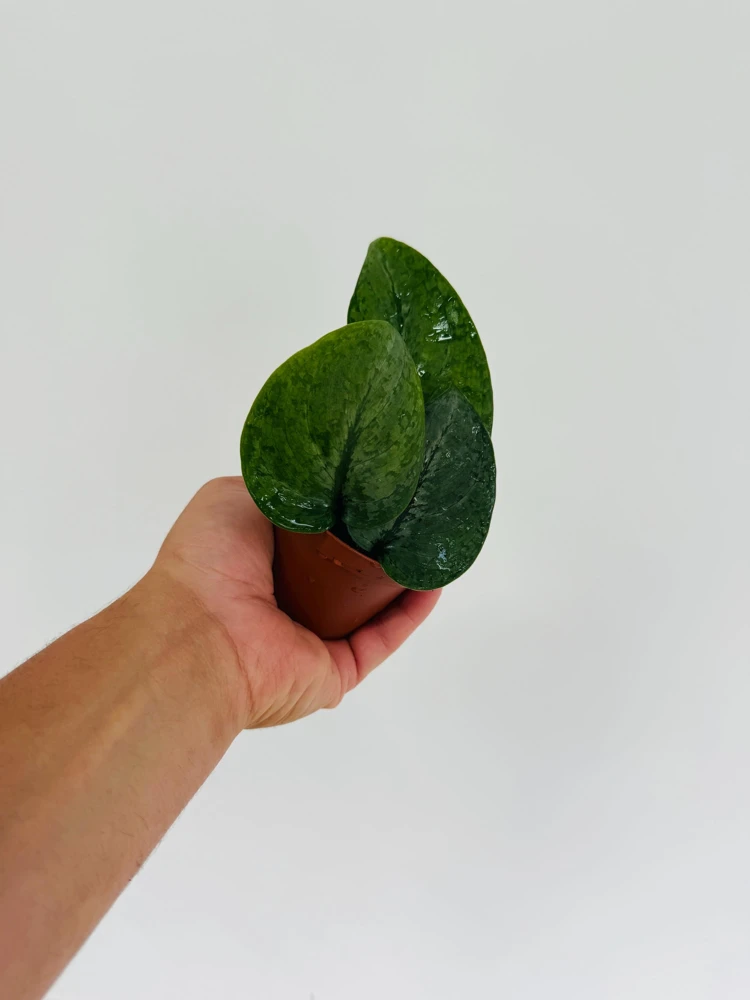
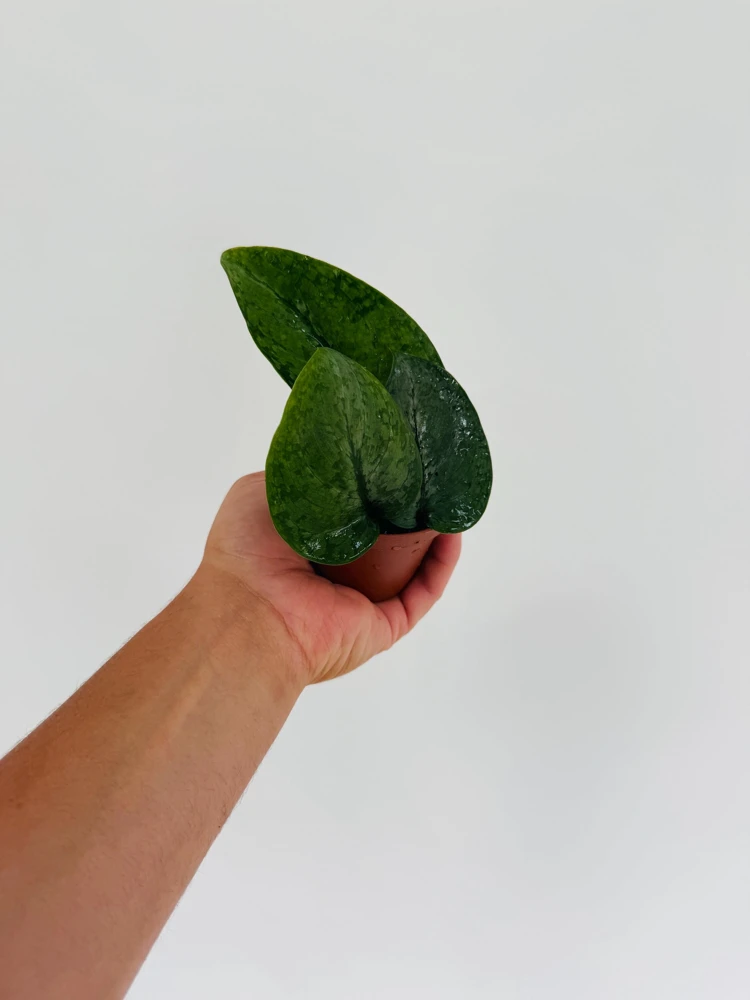
Scindapsus Leopard Live Plant – Rare Variegated Aroid – 3 inch Pot – Indoor
Original price was: 89.99 $.59.99 $Current price is: 59.99 $.
Bring home the exotic Scindapsus Leopard live plant, a truly unique and variegated Scindapsus. This stunning rare aroid plant boasts striking silver-green mottled foliage, perfect for adding a touch of the tropics to your indoor space. Shipped in a convenient 3-inch pot, it’s ready to thrive as an elegant indoor climbing plant or trailing specimen.
Estimated arrival
Nov 26
Dec 01 - Dec 03
Dec 03 - Dec 08
See our Shipping Policy.
Get in touch with us via email, and our team will review your concerns.
Our Alive & Thrive Guarantee covers issues with your plants within the first 30 days. Read our Refund & Returns Policy.
-
USDA Hardiness Zone
USDA zones 10-12 (indoors in colder zones) -
Soil Type
Well-draining, airy aroid potting mix -
Sunlight Exposure
Bright indirect light -
Expected Planting Period
Year-round indoors
Overview
Introduce a touch of the exotic to your indoor plant collection with the magnificent Scindapsus Leopard live plant. This highly sought-after aroid is celebrated for its truly unique and captivating foliage, making it a standout specimen in any home or office. Originating from tropical regions, this particular Scindapsus variety, often referred to as the Leopard Scindapsus, produces stunning, elongated leaves characterized by a deep green base beautifully speckled with vibrant silver and lighter green mottling. Each leaf is a natural work of art, displaying an intricate pattern reminiscent of a leopard’s spots, hence its evocative common name. As a live plant, it offers not just aesthetic appeal but also the joy of nurturing a growing, evolving piece of nature. It’s a fantastic choice for plant enthusiasts looking to expand their collection with something truly special and visually arresting.
The Scindapsus genus is well-regarded for its adaptability and relatively straightforward care, making this ‘Leopard’ variety an excellent addition for both seasoned collectors and those newer to variegated plants. Its vining habit allows for versatile display options, whether you prefer it to trail elegantly from a shelf or climb upwards with appropriate support. This particular offering comes as a healthy Scindapsus Leopard live plant in a 3-inch nursery pot, providing a perfect foundation for its continued growth and development in your chosen environment. Its striking variegation makes it an instant conversation starter and a focal point in any room, promising to bring a lush, vibrant energy to your living space.
Key Benefits
The Scindapsus Leopard live plant offers a multitude of benefits beyond its undeniable beauty, enhancing your indoor environment in several ways. Its unique characteristics make it a rewarding and engaging plant to own.
- Stunning Variegated Foliage: The primary appeal of this plant is its spectacular leaves. Each leaf features a distinctive pattern of dark green with splashes of silvery-green and lighter green mottling, creating a dynamic and eye-catching display. This natural artistry ensures that no two leaves are exactly alike, providing continuous visual interest.
- Air Purification Qualities: Like many houseplants, the Scindapsus Leopard live plant contributes to a healthier indoor environment by helping to filter airborne toxins. It can improve air quality, making your home feel fresher and more invigorating.
- Versatile Growth Habit: This plant is a natural climber and trailer. You can allow its beautiful vines to cascade gracefully from a hanging basket or shelf, or provide a moss pole or trellis to encourage it to climb upwards, mimicking its natural arboreal habitat. This versatility allows for creative display options in various indoor settings.
- Moderate Care Requirements: Despite its exotic appearance, the variegated Scindapsus ‘Leopard’ is relatively forgiving and manageable. It thrives with consistent care but can tolerate minor fluctuations, making it suitable for those who appreciate beautiful plants without overly demanding maintenance.
- Adds Tropical Ambiance: With its lush foliage and vining nature, this rare aroid plant instantly transforms any room into a more vibrant, tropical oasis. It creates a calming and natural atmosphere, contributing to overall well-being and a sense of tranquility.
- Compact Size for Display: Arriving in a 3-inch pot, this plant is an ideal size for starting a new collection, fitting into small spaces, or as a desk companion. Its initial compact form allows for easy placement while it grows into a more substantial specimen.
Plant Care & Growing Tips
Caring for your Scindapsus Leopard live plant is a rewarding experience, and with the right conditions, it will flourish and display its stunning variegation. Understanding its preferences will ensure healthy growth and vibrant foliage. One of the most critical aspects of Scindapsus care is providing the correct light. This plant thrives in bright, indirect light. Avoid direct sunlight, especially harsh afternoon sun, as it can scorch the delicate leaves and diminish the variegation. An east-facing window or a few feet away from a south or west-facing window is often ideal. If your plant isn’t getting enough light, the variegation may fade, and growth can become leggy. Conversely, too much direct light can lead to bleached or burned spots on the leaves.
Watering is another key component of successful Scindapsus care. Allow the top inch or two of the soil to dry out completely between waterings. Overwatering is a common issue for aroids and can lead to root rot, so it’s always better to err on the side of underwatering than overwatering. Use your finger to check the soil moisture before watering. When you do water, water thoroughly until it drains from the bottom of the pot. Ensure the pot has drainage holes to prevent waterlogging. The ideal soil type for this indoor climbing plant is a well-draining, airy potting mix. A blend formulated for aroids, often containing perlite, orchid bark, and peat moss, will provide the necessary aeration and moisture retention. High humidity is also beneficial for the Scindapsus Leopard, mirroring its natural tropical habitat. You can increase humidity by misting regularly, placing the plant near a humidifier, or using a pebble tray. Maintain indoor temperatures between 65-80°F (18-27°C) and avoid sudden temperature drops or cold drafts. Fertilize every 2-4 weeks during the growing season (spring and summer) with a balanced liquid fertilizer diluted to half strength. Reduce or stop fertilizing during fall and winter. Keep an eye out for common pests like spider mites or mealybugs; inspect your plant regularly and treat promptly if any are found.
Size & Details
This Scindapsus Leopard live plant is currently supplied in a standard 3-inch nursery pot, making it a perfect starter size for enthusiasts and collectors alike. The plant’s height will vary slightly but typically measures between 4-6 inches from the base of the soil to the top of the foliage upon arrival. Its growth rate is considered moderate, and with optimal Scindapsus care, it can quickly develop into a more substantial specimen, with vines extending several feet over time. The leaves themselves can grow quite large, showcasing their impressive variegation as they mature.
The plant ships as a healthy, rooted cutting or young plant, securely nestled in its growing medium within the 3-inch pot. This ensures it arrives ready to be acclimated to your home. Expect this variegated Scindapsus to begin actively growing and extending its vines within a few weeks of receiving it, especially during the warmer months. As an indoor climbing plant, it will benefit from a moss pole or trellis once its vines become long enough to support themselves. Its compact initial size makes it ideal for placement on desks, shelves, or as part of a larger plant arrangement, offering immediate aesthetic appeal while promising impressive future growth.
Frequently Asked Questions
- Q: How big does this Scindapsus Leopard live plant get? A: While this plant arrives in a 3-inch pot, its vines can grow quite long, potentially several feet, when given proper support and care. Individual leaves can also mature to a significant size, showcasing the beautiful variegation.
- Q: Is this an indoor or outdoor plant? A: The Scindapsus Leopard live plant is best suited as an indoor plant in most climates, especially in the US. It thrives in stable indoor temperatures and high humidity, mimicking its tropical origins. It can be moved outdoors in very warm, humid, and shaded conditions during summer, but should be brought inside before temperatures drop.
- Q: How much sunlight does the variegated Scindapsus need? A: This plant prefers bright, indirect light. Direct sunlight, particularly harsh afternoon sun, should be avoided as it can scorch the leaves and reduce the vibrancy of the variegation. An east-facing window or a spot a few feet from a south or west-facing window works well.
- Q: Is this plant easy to care for? Is it good for beginners? A: While it has specific needs, the Scindapsus Leopard live plant is considered moderately easy to care for and can be a good choice for adventurous beginners. Consistent watering and appropriate light are key to successful Scindapsus care.
- Q: What condition will the rare aroid plant arrive in? A: Your plant will arrive healthy and securely packaged in its 3-inch nursery pot with soil. We take great care to ensure it is protected during transit, though minor leaf damage can occasionally occur.
- Q: How often should I water my Scindapsus? A: Water your Scindapsus Leopard live plant when the top 1-2 inches of soil feel dry to the touch. This typically means once every 7-10 days, but it can vary based on light, humidity, and temperature. Always ensure good drainage.
- Q: What’s the minimum temperature this indoor climbing plant can tolerate? A: This tropical plant prefers temperatures between 65-80°F (18-27°C). It is sensitive to cold and should not be exposed to temperatures below 55°F (13°C) for extended periods, as this can cause stress and damage.
- Q: Is the Scindapsus Leopard pet-safe? A: Like many aroids, Scindapsus plants contain calcium oxalate crystals, which can be irritating if ingested. It is generally considered toxic to pets and humans if consumed, so it’s best to keep it out of reach of curious pets and children.
- Q: When is the best time to repot this Scindapsus Leopard? A: The best time to repot your Scindapsus Leopard live plant is in the spring or early summer when it is actively growing. Repot only when it becomes root-bound, usually every 1-2 years, moving up to a pot that is only 1-2 inches larger in diameter.
- Q: Can I propagate this variegated Scindapsus? A: Yes, variegated Scindapsus plants are relatively easy to propagate from stem cuttings. Simply take a cutting with a few leaves and at least one node, and place it in water or a moist potting mix until roots develop.
Be the first to review “Scindapsus Leopard Live Plant – Rare Variegated Aroid – 3 inch Pot – Indoor”
Related products


HousePlants


HousePlants
Pothos Silvery Ann Live Plant – Scindapsus Treubii Silver Houseplant – Hanging Basket – Indoor


HousePlants
You May Like

How to Grow Passion Flower (Passiflora) for Tropical Blooms
Few climbing vines in the home garden command attention quite like the exotic Passion Flower (Passiflora). [...]
Nov

Thanksgiving Cactus Care: How to Get Thanksgiving Cactus to Bloom
Is your Thanksgiving cactus growing well but not giving you any flowers? Maybe it looked [...]
Nov

How to Grow Garlic for a Bountiful Home Harvest
Garlic (Allium sativum) is one of the most satisfying, low-maintenance, and flavor-packed crops you can [...]
Oct

Hardneck vs. Softneck Garlic: Which Should You Grow?
Have you ever stood in front of a seed catalog in mid-September, staring at dozens [...]
1 Comment
Oct

When to Plant Music Garlic: Ultimate US Fall Guide
Have you ever spent your fall weekend placing carefully chosen garlic cloves into rich, dark [...]
1 Comment
Oct

5 Best Bulbs for Fall Planting: Brighten Your Garden This Spring
Are you dreaming of a garden full of vibrant colors in the spring? The key [...]
Aug

10 Houseplants That Will Thrive in Your Kitchen
Are you tired of your kitchen feeling dull and lifeless? Want to add a little [...]
1 Comment
Aug
Reviews
There are no reviews yet.