
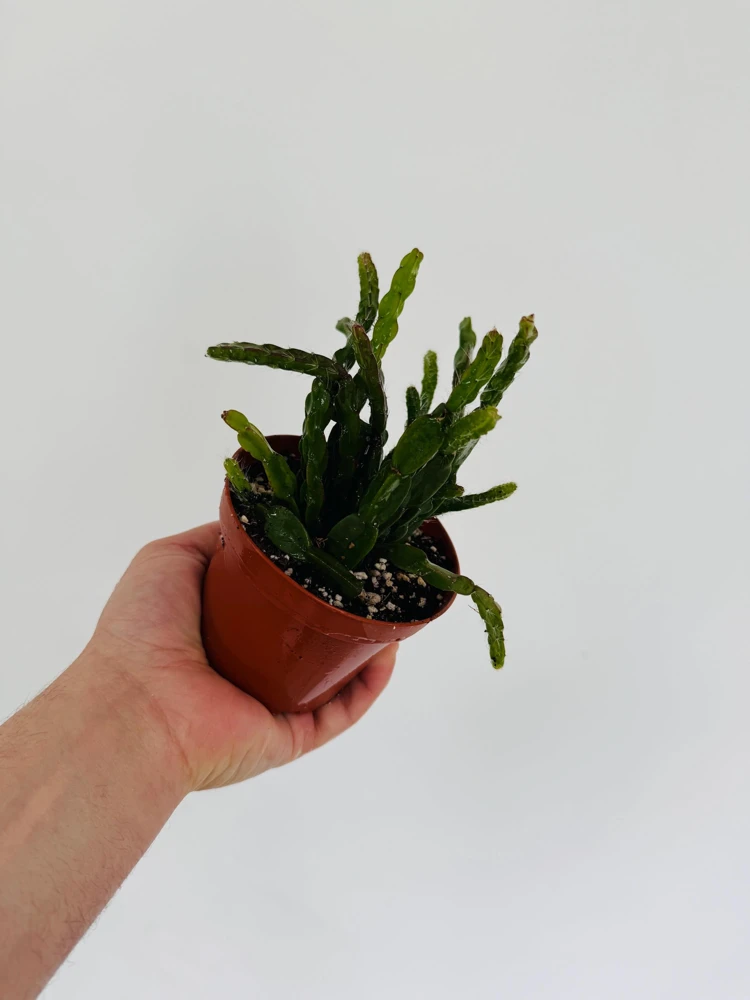
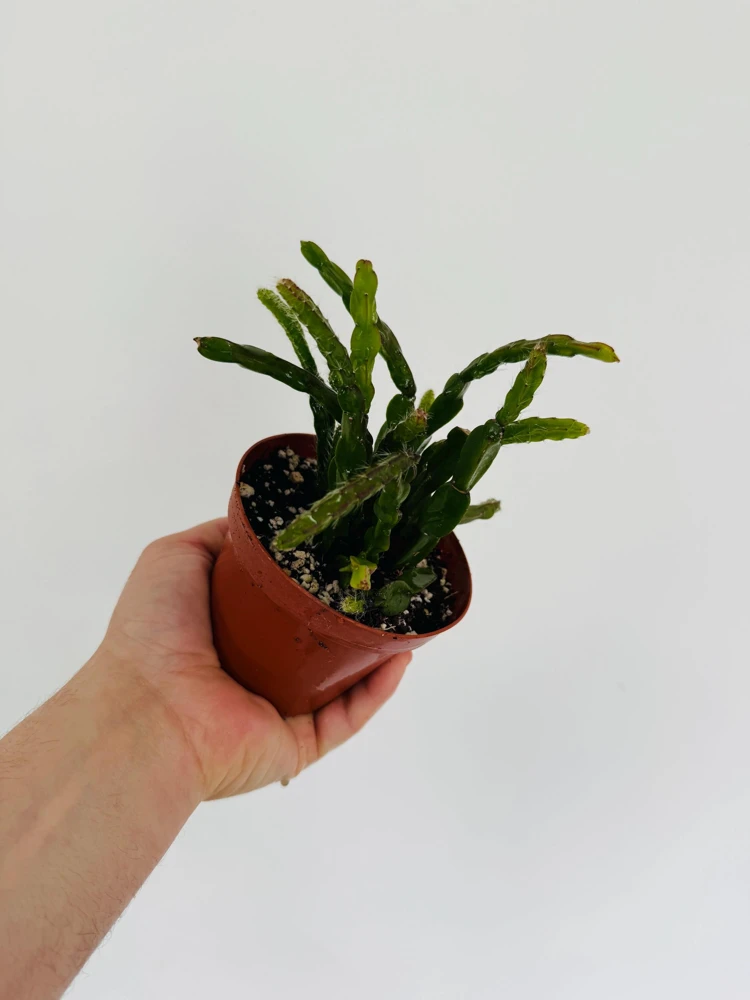
Rhipsalis Paradoxa ssp. Septentrionalis Live Plant – Tropical Cactus – 4 inch Pot – Indoor
Original price was: 80.01 $.50.01 $Current price is: 50.01 $.
Bring unique charm to your home with the Rhipsalis Paradoxa live plant, a stunning tropical cactus. Coveted for its cascading, segmented foliage that can develop beautiful purple tones, this 4 inch potted plant is perfect for hanging baskets and adds a touch of boho decor to any indoor space.
Estimated arrival
Nov 26
Dec 01 - Dec 03
Dec 03 - Dec 08
See our Shipping Policy.
Get in touch with us via email, and our team will review your concerns.
Our Alive & Thrive Guarantee covers issues with your plants within the first 30 days. Read our Refund & Returns Policy.
-
USDA Hardiness Zone
USDA zones 9-11 (indoors elsewhere) -
Soil Type
Well-draining cactus or orchid mix -
Sunlight Exposure
Bright indirect light -
Expected Planting Period
Year-round indoors
Overview
Introducing the exquisite Rhipsalis Paradoxa live plant, specifically the ssp. Septentrionalis variety, a captivating tropical cactus that promises to elevate your indoor plant collection. Known for its distinct elongated, slightly hairy segmented foliage, this Rhipsalis species is a true botanical marvel. Under optimal bright light conditions, its segments can develop rich, alluring purple tones, adding a vibrant splash of color to your home decor. This particular Rhipsalis is a live, potted plant, ready to thrive in its new environment. It is celebrated for its graceful, cascading growth habit, which makes it an ideal choice for hanging baskets or high shelves where its unique stems can drape freely, creating a living, flowing display. Often referred to as a ‘chain cactus’ or ‘mistletoe cactus’, the Rhipsalis Paradoxa ssp. Septentrionalis is a truly special specimen for any plant enthusiast.
Originating from tropical rainforests, this epiphytic cactus variety brings a touch of exotic beauty without the demanding care often associated with desert cacti. It’s a fantastic option for those seeking a visually striking plant that is also relatively low maintenance. The intricate structure of its foliage provides a fascinating texture and visual interest, making it a conversation starter and a focal point in any room. Whether you are a seasoned plant collector or just beginning your green journey, the Rhipsalis Paradoxa will undoubtedly become a cherished addition to your indoor jungle.
Key Benefits
The Rhipsalis Paradoxa live plant offers a multitude of benefits, making it a highly desirable addition to any indoor space. Its unique aesthetic and relatively easy care regime contribute to a rewarding plant ownership experience.
- Stunning Cascading Growth: This Rhipsalis develops into a magnificent cascading specimen, perfect for adding vertical interest to your home. Its long, flowing stems create a dramatic and elegant display in hanging baskets or on shelves.
- Vibrant Foliage Coloration: Under bright, indirect light, the segmented foliage of the Rhipsalis Paradoxa ssp. Septentrionalis can develop beautiful purple hues, adding a unique color dynamic to your plant collection.
- Low Maintenance & Easy Care: As a tropical cactus, it is surprisingly forgiving and doesn’t demand constant attention. It prefers its soil to dry out between waterings, making it suitable for busy plant parents.
- Unique Textural Element: The elongated, slightly hairy segmented stems provide a distinctive texture that stands out among other houseplants, adding depth and interest to your decor.
- Air Purifying Qualities: Like many houseplants, the Rhipsalis Paradoxa live plant contributes to a healthier indoor environment by helping to filter airborne toxins and improve air quality.
- Versatile Decor Piece: Its unique form and cascading habit make it an excellent choice for various interior design styles, from modern minimalist to bohemian chic, enhancing any room’s aesthetic.
- Pet-Friendly Option: While always good to verify, Rhipsalis species are generally considered non-toxic to pets, offering peace of mind for pet owners.
Plant Care & Growing Tips
Caring for your Rhipsalis Septentrionalis care is straightforward, making it a rewarding plant for both beginners and experienced enthusiasts. These tropical cacti thrive in conditions that mimic their native rainforest habitat, though they are quite adaptable. For sunlight, bright, indirect light is ideal. Avoid direct, harsh sunlight, which can scorch the delicate foliage. An east or north-facing window is often perfect, or a few feet back from a south or west-facing window. They can tolerate lower light, but brighter conditions encourage the lovely purple coloration in the stems.
When it comes to watering, the Rhipsalis Paradoxa prefers its soil to dry out between waterings. Overwatering is a common mistake and can lead to root rot. Check the soil moisture by sticking your finger about an inch or two into the soil; if it feels dry, it’s time to water. During winter months, reduce watering frequency. For soil, a well-draining, chunky mix is crucial. We recommend using an orchid or cactus soil, or creating your own blend with components like perlite, bark, and peat moss to ensure excellent drainage and aeration. These plants appreciate moderate to high humidity, so occasional misting or placing the pot on a pebble tray with water can be beneficial, especially in dry indoor environments. Keep temperatures consistently between 60-80°F (15-27°C) and protect them from cold drafts. Fertilize sparingly during the growing season (spring and summer) with a balanced liquid fertilizer diluted to half strength. Common problems include root rot from overwatering or yellowing stems from too much direct sun; adjusting your care routine accordingly will usually resolve these issues. Proper tropical cactus indoor care will ensure a healthy, vibrant plant.
Size & Details
This offering is for a Rhipsalis Paradoxa live plant, provided in a 4 inch nursery pot. The plant will arrive healthy and well-rooted, ready to be placed in your chosen display location. The exact height and spread will vary slightly due to the natural growth patterns of live plants, but you can expect a young, actively growing specimen with multiple cascading segments. Rhipsalis Paradoxa ssp. Septentrionalis is known for its moderate to fast growth rate under ideal conditions, quickly developing into a lush, full plant perfect for a Rhipsalis hanging basket. The plant ships in its nursery pot with soil, ensuring minimal stress during transit and an easy transition into your home. With proper care, this plant will continue to grow and extend its beautiful cascading stems, creating an impressive botanical display over time.
Frequently Asked Questions
- Q: How big does this plant get? A: The Rhipsalis Paradoxa live plant is a cascading variety, so its stems can grow quite long, often several feet in length, making it ideal for a hanging basket. The overall spread will depend on how you allow it to drape.
- Q: What size pot does it come in? A: This Rhipsalis Paradoxa ssp. Septentrionalis comes in a 4 inch nursery pot, providing a good base for its initial growth and allowing you to easily repot it into a decorative container of your choice.
- Q: Is this an indoor or outdoor plant? A: This is primarily an tropical cactus indoor plant in most climates. It can be moved outdoors in warm, humid conditions during summer but must be brought inside before temperatures drop below 50°F (10°C).
- Q: How much sunlight does it need? A: The Rhipsalis Septentrionalis care requires bright, indirect light. Avoid direct sun, which can burn the foliage, especially during the hottest parts of the day. Too little light may result in less vibrant purple coloration.
- Q: Is this plant easy to care for? A: Yes, Rhipsalis Paradoxa is considered relatively easy to care for. It’s forgiving with watering, preferring its soil to dry out, and adapts well to typical indoor conditions, making it a good choice for beginners.
- Q: What condition will it arrive in? A: Your Rhipsalis Paradoxa live plant will arrive carefully packaged, healthy, and well-rooted in its nursery pot, ready to be enjoyed in your home. We take precautions to ensure safe transit.
- Q: Is it shipped in soil? A: Yes, the plant is shipped in its original nursery pot with soil, which helps to minimize stress during shipping and ensures it has the necessary nutrients upon arrival.
- Q: How often should I water my Rhipsalis? A: Water your Rhipsalis when the top inch or two of the soil feels dry to the touch. This typically means watering every 1-2 weeks, depending on your home’s humidity and temperature.
- Q: Is this plant pet-safe? A: Rhipsalis species are generally considered non-toxic to cats and dogs, making them a safer choice for households with pets. However, it’s always wise to monitor pets around new plants.
- Q: Can I put this plant in a regular potting mix? A: It’s best to use a well-draining mix like orchid or cactus soil. Regular potting mix can retain too much moisture, which can lead to root rot for your cascading Rhipsalis.
Be the first to review “Rhipsalis Paradoxa ssp. Septentrionalis Live Plant – Tropical Cactus – 4 inch Pot – Indoor”
Related products


You May Like

How to Grow Passion Flower (Passiflora) for Tropical Blooms
Few climbing vines in the home garden command attention quite like the exotic Passion Flower (Passiflora). [...]
Nov

Thanksgiving Cactus Care: How to Get Thanksgiving Cactus to Bloom
Is your Thanksgiving cactus growing well but not giving you any flowers? Maybe it looked [...]
Nov

How to Grow Garlic for a Bountiful Home Harvest
Garlic (Allium sativum) is one of the most satisfying, low-maintenance, and flavor-packed crops you can [...]
Oct

Hardneck vs. Softneck Garlic: Which Should You Grow?
Have you ever stood in front of a seed catalog in mid-September, staring at dozens [...]
1 Comment
Oct

When to Plant Music Garlic: Ultimate US Fall Guide
Have you ever spent your fall weekend placing carefully chosen garlic cloves into rich, dark [...]
1 Comment
Oct

5 Best Bulbs for Fall Planting: Brighten Your Garden This Spring
Are you dreaming of a garden full of vibrant colors in the spring? The key [...]
Aug

10 Houseplants That Will Thrive in Your Kitchen
Are you tired of your kitchen feeling dull and lifeless? Want to add a little [...]
1 Comment
Aug
Reviews
There are no reviews yet.