
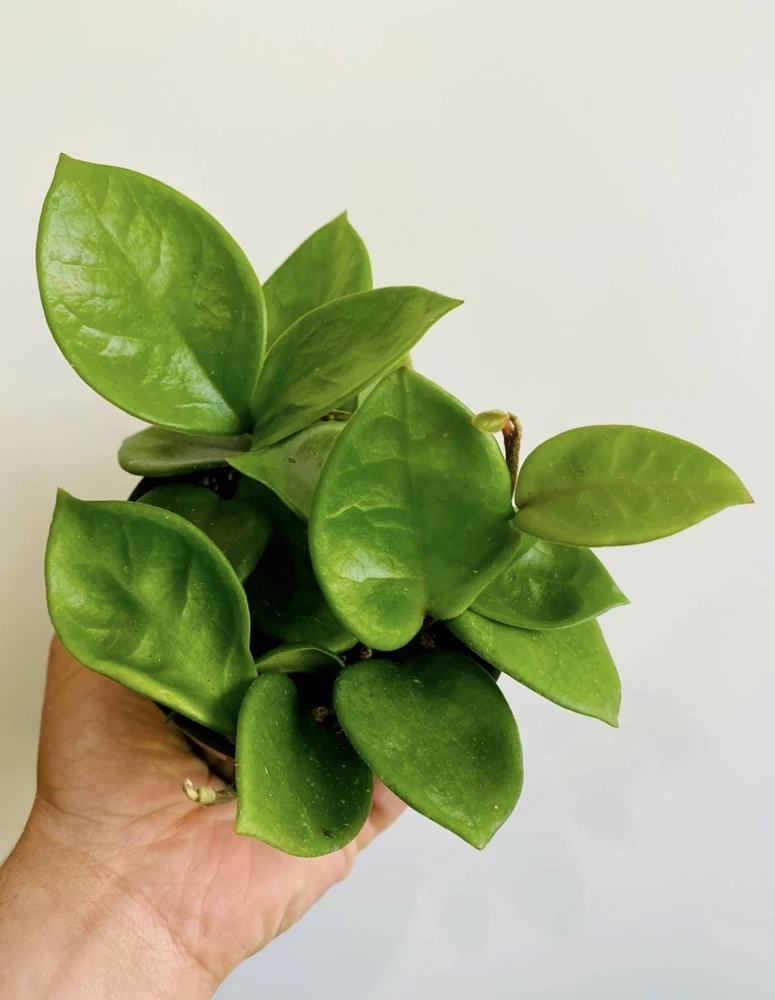
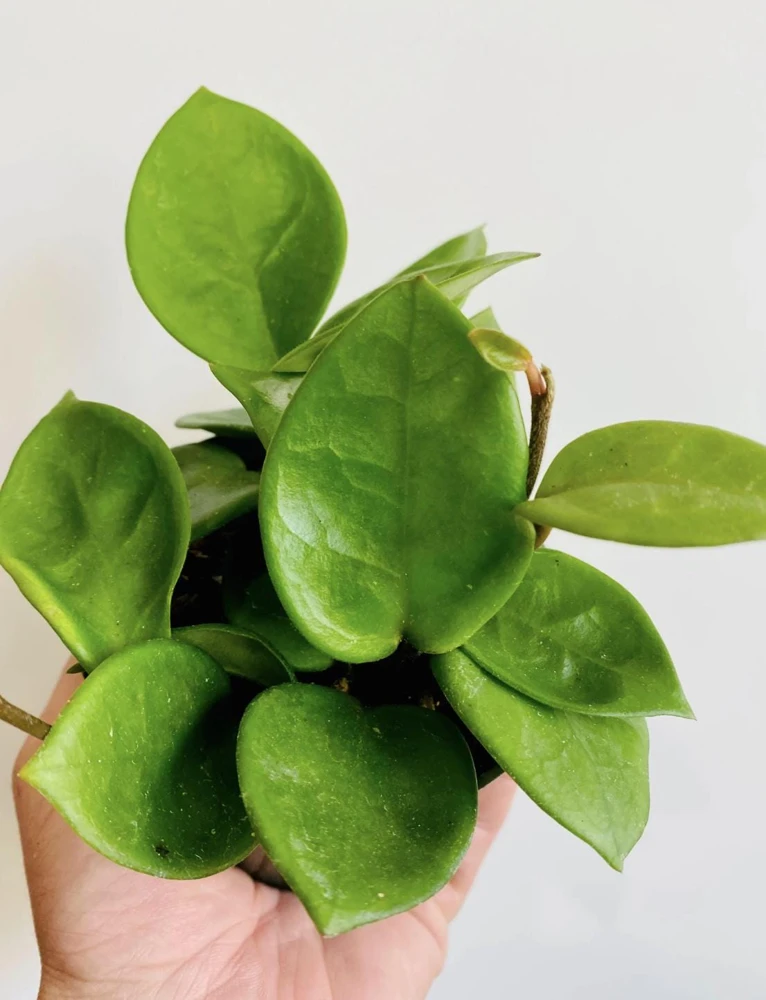
Hoya Chelsea Live Plant – Heart Shaped Leaves, Viney Growth, 4 inch Pot, Indoor
Original price was: 61.11 $.31.11 $Current price is: 31.11 $.
Bring home a stunning Hoya Chelsea live plant, known for its distinctive heart-shaped foliage and vigorous vining habit. This attractive 4-inch potted plant is a sought-after variety, perfect for adding a touch of natural elegance to any indoor space. Enjoy its unique cascading growth or train it to climb, making it a versatile and beautiful addition to your collection. This rare indoor plant thrives in warmth and bright light.
Estimated arrival
Nov 26
Dec 01 - Dec 03
Dec 03 - Dec 08
See our Shipping Policy.
Get in touch with us via email, and our team will review your concerns.
Our Alive & Thrive Guarantee covers issues with your plants within the first 30 days. Read our Refund & Returns Policy.
-
USDA Hardiness Zone
USDA zones 10-12 (outdoors), year-round indoors -
Soil Type
Well-draining potting mix -
Sunlight Exposure
Bright indirect light -
Expected Planting Period
Year-round indoors
Overview
Immerse yourself in the charm of the Hoya Chelsea live plant, a captivating and highly sought-after species renowned for its unique heart-shaped leaves and vigorous vining growth. This particular Hoya variety is a true gem for any plant enthusiast, offering a delightful visual appeal with its thick, waxy foliage. The ‘Chelsea’ cultivar is celebrated for its slightly textured, dimpled leaves that often display a beautiful maroon hue when new, gradually maturing into a rich emerald green. As a heart shaped Hoya, it brings a distinctive aesthetic to your indoor garden, whether allowed to cascade gracefully from a hanging planter or trained to climb a trellis, creating a lush, living display. This Hoya Chelsea live plant is an excellent choice for those looking to expand their collection with something truly special and rewarding.
Originating from tropical regions, the Hoya Chelsea thrives in warm and humid environments, making it an ideal candidate for indoor cultivation in most homes. Its relatively easy care requirements, combined with its striking appearance, contribute to its popularity among both novice and experienced plant parents. The plant’s ability to adapt to various display styles, from trailing baskets to vertical accents, adds to its versatility. Each Hoya Chelsea live plant is a testament to nature’s artistry, promising to be a conversational piece and a source of joy in your living space. This particular offering comes as a healthy, established plant in a 4-inch pot, ready to continue its growth journey with you.
Key Benefits
The Hoya Chelsea live plant offers a multitude of benefits beyond its stunning appearance, making it a fantastic addition to any home or office. Its captivating features and relatively simple care routines contribute to a rewarding ownership experience.
- Unique Ornamental Appeal: The most striking feature of the Hoya Chelsea live plant is its distinct heart-shaped, slightly dimpled leaves. These thick, waxy leaves transition from a beautiful maroon to a vibrant emerald green, providing continuous visual interest and a sophisticated touch to your decor.
- Versatile Growth Habit: This Hoya is extremely viney, allowing it to be displayed in various ways. It can elegantly cascade from hanging baskets or shelves, or be trained to climb vertically on a moss pole or trellis, adapting to your aesthetic preferences.
- Air Purification Qualities: Like many houseplants, the Hoya Chelsea contributes to a healthier indoor environment by helping to filter airborne toxins and improve air quality, creating a fresher and more inviting atmosphere.
- Relatively Low Maintenance: Despite its exotic appearance, this rare indoor plant is not overly demanding. Once its basic needs for light and water are met, it proves to be quite resilient and forgiving, suitable for busy individuals.
- Long-Lasting Beauty: With proper care, a Hoya Chelsea live plant can thrive for many years, becoming a long-term fixture in your plant collection. Its enduring beauty makes it a worthwhile investment for any plant lover.
- Collectible and Desirable: Hoya Chelsea is considered a difficult-to-find variety, making it a prized possession for collectors. Owning this plant adds a unique and special specimen to your indoor garden.
- Potential for Blooms: While primarily grown for its foliage, mature Hoya Chelsea plants can produce clusters of fragrant, star-shaped flowers under optimal conditions, adding another layer of beauty to this exceptional plant.
Plant Care & Growing Tips
Caring for your Hoya Chelsea live plant is a rewarding experience that requires understanding its specific needs to ensure vibrant growth and health. This tropical vining plant thrives when provided with conditions that mimic its natural habitat. For optimal growth, bright, indirect light is paramount. Place your Hoya Chelsea near an east or west-facing window where it can receive several hours of bright, filtered sunlight. Direct, harsh afternoon sun can scorch its delicate leaves, so ensure it is protected. If natural light is limited, a grow light can provide the necessary intensity. Consistent warmth is also crucial; aim for temperatures between 65-80°F (18-27°C) and avoid sudden temperature drops or cold drafts, which can stress the plant.
When it comes to watering, a moderate schedule is best for your viney Hoya plant. Allow the top 1-2 inches of soil to dry out completely between waterings to prevent root rot, which Hoyas are susceptible to. When you do water, do so thoroughly until water drains from the bottom of the pot. Ensure your pot has adequate drainage holes. During the cooler months, reduce the frequency of watering as the plant’s metabolic rate slows down. The ideal soil for a Hoya Chelsea live plant is a well-draining potting mix, often one formulated for succulents or orchids, which typically includes components like perlite, orchid bark, and peat moss to ensure good aeration and drainage. Fertilize sparingly during the growing season (spring and summer) with a balanced liquid fertilizer diluted to half strength, typically once a month. This will support its vigorous growth and potentially encourage blooming. Regular inspection for pests and wiping leaves to remove dust will also contribute to its overall health.
Size & Details
The Hoya Chelsea live plant is shipped as a healthy, actively growing specimen in a 4-inch nursery pot. While individual plant appearance may vary slightly due to its ‘grower’s choice’ nature, each plant will be well-rooted and of a comparable size and quality to those pictured. This particular Hoya is known for its relatively compact initial growth, but as a viney Hoya plant, it will quickly develop long, trailing or climbing stems, making it ideal for hanging baskets or training on a small trellis. Expect new growth to emerge with a unique maroon tint, gradually fading to a beautiful emerald green as the leaves mature. The growth rate is moderate, allowing you to enjoy its development without it quickly outgrowing its space. Under optimal conditions, mature plants can produce fragrant, star-shaped flowers, though this may take some time and consistent care. This rare indoor plant is a delightful long-term addition to any collection.
Frequently Asked Questions
- Q: How big does this Hoya Chelsea live plant get? A: The Hoya Chelsea live plant is a vining plant, so its length can vary significantly. While it comes in a 4-inch pot, its vines can grow several feet long over time, making it suitable for cascading or climbing.
- Q: Is this an indoor or outdoor plant? A: The Hoya Chelsea live plant is primarily an indoor plant, especially in most US climates. It enjoys warmth and bright, indirect light, making it perfectly suited for a sunny spot inside your home.
- Q: How much sunlight does the Hoya Chelsea need? A: This heart shaped Hoya thrives in bright, indirect light. Avoid direct, harsh afternoon sun which can scorch its leaves. An east or west-facing window is often ideal.
- Q: Is this plant easy to care for? A: Yes, the Hoya Chelsea live plant is considered relatively easy to care for once its basic light and watering needs are understood. It’s a great choice for both beginners and experienced plant enthusiasts.
- Q: What condition will the Hoya Chelsea arrive in? A: Your Hoya Chelsea live plant will arrive fully potted in its 4-inch nursery pot, carefully packaged to ensure its protection during transit and ready to thrive in its new home.
- Q: What size pot does it come in? A: This plant is delivered in a standard 4-inch nursery pot, which is a perfect size for it to settle in before needing a larger container as it grows.
- Q: How often should I water my Hoya Chelsea? A: Water your Hoya Chelsea live plant moderately. Allow the top 1-2 inches of soil to dry out completely between waterings to prevent overwatering and root rot.
- Q: Is the Hoya Chelsea pet-safe? A: Hoyas are generally considered non-toxic to pets, but it’s always best to discourage pets from chewing on plants to avoid any potential mild stomach upset.
- Q: What type of soil is best for Hoya Chelsea? A: A well-draining potting mix is crucial for the Hoya Chelsea live plant. A succulent or orchid mix with good aeration and drainage components like perlite and bark is highly recommended.
- Q: When is the best time to repot this rare indoor plant? A: Repotting is generally needed when the plant becomes root-bound, usually every 1-2 years. The best time to repot your rare indoor plant is during the spring or early summer growing season.
Be the first to review “Hoya Chelsea Live Plant – Heart Shaped Leaves, Viney Growth, 4 inch Pot, Indoor”
Related products


HousePlants
Pothos Silvery Ann Live Plant – Scindapsus Treubii Silver Houseplant – Hanging Basket – Indoor


You May Like

How to Grow Passion Flower (Passiflora) for Tropical Blooms
Few climbing vines in the home garden command attention quite like the exotic Passion Flower (Passiflora). [...]
Nov

Thanksgiving Cactus Care: How to Get Thanksgiving Cactus to Bloom
Is your Thanksgiving cactus growing well but not giving you any flowers? Maybe it looked [...]
Nov

How to Grow Garlic for a Bountiful Home Harvest
Garlic (Allium sativum) is one of the most satisfying, low-maintenance, and flavor-packed crops you can [...]
Oct

Hardneck vs. Softneck Garlic: Which Should You Grow?
Have you ever stood in front of a seed catalog in mid-September, staring at dozens [...]
1 Comment
Oct

When to Plant Music Garlic: Ultimate US Fall Guide
Have you ever spent your fall weekend placing carefully chosen garlic cloves into rich, dark [...]
1 Comment
Oct

5 Best Bulbs for Fall Planting: Brighten Your Garden This Spring
Are you dreaming of a garden full of vibrant colors in the spring? The key [...]
Aug

10 Houseplants That Will Thrive in Your Kitchen
Are you tired of your kitchen feeling dull and lifeless? Want to add a little [...]
1 Comment
Aug
Reviews
There are no reviews yet.