
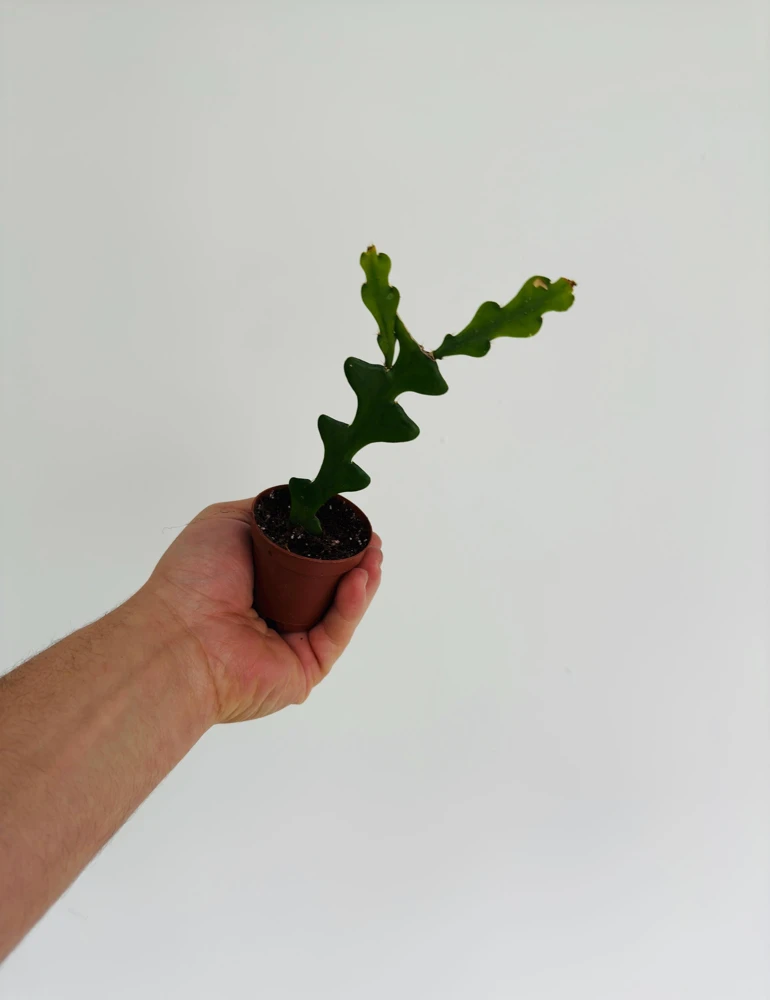
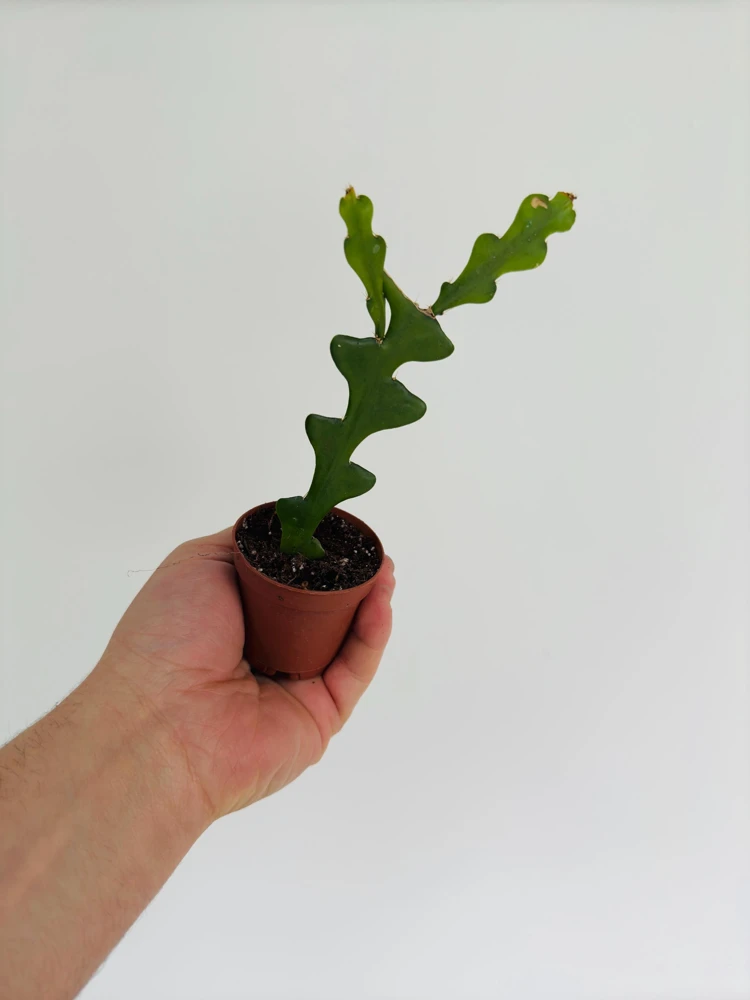
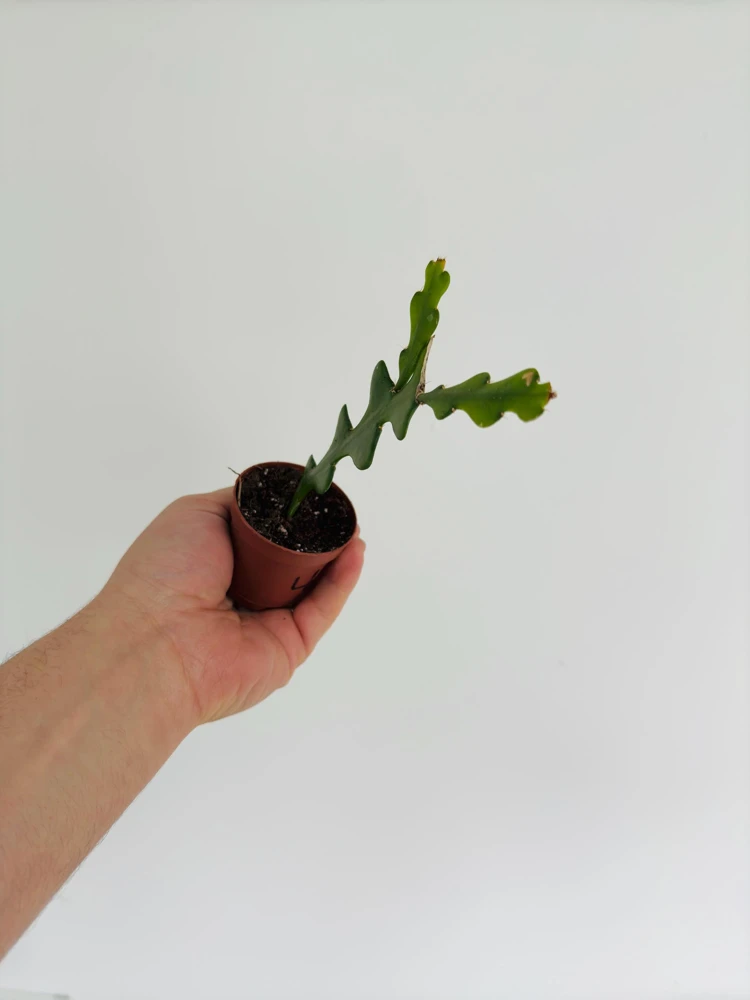
Fishbone Cactus Live Plant – Epiphyllum Anguliger – Tropical Cactus – 2 inch Pot – Indoor Houseplant
Original price was: 43.11 $.13.11 $Current price is: 13.11 $.
Add a distinctive touch to your indoor plant collection with the Fishbone Cactus live plant, also known as Epiphyllum anguliger or Ric Rac Cactus. This unique tropical cactus features eye-catching zigzag foliage, perfect for creating a bohemian desert aesthetic. It’s a quick grower and relatively low-maintenance, making it an excellent choice for both beginner and experienced plant enthusiasts.
Estimated arrival
Nov 26
Dec 01 - Dec 03
Dec 03 - Dec 08
See our Shipping Policy.
Get in touch with us via email, and our team will review your concerns.
Our Alive & Thrive Guarantee covers issues with your plants within the first 30 days. Read our Refund & Returns Policy.
-
USDA Hardiness Zone
USDA zones 9-11 (outdoors), year-round indoors -
Soil Type
Well-draining orchid or cactus/succulent mix -
Sunlight Exposure
Bright indirect light -
Expected Planting Period
Year-round indoors
Overview
Introduce an exotic flair to your living space with the fascinating fishbone cactus live plant (Epiphyllum anguliger). Also commonly known as the Ric Rac Cactus or Zigzag Cactus, this tropical epiphyte is celebrated for its uniquely shaped, deeply lobed stems that resemble a fishbone or a series of zigzags. Unlike traditional desert cacti, the epiphyllum anguliger hails from the rainforests of Mexico, where it grows as an epiphyte on trees, absorbing moisture and nutrients from the air and decaying matter. This makes it a perfect houseplant, bringing a touch of the jungle into your home without demanding extensive care. Its vibrant green foliage and intriguing form make it a standout specimen, especially when allowed to trail from a hanging basket or placed on a shelf. The fishbone cactus live plant is a wonderful addition for anyone seeking a low-maintenance yet visually striking indoor companion.
The unique, wavy stems of the fishbone cactus live plant evoke a bohemian, desert-chic aesthetic that can instantly uplift any room’s decor. Despite its ‘cactus’ name, it requires more humidity and indirect light than its desert counterparts, making it well-suited for typical indoor environments. With proper care, this plant can grow quite large and may even produce stunning, fragrant white flowers at night, though flowering is less common in indoor settings. Its ease of care and captivating appearance solidify its status as a favorite among succulent and houseplant collectors alike. Discover the joy of growing this remarkable tropical cactus care.
Key Benefits
The fishbone cactus live plant offers a multitude of benefits, making it an ideal choice for enhancing your home and well-being. Its striking appearance and adaptable nature contribute to a healthier and more beautiful living environment.
- Unique Ornamental Appeal: The distinct zigzag foliage of the epiphyllum anguliger provides unparalleled visual interest, acting as a natural conversation starter and a focal point in any room. Its trailing habit is perfect for hanging planters.
- Low Maintenance: This tropical cactus is surprisingly easy to care for, requiring infrequent watering and thriving in bright, indirect light. It’s a great option for busy individuals or those new to plant care.
- Air Purification: Like many houseplants, the fishbone cactus live plant contributes to improved indoor air quality by absorbing toxins and releasing oxygen, promoting a fresher and healthier home atmosphere.
- Boosts Mood and Well-being: Surrounding yourself with lush, vibrant plants like the ric rac cactus has been shown to reduce stress, increase feelings of calm, and enhance overall mood.
- Versatile Decor: Its unique form complements various interior design styles, from modern minimalist to bohemian and eclectic. It pairs beautifully with terra-cotta pots that help manage moisture.
- Fast Growing: While not invasive, this plant is a relatively quick grower, allowing you to enjoy its lush cascading foliage in a shorter amount of time.
Plant Care & Growing Tips
Caring for your fishbone cactus live plant is straightforward once you understand its tropical origins. Unlike desert cacti, it appreciates more humidity and consistent moisture, though it still prefers its soil to dry out between waterings. Providing the right conditions will ensure a thriving and beautiful plant.
Sunlight Requirements: The epiphyllum anguliger thrives in bright, indirect light. Place it near an east or north-facing window, or a few feet away from a south or west-facing window where it receives filtered light. Direct, harsh sunlight can scorch its delicate stems, leading to yellowing or browning. If grown outdoors in a suitable climate (USDA zones 9-11), place it under a tree canopy or in a spot with dappled shade.
Watering Schedule & Soil Moisture: Water your fishbone cactus live plant thoroughly when the top 1-2 inches of soil feel dry to the touch. Allow excess water to drain completely from the pot to prevent root rot. During winter, reduce watering frequency as the plant’s growth slows. Never let the plant sit in standing water. When considering tropical cactus care, remember that overwatering is a common pitfall.
Soil Type & Drainage: A well-draining potting mix is crucial for this plant. A blend formulated for orchids or cacti/succulents, amended with perlite or coarse sand, works well. This ensures adequate aeration for the roots and prevents waterlogging. Terra-cotta pots are excellent as they help absorb excess moisture from the soil.
Temperature Range & USDA Hardiness Zone: This tropical plant prefers temperatures between 60-80°F (15-27°C). Protect it from temperatures below 50°F (10°C), as it is not frost-tolerant. If you live in USDA zones 9-11, you may be able to grow it outdoors year-round in a sheltered location. For most of the US, it’s best grown as an indoor houseplant.
Fertilization Schedule: Feed your fishbone cactus live plant with a balanced liquid fertilizer diluted to half strength every 2-4 weeks during its active growing season (spring and summer). Reduce or cease fertilization during fall and winter. Over-fertilization can harm the plant.
Common Problems & Solutions: Yellowing stems often indicate overwatering or too much direct sunlight. Adjust your watering schedule or move the plant to a shadier spot. Shriveling stems usually suggest underwatering; give it a good soak. Pests like mealybugs or spider mites can sometimes appear; treat with neem oil or insecticidal soap.
Size & Details
This listing is for one fishbone cactus live plant, supplied in a 2-inch nursery pot. At this young stage, the plant features several healthy, lightly rooted stems, actively growing and ready to establish in its new home. The unique zigzag foliage will continue to develop, offering a captivating display as it matures. The plant is shipped as a rooted cutting, ensuring a strong start for your new tropical addition.
The epiphyllum anguliger is a moderately fast grower and can eventually produce long, trailing stems, typically reaching lengths of 1 to 3 feet or more when mature, especially in hanging baskets. With proper tropical cactus care, you can expect steady growth and increasing density of its distinctive foliage. While flowering is not guaranteed indoors, mature plants may surprise you with fragrant, nocturnal white blooms.
Frequently Asked Questions
- Q: How big does this plant get? A: A mature fishbone cactus live plant can produce trailing stems that reach 1 to 3 feet or more in length, especially when grown in a hanging basket. Its size will depend on growing conditions and pot size.
- Q: What size pot does it come in? A: This fishbone cactus live plant is shipped in a 2-inch nursery pot, perfectly sized for its current stage of growth. You may want to repot it into a slightly larger container once it outgrows this one.
- Q: Is this an indoor or outdoor plant? A: The epiphyllum anguliger is primarily an indoor plant in most climates due to its tropical nature. It can be grown outdoors in USDA zones 9-11 in a shaded, protected location.
- Q: How much sunlight does it need? A: Your ric rac cactus thrives in bright, indirect light. Avoid direct, intense sunlight which can scorch its leaves. An east or north-facing window is often ideal.
- Q: Is this plant easy to care for? A: Yes, the fishbone cactus live plant is considered relatively easy to care for, making it suitable for beginners. Its main requirements are bright indirect light and allowing the soil to dry between waterings.
- Q: What condition will it arrive in? A: Your plant will arrive as a very lightly rooted, healthy specimen that is actively growing. We take great care in packaging to ensure it reaches you in the best possible condition, ready for planting.
- Q: Is it shipped in soil? A: Yes, the fishbone cactus live plant is shipped in its 2-inch nursery pot with a small amount of soil to protect its roots during transit.
- Q: What’s the best soil for this plant? A: A well-draining mix is essential. We recommend using an orchid or cactus/succulent potting mix for your epiphyllum anguliger to ensure proper drainage and aeration.
- Q: Is the zigzag cactus pet-safe? A: The fishbone cactus live plant is generally considered non-toxic to pets, making it a safer choice for households with cats and dogs.
- Q: Can this plant bloom? A: Yes, mature fishbone cactus live plant specimens can produce beautiful, fragrant white flowers, typically at night. However, flowering is less common when grown indoors.
Be the first to review “Fishbone Cactus Live Plant – Epiphyllum Anguliger – Tropical Cactus – 2 inch Pot – Indoor Houseplant”
Related products


Succulents
Christmas Cactus Live Plant – Schlumbergera Flowering Holiday Succulent – Indoor Houseplant

You May Like

How to Grow Passion Flower (Passiflora) for Tropical Blooms
Few climbing vines in the home garden command attention quite like the exotic Passion Flower (Passiflora). [...]
Nov

Thanksgiving Cactus Care: How to Get Thanksgiving Cactus to Bloom
Is your Thanksgiving cactus growing well but not giving you any flowers? Maybe it looked [...]
Nov

How to Grow Garlic for a Bountiful Home Harvest
Garlic (Allium sativum) is one of the most satisfying, low-maintenance, and flavor-packed crops you can [...]
Oct

Hardneck vs. Softneck Garlic: Which Should You Grow?
Have you ever stood in front of a seed catalog in mid-September, staring at dozens [...]
1 Comment
Oct

When to Plant Music Garlic: Ultimate US Fall Guide
Have you ever spent your fall weekend placing carefully chosen garlic cloves into rich, dark [...]
1 Comment
Oct

5 Best Bulbs for Fall Planting: Brighten Your Garden This Spring
Are you dreaming of a garden full of vibrant colors in the spring? The key [...]
Aug

10 Houseplants That Will Thrive in Your Kitchen
Are you tired of your kitchen feeling dull and lifeless? Want to add a little [...]
1 Comment
Aug
Reviews
There are no reviews yet.