
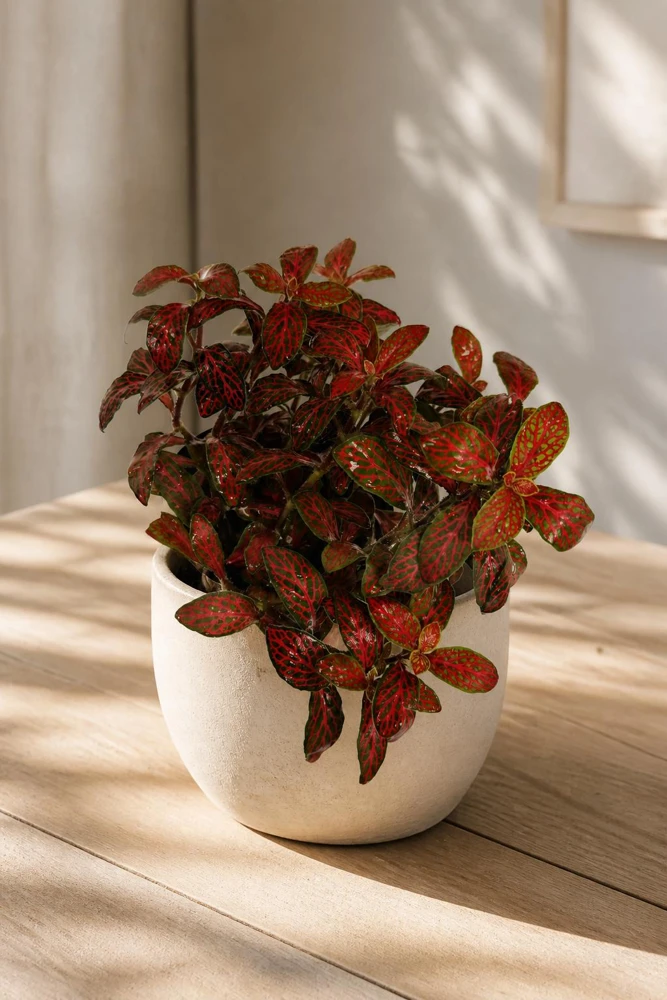
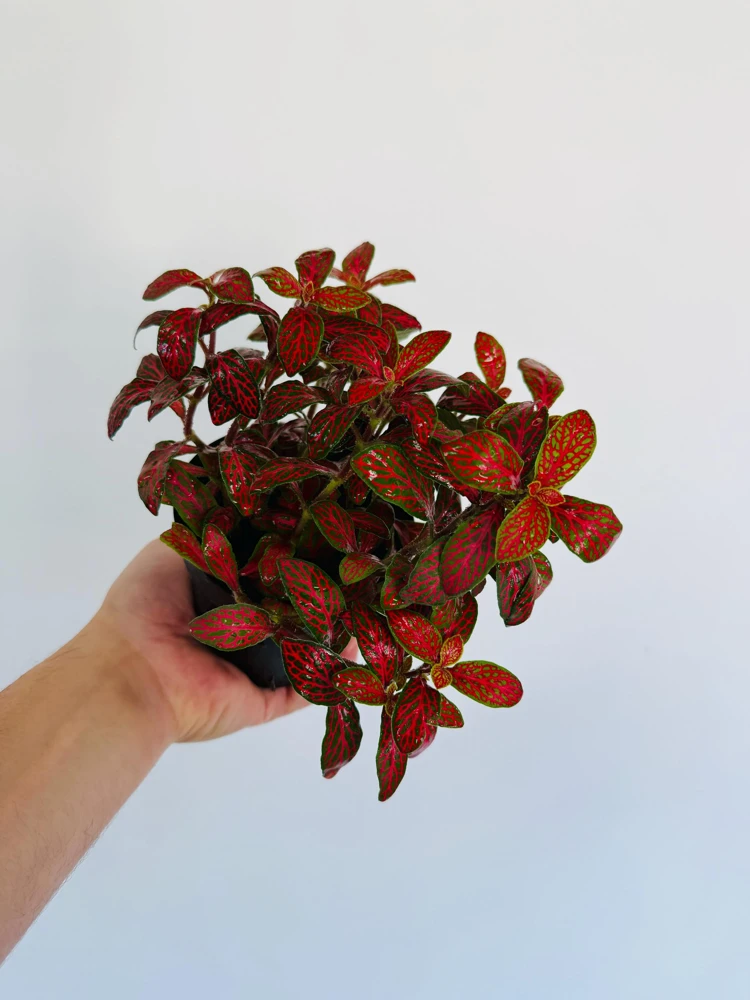
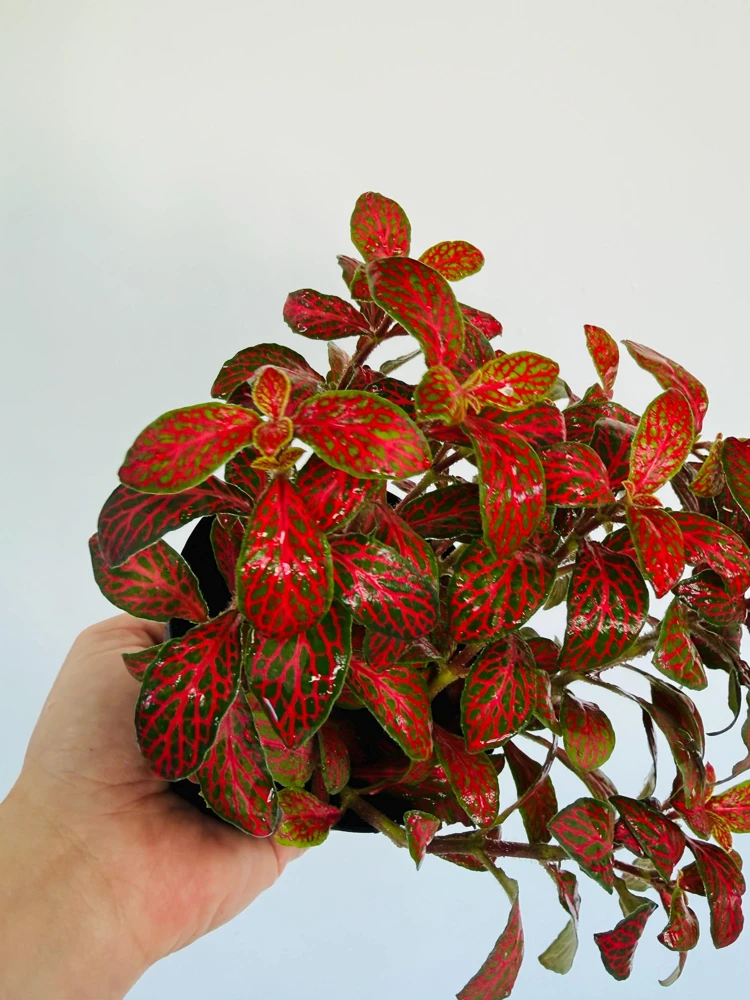
Fittonia Jade Lotus Nerve Plant – Live Houseplant – Easy Care – 4 inch Pot
Original price was: 62.01 $.32.01 $Current price is: 32.01 $.
Bring vibrant color to your home with the Fittonia Jade Lotus live plant. This beautiful Nerve Plant care is known for its striking red and yellow foliage, making it a captivating addition to any indoor space. It’s an easy indoor plant, ideal for those new to plant care or looking for a low-maintenance option.
Estimated arrival
Nov 27
Dec 02 - Dec 04
Dec 04 - Dec 09
See our Shipping Policy.
Get in touch with us via email, and our team will review your concerns.
Our Alive & Thrive Guarantee covers issues with your plants within the first 30 days. Read our Refund & Returns Policy.
-
USDA Hardiness Zone
USDA zones 11+ -
Soil Type
Well-draining potting mix -
Sunlight Exposure
Bright indirect light -
Expected Planting Period
Year-round indoors
Overview
Introduce a splash of vibrant color and unique texture to your indoor garden with the stunning Fittonia Jade Lotus live plant. This captivating variety of Fittonia, often known as a Nerve Plant care, features intricate red and yellow patterns on its lush green leaves, creating a mesmerizing visual display. Originating from the tropical rainforests of South America, Fittonia plants are celebrated for their distinctive foliage and compact growth habit, making them perfect for terrariums, small pots, or as part of a mixed indoor plant arrangement. The ‘Jade Lotus’ cultivar is particularly prized for its bold coloring and relatively easy-care nature, appealing to both seasoned plant enthusiasts and those just beginning their journey into the world of houseplants. This live houseplant arrives in a convenient 4-inch nursery pot, ready to thrive in its new environment. Its delicate yet striking appearance makes it an excellent focal point or a charming accent plant, adding a touch of exotic beauty to any room.
The Fittonia genus, part of the Acanthaceae family, is renowned for its ornamental foliage. While typically grown as an easy indoor plant, its striking patterns evoke the lush undergrowth of its native habitat. The ‘Jade Lotus’ variety specifically showcases a beautiful red on red on yellow coloring that truly stands out. As a relatively low-maintenance option, the Fittonia Jade Lotus live plant is a fantastic choice for anyone seeking to enhance their living space with natural beauty without demanding extensive care. Its unique leaf venation gives it the common name ‘Nerve Plant’ due to the appearance of delicate ‘nerves’ running through the leaves.
Key Benefits
The Fittonia Jade Lotus live plant offers numerous benefits, making it a popular choice for indoor gardeners. Its striking appearance and adaptable nature contribute to a more vibrant and inviting home environment.
- Stunning Visual Appeal: The ‘Jade Lotus’ variety boasts an eye-catching red on red on yellow coloration that provides a unique and dynamic aesthetic. Its intricate leaf patterns make it a standout decorative piece, adding a touch of exotic beauty to any room.
- Compact & Versatile Size: Arriving in a 4-inch pot, this Nerve Plant care remains relatively compact, making it ideal for desks, shelves, windowsills, or as part of a terrarium. Its manageable size allows for flexible placement throughout your home.
- Air Purification Qualities: Like many houseplants, Fittonia contributes to a healthier indoor environment by helping to filter airborne toxins and improve air quality. It’s a natural way to enhance the freshness of your living space.
- Relatively Easy Care: This is an excellent easy indoor plant for beginners. While it appreciates consistent moisture and humidity, its care requirements are straightforward, allowing new plant parents to enjoy success and build confidence.
- Unique Foliage Texture: Beyond its color, the Fittonia’s textured leaves with their prominent veins offer a fascinating tactile and visual experience. This adds depth and interest compared to plants with smoother, less detailed foliage.
- Boosts Mood & Well-being: Surrounding yourself with plants, especially vibrant ones like the Fittonia nerve plant red, has been shown to reduce stress, improve focus, and enhance overall mood. It brings a sense of calm and nature indoors.
- Great for Terrariums: Its love for humidity and compact growth habit makes it a perfect candidate for enclosed environments like terrariums, where it can thrive and create a miniature tropical landscape.
Plant Care & Growing Tips
Caring for your Fittonia Jade Lotus live plant is a rewarding experience, especially with a few key guidelines. This easy indoor plant thrives when its basic needs for light, water, and humidity are met, allowing its vibrant foliage to truly shine. For optimal growth, place your Fittonia in an area that receives bright, indirect light. Direct sunlight can scorch its delicate leaves, causing them to fade or burn. A north or east-facing window is often ideal, or a spot a few feet away from a south or west-facing window. If the light is too low, the distinctive red and yellow patterns may become less vibrant. Rotate the plant periodically to ensure even growth.
Watering is crucial for a healthy Nerve Plant care. Fittonias prefer consistently moist soil but do not like to sit in soggy conditions, which can lead to root rot. Water thoroughly once the top two inches of soil feel dry to the touch. It’s often better to slightly underwater than overwater. Yellowing leaves can indicate overwatering, while crispy, curling leaves suggest underwatering. Fittonias are also known for being quite dramatic; they will often wilt dramatically when thirsty but perk up quickly after a good watering. High humidity is another critical factor for this tropical plant. You can increase humidity by misting the leaves regularly, placing the pot on a pebble tray filled with water, or using a humidifier. Grouping it with other plants can also create a more humid microclimate.
For soil, use a well-draining potting mix that retains some moisture. A standard houseplant mix amended with perlite or coco coir works well. Repot your Fittonia plant for beginners every 1-2 years or when it becomes root-bound, typically in spring. Fittonias appreciate consistent temperatures, ideally between 65-80°F (18-27°C). Avoid sudden temperature fluctuations or drafts, which can stress the plant. While generally grown as an indoor plant, if you live in USDA zones 11+, it can potentially be grown outdoors in shaded, humid conditions. Fertilize every 2-4 weeks during the growing season (spring and summer) with a balanced liquid fertilizer diluted to half strength. Reduce or stop fertilizing during fall and winter. Pruning can help maintain a bushy shape; simply pinch back leggy stems above a leaf node to encourage new growth. Watch out for common pests like spider mites or mealybugs, which can be treated with insecticidal soap.
Size & Details
This Fittonia Jade Lotus live plant is supplied in a 4-inch nursery pot, providing a perfect starter size for your indoor collection. At maturity, Fittonia plants typically reach a height of 6-12 inches and spread about 12-18 inches, forming a lush, low-growing mound. Its relatively fast growth rate means you will quickly see its vibrant foliage fill out. The plant is shipped as a healthy, established specimen in its grower’s pot with soil, ensuring it arrives ready for placement in your home. While individual plants will vary slightly due to their natural growth, each will be similar in size and vigor to the plants pictured.
The ‘Jade Lotus’ variety is known for its distinct red and yellow venation against a green background, offering year-round visual interest as a foliage plant. It is primarily grown for its decorative leaves, as the flowers are inconspicuous. With proper Nerve Plant care, this plant can be a long-lasting and dynamic addition to your indoor plant collection, easily fitting into various decorative schemes, from minimalist to tropical. Expect to enjoy its vibrant display for many years with consistent care.
Frequently Asked Questions
- Q: How big does this Fittonia Jade Lotus live plant get? A: This Fittonia typically grows to about 6-12 inches tall and spreads 12-18 inches wide, making it a compact and desk-friendly houseplant. It arrives in a 4-inch nursery pot, ready to grow.
- Q: Is this an indoor or outdoor plant? A: The Fittonia Jade Lotus live plant is primarily an indoor houseplant due to its tropical origins and need for consistent warmth and humidity. It can be grown outdoors only in very warm, humid climates (USDA zones 11+) in shaded areas.
- Q: How much sunlight does the Nerve Plant care need? A: This plant thrives in bright, indirect light. Avoid direct sunlight, which can scorch its leaves, and very low light, which can cause its vibrant colors to fade. An east or north-facing window is often ideal.
- Q: Is this plant easy to care for? Is it good for beginners? A: Yes, Fittonia is considered an easy indoor plant, especially for beginners, as long as its humidity and watering needs are met. It’s known for being quite dramatic when thirsty, making it easy to know when it needs water.
- Q: What condition will the Fittonia plant for beginners arrive in? A: Your plant will arrive as a healthy, live specimen, shipped in its nursery pot with soil. We take great care in packaging to ensure it reaches you in the best possible condition, though some minor stress from transit is normal.
- Q: How often should I water my Fittonia nerve plant red? A: Water your Fittonia when the top two inches of soil feel dry to the touch. It prefers consistently moist soil but not soggy conditions. Ensure good drainage to prevent root rot.
- Q: Does this plant need high humidity? A: Yes, Fittonia plants, including the ‘Jade Lotus’ variety, absolutely thrive in high humidity. You can achieve this by misting regularly, using a pebble tray, or placing a humidifier nearby to keep the air moist.
- Q: What kind of soil is best for this Fittonia? A: A well-draining potting mix that retains some moisture is ideal. A standard houseplant mix amended with perlite or coco coir will provide the right balance for your Fittonia Jade Lotus live plant.
- Q: Is this plant pet-safe? A: Fittonia plants are generally considered non-toxic to cats and dogs, making them a relatively safe choice for homes with pets. However, it’s always best to prevent pets from ingesting any plant material.
- Q: Does the Fittonia Jade Lotus bloom? A: While Fittonias can produce small, insignificant flower spikes, they are primarily grown for their stunning, colorful foliage. The flowers are not typically a focal point of this plant.
Be the first to review “Fittonia Jade Lotus Nerve Plant – Live Houseplant – Easy Care – 4 inch Pot”
Related products

HousePlants
White Christmas Caladium Live Plant with Roots – Fancy Leaf Elephant Ear Tropical Shade Plant

HousePlants
Pothos Silvery Ann Live Plant – Scindapsus Treubii Silver Houseplant – Hanging Basket – Indoor


HousePlants


You May Like

How to Grow Passion Flower (Passiflora) for Tropical Blooms
Few climbing vines in the home garden command attention quite like the exotic Passion Flower (Passiflora). [...]
Nov

Thanksgiving Cactus Care: How to Get Thanksgiving Cactus to Bloom
Is your Thanksgiving cactus growing well but not giving you any flowers? Maybe it looked [...]
Nov

How to Grow Garlic for a Bountiful Home Harvest
Garlic (Allium sativum) is one of the most satisfying, low-maintenance, and flavor-packed crops you can [...]
Oct

Hardneck vs. Softneck Garlic: Which Should You Grow?
Have you ever stood in front of a seed catalog in mid-September, staring at dozens [...]
1 Comment
Oct

When to Plant Music Garlic: Ultimate US Fall Guide
Have you ever spent your fall weekend placing carefully chosen garlic cloves into rich, dark [...]
1 Comment
Oct

5 Best Bulbs for Fall Planting: Brighten Your Garden This Spring
Are you dreaming of a garden full of vibrant colors in the spring? The key [...]
Aug

10 Houseplants That Will Thrive in Your Kitchen
Are you tired of your kitchen feeling dull and lifeless? Want to add a little [...]
1 Comment
Aug
Reviews
There are no reviews yet.