
1 Natchez Blackberry Live Plant – Thornless Rubus ‘Natchez’ Starter Plug
Original price was: 88.99 $.63.99 $Current price is: 63.99 $.
Cultivate your own delicious fruit with this Natchez blackberry live plant. A popular, thornless, semi-erect variety known for its early and abundant harvest of large, sweet fruit. Perfect for home gardens, this Rubus Natchez starter plug promises a rewarding growing experience.
Estimated arrival
Oct 17
Oct 22 - Oct 24
Oct 24 - Oct 29
See our Shipping Policy.
Get in touch with us via email, and our team will review your concerns.
Our Alive & Thrive Guarantee covers issues with your plants within the first 30 days. Read our Refund & Returns Policy.
-
USDA Hardiness Zone
USDA Zones 5-9 -
Soil Type
Well-draining, slightly acidic soil -
Sunlight Exposure
Full sun (6-8 hours daily) -
Expected Planting Period
Early spring or early fall
Overview
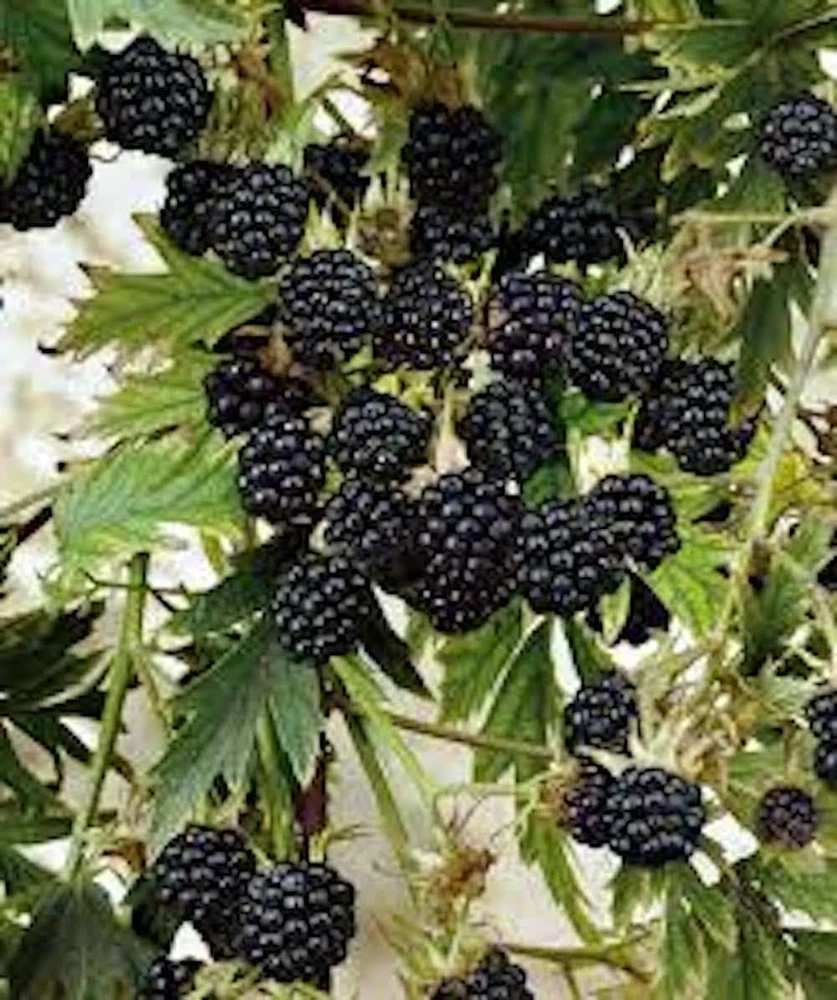
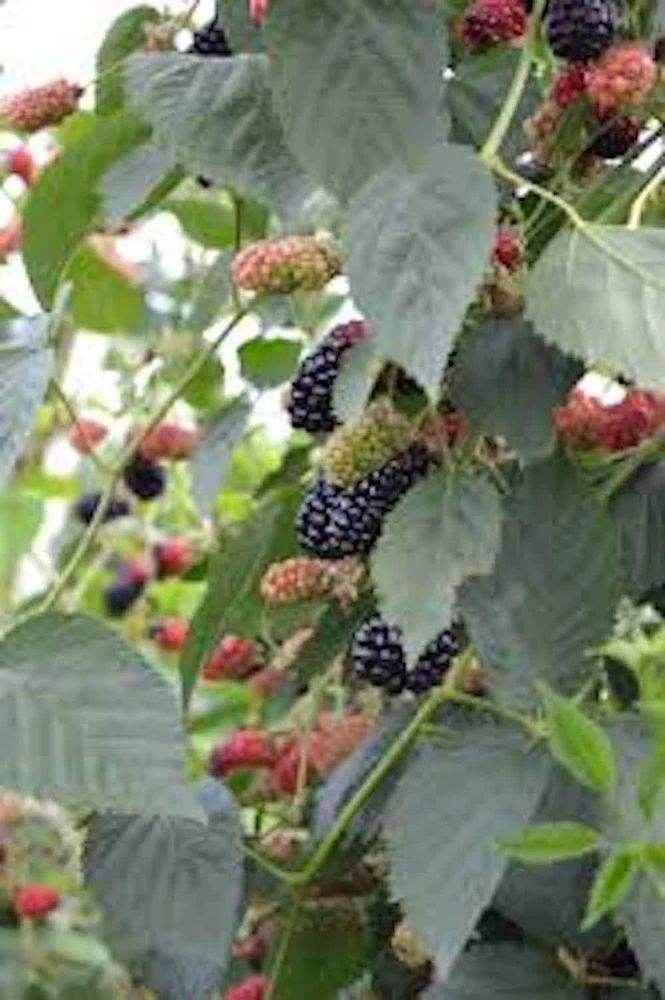
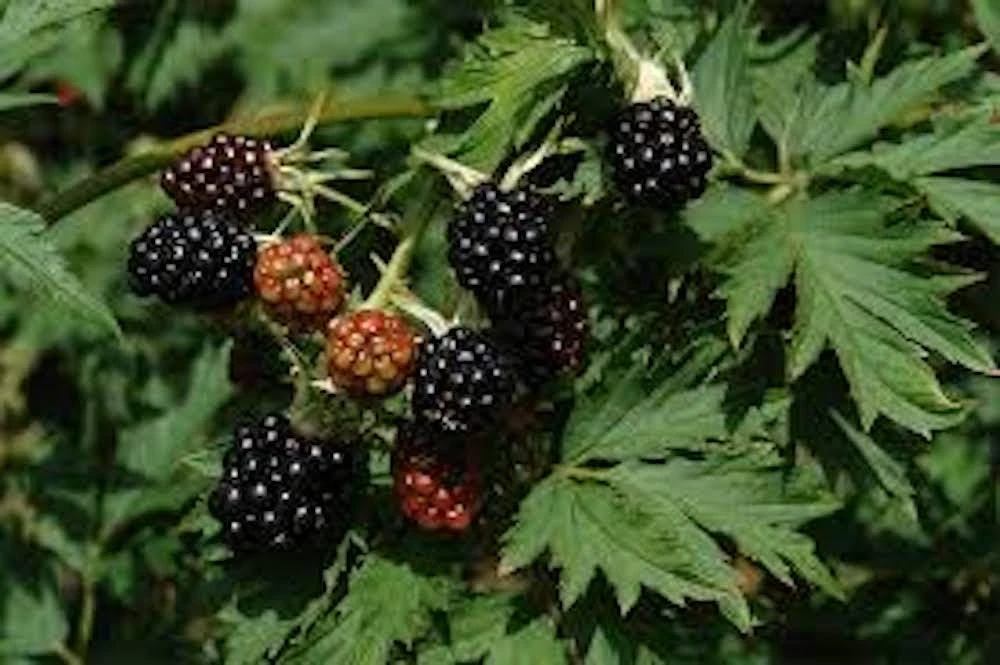
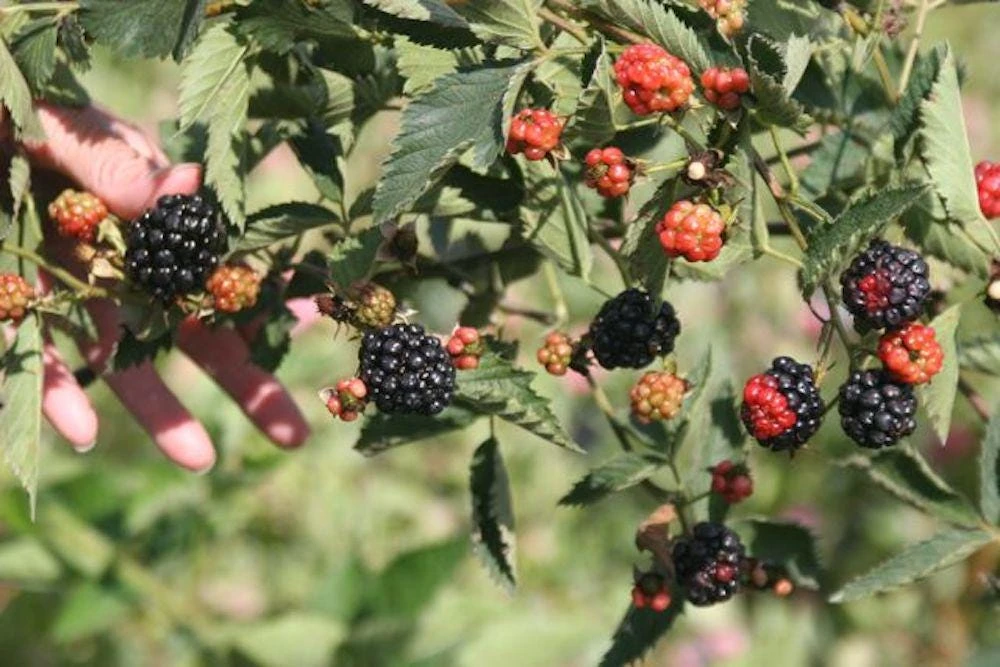
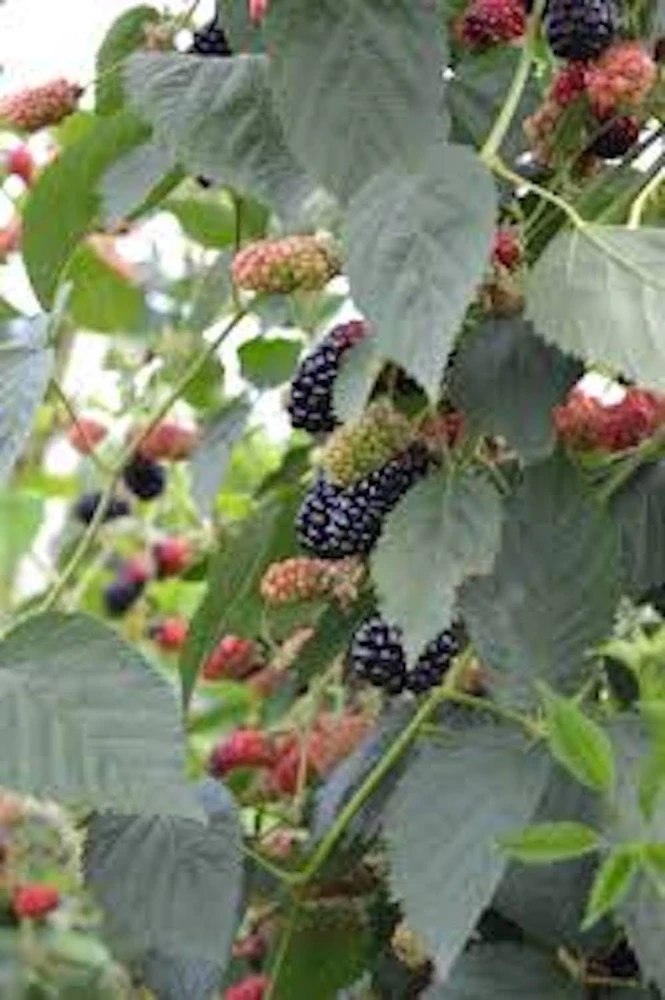
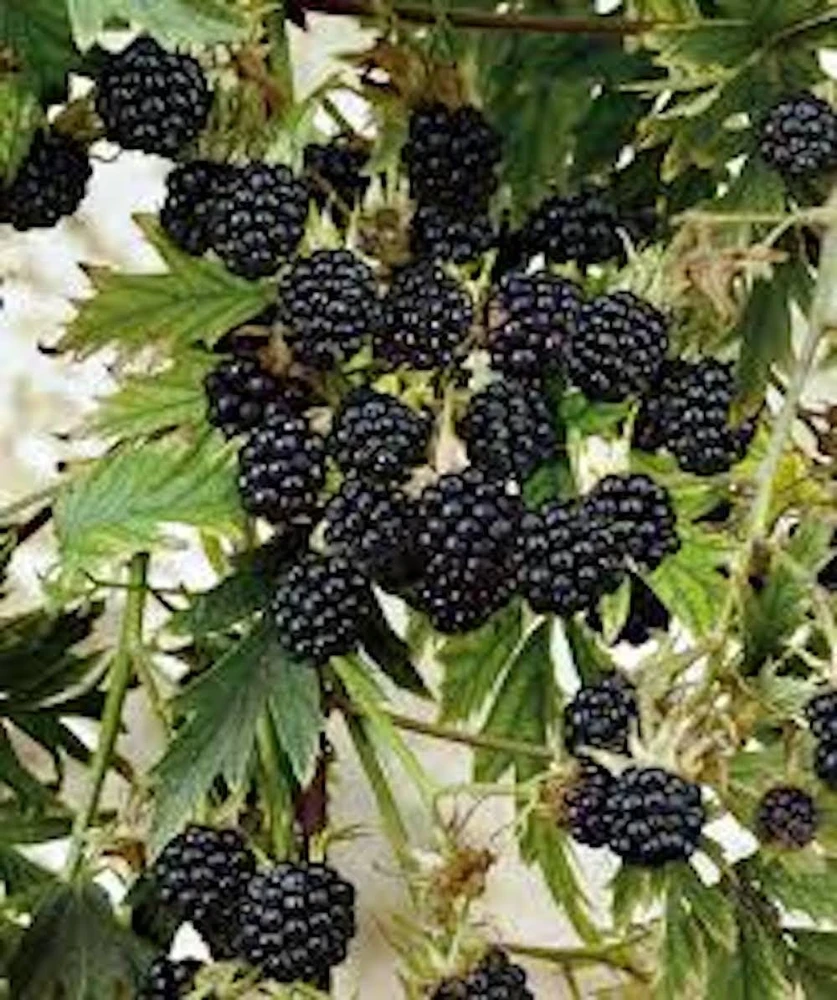
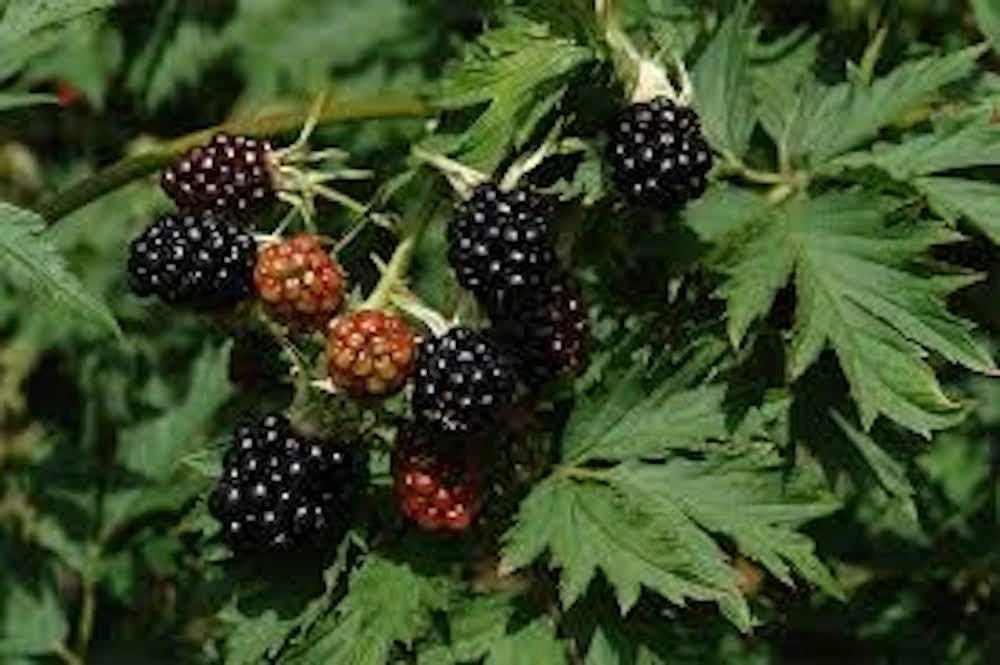
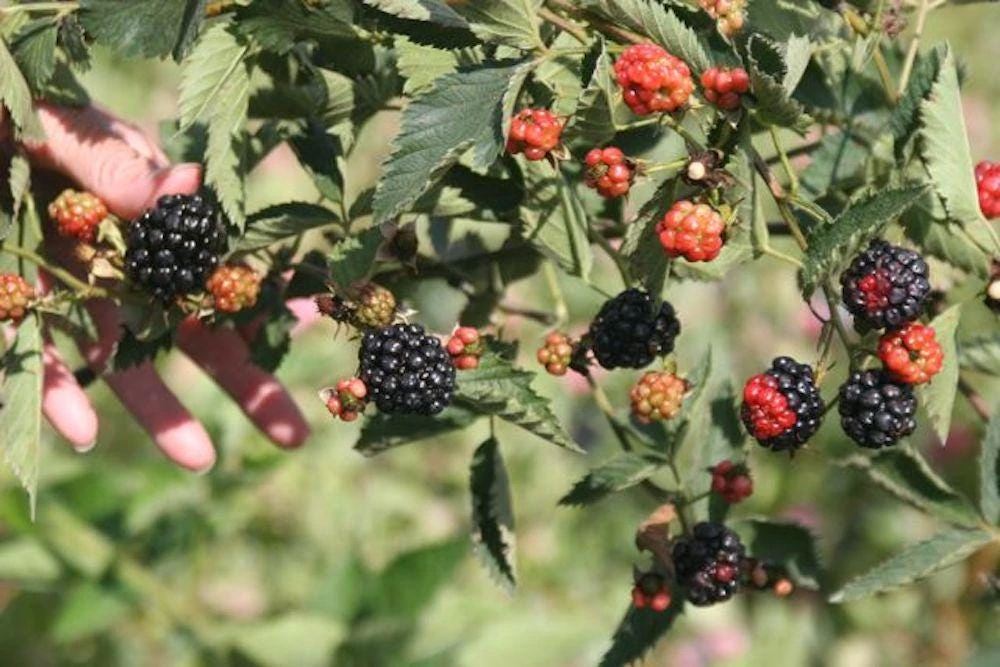
Introducing the Natchez blackberry live plant, a superb addition for any home gardener looking to cultivate their own sweet and juicy fruit. This particular variety, Rubus spp. ‘Natchez’, is highly prized for its exceptional qualities and ease of growth. Developed by the University of Arkansas, the Natchez blackberry live plant is a thornless, semi-erect variety, making harvesting a much more pleasant experience. It is renowned for its early and abundant harvest, providing a bounty of extra-large, elongated, and glossy black berries that are exceptionally sweet. Whether you are an experienced gardener or just starting out, this thornless blackberry plant offers a rewarding and delicious yield, suitable for a variety of climates.
The Natchez blackberry live plant is a robust and reliable choice for fruit production. Its vigorous growth habit and disease resistance contribute to its popularity among home growers. This starter plug provides a healthy foundation for establishing a productive blackberry patch in your garden. Enjoy fresh berries straight from the vine, or use them in pies, jams, and desserts. Growing your own fruit ensures the freshest taste and satisfaction of a homegrown harvest.
Key Benefits
Choosing the Natchez blackberry live plant for your garden brings a multitude of advantages, both for the ease of cultivation and the quality of the harvest. This variety stands out for several reasons:
- Thornless Canes: One of the most significant benefits is its thornless nature, which makes pruning, training, and especially harvesting the berries much safer and more enjoyable. No more painful scratches while picking your delicious fruit.
- Early & Abundant Harvest: The ‘Natchez’ variety is known for producing fruit early in the season and in generous quantities, ensuring you get to enjoy fresh blackberries sooner and in large supply. This early yield is a major advantage for avid berry lovers.
- Large, Sweet Fruit: The berries themselves are extra-large, elongated, and boast a beautiful glossy black appearance. More importantly, they are exceptionally sweet and flavorful, perfect for eating fresh or incorporating into various culinary creations.
- Semi-Erect Growth Habit: This growth pattern makes the plant easier to manage and support, often requiring less trellising than trailing varieties. It’s an ideal choice for compact spaces or for those who prefer a more structured garden layout.
- Adaptability: Developed for resilience, the Natchez blackberry live plant is an excellent choice for home gardens in a variety of climates, including regions like Tennessee, demonstrating its broad suitability for different growing conditions.
- Health Benefits: Blackberries are rich in antioxidants, vitamins, and fiber, contributing to a healthy diet. Growing your own ensures you have access to fresh, nutrient-dense fruit free from commercial pesticides.
- Easy to Grow: Even for beginner gardeners, this Rubus Natchez starter is relatively low-maintenance once established, offering a high reward for minimal effort.
Plant Care & Growing Tips
To ensure your Natchez blackberry live plant thrives and produces a bountiful harvest, proper care is essential. These plants generally prefer a location with full sun, meaning at least 6-8 hours of direct sunlight per day. Adequate sunlight is crucial for fruit development and sweetness. While they are adaptable, a well-drained, slightly acidic soil (pH 6.0-6.5) is ideal. Amend heavy clay soils with organic matter to improve drainage, or sandy soils to enhance water retention.
Watering is important, especially during establishment and fruit development. Keep the soil consistently moist but not waterlogged. Deep watering once or twice a week is usually sufficient, depending on your climate and soil type. Avoid overhead watering to minimize fungal diseases. Fertilize your thornless blackberry plant in early spring with a balanced slow-release fertilizer or a granular fertilizer formulated for berries. Follow package instructions carefully to avoid over-fertilization, which can lead to excessive foliage growth at the expense of fruit production.
Pruning is key to maintaining plant health and maximizing yields. As a semi-erect variety, ‘Natchez’ produces fruit on floricanes (second-year canes). After fruiting, these canes should be cut back to the ground. New primocanes (first-year canes) will emerge and produce fruit the following year. Remove any weak or damaged canes, and thin out overcrowded growth to improve air circulation. The grow Natchez blackberry method typically involves a simple trellising system to support the canes and keep them off the ground, preventing disease and making harvesting easier. Protect your plants from pests and diseases by ensuring good air circulation and promptly removing any affected plant parts. Regular inspection will help you catch issues early.
Size & Details
This offering is for 1 Natchez Blackberry live plant, provided as a healthy starter plug. A starter plug is a young plant with an established root system, ready for transplanting into your garden or a larger pot. The exact height will vary upon arrival but will be a robust, actively growing specimen designed to establish quickly. Rubus Natchez starter plugs are an excellent way to begin your blackberry patch, offering a head start compared to seeds. Natchez blackberry plants typically grow to a height of 4-6 feet with a similar spread, forming a semi-erect bush. They have a moderate to fast growth rate, and you can expect fruit production to begin in the second year after planting, with significant yields in subsequent years. This variety is known for its vigor and ability to produce consistent harvests of large, sweet fruit when properly cared for. The thornless nature also makes handling and harvesting these plants incredibly convenient.
Frequently Asked Questions
- Q: How big does this Natchez blackberry live plant get? A: A: The Natchez blackberry typically grows to a mature height and spread of 4-6 feet. Its semi-erect growth habit makes it manageable for most home gardens, especially with some light trellising.
- Q: Is this an indoor or outdoor plant? A: The Natchez blackberry is an outdoor plant, best suited for planting directly in the ground in a garden bed where it can receive ample sunlight and space to grow. It is not recommended for indoor cultivation.
- Q: How much sunlight does the thornless blackberry plant need? A: This plant thrives in full sun, requiring a minimum of 6 to 8 hours of direct sunlight daily to produce the best fruit yields and ensure optimal plant health.
- Q: Is this plant easy to care for, especially for beginners? A: Yes, the Natchez blackberry is considered relatively easy to care for, making it a good choice for beginners. Its thornless canes simplify maintenance, and it’s quite vigorous once established.
- Q: What condition will the Rubus Natchez starter plug arrive in? A: Your starter plug will arrive as a healthy, actively growing young plant with an established root system, carefully packaged to ensure its safe journey and readiness for planting.
- Q: When is the best time to plant the grow Natchez blackberry starter? A: The best time to plant your Natchez blackberry starter plug is in early spring after the last danger of frost has passed, or in early fall in milder climates. This allows the plant to establish its roots before extreme temperatures.
- Q: Will this sweet blackberry plant survive winter in my zone? A: The Natchez blackberry is generally hardy in USDA Zones 5-9. If you are in a colder zone, consider providing winter protection like mulching or covering the plant.
- Q: How long until it starts producing fruit? A: You can typically expect your Natchez blackberry plant to start producing fruit in its second year after planting. Yields will increase significantly in subsequent years as the plant matures.
- Q: What kind of soil does the Natchez blackberry prefer? A: This plant prefers well-drained, fertile soil with a slightly acidic pH (6.0-6.5). Amending your soil with organic matter can greatly improve its structure and fertility.
- Q: Can I use the berries in baking or preserves? A: Absolutely! The large, sweet, and elongated fruits of the Natchez blackberry are excellent for eating fresh, and they hold up wonderfully in pies, tarts, jams, jellies, and other baked goods.
Be the first to review “1 Natchez Blackberry Live Plant – Thornless Rubus ‘Natchez’ Starter Plug”
Related products


You May Like

Hardneck vs. Softneck Garlic: Which Should You Grow?
Have you ever stood in front of a seed catalog in mid-September, staring at dozens [...]
Oct

When to Plant Music Garlic: Ultimate US Fall Guide
Have you ever spent your fall weekend placing carefully chosen garlic cloves into rich, dark [...]
1 Comment
Oct

5 Best Bulbs for Fall Planting: Brighten Your Garden This Spring
Are you dreaming of a garden full of vibrant colors in the spring? The key [...]
Aug

10 Houseplants That Will Thrive in Your Kitchen
Are you tired of your kitchen feeling dull and lifeless? Want to add a little [...]
1 Comment
Aug
Reviews
There are no reviews yet.