
Emerald Blueberry Cutting – Vaccinium corymbosum Bare Root Plant, Southern Highbush
Original price was: 69.99 $.44.99 $Current price is: 44.99 $.
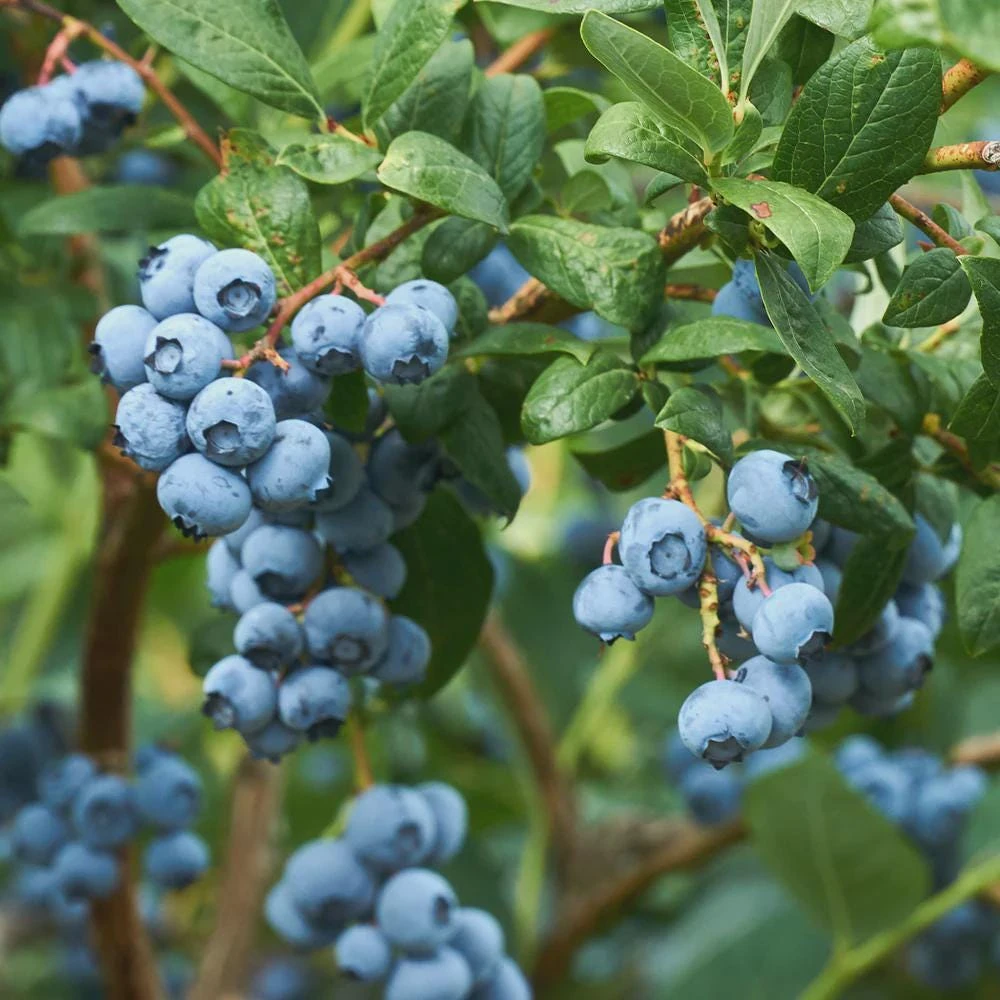
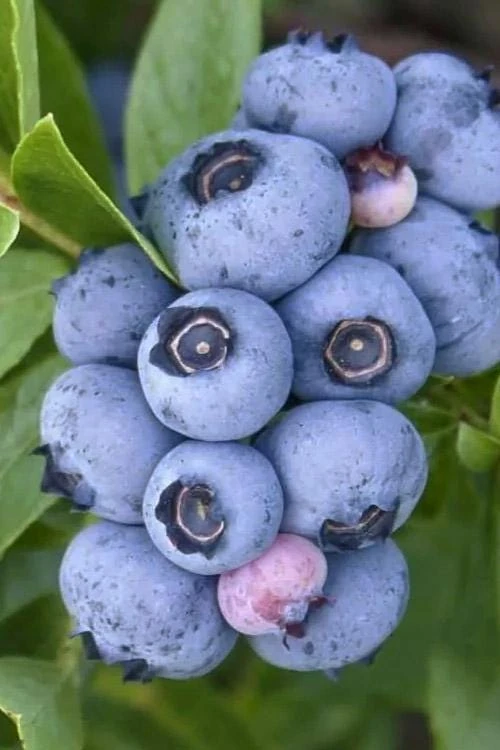
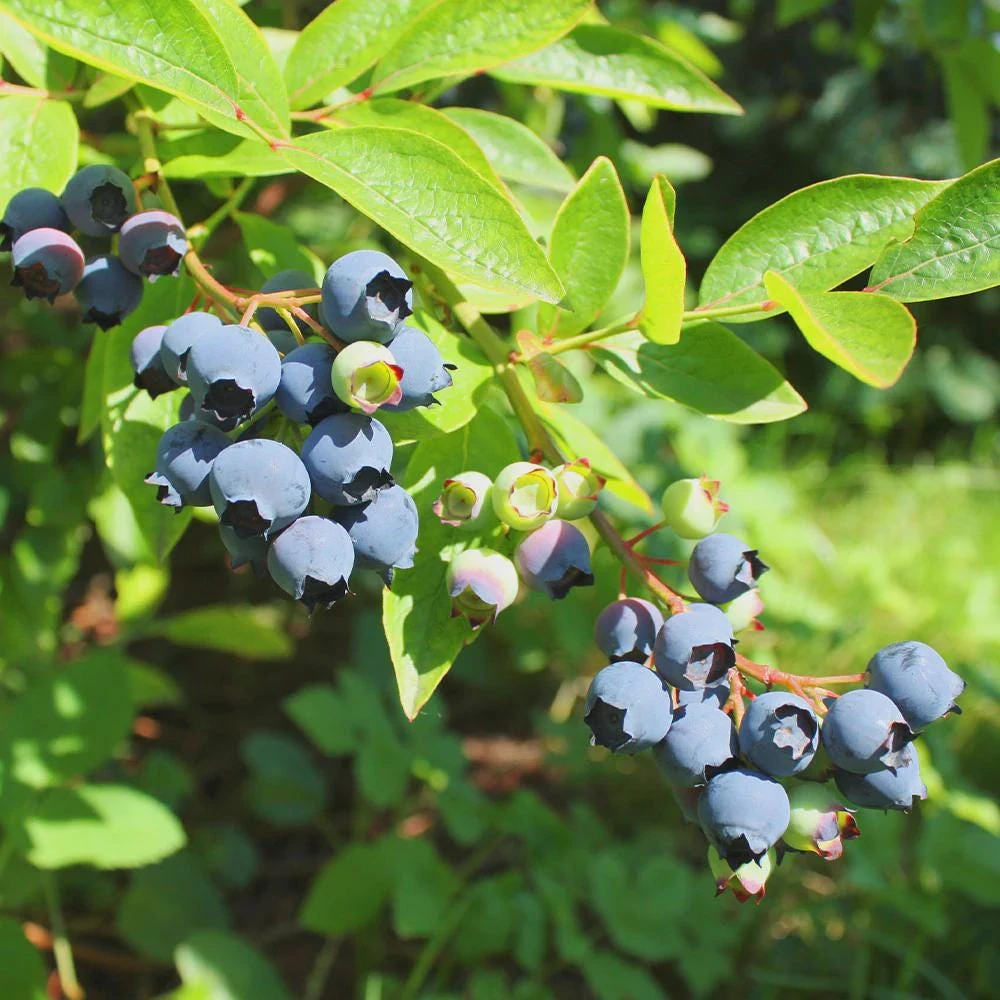
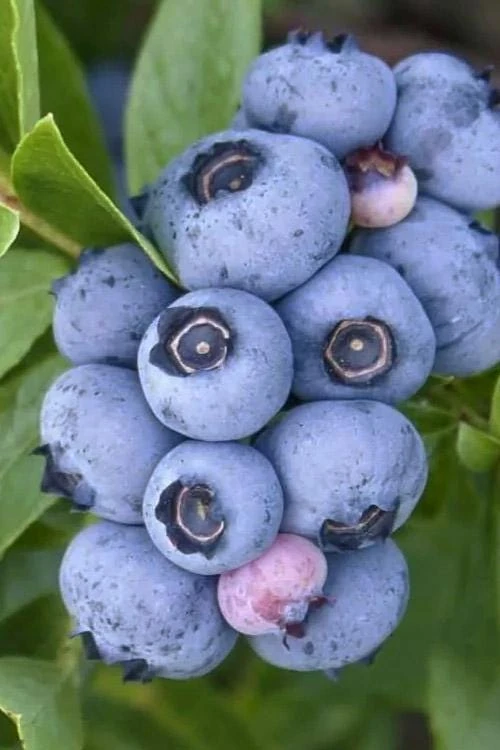
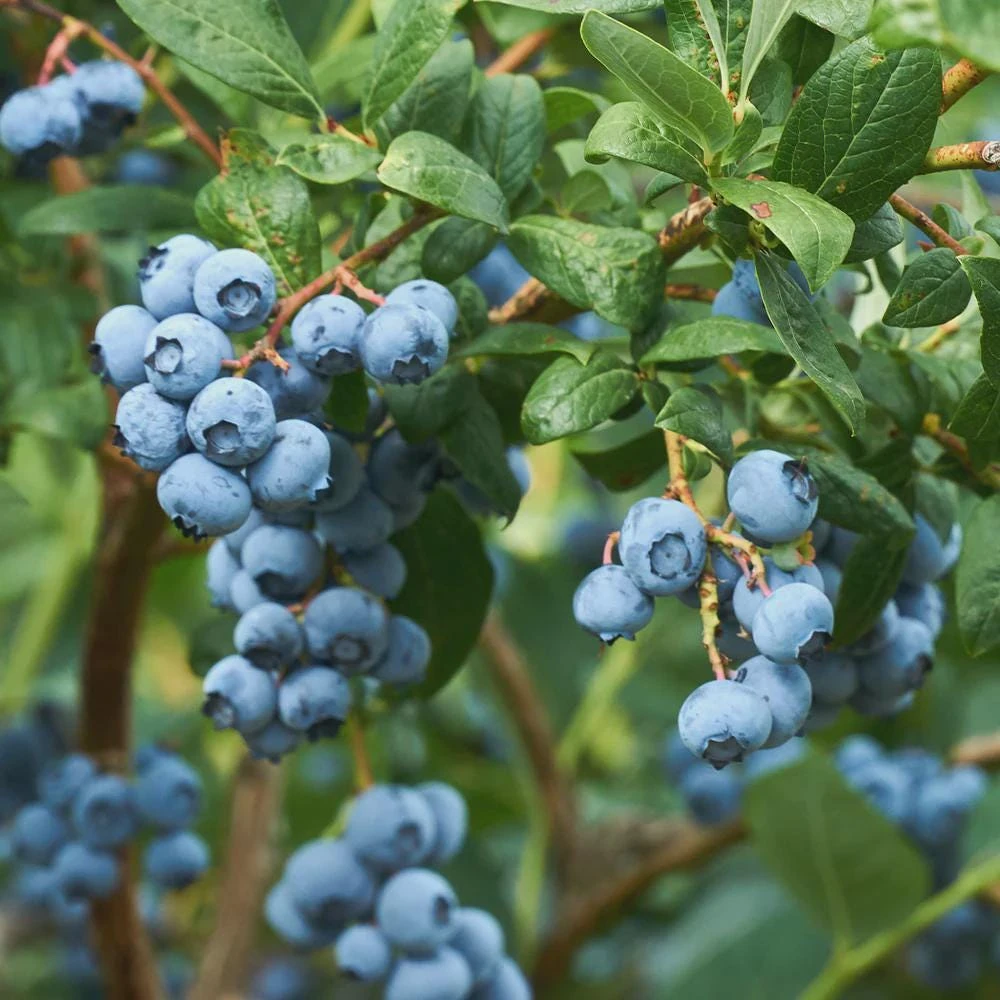
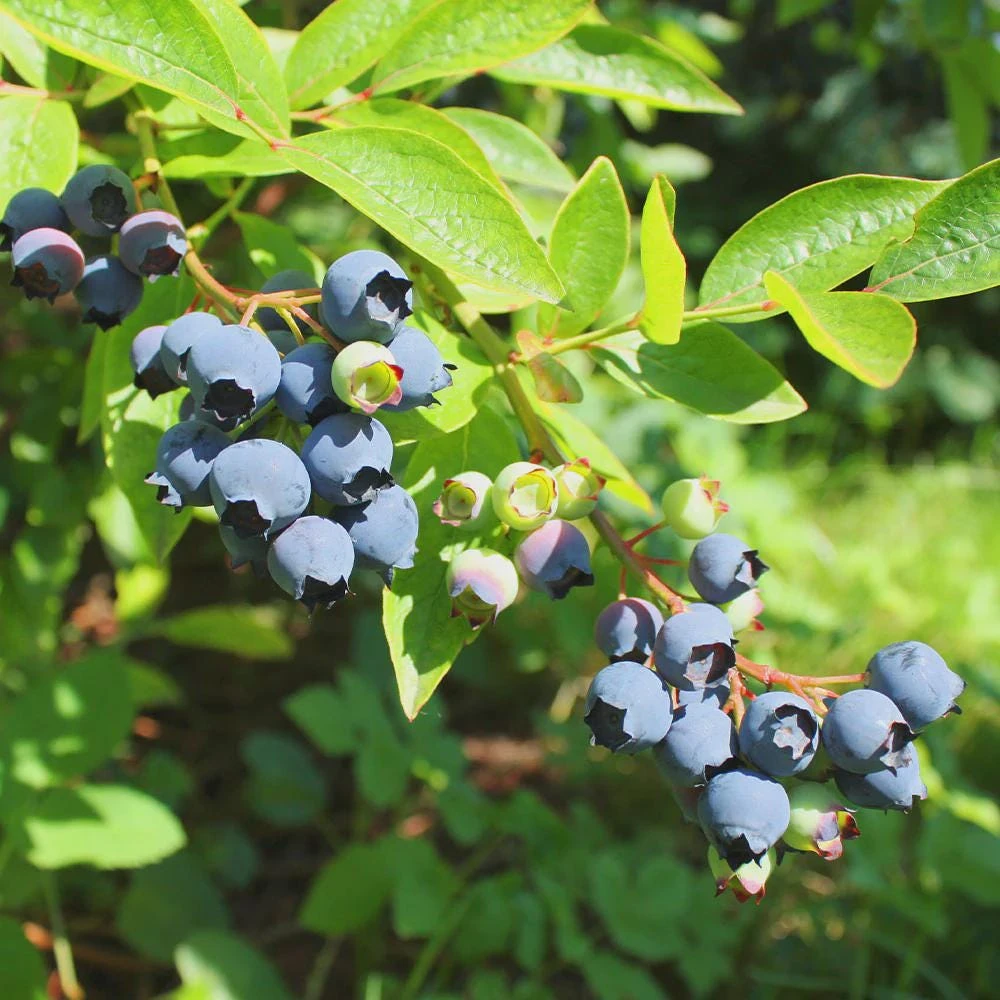
Cultivate your own sweet fruit with an emerald blueberry cutting. This Vaccinium corymbosum Emerald variety is a southern highbush blueberry known for its low chill hour requirement and heat tolerance, making it ideal for warmer climates.
Estimated arrival
Oct 17
Oct 22 - Oct 24
Oct 24 - Oct 29
See our Shipping Policy.
Get in touch with us via email, and our team will review your concerns.
Our Alive & Thrive Guarantee covers issues with your plants within the first 30 days. Read our Refund & Returns Policy.
-
USDA Hardiness Zone
USDA Zones 8-10 -
Soil Type
Acidic, well-draining soil (pH 4.5-5.5) -
Sunlight Exposure
Full sun (6-8+ hours daily) -
Expected Planting Period
Late winter to early spring
Overview
Cultivate your own delicious and abundant blueberries with this premium emerald blueberry cutting. The Vaccinium corymbosum Emerald is a renowned Southern Highbush blueberry variety, specifically developed to thrive in regions with mild winters and warm climates. This particular cultivar is celebrated for its low chill hour requirement, making it an excellent choice for gardeners in USDA Zones 8 to 10. You’ll be amazed by its consistent and generous production of large, sweet berries, perfect for fresh eating, baking, or preserving. Starting with a cutting allows you to establish a robust and productive blueberry plant in your home garden, bringing the joy of homegrown fruit right to your doorstep.
This emerald blueberry cutting offers the opportunity to grow a resilient and high-yielding fruit bush. Unlike many other blueberry varieties, the Emerald is highly tolerant of heat, ensuring strong growth and fruit set even in challenging conditions. Its vigorous growth habit and reliable performance make it a favorite among both novice and experienced gardeners looking for a dependable warm climate blueberry. Get ready to enjoy a bountiful harvest of juicy, flavorful blueberries season after season with this exceptional variety.
Key Benefits
The emerald blueberry cutting provides numerous advantages for the home gardener, ensuring a rewarding and fruitful experience. Its unique characteristics make it an outstanding choice for specific growing conditions.
- Low Chill Hour Requirement: Specifically bred for regions with mild winters, this emerald blueberry cutting requires very few chill hours to produce fruit. This makes it a perfect fit for gardeners in warmer climates, particularly USDA Zones 8-10, where other varieties might struggle.
- Heat Tolerance: The Vaccinium corymbosum Emerald exhibits excellent tolerance to high temperatures, ensuring healthy growth and consistent berry production even during hot summer months. This resilience contributes to its reliability as a productive plant.
- Abundant Berry Production: Expect a generous harvest of blueberries from this variety. Once established, the plant is known for its prolific fruiting, providing plenty of berries for your culinary needs.
- Large, Sweet Berries: The fruit of the emerald blueberry cutting is not only plentiful but also large and notably sweet. These delicious berries are perfect for eating fresh, adding to desserts, making jams, or freezing for later use.
- Reliable Performer: Developed by the University of Florida, this variety has been rigorously tested and proven to be a reliable producer in its intended climate zones. Gardeners can trust in its consistent performance year after year.
- Versatile Use: Beyond its delicious fruit, the blueberry plant itself can add ornamental value to your garden with its attractive foliage, which often turns reddish in cooler temperatures, making it a beautiful addition to edible landscapes.
- Easy to Propagate: Starting with an emerald blueberry cutting is a cost-effective way to expand your blueberry patch and enjoy fresh, organic fruit from your own garden.
Plant Care & Growing Tips
Caring for your emerald blueberry cutting is straightforward, especially when you understand its specific needs. Blueberries thrive in acidic soil, so preparing your planting site is crucial. Aim for a soil pH between 4.5 and 5.5. If your soil is naturally alkaline, you may need to amend it with peat moss, elemental sulfur, or specific acidifying fertilizers. Good drainage is also essential, as blueberries do not like wet feet. Consider planting in raised beds or large containers if your native soil is heavy clay.
When it comes to sunlight, the Vaccinium corymbosum Emerald prefers a location that receives at least 6-8 hours of full sun per day. Ample sunlight is vital for vigorous growth and abundant fruit production. While tolerant of heat, ensuring consistent moisture, especially during fruiting, is important. Water regularly, keeping the soil consistently moist but not waterlogged. Mulching with pine bark, pine needles, or wood chips can help retain soil moisture, suppress weeds, and maintain soil acidity. Fertilize your emerald blueberry cutting with a slow-release, acid-forming fertilizer formulated for blueberries or acid-loving plants, typically in early spring before new growth begins.
This southern highbush blueberry is hardy in USDA Zones 8-10. Pruning is important for maintaining plant health and maximizing fruit yield. In the dormant season, remove any dead, diseased, or weak branches. Once the plant is mature, thin out older canes to encourage new, productive growth. Watch out for common pests like birds, who also love blueberries; netting can be an effective deterrent. With proper care, your warm climate blueberry plant will provide many years of delicious fruit.
Size & Details
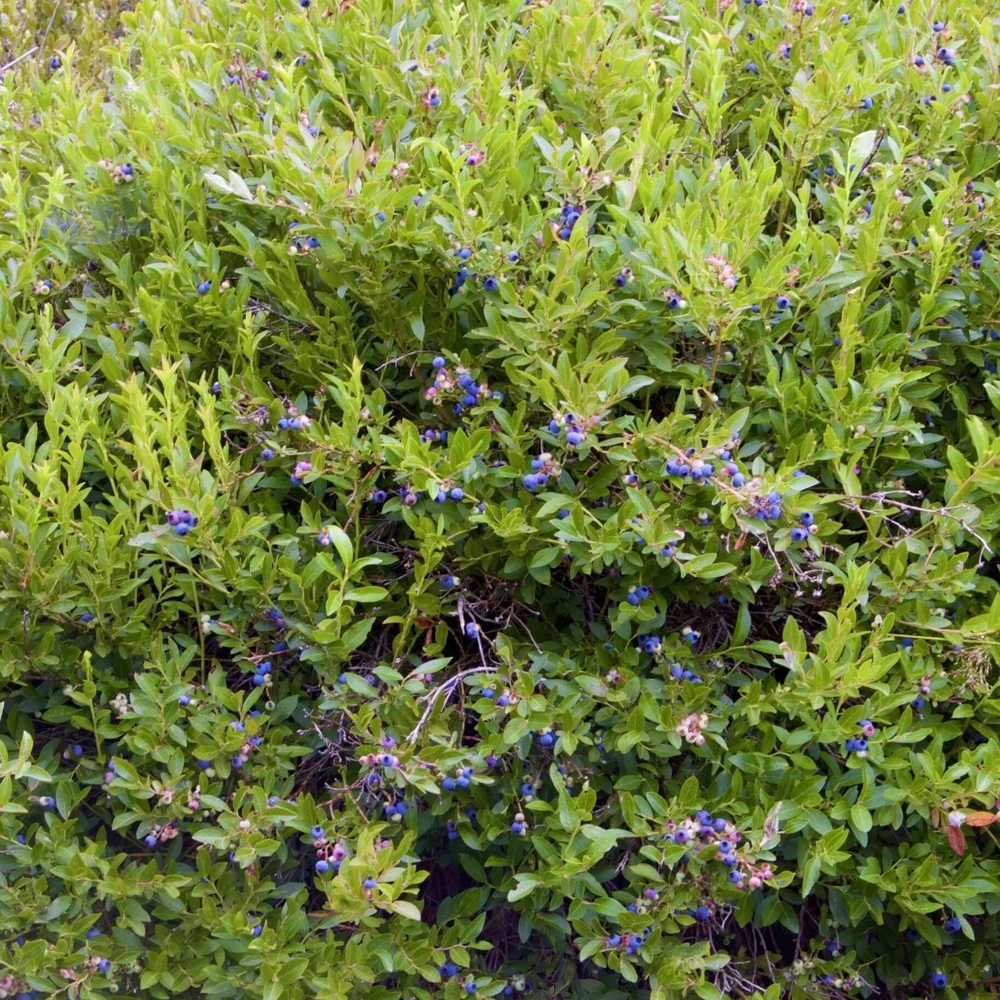
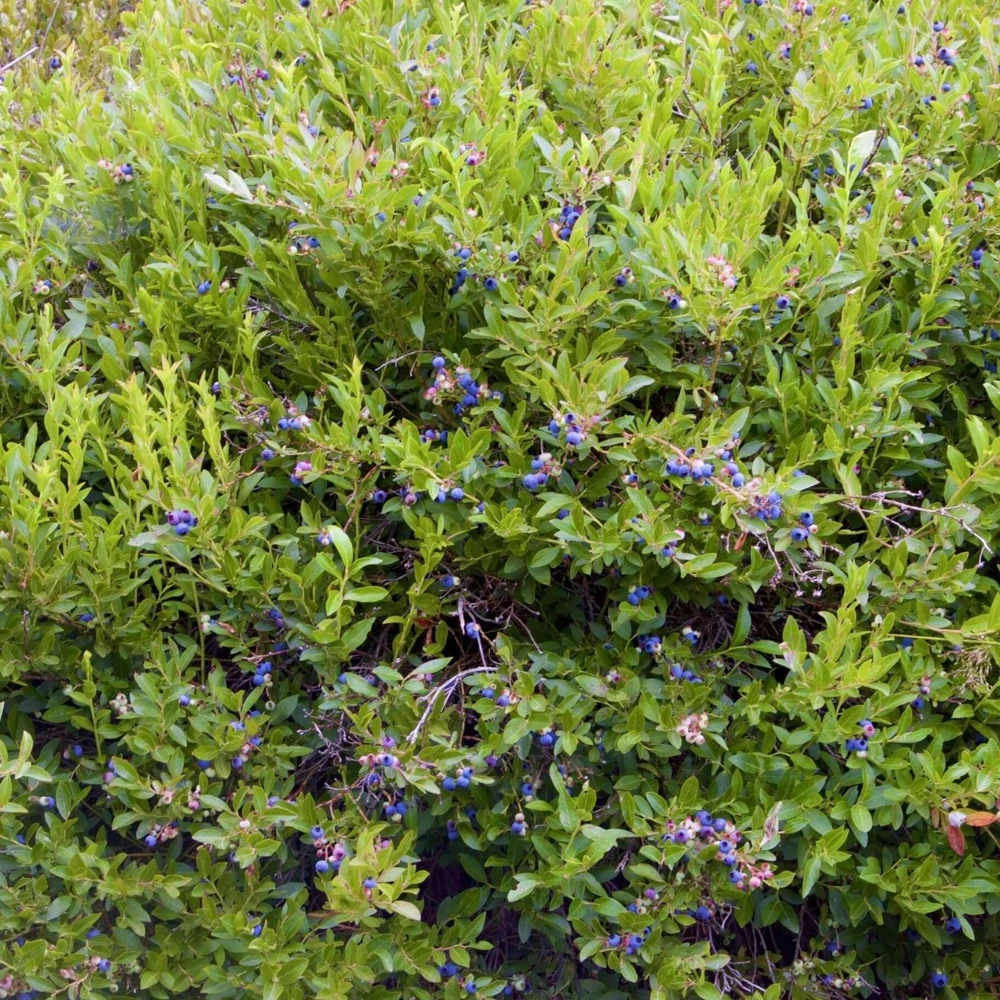
This product is for 1 emerald blueberry cutting, provided as a bare-root plant. Cuttings are typically 4-8 inches in length, ready for rooting and establishment in your garden or a nursery pot. While the initial size is small, with proper care, this Vaccinium corymbosum Emerald variety will develop into a robust, fruit-producing shrub. Mature ‘Emerald’ blueberry plants typically grow to a height of 5-6 feet and a spread of 4-5 feet, forming an upright, bushy habit.
The growth rate is moderate, with significant development expected in the first few years. You can anticipate your first small harvest of berries within 1-2 years after successful rooting and establishment, with full production typically reached by the third to fifth year. This low chill blueberry is an excellent long-term investment for any gardener in the appropriate hardiness zones looking for a reliable source of fresh fruit.
Frequently Asked Questions
- Q: What is an emerald blueberry cutting? A: An emerald blueberry cutting is a segment of a mature Emerald blueberry plant, intended for rooting and growing into a new plant. It’s a way to propagate this specific Vaccinium corymbosum Emerald variety.
- Q: How big does the emerald blueberry cutting get when mature? A: A mature Emerald blueberry plant typically reaches a height of 5-6 feet and a spread of 4-5 feet, forming an attractive and productive shrub.
- Q: Is this an indoor or outdoor plant? A: The emerald blueberry cutting is intended for outdoor cultivation. It is a southern highbush blueberry variety that thrives in outdoor garden settings within its recommended USDA hardiness zones.
- Q: How much sunlight does this warm climate blueberry need? A: This plant requires at least 6-8 hours of direct sunlight per day to ensure optimal growth and fruit production. Full sun exposure is best.
- Q: Is this plant easy to care for? A: With proper soil preparation (acidic, well-draining) and consistent watering, the Emerald blueberry is considered relatively easy to care for, especially for a warm climate blueberry. It’s a reliable choice for beginners and experienced gardeners alike.
- Q: What condition will the cutting arrive in? A: The emerald blueberry cutting will arrive as a bare-root cutting, without soil or a pot, ready for you to root and plant.
- Q: When is the best time to plant this low chill blueberry? A: The best time to plant a rooted Emerald blueberry cutting is typically in late winter or early spring, after the danger of hard frost has passed, to allow it to establish before the heat of summer.
- Q: Will it survive winter in my zone? A: This southern highbush blueberry is hardy in USDA Zones 8 to 10. If you are within these zones, it should survive winter with minimal protection. In colder zones, it would require significant winter protection or be grown in a container that can be moved indoors.
- Q: How long until I get fruit from my emerald blueberry cutting? A: You can expect your first small harvest of blueberries within 1-2 years after successfully rooting and planting the cutting, with full production typically reached by the third to fifth year.
- Q: What kind of soil does Vaccinium corymbosum Emerald prefer? A: This variety thrives in highly acidic, well-draining soil with a pH between 4.5 and 5.5. Amendments like peat moss or elemental sulfur may be needed to achieve the ideal pH.
Be the first to review “Emerald Blueberry Cutting – Vaccinium corymbosum Bare Root Plant, Southern Highbush”
Related products


You May Like

Hardneck vs. Softneck Garlic: Which Should You Grow?
Have you ever stood in front of a seed catalog in mid-September, staring at dozens [...]
Oct

When to Plant Music Garlic: Ultimate US Fall Guide
Have you ever spent your fall weekend placing carefully chosen garlic cloves into rich, dark [...]
1 Comment
Oct

5 Best Bulbs for Fall Planting: Brighten Your Garden This Spring
Are you dreaming of a garden full of vibrant colors in the spring? The key [...]
Aug

10 Houseplants That Will Thrive in Your Kitchen
Are you tired of your kitchen feeling dull and lifeless? Want to add a little [...]
1 Comment
Aug
Reviews
There are no reviews yet.