
1 LB Stratified American Ginseng Seed – Grow Wild Ginseng, Ready to Plant
Original price was: 149.98 $.139.99 $Current price is: 139.99 $.
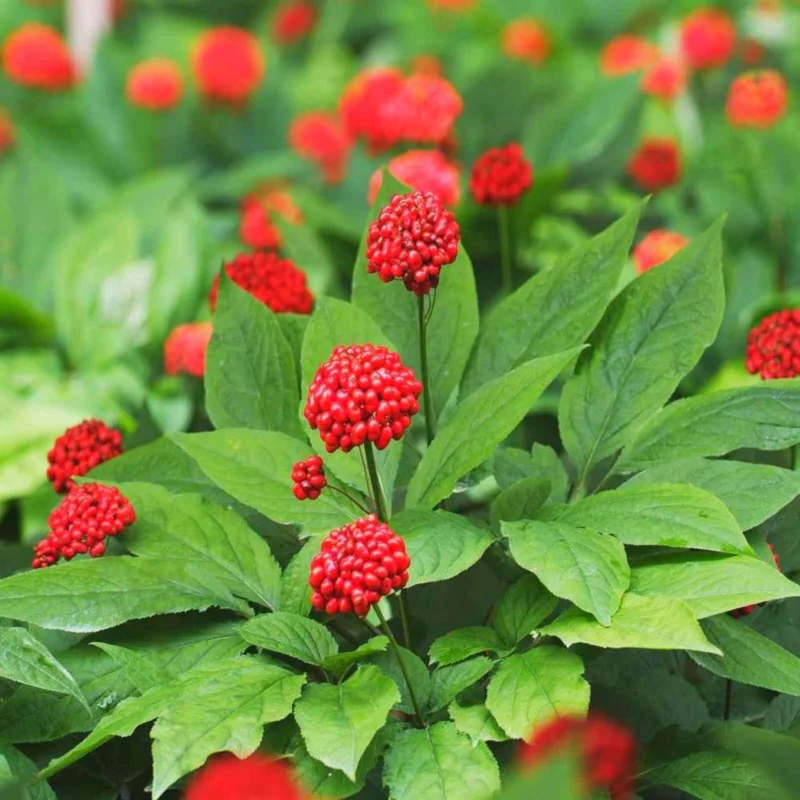
Cultivate your own medicinal herbs with American Ginseng seed. This 1 LB stratified ginseng seed is ready to plant, making it easy to grow wild ginseng in your garden. Perfect for those interested in wild ginseng cultivation.
Estimated arrival
Oct 16
Oct 21 - Oct 23
Oct 23 - Oct 28
See our Shipping Policy.
Get in touch with us via email, and our team will review your concerns.
Our Alive & Thrive Guarantee covers issues with your plants within the first 30 days. Read our Refund & Returns Policy.
-
USDA Hardiness Zone
USDA zones 3-7 -
Soil Type
Loamy soil, well-draining, rich in organic matter -
Sunlight Exposure
70-80% shade, partial shade -
Expected Planting Period
Fall
Overview
Embark on the rewarding journey of cultivating your own medicinal plants with our premium American Ginseng seed. This offering includes 1 LB stratified ginseng seed, meticulously prepared to ensure optimal germination and growth. American Ginseng, scientifically known as Panax quinquefolius, is a highly prized herb renowned for its adaptogenic properties and historical significance. These seeds are ready to plant, allowing enthusiasts and experienced growers alike to easily grow wild ginseng in suitable temperate climates. Our stratified seeds mimic natural winter conditions, breaking dormancy and preparing them for successful sprouting once planted. Cultivating ginseng is a long-term investment, offering both a connection to nature and the potential for a valuable harvest.
Native to the Eastern United States and Canada, American Ginseng seed thrives in woodland environments, making it an excellent choice for shaded garden areas or forest farming projects. The process of stratification ensures that the seeds are viable and ready to begin their slow, steady growth cycle. By choosing these prepared seeds, you’re taking the first step towards establishing a thriving patch of this revered herb, known for its distinct root structure and health benefits. This package is ideal for anyone looking to engage in sustainable wild ginseng cultivation and enjoy the satisfaction of growing their own herbal remedies.
Key Benefits
Growing American Ginseng seed offers numerous benefits, from the personal satisfaction of cultivating a prized herb to the potential health advantages of its roots. These stratified seeds provide a convenient and effective way to begin your ginseng growing adventure.
- High Germination Rate: Our 1 LB stratified ginseng seed undergoes a natural stratification process, significantly increasing the likelihood of successful germination compared to unstratified seeds. This preparation ensures your planting efforts yield better results.
- Authentic Wild Ginseng: Cultivate genuine Panax quinquefolius, a species highly sought after for its medicinal properties. Experience the true essence of wild ginseng cultivation right in your own backyard or woodland.
- Sustainable Gardening: By growing your own ginseng, you contribute to the sustainable harvesting of this valuable plant, reducing pressure on wild populations. It’s an environmentally conscious choice for herbal enthusiasts.
- Educational Experience: Learning to grow wild ginseng provides a unique educational experience, connecting you with traditional ecological knowledge and the natural cycles of forest ecosystems.
- Potential Health Benefits: American Ginseng roots are traditionally used to support energy levels, cognitive function, and overall well-being. Growing your own ensures a pure, high-quality source.
- Long-Term Investment: While ginseng takes several years to mature, the long-term yield and satisfaction of harvesting your own roots make it a rewarding investment for patient gardeners.
- Suitable for Temperate Climates: These seeds are perfectly suited for growing in temperate regions, allowing a wide range of gardeners to successfully cultivate this valuable herb.
Plant Care & Growing Tips
Successful wild ginseng cultivation requires attention to specific environmental conditions that mimic its natural woodland habitat. Once you have your American Ginseng seed, selecting the right site is paramount. Ginseng thrives in deep, rich, well-draining loam soil with a pH between 5 and 6. An ideal location will have 70-80% shade, typically found under deciduous trees like oak, maple, or poplar, which provide dappled sunlight. Avoid areas with heavy clay or sandy soils, as these can hinder root development and drainage. North-facing slopes are often preferred as they receive less direct sun.
Watering should be consistent, especially during dry periods, to keep the soil moist but not waterlogged. Ginseng prefers consistently damp conditions, similar to a forest floor. Overwatering can lead to root rot, so ensuring good drainage is crucial. Fertilization is generally not recommended for wild-simulated ginseng, as it can encourage faster growth at the expense of root quality and potentially attract pests. Instead, focus on enriching the soil with natural leaf litter and organic matter over time. The optimal planting period for stratified ginseng seed is typically in the fall, allowing the seeds to undergo natural winter chilling and emerge in the spring. Protect young plants from deer and other wildlife, which are known to browse ginseng foliage.
Maintaining the ideal light conditions is critical; too much sun will scorch the leaves, while too little can stunt growth. Monitor your plants for signs of fungal diseases, such as blight, which can be common in humid, shaded environments. Good air circulation can help prevent these issues. With proper care and patience, your efforts to grow wild ginseng will be rewarded with healthy, mature plants.
Size & Details
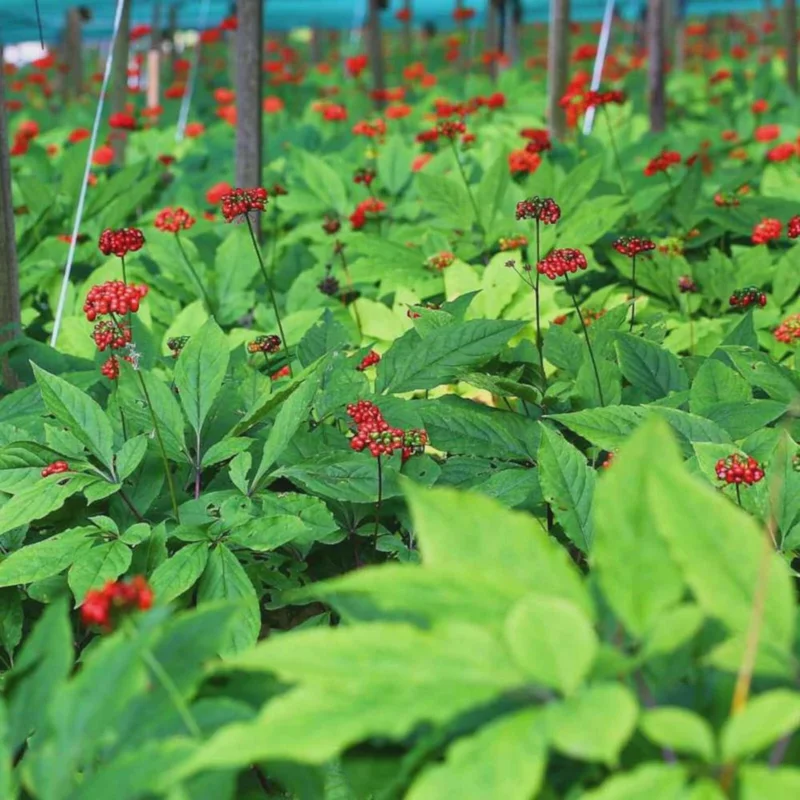
This product includes 1 LB stratified ginseng seed, providing a substantial quantity for establishing a significant planting area. Each pound contains thousands of individual seeds, offering a robust start for your wild ginseng cultivation project. The seeds are delivered in a ready-to-plant condition, having already completed their stratification period, which means they are primed for germination upon planting. While individual seed size varies, the quantity provided is sufficient to cover a considerable area, depending on your desired planting density.
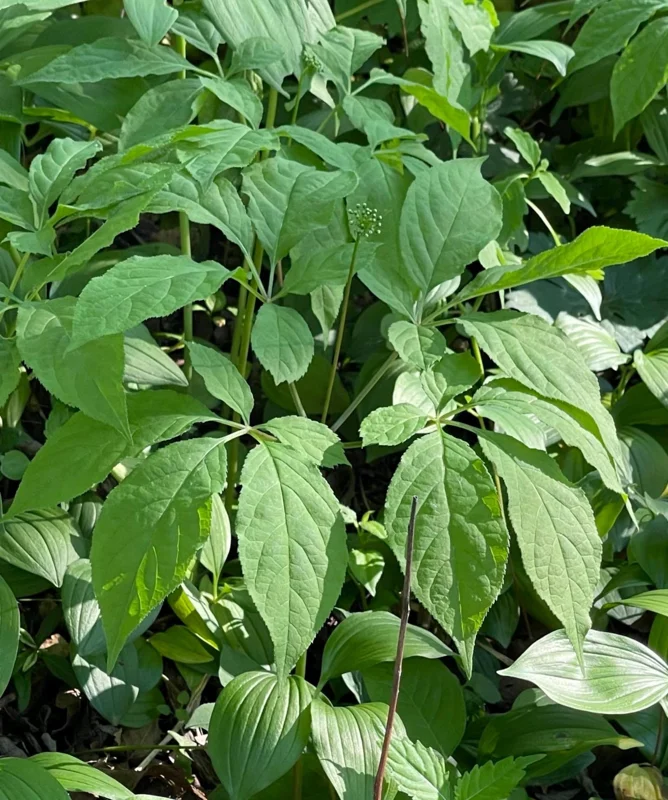
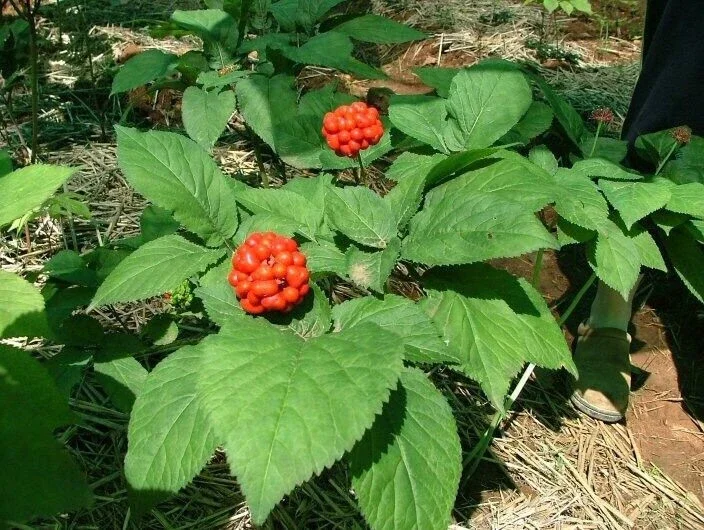
Ginseng plants are slow-growing, typically taking 5-10 years to reach maturity, at which point their roots are ready for harvest. The plants themselves grow to about 12-18 inches tall, featuring a distinctive whorl of leaves. The seeds are prepared for planting in the fall for emergence the following spring. This package is ideal for those committed to the long-term process of growing this valuable herb from seed.
Frequently Asked Questions
- Q: How much area will 1 LB of American Ginseng seed cover? A: The coverage depends on your planting density. Generally, 1 LB of American Ginseng seed can cover a significant area, typically several hundred square feet, when broadcast in a wild-simulated setting. This allows for natural spacing and growth.
- Q: When is the best time to plant this stratified ginseng seed? A: The best time to plant stratified ginseng seed is in the fall, usually from late September through November, before the ground freezes. This allows the seeds to settle into the soil and begin their natural growth cycle in the spring.
- Q: Is this ginseng suitable for growing indoors? A: While it is possible to attempt to grow wild ginseng in a controlled indoor environment, it is not typically recommended. Ginseng thrives in specific outdoor woodland conditions with natural temperature fluctuations and shade, which are difficult to replicate indoors.
- Q: What kind of soil is best for wild ginseng cultivation? A: Ginseng prefers a loose, well-draining, rich loam soil with plenty of organic matter, similar to a forest floor. A slightly acidic pH of 5-6 is ideal. Avoid heavy clay or overly sandy soils.
- Q: How long does it take for American Ginseng to mature? A: American Ginseng seed is a long-term commitment. It typically takes 5 to 10 years for the roots to reach a marketable size and potency for harvest, making patience a key virtue for wild ginseng cultivation.
- Q: Do I need to stratify these seeds myself? A: No, these are stratified ginseng seed, meaning they have already undergone the necessary cold stratification process to break dormancy. They are ready to plant directly upon receipt.
- Q: How much sunlight does American Ginseng need? A: American Ginseng requires significant shade, ideally 70-80% filtered sunlight. Direct sun will scorch the leaves. It thrives under a deciduous forest canopy.
- Q: What is the typical height of a mature American Ginseng plant? A: Mature American Ginseng plants typically reach a height of 12 to 18 inches, with a distinctive umbrella-like whorl of leaves.
- Q: Is this American Ginseng seed resistant to common pests? A: While generally robust, young ginseng plants can be susceptible to pests like deer, slugs, and certain fungal diseases. Proper site selection and monitoring are important for successful wild ginseng cultivation.
- Q: Can I harvest the leaves or berries for use? A: While the roots are the primary medicinal part, the leaves and berries of American Ginseng are also sometimes used. However, harvesting them can reduce the plant’s energy directed towards root development, which is typically the main goal of cultivation.
Be the first to review “1 LB Stratified American Ginseng Seed – Grow Wild Ginseng, Ready to Plant”
Related products


Herb Seeds
10 Mouse Garlic Allium Angulosum Wild Garlic Pink Flower Herb Seeds Pink Flowers Zones 4-8


You May Like

Hardneck vs. Softneck Garlic: Which Should You Grow?
Have you ever stood in front of a seed catalog in mid-September, staring at dozens [...]
Oct

When to Plant Music Garlic: Ultimate US Fall Guide
Have you ever spent your fall weekend placing carefully chosen garlic cloves into rich, dark [...]
1 Comment
Oct

5 Best Bulbs for Fall Planting: Brighten Your Garden This Spring
Are you dreaming of a garden full of vibrant colors in the spring? The key [...]
Aug

10 Houseplants That Will Thrive in Your Kitchen
Are you tired of your kitchen feeling dull and lifeless? Want to add a little [...]
1 Comment
Aug
Reviews
There are no reviews yet.