
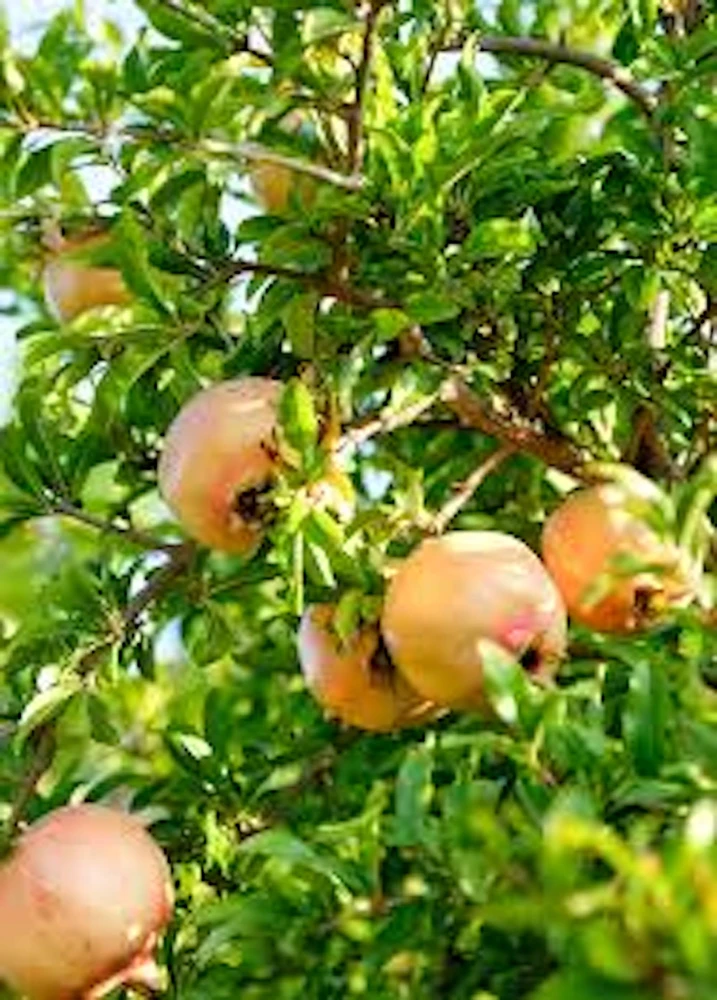
3 Azadi Pomegranate Live Plant – Rare Soft-Seeded Fruit Tree for USDA Zones 8-11
Original price was: 91.99 $.66.99 $Current price is: 66.99 $.
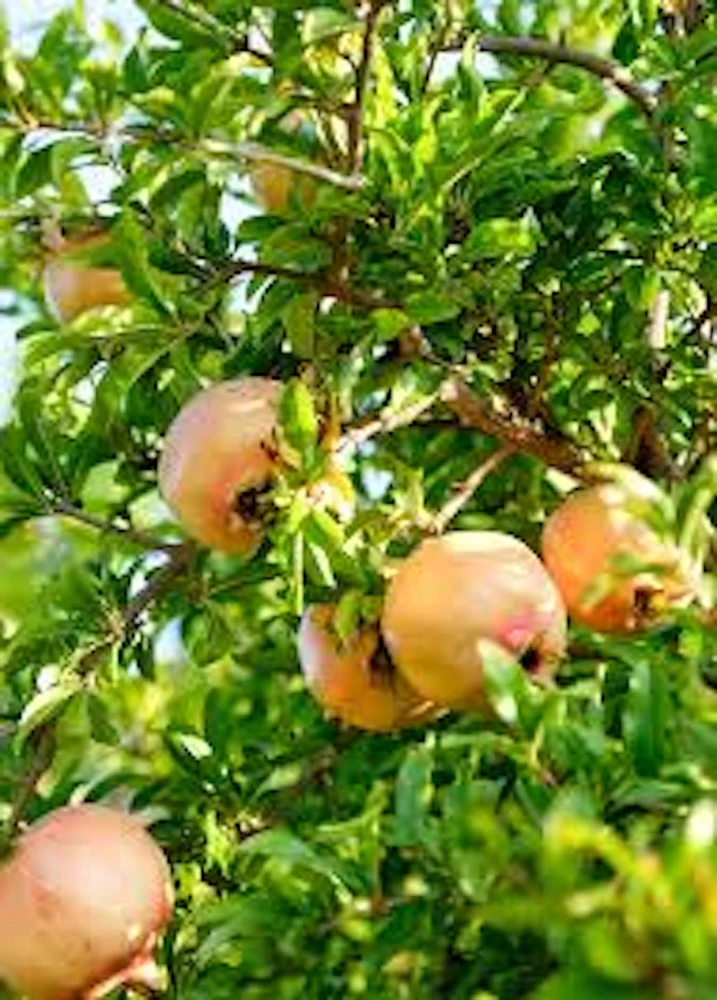
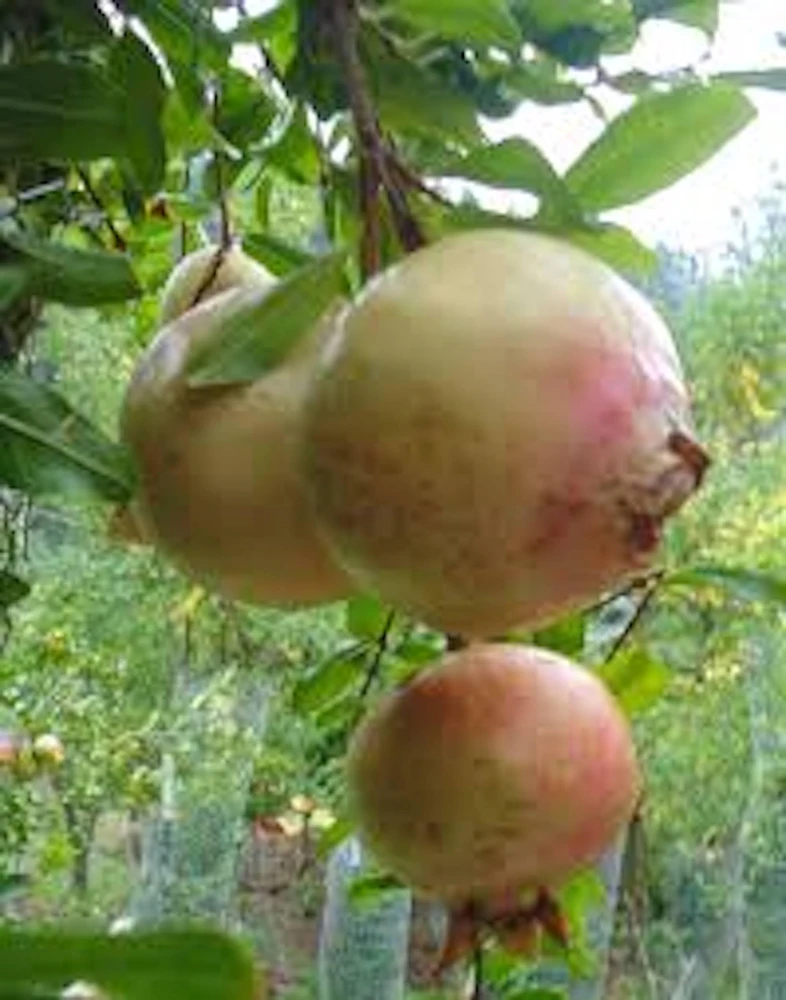
Cultivate your own delicious fruit with the Azadi Pomegranate live plant. This rare, soft-seeded variety is known for its beautiful pale pink fruit and attractive foliage, thriving in USDA zones 8-11. A productive and drought-tolerant choice for home orchards and container gardening.
Estimated arrival
Oct 17
Oct 22 - Oct 24
Oct 24 - Oct 29
See our Shipping Policy.
Get in touch with us via email, and our team will review your concerns.
Our Alive & Thrive Guarantee covers issues with your plants within the first 30 days. Read our Refund & Returns Policy.
-
USDA Hardiness Zone
USDA zones 8-11 -
Soil Type
Well-draining soil -
Sunlight Exposure
Full sun -
Expected Planting Period
Spring to early summer
Overview
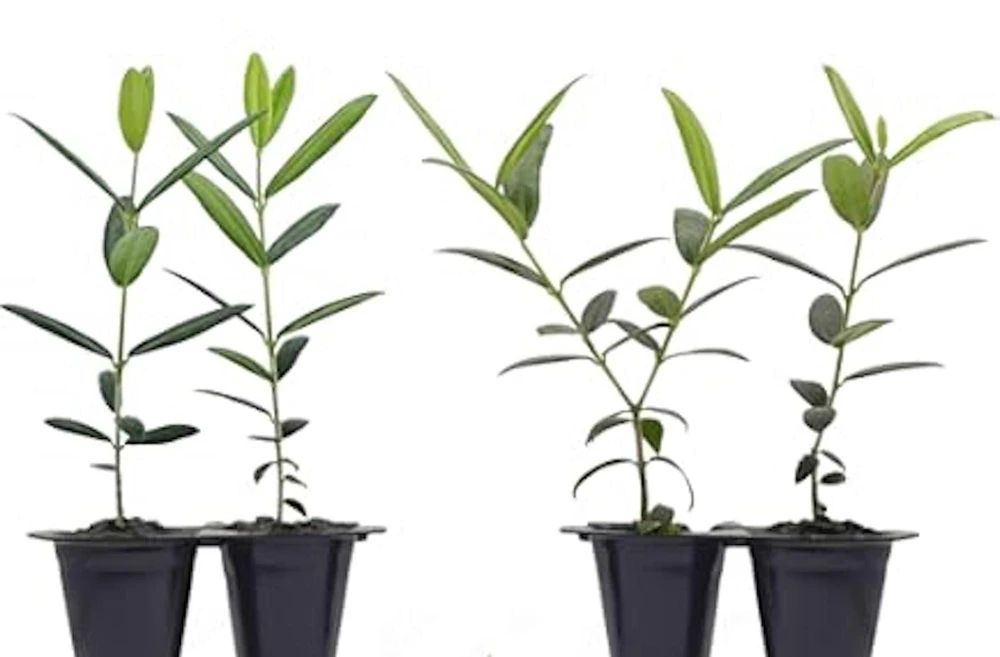
Introduce a unique and rewarding addition to your garden with the Azadi Pomegranate live plant. This exceptional variety, scientifically known as Punica granatum ‘Azadi’, is highly prized for its rare soft-seeded fruit, offering a delightful culinary experience without the hard seeds typically found in pomegranates. Each order includes 3 starter plants, providing an excellent foundation for establishing your own productive orchard or enhancing your landscape. The Azadi Pomegranate live plant is a vigorous grower, known for its resilience and adaptability, making it a fantastic choice for both experienced gardeners and those new to growing fruit trees. Its attractive foliage and beautiful pale pink-skinned fruits also contribute to its ornamental value, making it a truly versatile plant for various settings.
Originating from regions known for their rich agricultural heritage, the Azadi pomegranate has been cultivated for its superior fruit quality and robust growth. This drought-tolerant fruit tree is particularly well-suited for warmer climates, flourishing in USDA zones 8-11, but its adaptability allows it to perform admirably in temperate regions as well. Whether you’re looking to establish a home orchard, add an exotic touch to your patio, or simply enjoy fresh, homegrown pomegranates, the Azadi variety promises bountiful harvests and aesthetic appeal. These starter plants are ready to be nurtured into mature, fruit-bearing specimens.
Key Benefits
Growing the Azadi Pomegranate live plant offers a multitude of benefits, from its unique fruit characteristics to its ease of care and ornamental value. This plant is a true gem for any garden or edible landscape.
- Soft-Seeded Fruit: Enjoy the rare pleasure of pomegranates without the hassle of hard seeds. The Azadi Pomegranate live plant produces fruit with tender, edible seeds, making it perfect for fresh eating, juicing, and culinary uses. This feature significantly enhances the enjoyment of this nutritious fruit.
- Productive & Drought-Tolerant: This variety is known for its high yield of fruit and remarkable ability to withstand periods of drought. Once established, it requires less water than many other fruit trees, making it an eco-friendly and low-maintenance option for sustainable gardening.
- Adaptable to Various Climates: Thriving in USDA zones 8-11, the Azadi pomegranate demonstrates impressive adaptability to both warm and temperate climates. This broad range makes it accessible to a wider array of gardeners across different regions, ensuring successful growth and fruiting.
- Beautiful Ornamental Value: Beyond its delicious fruit, the Azadi Pomegranate live plant boasts attractive foliage and striking pale pink-skinned fruits that add significant visual interest to any landscape. It’s an excellent choice for ornamental planting, container gardening, or as a focal point in a home orchard.
- Versatile for Home Orchards & Containers: Its moderate size and adaptable nature make it suitable for various planting scenarios. Whether you have ample space for a dedicated home orchard or a smaller area for container gardening on a patio or balcony, this plant will flourish.
- Healthy & Nutritious Fruit: Pomegranates are renowned for their health benefits, packed with antioxidants and vitamins. Growing your own Azadi Pomegranate live plant ensures a fresh supply of these nutritious fruits, contributing to a healthy lifestyle.
- Easy to Grow: While offering exotic appeal, the Azadi pomegranate is surprisingly straightforward to care for, especially for those looking to grow Azadi Pomegranate. Its robust nature and resistance to common pests and diseases contribute to a more enjoyable gardening experience.
Plant Care & Growing Tips
Caring for your Azadi Pomegranate live plant is relatively simple, given its hardy and adaptable nature. To ensure optimal growth and a bountiful harvest, understanding its basic needs is crucial. These plants prefer a location that receives full sun, meaning at least 6-8 hours of direct sunlight per day. Adequate sunlight is essential for fruit development and overall plant vigor. While they can tolerate some partial shade, fruit production may be reduced. When it comes to soil, the Azadi pomegranate is not overly particular but thrives in well-draining soil. A slightly acidic to neutral pH (6.0-7.0) is ideal. Amending heavy clay soils with organic matter can improve drainage, while sandy soils may benefit from compost to retain moisture and nutrients.
Watering should be consistent, especially during the plant’s establishment phase and during dry spells. While mature plants are quite drought-tolerant, regular watering, particularly when fruits are developing, will lead to larger and juicier pomegranates. Avoid overwatering, as this can lead to root rot; allow the top few inches of soil to dry out between waterings. Fertilize your Azadi Pomegranate live plant in early spring with a balanced slow-release fertilizer or an organic fruit tree fertilizer. Follow the product instructions for application rates. Pruning is best done in late winter or early spring before new growth begins. Remove any dead, damaged, or crossing branches to improve air circulation and sunlight penetration, which promotes better fruit production. This also helps in shaping the tree and maintaining a manageable size, especially if you want to grow Azadi Pomegranate in a container.
The Azadi pomegranate is hardy in USDA zones 8-11, meaning it can tolerate winter temperatures down to approximately 10-15°F (-12 to -9°C). In the colder parts of its range, some winter protection might be beneficial for young plants, such as mulching around the base or covering during severe freezes. Pomegranates are generally resistant to most pests and diseases, but keep an eye out for common garden issues like aphids or scale. Addressing these promptly with appropriate organic or chemical treatments will keep your Azadi Pomegranate tree care routine effective and your plant healthy. Growing this variety is a rewarding experience that yields delicious fruit with minimal fuss.
Size & Details
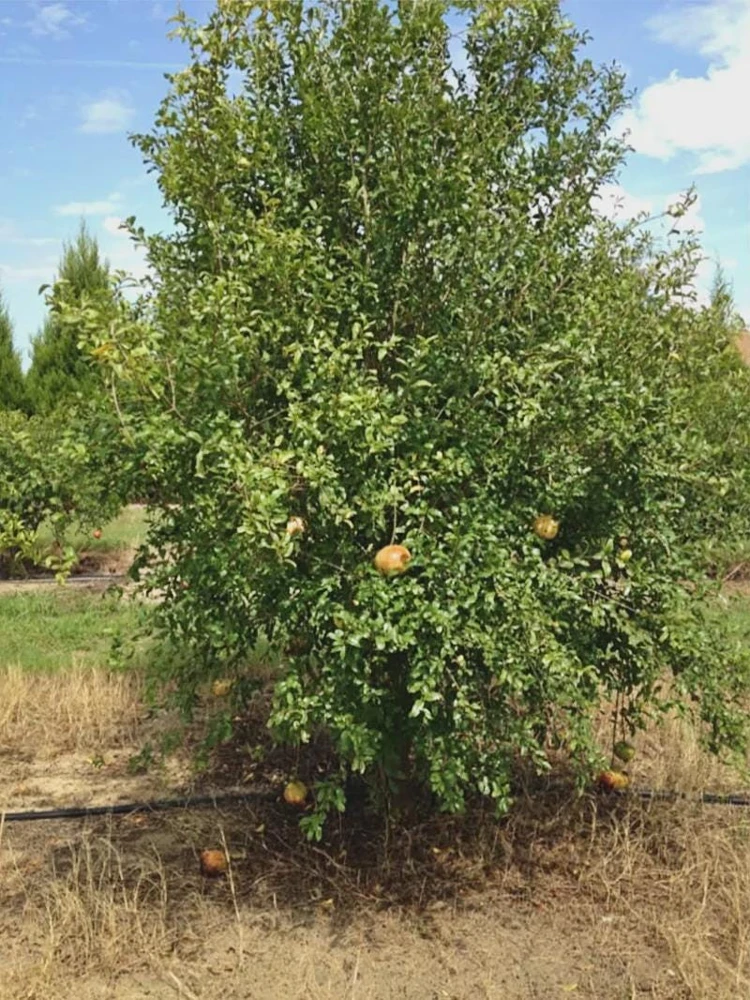
These Azadi Pomegranate live plant starter plants are typically shipped as bare root specimens, meaning they will arrive without soil or a pot, ready for immediate planting upon arrival. This method ensures healthier root development and reduces shipping stress. The specific height of the starter plants can vary but they are generally young, vigorous saplings, perfect for establishing in your garden or a larger container. When mature, the Azadi pomegranate can grow into a large shrub or small tree, typically reaching heights of 10-15 feet with a similar spread, though it can be kept smaller with regular pruning, especially if grown in a container.
The growth rate of the Azadi Pomegranate live plant is moderate, with significant growth observed in its first few years. Expect to see fruit production begin within 2-3 years of planting, with increasing yields as the plant matures. The fruit itself is characterized by its beautiful pale pink skin and soft seeds, making it a highly desirable variety. These plants are well-suited for a variety of garden designs, from edible landscapes to ornamental features, and are particularly effective for those seeking a productive and attractive drought-tolerant fruit tree. Ensure proper spacing if planting multiple trees to allow for adequate air circulation and sunlight exposure.
Frequently Asked Questions
- Q: How big does this plant get? A: The Azadi Pomegranate live plant typically grows into a large shrub or small tree, reaching 10-15 feet tall and wide at maturity. Its size can be managed with pruning, especially when grown in containers.
- Q: Is this an indoor or outdoor plant? A: The Azadi Pomegranate is primarily an outdoor plant, thriving in full sun in USDA zones 8-11. It can be grown in containers and brought indoors during winter in colder climates, but it requires significant light.
- Q: How much sunlight does it need? A: This plant requires at least 6-8 hours of direct sunlight per day to produce the best fruit. Full sun exposure is crucial for the optimal health and productivity of your Azadi Pomegranate live plant.
- Q: Is this plant easy to care for? A: Yes, the Azadi Pomegranate is considered relatively easy to care for. It’s a robust and drought-tolerant fruit tree once established, making it suitable for gardeners of various skill levels.
- Q: What condition will it arrive in? A: Your Azadi Pomegranate plants will typically arrive as bare root starter plants, meaning they are dormant and without soil or a pot, ready for planting. This is a common and healthy way to ship deciduous plants.
- Q: How long until it produces fruit? A: You can generally expect your Azadi Pomegranate live plant to begin producing fruit within 2-3 years after planting, with yields increasing as the plant matures.
- Q: What’s the best way to grow Azadi Pomegranate in a container? A: Choose a large container (at least 15-20 gallons) with good drainage. Use a high-quality potting mix and ensure it gets full sun. Regular watering and feeding will be important for container-grown plants.
- Q: Will it survive winter in my zone? A: The Azadi Pomegranate is hardy in USDA zones 8-11. If you are in a colder zone, you will need to provide winter protection or grow it in a container and bring it indoors during the cold months.
- Q: What makes the Azadi Pomegranate special? A: The Azadi variety is highly sought after for its rare soft-seeded fruit, which eliminates the crunchy texture often associated with pomegranates, providing a more enjoyable eating experience. It’s also a very productive and beautiful plant.
- Q: What kind of soil does it prefer? A: It thrives in well-draining soil with a slightly acidic to neutral pH (6.0-7.0). Good drainage is key to preventing root issues for your Punica Granatum Azadi.
Be the first to review “3 Azadi Pomegranate Live Plant – Rare Soft-Seeded Fruit Tree for USDA Zones 8-11”
Related products


You May Like

Hardneck vs. Softneck Garlic: Which Should You Grow?
Have you ever stood in front of a seed catalog in mid-September, staring at dozens [...]
Oct

When to Plant Music Garlic: Ultimate US Fall Guide
Have you ever spent your fall weekend placing carefully chosen garlic cloves into rich, dark [...]
1 Comment
Oct

5 Best Bulbs for Fall Planting: Brighten Your Garden This Spring
Are you dreaming of a garden full of vibrant colors in the spring? The key [...]
Aug

10 Houseplants That Will Thrive in Your Kitchen
Are you tired of your kitchen feeling dull and lifeless? Want to add a little [...]
1 Comment
Aug
Reviews
There are no reviews yet.