
5 Crested Wild Iris Bulbs – Blue Spring Flowering Woodland Perennial Roots
Original price was: 27.98 $.19.99 $Current price is: 19.99 $.
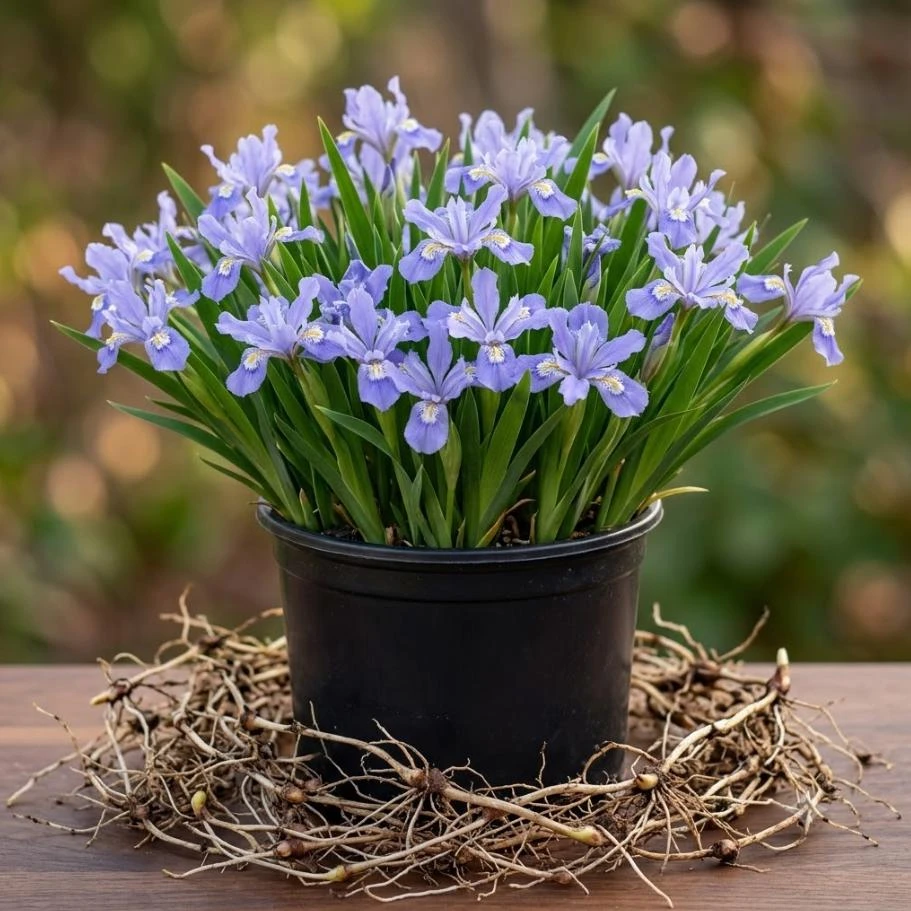
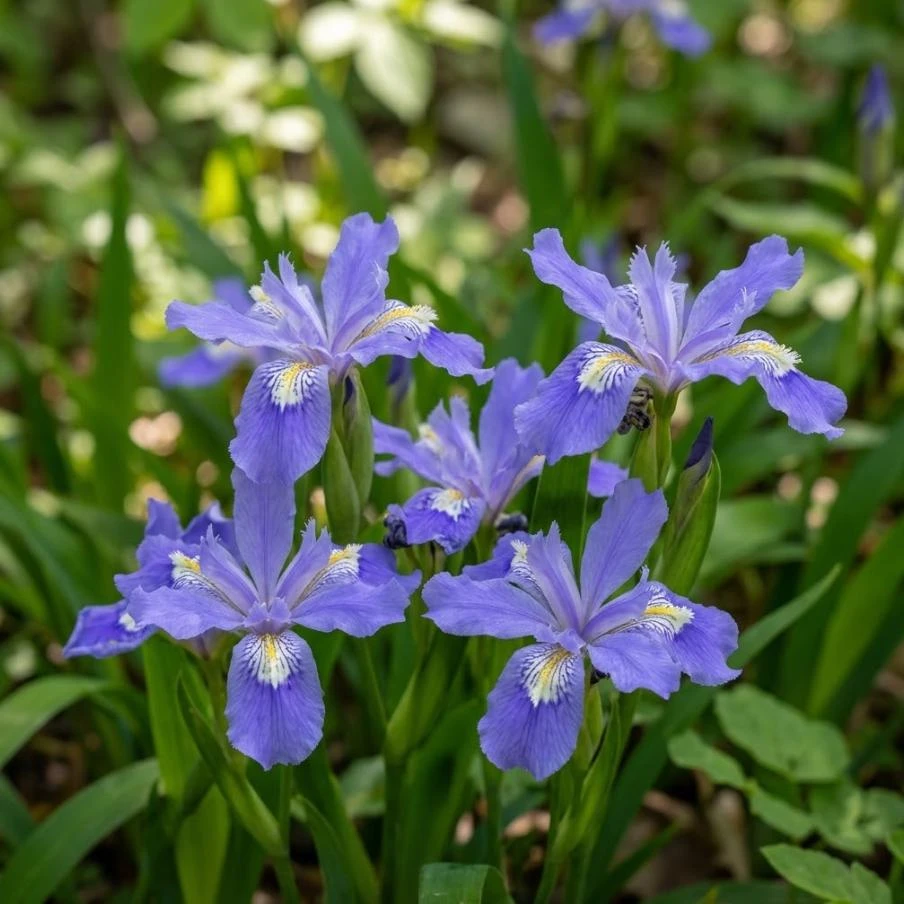
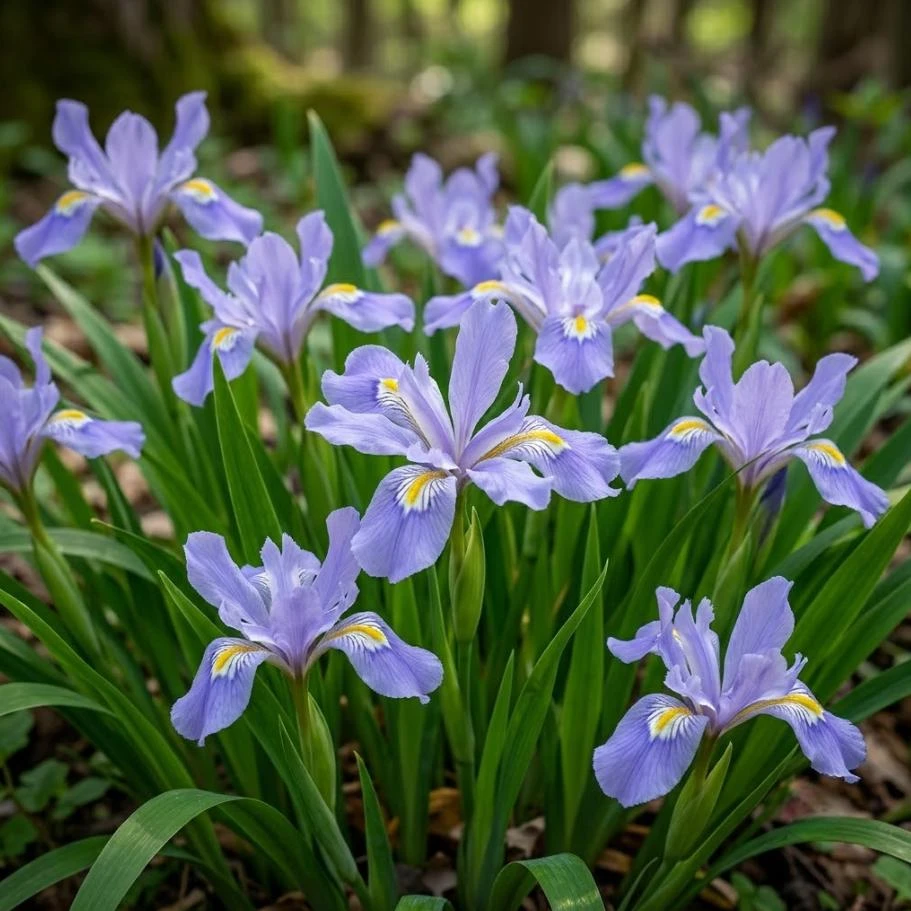
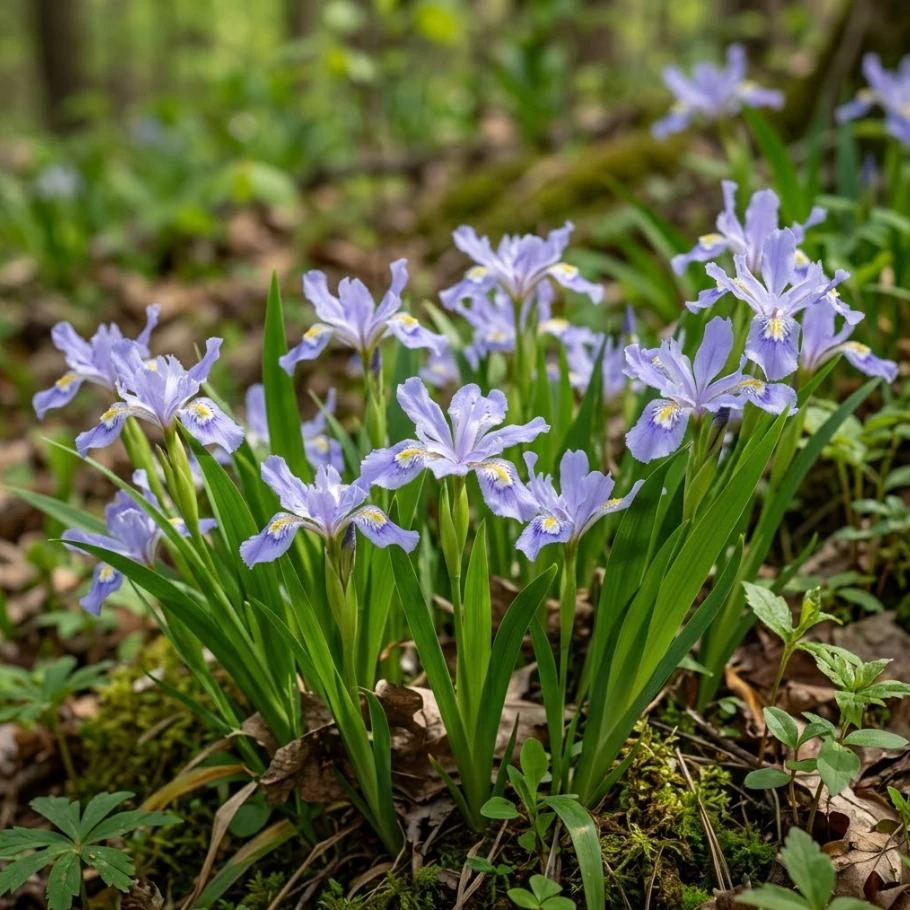
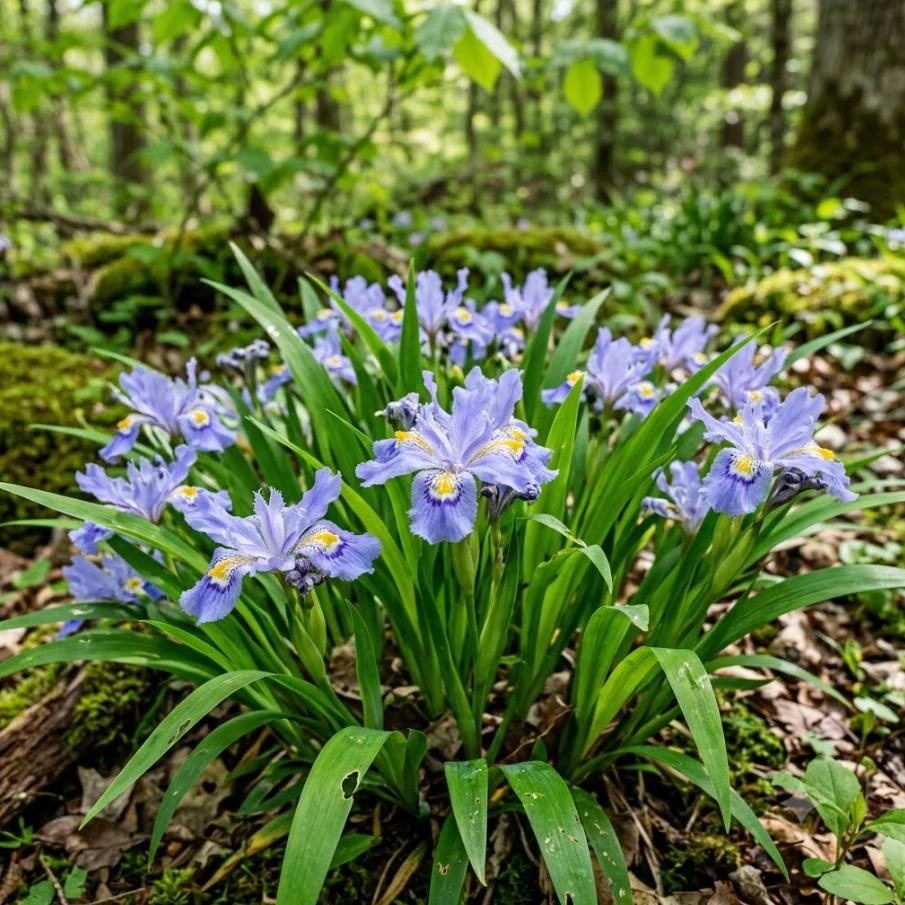
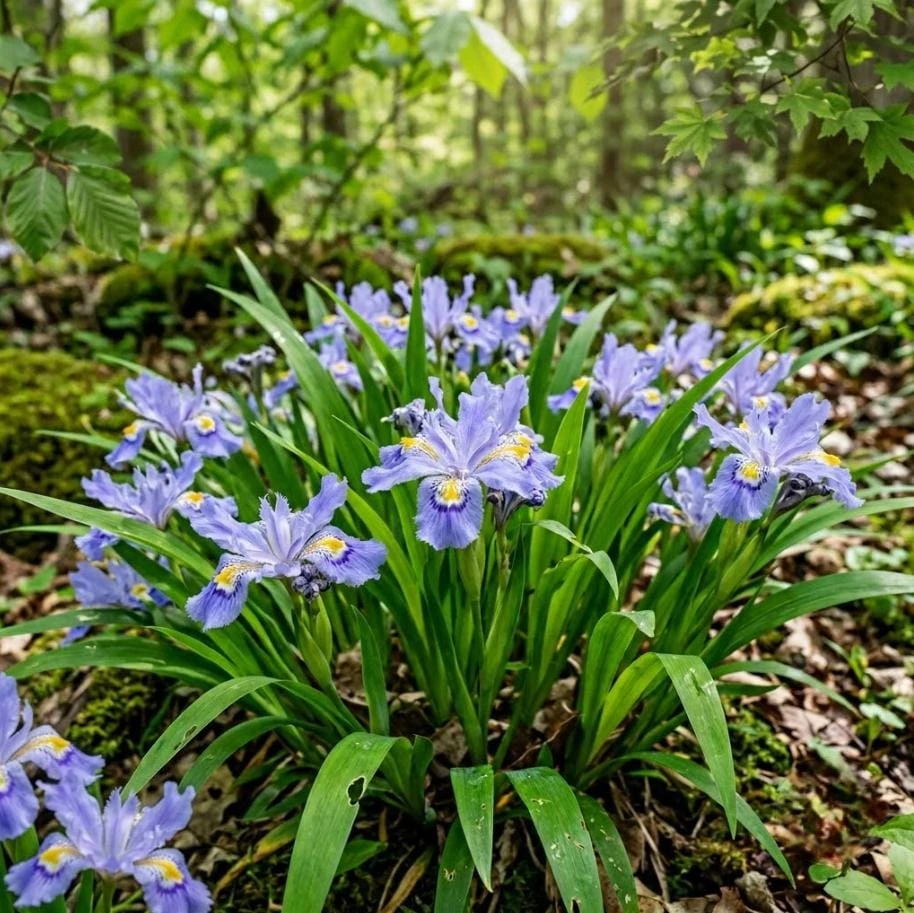
Receive 5 Crested Wild Iris bulbs (Iris cristata) ready for planting. These charming native woodland perennials feature delicate blue to lavender-blue flowers in spring, perfect for shaded borders, rock gardens, and naturalized landscapes. Enjoy elegant color and natural beauty returning year after year with this easy-to-grow perennial.
Estimated arrival
Oct 16
Oct 21 - Oct 23
Oct 23 - Oct 28
See our Shipping Policy.
Get in touch with us via email, and our team will review your concerns.
Our Alive & Thrive Guarantee covers issues with your plants within the first 30 days. Read our Refund & Returns Policy.
-
USDA Hardiness Zone
USDA Zones 3-9 -
Soil Type
Well-draining, organically rich soil -
Sunlight Exposure
Partial to full shade -
Expected Planting Period
Fall or early spring
Overview
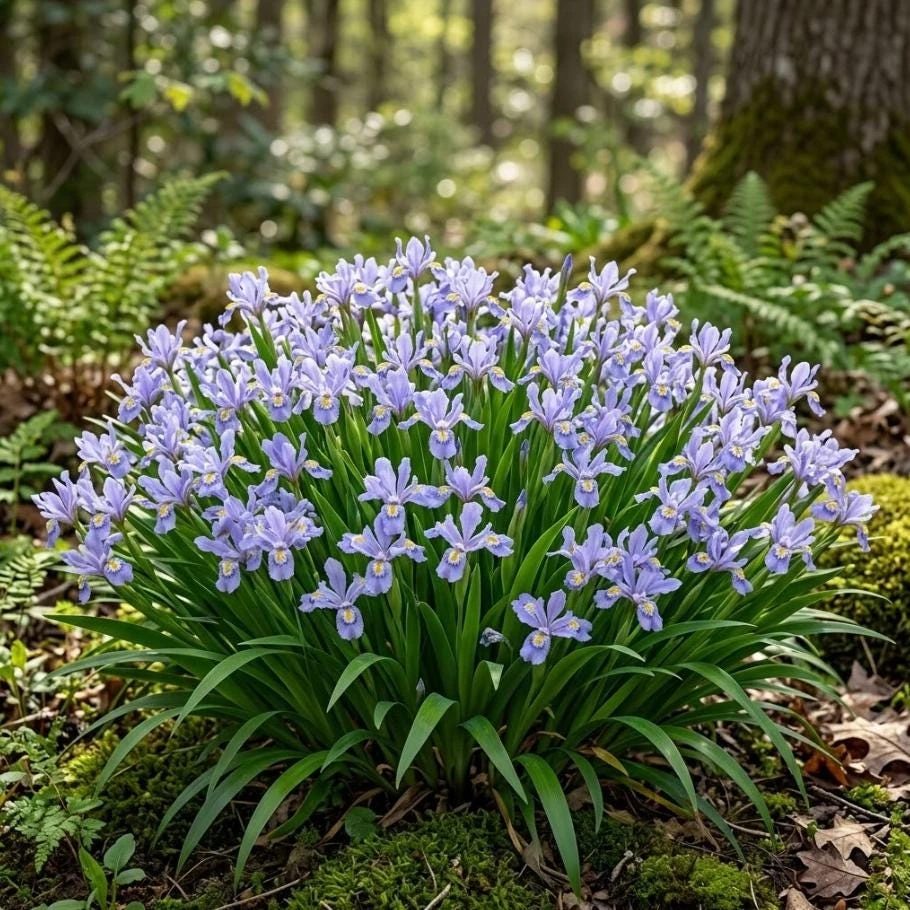
Introduce stunning natural beauty to your garden with our 5 Crested Wild Iris bulbs. These high-quality bare root rhizomes of Iris cristata, commonly known as the Crested Wild Iris, are perfect for creating an enchanting woodland aesthetic. This charming native perennial is prized for its delicate blue to lavender-blue flowers, each adorned with distinctive crested petals, adding a touch of elegance to any shaded area. Blooming in spring, the Crested Wild Iris bulbs quickly establish to form attractive, spreading clumps of sword-like green foliage, making them an excellent choice for woodland gardens, shaded borders, rock gardens, and naturalized landscapes. Hardy and easy to grow, these iris bulbs promise a return of vibrant color and serene beauty year after year, transforming your outdoor space into a tranquil haven.
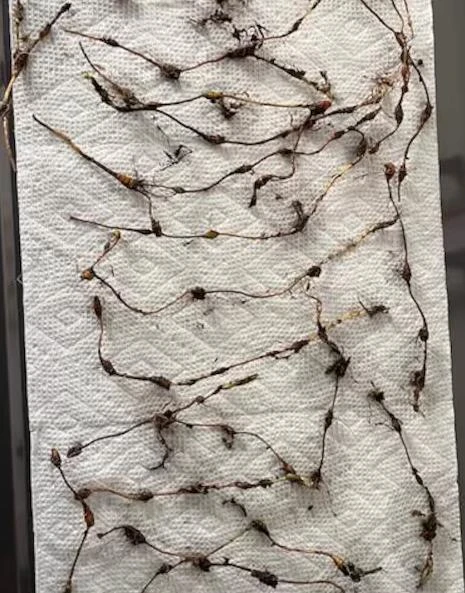
Our offering includes 5 Crested Wild Iris bulbs, ensuring you have a good start to populate your desired planting area. These are robust, healthy bare root bulbs/rhizomes, ready for immediate planting upon arrival. The Crested Wild Iris is renowned for its resilience and ability to thrive in conditions that many other flowering plants find challenging, making it a valuable addition for gardeners seeking low-maintenance yet visually striking options. Embrace the charm of this spring-flowering perennial and watch your garden come alive with its unique blooms.
Key Benefits
Planting Crested Wild Iris bulbs offers numerous advantages for both novice and experienced gardeners, enhancing garden aesthetics and biodiversity. The blue iris perennial is not only beautiful but also incredibly resilient.
- Stunning Spring Blooms: Enjoy a breathtaking display of delicate blue to lavender-blue flowers each spring. The unique crested petals add an exotic touch, making them a focal point in any garden setting.
- Ideal for Shaded Areas: Unlike many sun-loving perennials, the Crested Wild Iris bulbs thrive in partial to full shade, making them perfect for illuminating dimmer parts of your garden, such as under trees or along north-facing walls.
- Low Maintenance & Hardy: Once established, these wild iris roots require minimal care. They are drought-tolerant and resistant to many pests and diseases, ensuring beautiful blooms with little effort. Their hardiness means they return reliably each year.
- Naturalizes Beautifully: These iris bulbs spread gently over time, forming attractive clumps and naturalizing beautifully in woodland settings, groundcovers, or rock gardens, creating a lush, carpet-like effect.
- Attracts Pollinators: The vibrant spring flowers are a magnet for early pollinators, including bees and butterflies, contributing to the health and vitality of your local ecosystem.
- Versatile Landscape Use: Excellent for woodland gardens, shaded borders, rock gardens, naturalized areas, and even as an attractive groundcover. Their low-growing habit makes them adaptable to various design schemes.
- Erosion Control: In naturalized settings, the spreading root system of the Iris cristata planting can help stabilize soil on slopes and prevent erosion, particularly in shaded, moist areas.
Plant Care & Growing Tips
Caring for your Crested Wild Iris bulbs is relatively straightforward, making them an excellent choice for gardeners of all skill levels. To ensure vigorous growth and abundant blooms, understanding their specific needs is key. These plants are native to woodland environments, which provides clues to their preferred growing conditions. For optimal Iris cristata planting success, select a location that mimics their natural habitat.
Sunlight:Crested Wild Iris bulbs prefer partial to full shade. While they can tolerate some morning sun, protection from intense afternoon sun is crucial, especially in warmer climates, as too much direct sun can scorch their delicate foliage and flowers. Aim for an area that receives dappled sunlight throughout the day or full shade. Woodland iris care often involves finding just the right balance of light.
Soil: These iris thrive in well-draining, organically rich soil. A slightly acidic to neutral pH (6.0-7.0) is ideal. Amend heavy clay soils with compost or other organic matter to improve drainage and aeration. For sandy soils, adding organic material will help retain moisture and nutrients. Good drainage is paramount to prevent rhizome rot. The spring flowering iris prefers consistent moisture but not soggy conditions.
Watering: Keep the soil consistently moist, especially during dry periods and while the plants are establishing. Once established, they are somewhat drought-tolerant but will perform best with regular watering during prolonged dry spells. Avoid overhead watering to minimize the risk of fungal diseases. Mulching around the plants can help retain soil moisture and regulate soil temperature.
Temperature & Hardiness:Crested Wild Iris bulbs are hardy perennials, typically thriving in USDA Zones 3-9. They are tolerant of cold winters and hot summers within this range, provided their moisture and shade requirements are met. No special winter protection is usually needed in their hardiness zones.
Fertilization: A light application of a balanced, slow-release granular fertilizer in early spring, just as new growth emerges, is usually sufficient. Alternatively, top-dress with compost annually. Avoid over-fertilizing, which can lead to lush foliage but fewer flowers. This is an important aspect of proper woodland iris care.
Pests & Diseases: Crested Wild Iris is generally robust and resistant to most pests and diseases. Occasionally, slugs or snails may feed on the foliage; hand-picking or organic baits can manage these. Ensure good air circulation to prevent fungal issues, especially in humid environments. The best defense against problems is providing optimal growing conditions.
Size & Details
This offering includes 5 healthy Crested Wild Iris bare root bulbs/rhizomes, ready for planting. Each rhizome is carefully selected to ensure viability and robust growth. The size and appearance of the bare root bulbs may vary slightly depending on the season and growing stage, but all are mature enough to establish successfully. Once planted, these low-growing perennials typically reach a mature height of 6-10 inches (15-25 cm) with a spread of 8-12 inches (20-30 cm) per clump, gradually forming an attractive groundcover. Expect the first charming blue blooms in the spring following establishment, with the plant returning and expanding its presence year after year.
The Crested Wild Iris bulbs are ideal for naturalizing, slowly spreading to fill out garden spaces without becoming invasive. They are shipped as bare roots to minimize transplant shock and encourage quick establishment in your garden. With proper Iris cristata planting, you can anticipate a delightful display of delicate flowers and lush foliage that enhances the beauty of your shaded landscapes for many seasons to come.
Frequently Asked Questions
- Q: How big does the Crested Wild Iris get? A: The Crested Wild Iris bulbs typically grow to a height of 6-10 inches (15-25 cm) and spread about 8-12 inches (20-30 cm) wide, forming attractive clumps. They are a low-growing perennial perfect for groundcover or front borders.
- Q: Is this an indoor or outdoor plant? A: The Crested Wild Iris bulbs are an outdoor perennial plant, best suited for woodland gardens, shaded borders, and naturalized landscapes. They are not typically grown as houseplants.
- Q: How much sunlight does the Crested Wild Iris need? A: These plants prefer partial to full shade. They can tolerate some morning sun but should be protected from intense afternoon sun to prevent leaf scorching. This is crucial for optimal woodland iris care.
- Q: What condition will the bulbs arrive in? A: You will receive 5 healthy Crested Wild Iris bare root bulbs/rhizomes. They will be ready for immediate planting, though their size and appearance may vary slightly depending on the season.
- Q: When is the best time to plant Crested Wild Iris bulbs? A: The best time for Iris cristata planting is in the fall or early spring, allowing the roots to establish before the heat of summer or the chill of winter. This gives the spring flowering iris the best chance to bloom in its first season.
- Q: Is this plant easy to care for? A: Yes, Crested Wild Iris bulbs are considered easy to grow and are very low maintenance once established. They are hardy and return year after year, making them suitable for beginner gardeners.
- Q: Will it survive winter in my zone? A: Crested Wild Iris is hardy in USDA Zones 3-9. If you are within these zones, it should readily survive winter and return in spring.
- Q: What kind of soil does the Crested Wild Iris prefer? A: It thrives in well-draining, organically rich soil with a slightly acidic to neutral pH. Good drainage is essential to prevent rhizome rot.
- Q: How long until the Crested Wild Iris blooms? A: With proper Iris cristata planting, you can generally expect the first blooms in the spring following establishment. The plant will continue to bloom annually each spring.
- Q: Can the blue iris perennial be used for erosion control? A: Yes, due to its spreading nature and robust root system, the blue iris perennial can be an excellent choice for erosion control on slopes, especially in shaded, naturalized areas.
Be the first to review “5 Crested Wild Iris Bulbs – Blue Spring Flowering Woodland Perennial Roots”
Related products


Flower Bulbs
Set of 5 Shooting Star Bulbs – Dodecatheon meadia – Native Wildflower for Shade Gardens

Flower Bulbs
Lily of the Valley Bare Roots – 5 Pack – Fragrant White Perennial Flower for Shade Garden

Flower Bulbs


You May Like

Hardneck vs. Softneck Garlic: Which Should You Grow?
Have you ever stood in front of a seed catalog in mid-September, staring at dozens [...]
Oct

When to Plant Music Garlic: Ultimate US Fall Guide
Have you ever spent your fall weekend placing carefully chosen garlic cloves into rich, dark [...]
1 Comment
Oct

5 Best Bulbs for Fall Planting: Brighten Your Garden This Spring
Are you dreaming of a garden full of vibrant colors in the spring? The key [...]
Aug

10 Houseplants That Will Thrive in Your Kitchen
Are you tired of your kitchen feeling dull and lifeless? Want to add a little [...]
1 Comment
Aug
Reviews
There are no reviews yet.