
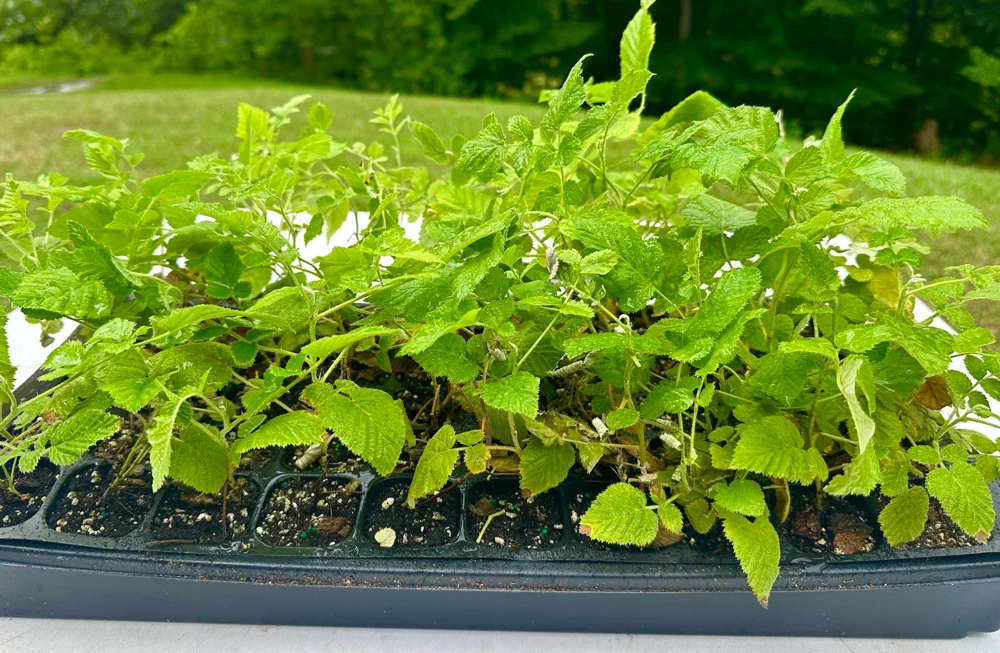
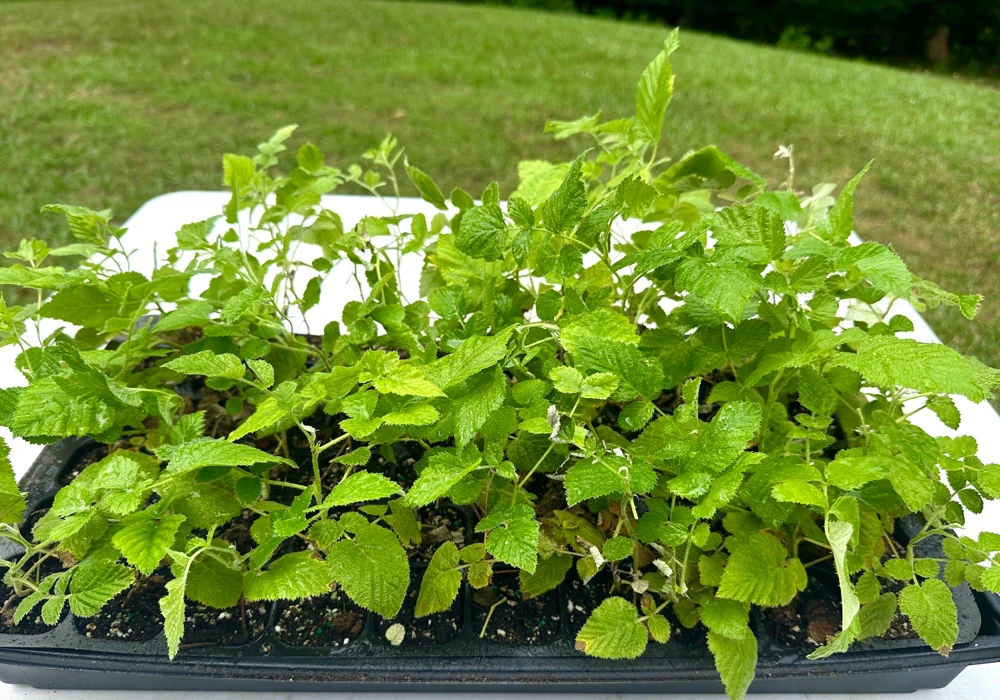
5 Mysore Black Raspberry Plant – Tropical Fruiting Bush, Bare Root Starter, 8-12in
Original price was: 113.99 $.88.99 $Current price is: 88.99 $.
Cultivate your own delicious Mysore black raspberry plant with this set of 5 bare root starters. These 8-12 inch plants thrive in warm, sunny conditions, producing abundant, sweet fruit. Perfect for creating a productive tropical garden.
Estimated arrival
Oct 17
Oct 22 - Oct 24
Oct 24 - Oct 29
See our Shipping Policy.
Get in touch with us via email, and our team will review your concerns.
Our Alive & Thrive Guarantee covers issues with your plants within the first 30 days. Read our Refund & Returns Policy.
-
USDA Hardiness Zone
USDA zones 9-11 -
Soil Type
Well-draining soil -
Sunlight Exposure
Full sun -
Expected Planting Period
Late winter to early spring
Overview
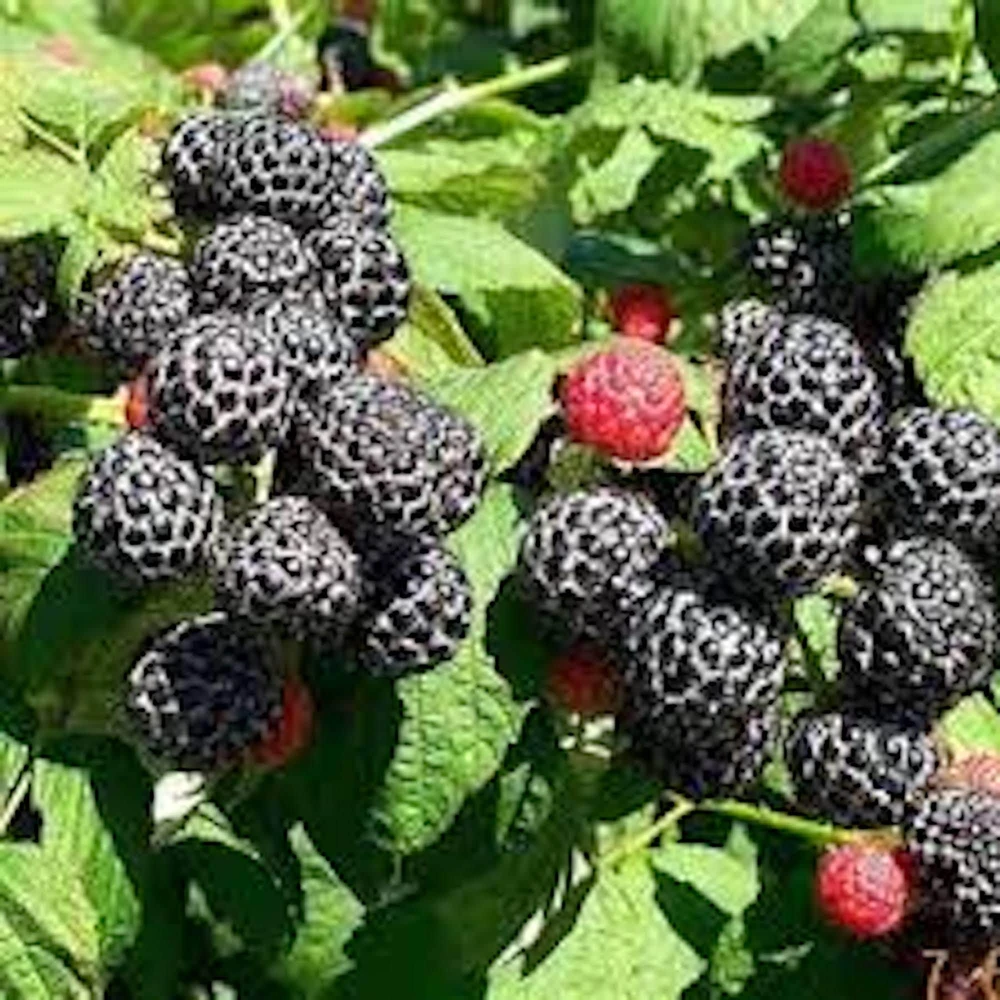
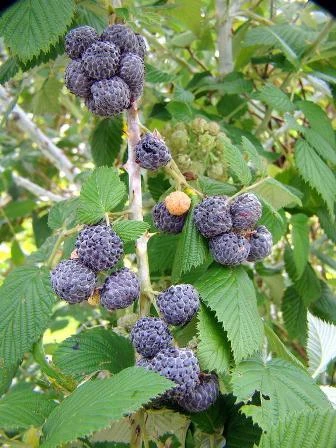
Introducing the Mysore black raspberry plant (Rubus niveus), a vigorous and rewarding addition to any garden seeking a taste of the tropics. This offering includes 5 bare root starter plants, each measuring approximately 8-12 inches in height, ready to establish quickly in your landscape. Known for its delectable, dark purple-black fruit, the Mysore black raspberry plant is a favorite among gardeners in warmer climates. Originating from Southeast Asia, this tropical fruiting bush brings an exotic flair and a bountiful harvest of sweet, juicy berries. It’s an excellent choice for those looking to expand their edible garden with a unique and resilient species.
The Mysore raspberry is a large perennial shrub that can grow up to 4.5 meters (approximately 15 feet) in height, forming dense thickets of intertwining stems. Its arching stems, which may be downy when young, mature into a glabrous and glaucous appearance, covered with sharp, hooked thorns. Despite its robust growth, it’s remarkably easy to grow, making it suitable for both experienced gardeners and those new to cultivating tropical fruits. Each order comes with clear growing instructions to ensure a successful start for your Mysore black raspberry plant. Enjoy the satisfaction of harvesting your own fresh, sweet raspberries right from your backyard.
Key Benefits
The Mysore black raspberry plant offers a multitude of benefits, making it a highly desirable choice for gardeners. From its delicious fruit to its ease of care, this plant provides both aesthetic and practical advantages.
- Abundant, Sweet Fruit: Enjoy a prolific harvest of sweet, palatable black raspberries. These berries are perfect for fresh eating, jams, jellies, desserts, or smoothies, offering a unique flavor profile.
- Tropical Garden Accent: With its vigorous growth and attractive foliage, this tropical raspberry plant adds a lush, exotic touch to your garden landscape, creating visual interest.
- Easy to Grow: Known for its resilience and adaptability, the Mysore black raspberry is a low-maintenance plant that thrives with minimal fuss once established, making it ideal for busy gardeners.
- Fast Growing: These bare root starters establish quickly and grow rapidly, allowing you to enjoy fruit sooner than many other berry varieties.
- Wildlife Attraction: The sweet fruits are a favorite treat for birds, rodents, and other wildlife, contributing to the biodiversity of your garden ecosystem.
- Thicket Formation: Can form dense, impenetrable thickets, which can serve as a natural barrier or privacy screen in larger landscapes.
- Adaptable to Warm Climates: Unlike many temperate raspberries, the Mysore variety thrives in full sun and warm weather, making it perfect for USDA zones where other raspberries struggle.
Plant Care & Growing Tips
Caring for your Mysore black raspberry plant is relatively straightforward, especially when provided with the right conditions. These plants love sunlight and warm weather, making them ideal for full sun exposure in tropical and subtropical regions. Ensure they receive at least 6-8 hours of direct sunlight daily for optimal fruit production. While they are tolerant of various soil types, a well-draining soil is crucial to prevent root rot. Amending heavy clay soils with organic matter can improve drainage and aeration, fostering healthy root development. The plants are shipped as fruiting bush bare root starters, meaning they arrive without soil or a pot, ready for immediate planting upon arrival.
Watering should be consistent, especially during dry spells and when the plants are establishing. Aim for deep watering sessions to encourage a strong root system, but allow the top inch or two of soil to dry out between waterings. Mysore raspberries are generally drought-tolerant once mature, but regular moisture will yield better fruit. Fertilize annually in early spring with a balanced slow-release fertilizer or organic compost to support vigorous growth and fruit development. Pruning is important to manage growth and encourage fruiting; remove old, unproductive canes after harvest to make way for new growth. This helps maintain plant health and productivity for your Rubus niveus plant.
This species is known to be quite hardy in warmer zones. For optimal growth and fruiting, a USDA hardiness zone of 9-11 is recommended. While generally robust, keep an eye out for common raspberry pests and diseases, although the Mysore variety is often more resistant than its temperate cousins. Providing good air circulation and avoiding overhead watering can help prevent fungal issues. With proper care, your Mysore black raspberry plant will provide years of delicious fruit.
Size & Details
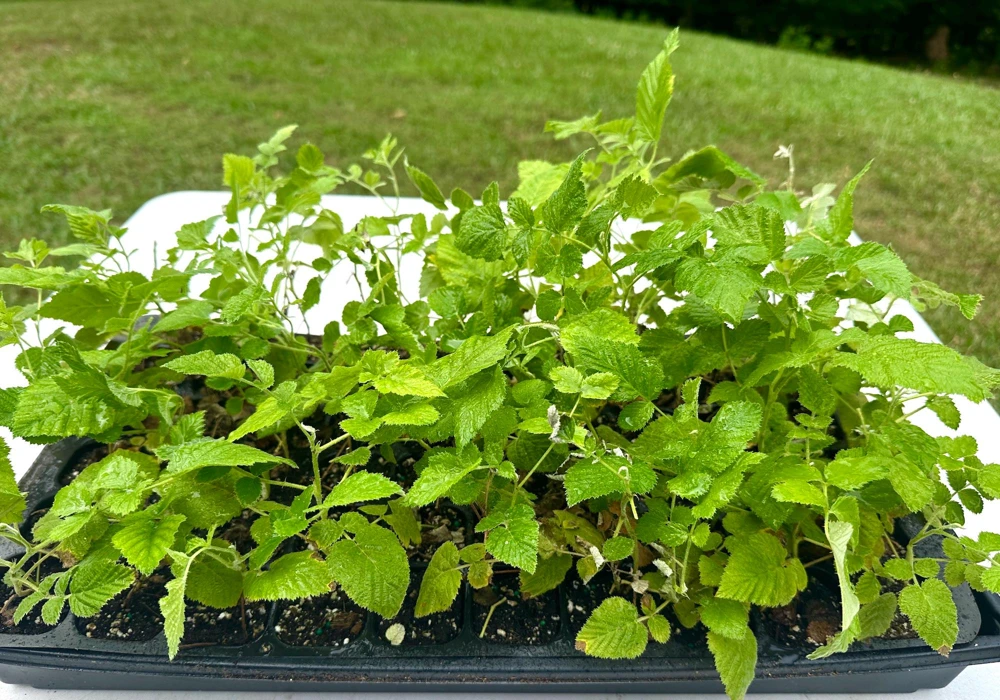
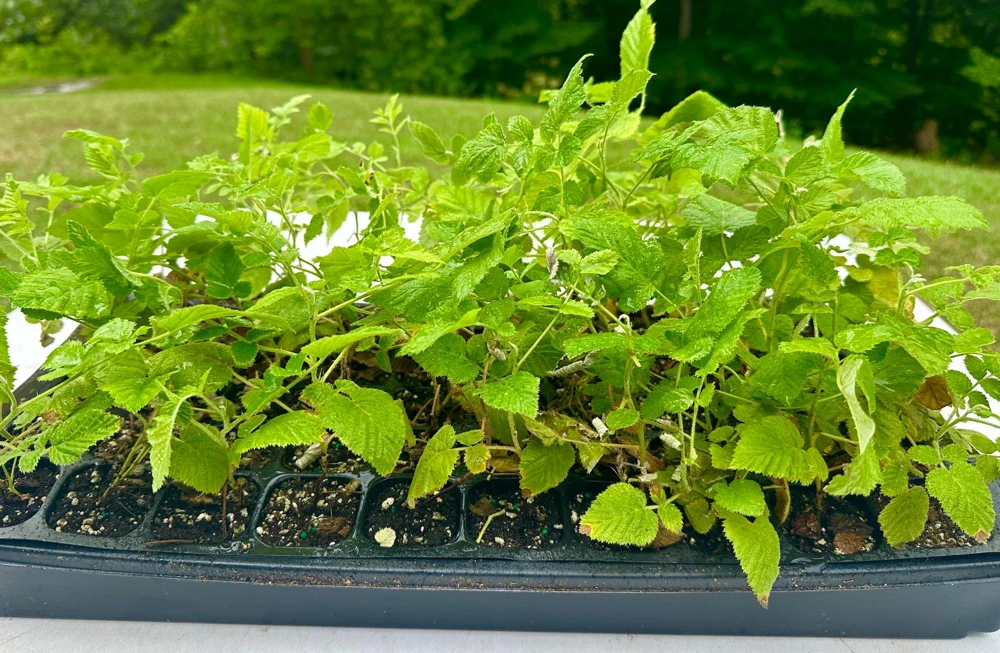
This offering includes 5 individual Mysore black raspberry plant bare root starters. Each plant measures approximately 8-12 inches in height, making them an ideal size for transplanting directly into your garden or larger containers. These bare root plants are dormant upon arrival, which is the best time for planting to minimize transplant shock and encourage vigorous new growth. The Mysore raspberry is a fast-growing shrub, capable of reaching significant sizes, up to 15 feet tall and wide, once mature. Its arching stems can spread, forming dense thickets if not managed through pruning. Expect your plants to begin producing fruit within 1-2 years of planting, with increasing yields as they mature.
The flexible, arching stems are covered with sharp, hooked thorns, typically 3-7mm long, offering a natural deterrent to pests. The plant produces small, white to pinkish flowers before the fruit develops. It thrives in full sun and warm conditions, making it a great choice for southern states and tropical climates. The robust nature of this fruiting bush bare root means it establishes well and can become a long-term producer in your edible landscape, providing a continuous supply of delicious berries through its fruiting season.
Frequently Asked Questions
- Q: How big does this Mysore black raspberry plant get? A: The Mysore black raspberry is a vigorous shrub that can grow quite large, typically reaching up to 15 feet in height and width. It can form dense, intertwining thickets if not pruned, so plan for ample space.
- Q: Is this an indoor or outdoor plant? A: The Mysore black raspberry plant is primarily an outdoor plant. It thrives in full sun and warm weather, making it suitable for outdoor gardens in USDA hardiness zones 9-11.
- Q: How much sunlight does the Rubus niveus plant need? A: This plant requires full sun exposure, meaning at least 6-8 hours of direct sunlight per day, to produce the best fruit yields and maintain vigorous growth.
- Q: Is this plant easy to care for? A: Yes, the Mysore black raspberry is considered very easy to grow. It is quite resilient and adaptable, requiring consistent watering during establishment and basic annual fertilization and pruning.
- Q: What condition will the bare root starters arrive in? A: The plants are shipped bare root, meaning they arrive without soil or a pot. They will be dormant, with healthy roots, and should be planted as soon as possible after arrival.
- Q: When is the best time to plant a tropical raspberry plant? A: The best time to plant bare root Mysore raspberries is typically in late winter or early spring, before new growth begins, allowing them to establish before the heat of summer.
- Q: What’s the minimum temperature this plant can tolerate? A: The Mysore black raspberry plant prefers warm climates and is best suited for USDA zones 9-11, meaning it can tolerate temperatures down to about 20-25°F (-6 to -3°C) but prefers warmer conditions.
- Q: How long until my fruiting bush bare root produces fruit? A: You can typically expect your Mysore black raspberry plants to begin producing fruit within 1-2 years after planting, with full production achieved in subsequent years.
- Q: Can I grow this plant in a container? A: While it prefers to be in the ground, you can grow a Mysore black raspberry in a very large container (20+ gallons) with good drainage, provided you prune it regularly to manage its size.
- Q: What kind of soil does this black raspberry care for best? A: This plant thrives in well-draining soil. It can tolerate various soil types but prefers loamy or sandy loamy soils. Good drainage is key to preventing root issues.
Be the first to review “5 Mysore Black Raspberry Plant – Tropical Fruiting Bush, Bare Root Starter, 8-12in”
Related products


You May Like

Hardneck vs. Softneck Garlic: Which Should You Grow?
Have you ever stood in front of a seed catalog in mid-September, staring at dozens [...]
Oct

When to Plant Music Garlic: Ultimate US Fall Guide
Have you ever spent your fall weekend placing carefully chosen garlic cloves into rich, dark [...]
1 Comment
Oct

5 Best Bulbs for Fall Planting: Brighten Your Garden This Spring
Are you dreaming of a garden full of vibrant colors in the spring? The key [...]
Aug

10 Houseplants That Will Thrive in Your Kitchen
Are you tired of your kitchen feeling dull and lifeless? Want to add a little [...]
1 Comment
Aug
Reviews
There are no reviews yet.