
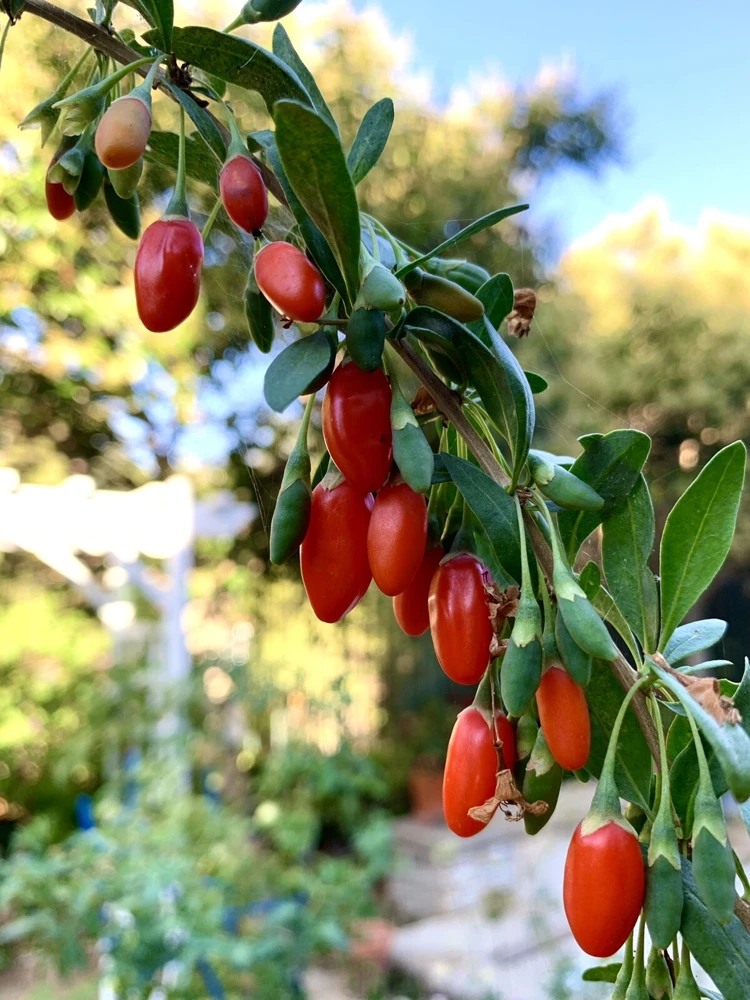
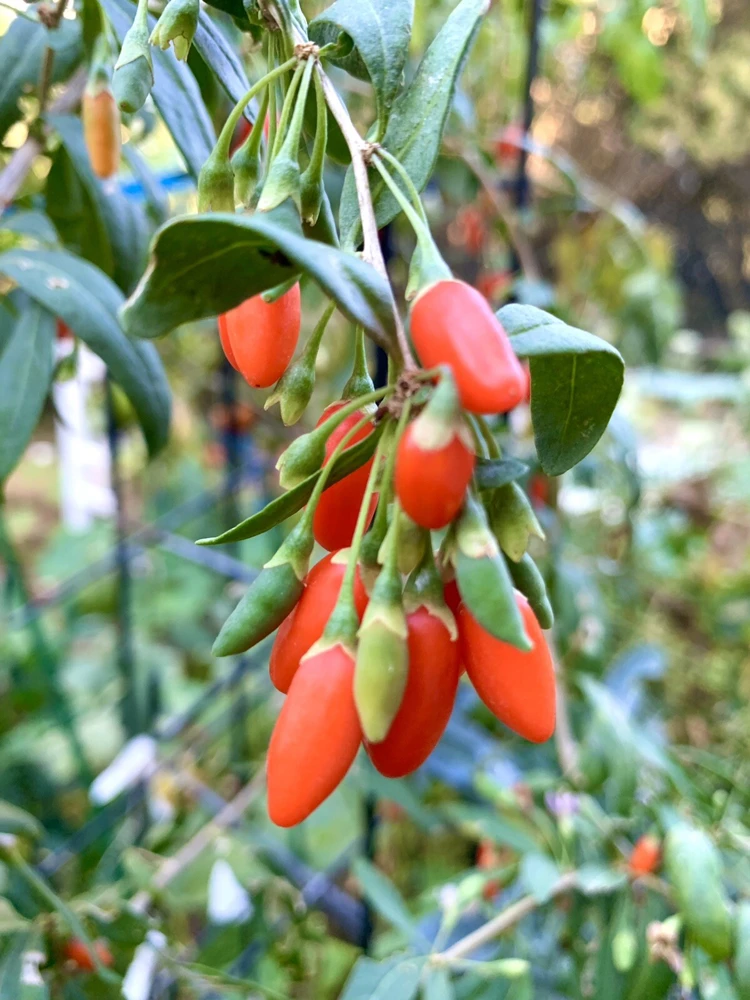
Goji Berry Live Plant – 1 Foot Lycium Barbarum – Bare Root – Outdoor
Original price was: 39.98 $.35.99 $Current price is: 35.99 $.
Cultivate your own superfood with this vibrant goji berry live plant, approximately 1 foot tall. This lycium barbarum growing specimen is perfect for outdoor gardens, offering delicious, edible berries and a beautiful addition to your landscape. Enjoy fresh, home-grown organic goji plant fruits from this hardy bush.
Estimated arrival
Oct 19
Oct 24 - Oct 26
Oct 26 - Oct 31
See our Shipping Policy.
Get in touch with us via email, and our team will review your concerns.
Our Alive & Thrive Guarantee covers issues with your plants within the first 30 days. Read our Refund & Returns Policy.
-
USDA Hardiness Zone
USDA zones 5-9 -
Soil Type
Well-draining soil -
Sunlight Exposure
Full Sun, Medium Sun -
Expected Planting Period
Spring to early summer or Fall
Overview
Introduce the power of superfoods to your garden with this robust goji berry live plant. Also known as Wolfberry or Lycium Barbarum, this approximately 1-foot tall specimen arrives as a bare root plant, ready for immediate planting and establishment in your outdoor space. Goji berries are renowned for their nutritional value, packed with antioxidants and vitamins, making them a highly sought-after addition to any health-conscious gardener’s collection. This particular plant promises to bring both ornamental beauty and a bountiful harvest of these vibrant red fruits, allowing you to enjoy fresh, organic produce right from your backyard. The goji berry live plant is a resilient and rewarding choice for gardeners looking to grow their own edible fruits.
Key Benefits
Growing your own Goji Berry plant offers numerous advantages, from fresh produce to a beautiful garden accent. This versatile plant is not only a source of delicious fruit but also contributes to the aesthetic and ecological diversity of your outdoor area. Cultivating an organic goji plant at home ensures you have control over its growing conditions, leading to healthier, more natural berries.
- Nutritional Powerhouse: Harvest your own fresh Goji Berries, packed with vitamins, minerals, and antioxidants, supporting a healthy lifestyle. Growing your own edible berry bush ensures a fresh supply.
- Hardy & Resilient: These plants are known for their adaptability and ability to thrive in various conditions, making them a suitable choice for many climates.
- Attractive Foliage & Berries: Enjoy the delicate green leaves and the striking bright red berries that add a pop of color to your garden through multiple seasons.
- Easy to Grow: With proper care, the goji berry live plant is relatively low maintenance, making it accessible for both novice and experienced gardeners.
- Versatile Use: The berries can be eaten fresh, dried, or used in smoothies, teas, and various culinary dishes.
- Pollinator Friendly: The plant’s flowers attract beneficial pollinators to your garden, contributing to a healthy ecosystem.
- Long Growing Season: Goji berries typically produce fruit from summer through fall, providing a consistent harvest for an extended period.
Plant Care & Growing Tips
To ensure your goji berry live plant thrives and produces abundant fruit, understanding its specific care requirements is crucial. These plants are generally hardy, but providing optimal conditions will maximize their growth and yield. Proper wolfberry plant care involves attention to sunlight, watering, soil, and occasional pruning.
Sunlight: Goji Berry plants flourish in Full Sun to Medium Sun, requiring at least 6-8 hours of direct sunlight daily for best fruiting. Choose a location in your garden that receives ample sun exposure throughout the day. While they can tolerate some partial shade, berry production may be reduced.
Watering: The plant prefers Heavy watering, especially during dry spells and its establishment phase. Ensure the soil remains consistently moist but not waterlogged. Once established, Goji Berry plants show good drought tolerance but will perform better with regular watering. Check the soil moisture regularly by feeling the top inch of soil; if it feels dry, it’s time to water.
Soil Type: Goji Berry plants are adaptable to a range of soil types but prefer well-draining soil with a slightly alkaline to neutral pH (6.5-8.0). Amend heavy clay soils with organic matter like compost or sand to improve drainage. Good drainage is essential to prevent root rot. This helps with successful lycium barbarum growing.
Temperature & Hardiness: Goji berries are hardy and can tolerate a wide range of temperatures. They are typically suitable for USDA zones 5-9, but can be grown in other zones with proper winter protection. They are deciduous, meaning they will lose their leaves in colder months and go dormant.
Fertilization: Fertilize your Goji Berry plant in early spring with a balanced, slow-release fertilizer or a fertilizer formulated for fruit-bearing plants. Avoid over-fertilizing, as this can lead to excessive foliage growth at the expense of fruit production. Organic compost can also be incorporated into the soil annually.
Pruning: Prune your plant in late winter or early spring while it’s dormant to encourage new growth and better fruit production. Remove any dead, diseased, or crossing branches. You can also prune to maintain a desired shape or size. Pruning is an important aspect of wolfberry plant care.
Size & Details
This offering is for one goji berry live plant, approximately 1 foot tall upon arrival. It is shipped in a bare root form, which is ideal for transplanting and encourages strong root development once planted in your garden. The plant is of the Lycium Barbarum genus, commonly known as Goji Berry or Wolfberry. When mature, these plants can grow to be a medium-sized shrub, typically reaching 6-10 feet in height and spread, depending on growing conditions and pruning. Expect your plant to begin producing fruit within 1-2 years of planting, with increasing yields as it matures. The plant is a biennial, meaning it completes its life cycle in two years, though many varieties are perennial and will return year after year, especially with proper care. It will thrive outdoors, adding an edible berry bush to your landscape.
Frequently Asked Questions
- Q: How big does this goji berry live plant get? A: Upon arrival, the plant is approximately 1 foot tall. When mature, Goji Berry plants can reach heights of 6-10 feet with a similar spread, depending on growing conditions and pruning.
- Q: Is this an indoor or outdoor plant? A: This Goji Berry plant is best suited for outdoor cultivation. It thrives in full to medium sun and is hardy in various climates, making it an excellent addition to garden beds or large outdoor containers.
- Q: How much sunlight does it need? A: For optimal growth and fruit production, your lycium barbarum growing plant requires at least 6-8 hours of direct sunlight per day. Choose a sunny location in your garden.
- Q: Is this plant easy to care for? A: Yes, Goji Berry plants are generally considered easy to care for, making them suitable for gardeners of all experience levels. They are quite resilient once established, provided they receive adequate sun and water.
- Q: What condition will it arrive in? A: Your goji berry live plant will arrive as a bare root plant, which means it will be dormant and without soil around its roots, carefully packaged for safe transit. This is a common and effective way to ship deciduous plants.
- Q: When is the best time to plant a Goji Berry? A: The best time to plant bare root Goji Berry plants is in the spring, after the last frost, or in the fall before the ground freezes. This allows the roots to establish before extreme temperatures.
- Q: What are the watering requirements for this plant? A: Goji Berry plants prefer consistent moisture, especially when young. Water heavily, ensuring the soil is moist but not waterlogged. Once established, they can tolerate some drought but will produce more fruit with regular watering.
- Q: Can I grow an organic goji plant in a container? A: Yes, Goji Berry plants can be grown in large containers, at least 15-20 gallons, if you have limited garden space. Ensure the container has good drainage and provide regular watering and feeding.
- Q: Will this plant produce edible berries? A: Yes, this is a fruit-bearing Goji Berry plant (Lycium Barbarum). With proper care and maturity, it will produce delicious, edible red berries.
- Q: Does this plant have thorns? A: Yes, Goji Berry plants typically have thorns, so exercise caution when handling and harvesting.
Be the first to review “Goji Berry Live Plant – 1 Foot Lycium Barbarum – Bare Root – Outdoor”
Related products


You May Like

Hardneck vs. Softneck Garlic: Which Should You Grow?
Have you ever stood in front of a seed catalog in mid-September, staring at dozens [...]
Oct

When to Plant Music Garlic: Ultimate US Fall Guide
Have you ever spent your fall weekend placing carefully chosen garlic cloves into rich, dark [...]
1 Comment
Oct

5 Best Bulbs for Fall Planting: Brighten Your Garden This Spring
Are you dreaming of a garden full of vibrant colors in the spring? The key [...]
Aug

10 Houseplants That Will Thrive in Your Kitchen
Are you tired of your kitchen feeling dull and lifeless? Want to add a little [...]
1 Comment
Aug
Reviews
There are no reviews yet.