
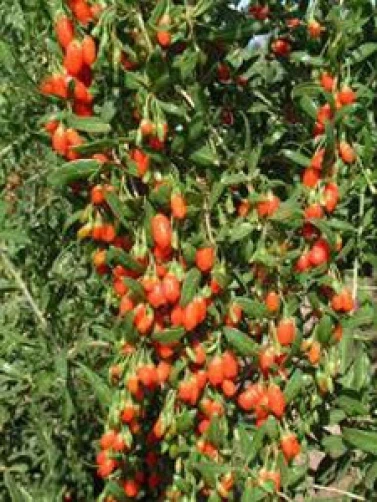
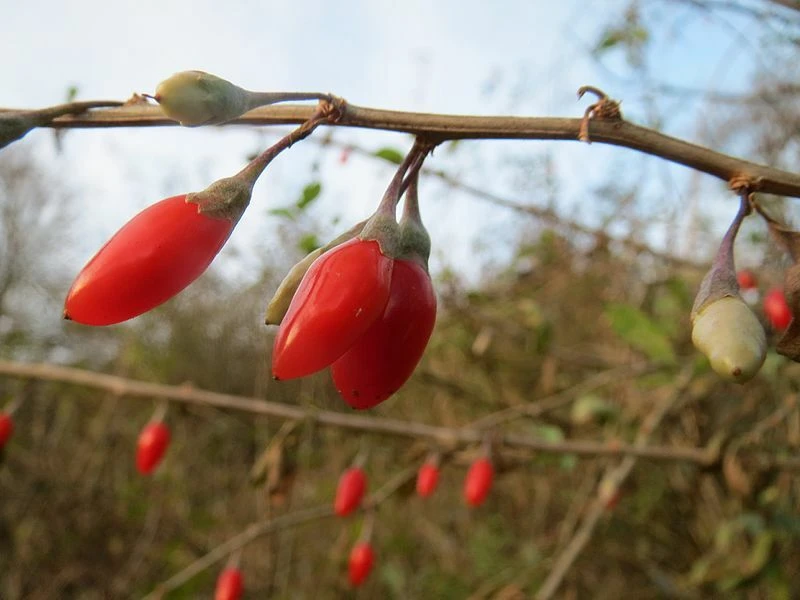
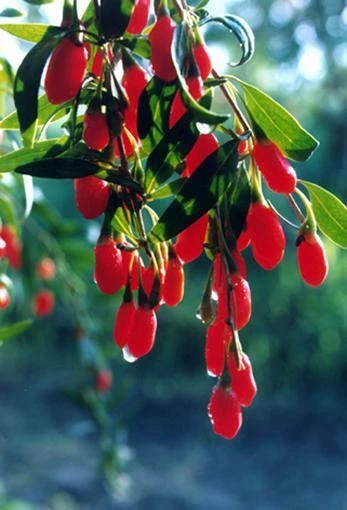
Goji Berry Seeds – Lycium barbarum Wolfberry Seeds for Planting – 20 Seeds
Original price was: 46.99 $.21.99 $Current price is: 21.99 $.
Cultivate your own superfood supply with these premium goji berry seeds. Each packet contains 20 cleaned wolfberry seeds (Lycium barbarum) ready for planting. Enjoy the satisfaction of growing your own nutrient-dense berries, perfect for a healthy lifestyle and adding vibrant color to your garden.
Estimated arrival
Oct 16
Oct 21 - Oct 23
Oct 23 - Oct 28
See our Shipping Policy.
Get in touch with us via email, and our team will review your concerns.
Our Alive & Thrive Guarantee covers issues with your plants within the first 30 days. Read our Refund & Returns Policy.
-
USDA Hardiness Zone
USDA zones 5-9 -
Soil Type
Well-draining loamy soil -
Sunlight Exposure
Full sun -
Expected Planting Period
Spring, after last frost
Overview
Embark on a rewarding gardening journey by growing your own superfood with these premium goji berry seeds. This packet contains 20 high-quality, cleaned Lycium barbarum wolfberry seeds, meticulously prepared for successful planting. Goji berries, also known as wolfberries, are renowned for their vibrant red color and exceptional nutritional profile, packed with antioxidants, vitamins, and minerals. Originating from Asia, these resilient plants are a fantastic addition to any home garden, allowing you to harvest fresh, organic berries right from your backyard. Growing wolfberry seeds offers a unique opportunity to connect with nature and enjoy the freshest possible produce, free from pesticides and unknown additives. Whether you’re an experienced gardener or just starting, cultivating your own goji berries from seed is a fulfilling project that yields delicious and healthy rewards.
Our Lycium barbarum seeds are selected for viability, ensuring you have the best possible start to growing these incredible plants. The process of growing goji berries from seed is an economical and satisfying way to establish a productive patch of these nutritious fruits. Imagine sprinkling your morning oatmeal with homegrown goji berries or adding them to smoothies and teas. These plants are not only productive but also add an attractive, somewhat sprawling shrub to your landscape, producing delicate purple flowers before the berries ripen. Get ready to transform your garden into a source of health and vitality with these exceptional goji berry seeds.
Key Benefits
Growing your own goji berries from seed offers numerous advantages, from personal satisfaction to health benefits. These versatile plants are a powerhouse of nutrition and a joy to cultivate.
- Nutrient-Rich Harvest: Enjoy fresh, organic goji berries directly from your garden, packed with antioxidants, vitamins (especially Vitamin C and A), and essential minerals. Growing your own ensures you get the maximum nutritional benefit from these superfoods.
- Economical & Rewarding: Starting with goji berry seeds is a cost-effective way to establish multiple plants, providing a continuous supply of berries for years to come. The process of nurturing them from seed to fruit is incredibly satisfying.
- Versatile Culinary Use: Homegrown goji berries can be used fresh, dried, or incorporated into a variety of dishes. Add them to cereals, yogurts, smoothies, teas, baked goods, or savory meals for a nutritious boost and unique flavor.
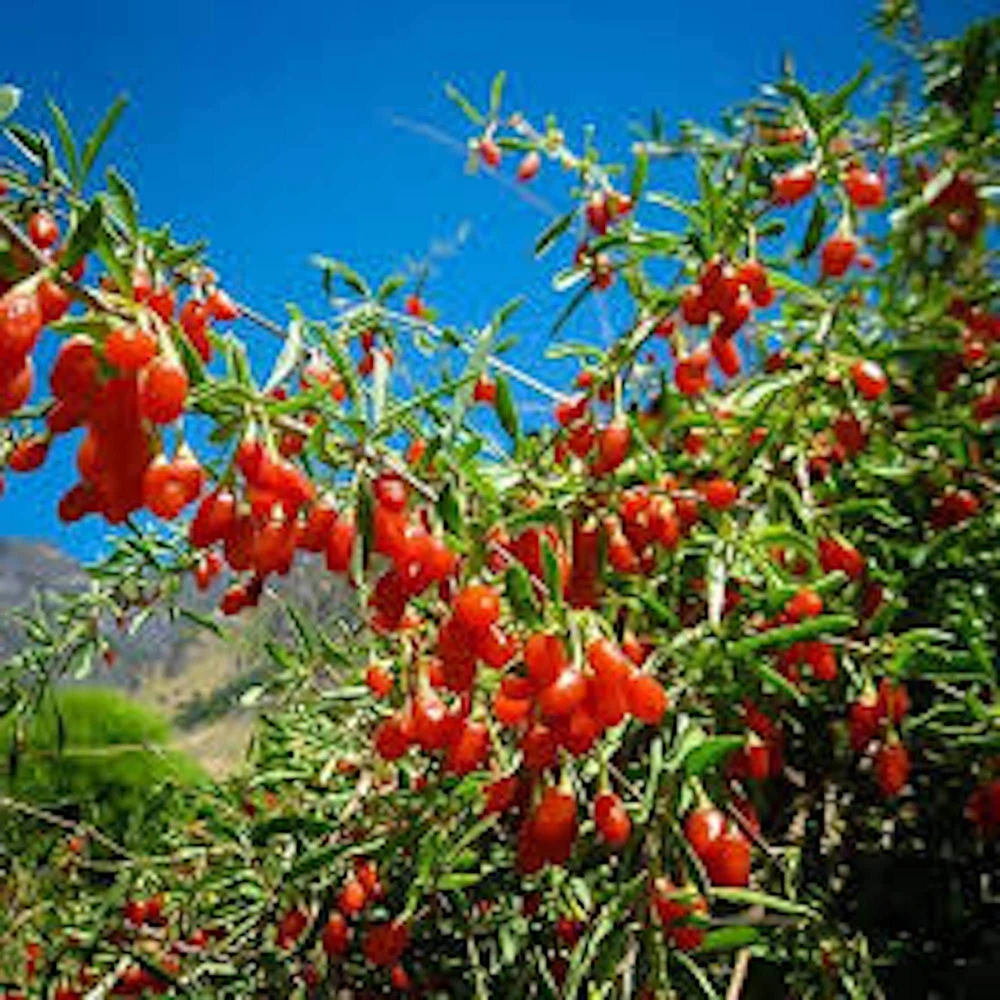
- Attractive Garden Addition: The Lycium barbarum plant itself is an attractive shrub with delicate purple flowers that transform into bright red berries, adding visual interest and a pop of color to your landscape.
- Resilient & Adaptable: Goji berry plants are known for their hardiness and ability to thrive in a range of climates and soil conditions once established, making them suitable for many gardeners.
- Sustainable Living: By growing your own food, you reduce your carbon footprint and contribute to a more sustainable lifestyle. These wolfberry seeds are your first step towards self-sufficiency in superfoods.
- Educational Experience: It’s a wonderful project for families and children to learn about plant life cycles, healthy eating, and the origins of their food.
Plant Care & Growing Tips
Successfully growing goji berries from goji berry seeds requires a bit of patience and attention to detail, but the rewards are well worth the effort. Start your seeds indoors about 6-8 weeks before the last frost date in your area. Sow the seeds about 1/4 inch deep in a well-draining seed-starting mix. Keep the soil consistently moist but not waterlogged, and maintain a temperature of around 65-70°F (18-21°C) for optimal germination, which typically takes 10-20 days. Providing bottom heat can significantly improve germination rates for these Lycium barbarum seeds. Once seedlings emerge, ensure they receive plenty of bright light, either from a south-facing window or under grow lights, to prevent them from becoming leggy.
When the danger of frost has passed and seedlings are robust enough, they can be transplanted outdoors. Choose a location that receives full sun for at least 6-8 hours a day. Goji berry plants prefer well-draining soil with a pH between 6.5 and 7.0. Amend heavy clay soils with organic matter like compost to improve drainage and fertility. Space plants about 5-6 feet apart, as they can grow into sizable shrubs. Water regularly during the first growing season to help establish a strong root system. Once established, goji plants are relatively drought-tolerant but will produce more fruit with consistent moisture. Fertilize sparingly with a balanced organic fertilizer in early spring. Pruning is beneficial to encourage bushier growth and better fruit production; prune in late winter or early spring, removing any dead or weak branches and shaping the plant. Protect young plants from extreme cold during their first winter if you live in a colder climate.
These resilient plants are generally pest and disease resistant, making them a relatively low-maintenance fruit crop. Keep an eye out for common garden pests and address them promptly with organic solutions if they appear. With proper care, your wolfberry seeds will mature into productive plants, providing you with a bounty of healthy berries for years to come. Remember that while goji berries are hardy, providing them with optimal conditions will lead to the best yields and healthiest plants.
Size & Details
This product includes 20 goji berry seeds (Lycium barbarum) that have been cleaned and prepared for planting. Goji berry plants are deciduous woody shrubs that typically grow to a height of 5-10 feet (1.5-3 meters) tall and can spread up to 4-8 feet (1.2-2.4 meters) wide, depending on growing conditions and pruning. They have a somewhat sprawling growth habit and can be trained to grow more upright with support or regular pruning. The plants usually begin to produce fruit in their second or third year after planting, with full production achieved by the fourth or fifth year. Each seed has the potential to grow into a productive, long-lived plant, offering a sustainable source of fresh berries.
The berries themselves are small, oval-shaped, and bright red or orange-red when ripe. They typically mature from mid-summer through fall. These wolfberry seeds are best started indoors in seed trays or small pots before transplanting to their final outdoor location. With proper care, these plants can continue to produce berries for many years, making them a valuable long-term addition to your edible landscape. The seeds are packaged to ensure viability upon arrival, ready for you to begin your growing adventure.
Frequently Asked Questions
- Q: How big does a goji berry plant get? A: Goji berry plants typically grow 5-10 feet tall and 4-8 feet wide, forming a sprawling shrub. Their size can be managed with regular pruning to fit your garden space.
- Q: What size pot should I use for starting goji berry seeds? A: Start goji berry seeds in small seed-starting trays or individual pots (2-4 inches in diameter). Once seedlings are a few inches tall, they can be transplanted into larger containers or directly into the garden.
- Q: Is this an indoor or outdoor plant? A: Goji berry plants are primarily outdoor plants, thriving in full sun. While you can start them indoors, they need to be moved outside to produce fruit and reach their full potential.
- Q: How much sunlight do goji berry plants need? A: Goji berry plants require full sun, meaning at least 6-8 hours of direct sunlight per day, for optimal growth and fruit production.
- Q: Are these goji berry seeds easy to care for? A: Once established, goji berry plants are relatively low-maintenance and drought-tolerant. Starting them from wolfberry seeds requires initial care, but mature plants are quite hardy, making them good for intermediate gardeners.
- Q: What condition will the seeds arrive in? A: Your goji berry seeds will arrive cleaned and carefully packaged to ensure their viability and readiness for planting upon receipt.
- Q: Can I use homegrown goji berries in cooking? A: Absolutely! Homegrown goji berries are perfect for eating fresh, drying, or adding to smoothies, cereals, yogurts, teas, and various baked goods or savory dishes.
- Q: How long until goji berry plants produce fruit? A: Goji berry plants typically start producing fruit in their second or third year after planting, with full production usually achieved by the fourth or fifth year.
- Q: Will goji berry plants survive winter in my zone? A: Goji berry plants are quite hardy and can tolerate temperatures down to about -10°F to -15°F, generally thriving in USDA Zones 5-9. In colder zones, they may require winter protection.
- Q: What’s the minimum temperature these plants can tolerate? A: Mature goji berry plants can tolerate winter temperatures down to USDA Zone 5, which means around -10°F to -20°F (-23°C to -29°C), especially once established.
Be the first to review “Goji Berry Seeds – Lycium barbarum Wolfberry Seeds for Planting – 20 Seeds”
Related products

Fruit Seeds
Southern Highbush Blueberry Seeds – 50 Pre-Stratified Vaccinium Corymbosum Fruit Bush Seeds


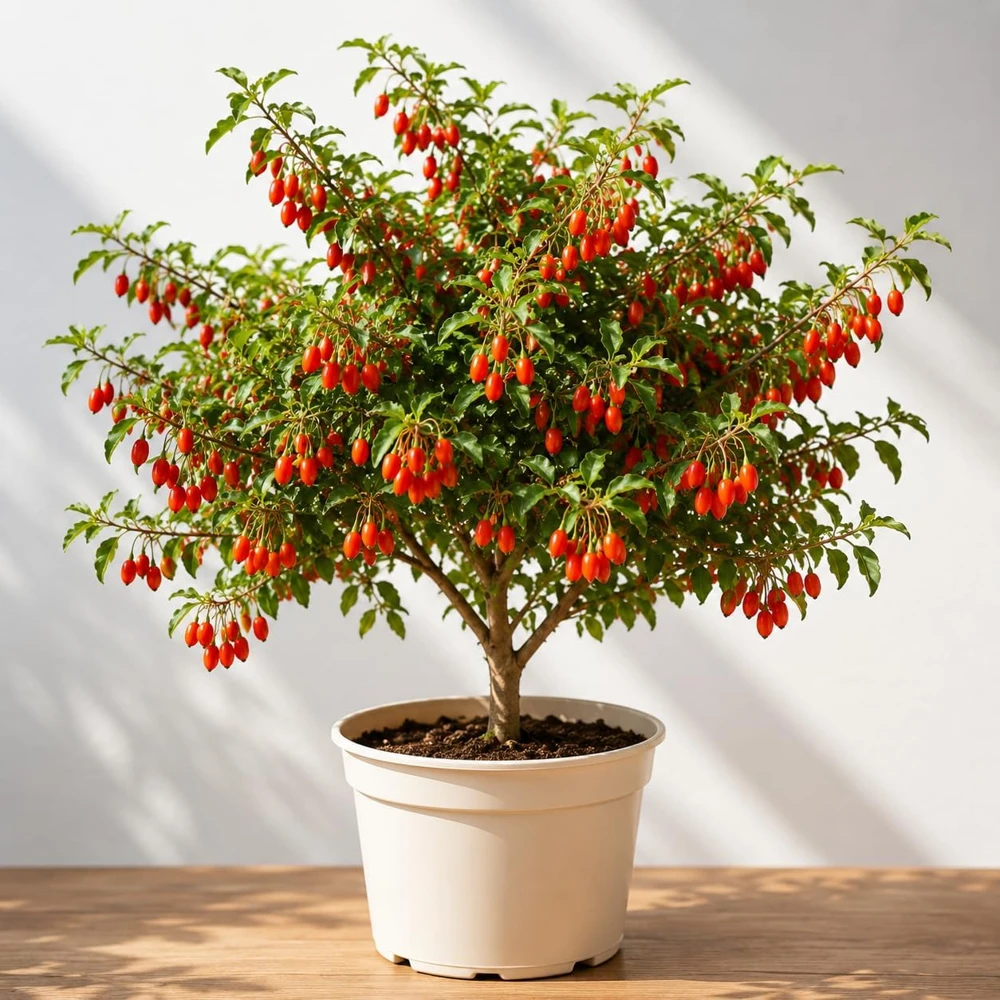

You May Like

Hardneck vs. Softneck Garlic: Which Should You Grow?
Have you ever stood in front of a seed catalog in mid-September, staring at dozens [...]
Oct

When to Plant Music Garlic: Ultimate US Fall Guide
Have you ever spent your fall weekend placing carefully chosen garlic cloves into rich, dark [...]
1 Comment
Oct

5 Best Bulbs for Fall Planting: Brighten Your Garden This Spring
Are you dreaming of a garden full of vibrant colors in the spring? The key [...]
Aug

10 Houseplants That Will Thrive in Your Kitchen
Are you tired of your kitchen feeling dull and lifeless? Want to add a little [...]
1 Comment
Aug
Reviews
There are no reviews yet.