
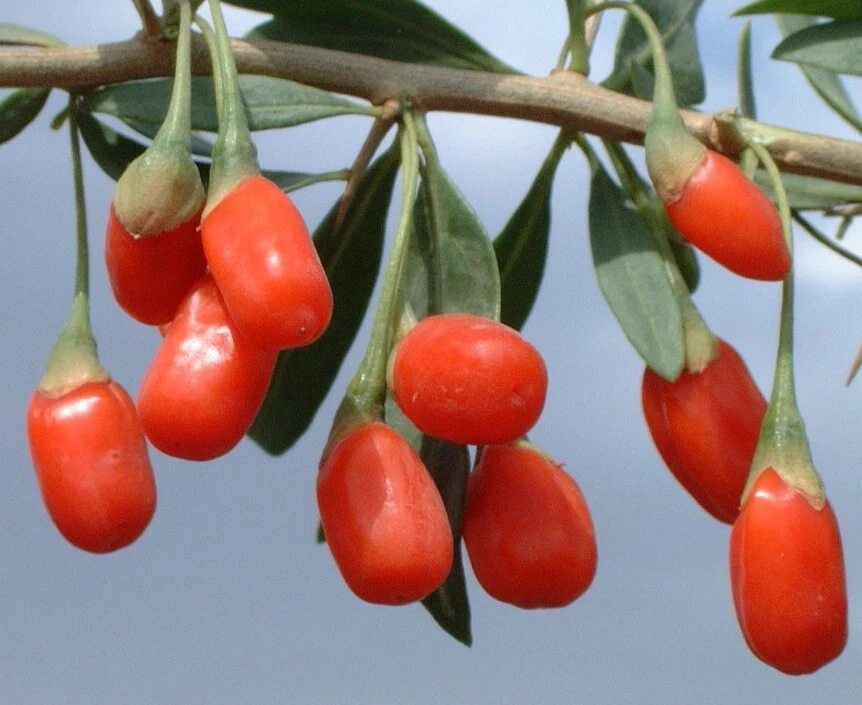
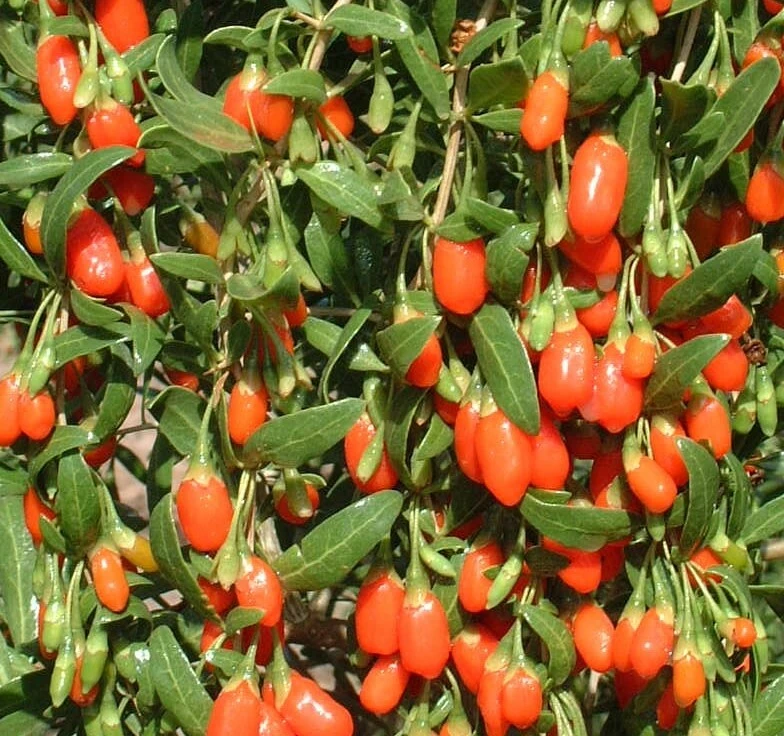
Goji Berry Wolfberry Seeds – Lycium chinense – 20 Seeds – Grow Your Own Superfood
Original price was: 47.99 $.22.99 $Current price is: 22.99 $.
Cultivate your own superfood with these premium goji berry wolfberry seeds. Perfect for home gardeners, these lycium chinense seeds are easy to plant and yield delicious, antioxidant-rich berries. Start growing your own healthy treats today!
Estimated arrival
Oct 16
Oct 21 - Oct 23
Oct 23 - Oct 28
See our Shipping Policy.
Get in touch with us via email, and our team will review your concerns.
Our Alive & Thrive Guarantee covers issues with your plants within the first 30 days. Read our Refund & Returns Policy.
-
USDA Hardiness Zone
USDA Zones 5-9 -
Soil Type
Well-draining, loamy soil -
Sunlight Exposure
Full sun -
Expected Planting Period
Year-round indoors for starting, transplant outdoors in spring
Overview
Embark on a rewarding gardening journey with our premium goji berry wolfberry seeds. These remarkable seeds, scientifically known as Lycium chinense, offer you the opportunity to cultivate your very own superfood right in your backyard or patio. Goji berries, also commonly referred to as wolfberries, have been cherished for centuries in traditional Asian medicine and cuisine for their impressive nutritional profile and delicious taste. Our seed packets provide a convenient and economical way to establish a thriving patch of these beneficial plants, bringing the goodness of fresh, homegrown goji berries directly to your table. Imagine harvesting vibrant red berries, bursting with antioxidants and vitamins, knowing they were grown with your own care and effort. These seeds are an excellent choice for anyone looking to expand their edible garden with a unique and highly nutritious fruit.
Each packet contains 20 viable goji berry wolfberry seeds, carefully selected to ensure a high germination rate and robust growth. Starting goji berries from seed is a fulfilling process that allows you to nurture the plant from its earliest stages, fostering strong, healthy plants that will produce abundant harvests. Whether you’re an experienced gardener or just beginning, these seeds are forgiving and adaptable, making them a fantastic addition to any garden space. Get ready to enjoy the satisfaction of growing your own nutrient-dense fruit with these exceptional lycium chinense seeds.
Key Benefits
Growing your own goji berries from seed offers a multitude of benefits, from enhancing your garden’s biodiversity to providing a continuous supply of fresh, healthy fruit. These plants are not only productive but also add an attractive element to your landscape.
- Nutrient Powerhouse: Goji berries are renowned for being packed with vitamins, minerals, and antioxidants. Growing your own ensures you have access to fresh, organic berries that can boost your diet and overall well-being. Enjoy the satisfaction of harvesting a truly healthy superfood.
- Garden Versatility: The goji berry plant is a resilient and adaptable shrub that can thrive in various growing conditions. It can be grown as a standalone bush, trained as a vine, or even kept in large containers, making it suitable for diverse garden designs and spaces.
- Easy to Grow: While starting from seed requires a bit of patience, the goji berry wolfberry seeds are relatively easy to germinate and establish. Once mature, the plants are low-maintenance, drought-tolerant, and generally pest-resistant, making them ideal for busy gardeners.
- Continuous Harvest: Once established, goji berry plants can produce fruit for many years, offering a consistent supply of fresh berries throughout the growing season. This provides a sustainable source of healthy fruit for your family without repeated purchases.
- Attractive Landscape Addition: Beyond their edible benefits, goji berry plants feature delicate purple flowers in spring and summer, followed by bright red berries that create a beautiful contrast against their green foliage. They add visual interest to any garden space.
- Support Pollinators: The flowers of the goji berry plant attract beneficial pollinators like bees, contributing to a healthier garden ecosystem. Growing these plants helps support local biodiversity and promotes natural pollination.
- Cost-Effective: Starting from lycium chinense seeds is a cost-effective way to acquire multiple goji berry plants compared to buying established seedlings. This allows you to grow a larger crop for less investment.
Plant Care & Growing Tips
Cultivating goji berry wolfberry seeds into productive plants requires attention to a few key growing conditions. To ensure successful germination and robust growth, it’s best to start the seeds indoors 6-8 weeks before the last frost date. Sow seeds about 1/4 inch deep in a well-draining seed starting mix. Keep the soil consistently moist but not waterlogged, and maintain a temperature of 65-70°F (18-21°C) for optimal germination, which typically occurs within 1-2 weeks. Providing bright, indirect light or using grow lights will help produce strong seedlings, preventing them from becoming leggy. Once seedlings have developed a few true leaves, they can be transplanted into larger pots.
For outdoor planting, choose a site that receives full sun, meaning at least 6-8 hours of direct sunlight per day. Goji berry plants prefer well-draining soil with a pH between 6.5 and 7.0. While they are adaptable to various soil types, enriching the soil with compost will provide essential nutrients and improve drainage. Space plants about 5-7 feet apart to allow for mature growth. Water regularly during the first growing season to help establish a strong root system. Once established, these plants are quite drought-tolerant, but consistent watering during fruiting periods will encourage a more abundant harvest. Fertilize annually in spring with a balanced, organic fertilizer. Pruning in late winter or early spring will help maintain plant shape, encourage new growth, and improve fruit production. Learning how to grow goji berries successfully involves providing adequate sunlight, proper watering, and occasional pruning.
Wolfberry plant care is relatively straightforward, making them a good choice for both novice and experienced gardeners. They are generally resistant to most pests and diseases. However, monitoring for common garden pests and addressing any issues promptly can help maintain plant health. Protecting young plants from strong winds and providing some form of support as they grow can be beneficial, especially if you plan to train them as a vine. With proper care, your goji berry wolfberry seeds will mature into healthy, fruit-bearing plants, providing you with delicious and nutritious berries for years to come.
Size & Details
Each packet contains 20 high-quality goji berry wolfberry seeds, ready for planting. These seeds will grow into deciduous shrubs that typically reach a mature height of 3-6 feet (1-2 meters) and a spread of 4-6 feet (1-2 meters) when grown as a bush, though they can be trained to climb. The growth rate is moderate, with plants often beginning to produce fruit in their second or third year after planting from seed. The berries are small, oval, and bright orange-red, usually ripening from mid-summer to early fall.
The seeds are shipped in a protective packet to ensure viability upon arrival. Expect vigorous growth under optimal conditions, with plants developing a woody structure over time. These plants are known for their hardiness and ability to thrive in various climates, making them a versatile choice for many gardens. When considering how to grow goji berries, remember that their ultimate size and yield can be influenced by local climate, soil quality, and care practices, but they are generally robust and productive.
Frequently Asked Questions
- Q: How big does this plant get? A: A: Goji berry plants typically grow 3-6 feet tall and 4-6 feet wide when mature as a bush. They can be trained to climb and may reach slightly taller if given support.
- Q: What is the best time to plant these goji berry wolfberry seeds? A: It’s best to start these goji berry wolfberry seeds indoors 6-8 weeks before your last expected frost. Transplant seedlings outdoors after all danger of frost has passed, typically in late spring or early summer.
- Q: Is this an indoor or outdoor plant? A: Goji berry plants are primarily grown outdoors. While seedlings can be started indoors, mature plants thrive in full sun conditions in a garden or large container.
- Q: How much sunlight does it need? A: Goji berry plants require full sun exposure, meaning at least 6-8 hours of direct sunlight per day, to produce the best fruit yields and ensure healthy growth.
- Q: Is this plant easy to care for? A: Yes, goji berry plants are considered relatively easy to care for once established. They are drought-tolerant and generally resistant to pests and diseases, making wolfberry plant care quite manageable.
- Q: What condition will the seeds arrive in? A: The lycium chinense seeds will arrive in a sealed packet, ensuring they are protected and viable for planting.
- Q: How long until it blooms and produces fruit? A: Goji berry plants typically start blooming and producing fruit in their second or third year after being grown from seed, with harvests usually occurring from mid-summer to early fall.
- Q: What is the best soil for these seeds? A: Goji berry seeds and plants prefer well-draining soil with a neutral to slightly alkaline pH (6.5-7.0). Amending the soil with compost can improve its structure and fertility.
- Q: Can I use goji berries in cooking? A: Absolutely! Goji berries are widely used in cooking, baking, smoothies, teas, and as a healthy snack. They have a sweet-tart flavor that complements many dishes.
- Q: Will it survive winter in my zone? A: Goji berry plants are quite hardy and typically thrive in USDA Hardiness Zones 5-9. They are deciduous and will go dormant in colder winters, returning in spring.
Be the first to review “Goji Berry Wolfberry Seeds – Lycium chinense – 20 Seeds – Grow Your Own Superfood”
Related products


You May Like

Hardneck vs. Softneck Garlic: Which Should You Grow?
Have you ever stood in front of a seed catalog in mid-September, staring at dozens [...]
Oct

When to Plant Music Garlic: Ultimate US Fall Guide
Have you ever spent your fall weekend placing carefully chosen garlic cloves into rich, dark [...]
1 Comment
Oct

5 Best Bulbs for Fall Planting: Brighten Your Garden This Spring
Are you dreaming of a garden full of vibrant colors in the spring? The key [...]
Aug

10 Houseplants That Will Thrive in Your Kitchen
Are you tired of your kitchen feeling dull and lifeless? Want to add a little [...]
1 Comment
Aug
Reviews
There are no reviews yet.