
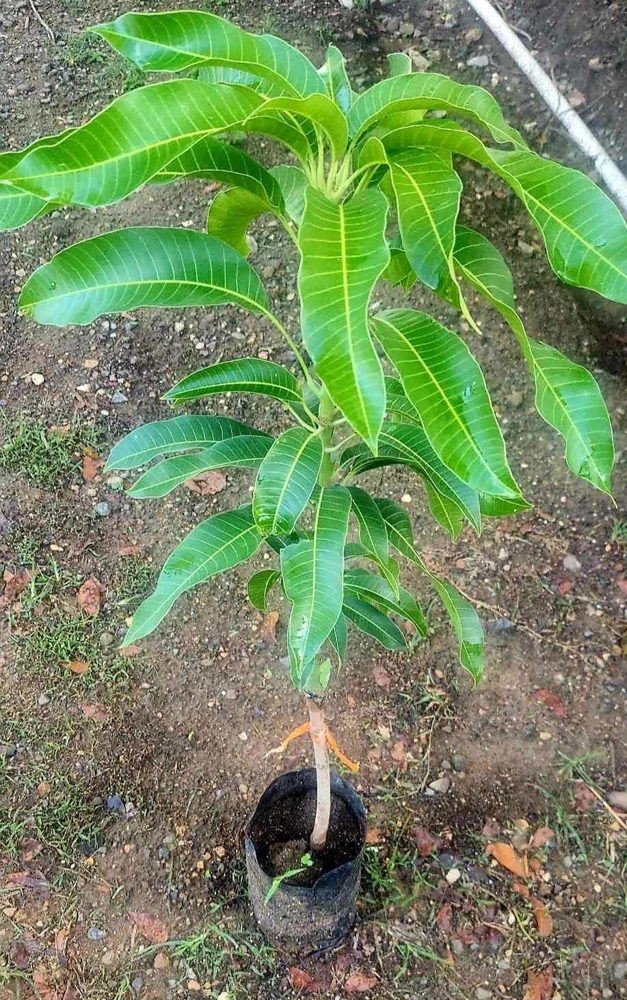
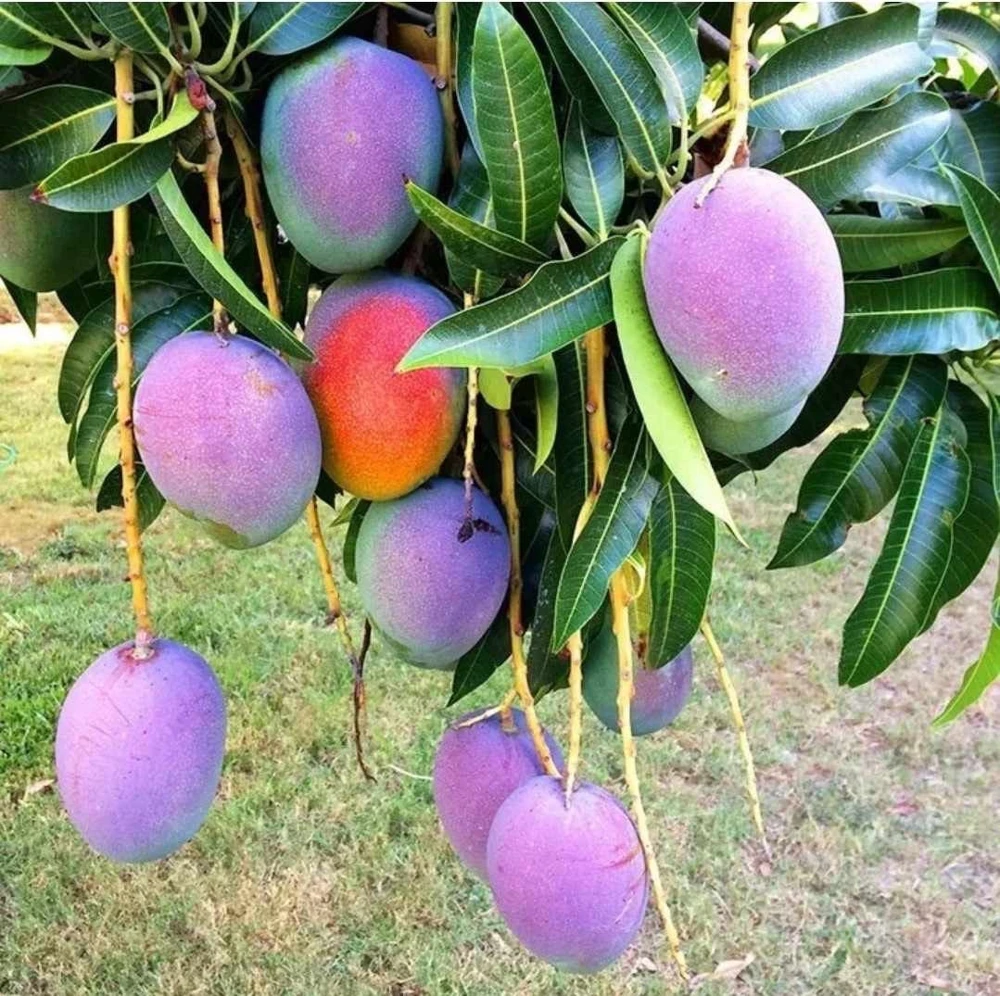
Grafted Rapoza Mango Tree Live Plant – Tropical Fruit, 1-2 ft Tall
Original price was: 176.00 $.126.00 $Current price is: 126.00 $.
Cultivate your own exotic fruit with this grafted rapoza mango tree. This tropical live plant is known for its sweet, edible fruit and fast growth, reaching 1-2 ft tall. Ideal for warm climates, it will produce fruit in just 1.5 years.
Estimated arrival
Oct 17
Oct 22 - Oct 24
Oct 24 - Oct 29
See our Shipping Policy.
Get in touch with us via email, and our team will review your concerns.
Our Alive & Thrive Guarantee covers issues with your plants within the first 30 days. Read our Refund & Returns Policy.
-
USDA Hardiness Zone
USDA zones 9-11 -
Soil Type
Well-draining, rich in organic matter, slightly acidic to neutral -
Sunlight Exposure
Full sun (6-8+ hours direct sunlight) -
Expected Planting Period
Year-round in warm climates, spring to early summer in others
Overview
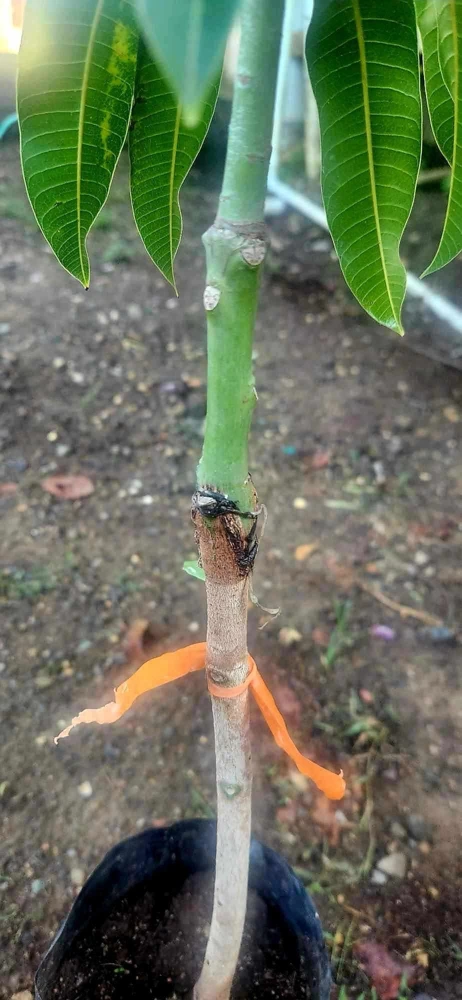
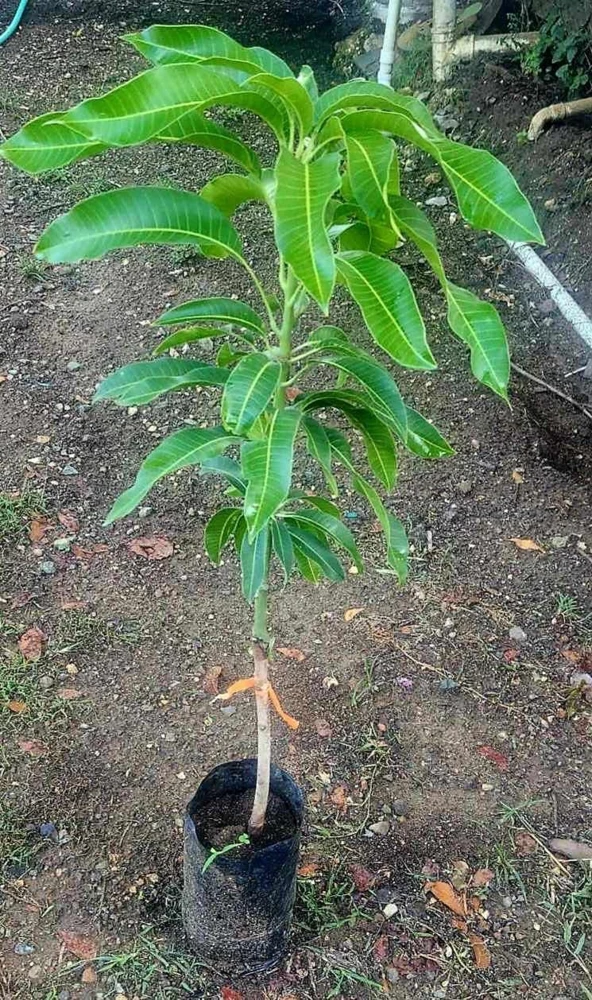
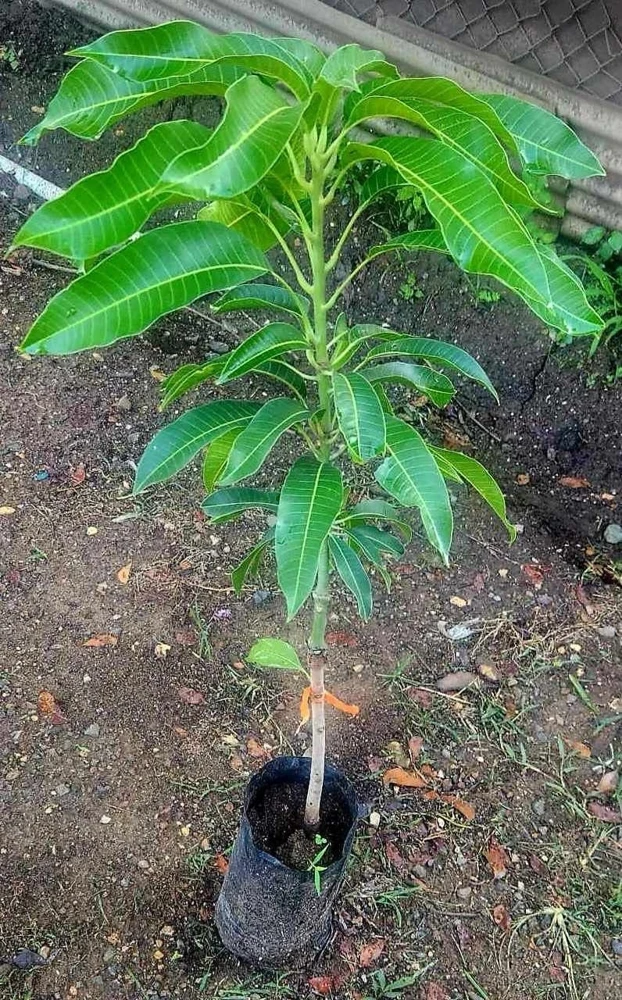
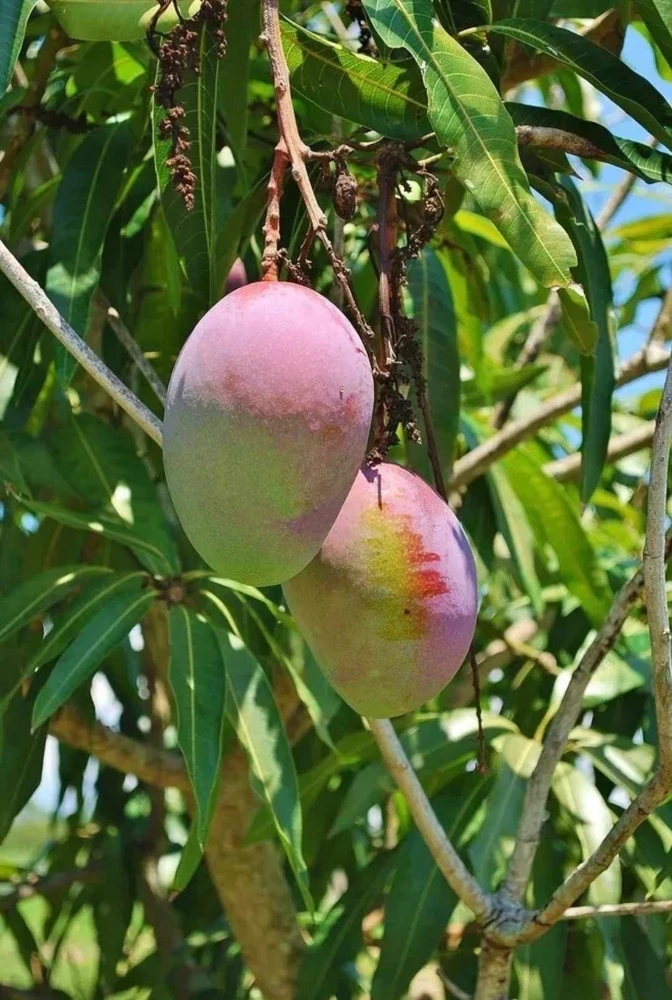
Bring the taste of the tropics to your home with a grafted rapoza mango tree. This rare and highly sought-after tropical fruit tree, also known as Mango Raposa, is a fantastic addition to any garden or patio. Standing at an impressive 1-2 feet tall upon arrival, this live plant is ready to thrive in its new environment. Unlike seed-grown mango trees that can take up to 15 years to fruit, our grafted trees are engineered for accelerated production, yielding delicious mangoes in as little as 1.5 years. The Rapoza mango is celebrated for its sweet, delectable flavor, making it perfect for fresh eating, smoothies, jams, and chutneys. Its evergreen foliage and vigorous climbing habit add a lush, vibrant touch to any landscape, especially in warm, humid climates. If you are looking to buy tropical fruit tree that offers both beauty and bounty, the Rapoza mango is an excellent choice.
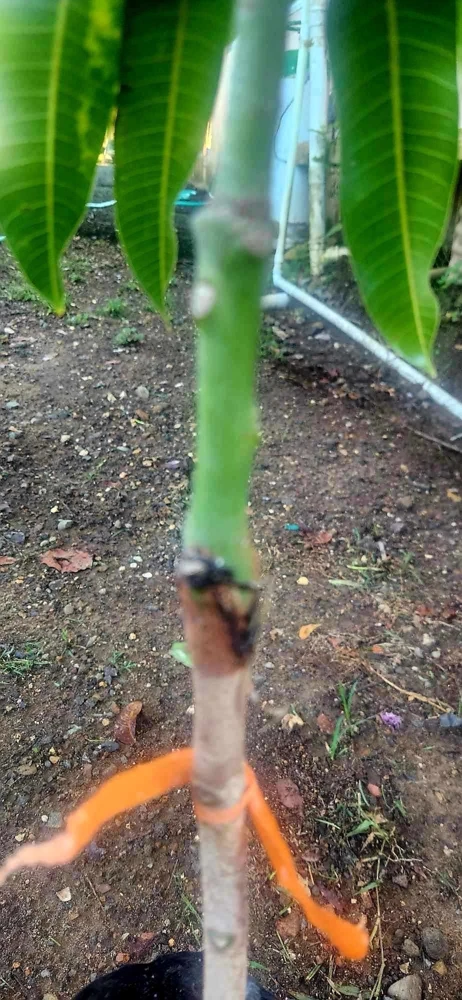
Our grafted rapoza mango tree specimens are carefully cultivated to ensure robust health and readiness for planting. Each tree is a unique living organism, so while they will closely resemble product photos, natural variations in branch structure and leaf density are to be expected. This ensures you receive a natural, healthy plant prepared to flourish. The grafting process guarantees not only quicker fruit production but also often results in a more resilient and adaptable plant, making it a rewarding choice for both seasoned gardeners and enthusiastic beginners.
Key Benefits
The grafted rapoza mango tree offers a wealth of benefits, transforming your garden into a tropical paradise while providing delicious, homegrown fruit. Discover why this exceptional plant is a must-have:
- Delicious Edible Fruit: Enjoy the sweet, succulent taste of fresh Rapoza mangoes directly from your own tree. These mangoes are perfect for a variety of culinary uses, from eating fresh to making jams, chutneys, and desserts.
- Fast Fruit Production: Thanks to the grafting process, your tree will bear fruit in approximately 1.5 years, significantly faster than traditional seed-grown trees which can take over a decade. This makes growing rapoza mango a more immediate and rewarding experience.
- Air Purification: As a living plant, the Rapoza mango tree naturally purifies the air, contributing to a healthier and more pleasant indoor or outdoor environment. Its lush foliage helps filter pollutants and release oxygen.
- Evergreen Foliage: The tree maintains its vibrant green leaves year-round, providing continuous beauty and a tropical aesthetic to your landscape, even when not in fruit.
- Vigorous Growth: Known for its fast-growing nature, this tree quickly establishes itself and develops into a sturdy specimen, adding structure and beauty to your garden or patio. This makes it an ideal fast growing mango tree for those eager to see quick results.
- Tropical Aesthetic: Its lush, tropical appearance enhances any outdoor space, creating a serene and exotic atmosphere. It’s an excellent choice for creating a resort-like feel in your backyard.
- Resilience: Grafted trees often exhibit increased hardiness and disease resistance compared to their seedling counterparts, contributing to easier rapoza mango plant care.
Plant Care & Growing Tips
Proper care is essential for a thriving grafted rapoza mango tree. These tropical beauties flourish with the right attention to their environment and needs. Mango trees prefer a location that receives ample sunlight. Ideally, they should be planted in a spot with full sun exposure, meaning at least 6-8 hours of direct sunlight per day. If grown indoors, place your tree near a south-facing window or under grow lights to ensure it gets sufficient light. While they appreciate warmth, protection from extreme cold is crucial. They are best suited for USDA Zones 9-11, where temperatures rarely drop below freezing. For those in cooler climates, growing in a container allows you to bring the tree indoors during winter months, making growing rapoza mango possible for a wider range of gardeners.
When it comes to watering, consistency is key, especially during the tree’s establishment phase. Water thoroughly when the top 2-3 inches of soil feel dry to the touch, allowing excess water to drain away. Avoid overwatering, which can lead to root rot. The ideal soil for your grafted rapoza mango tree is well-draining, slightly acidic to neutral (pH 6.0-7.0), and rich in organic matter. A good quality potting mix designed for fruit trees or a blend of garden soil, compost, and perlite works well. Fertilize your mango tree every 2-3 months during the growing season (spring and summer) with a balanced, slow-release fertilizer formulated for tropical fruit trees. Reduce fertilization during the dormant season. Pruning should be done to maintain shape, remove dead or diseased branches, and encourage air circulation, which is vital for good fruit production and overall health. Addressing common issues like pests (aphids, scale) or diseases (anthracnose) promptly with organic sprays or appropriate treatments will help ensure a healthy rapoza mango plant care regimen.
Size & Details
Each grafted rapoza mango tree typically arrives as a live plant, standing approximately 1-2 feet tall from the base of the pot to the top of the foliage. These are bare root plants, carefully packaged to ensure their health during transit, and should be planted in soil upon arrival. While the exact branching and leaf count may vary slightly due to their natural growth, each tree is selected to be robust and ready for planting. The grafting process ensures that these trees have a strong root system and a healthy scion, promoting rapid establishment and growth.
Upon planting, with proper care, you can expect this fast growing mango tree to establish quickly. The grafted nature means that instead of the typical 15 years for a seed-grown mango tree, you will likely see fruit production within 1.5 years. This makes the journey from planting to harvesting your own delicious tropical fruit much shorter and more rewarding. The mature size of a Rapoza mango tree can reach 15-20 feet in ideal conditions, though it can be maintained at a smaller size with regular pruning, making it suitable for both ground planting and large container growing.
Frequently Asked Questions
- Q: How big does this plant get? A: Your grafted rapoza mango tree will arrive at approximately 1-2 feet tall. With proper care, it can grow to a mature height of 15-20 feet, though it can be pruned to maintain a smaller, more manageable size for container growing.
- Q: Is this an indoor or outdoor plant? A: The Rapoza mango tree is a tropical plant best suited for outdoor planting in USDA Zones 9-11. In cooler climates, it can be grown in a container and brought indoors during colder months.
- Q: How much sunlight does it need? A: This fast growing mango tree thrives in full sun, requiring at least 6-8 hours of direct sunlight per day. If growing indoors, place it in the brightest possible location.
- Q: Is this plant easy to care for? A: While tropical plants require specific conditions, rapoza mango plant care is manageable for enthusiastic gardeners. Providing adequate sunlight, proper watering, and well-draining soil are key.
- Q: What condition will it arrive in? A: Your mango tree will arrive as a healthy bare root plant, carefully packaged to ensure its well-being during shipment. It will need to be planted in soil upon arrival.
- Q: Can I use Rapoza mango in cooking? A: Absolutely! The Rapoza mango produces sweet, edible fruit perfect for fresh consumption, making jams, chutneys, smoothies, and various other culinary delights. It’s a delicious reason to consider growing rapoza mango.
- Q: How long until it fruits? A: Due to being a grafted rapoza mango tree, you can expect fruit production in approximately 1.5 years, a significant advantage over seed-grown trees.
- Q: What’s the best soil for this tree? A: A well-draining, slightly acidic to neutral soil rich in organic matter is ideal for your Rapoza mango tree.
- Q: Will it survive winter in my zone? A: This tropical tree is cold-sensitive. It will survive winters outdoors only in USDA Zones 9-11. In colder zones, it must be protected from freezing temperatures, usually by bringing it indoors.
- Q: Is it good for beginners? A: With proper research and dedication to its specific needs, a beginner can successfully grow a grafted rapoza mango tree. Its relatively fast fruiting makes it a rewarding choice.
Be the first to review “Grafted Rapoza Mango Tree Live Plant – Tropical Fruit, 1-2 ft Tall”
Related products


You May Like

Hardneck vs. Softneck Garlic: Which Should You Grow?
Have you ever stood in front of a seed catalog in mid-September, staring at dozens [...]
Oct

When to Plant Music Garlic: Ultimate US Fall Guide
Have you ever spent your fall weekend placing carefully chosen garlic cloves into rich, dark [...]
1 Comment
Oct

5 Best Bulbs for Fall Planting: Brighten Your Garden This Spring
Are you dreaming of a garden full of vibrant colors in the spring? The key [...]
Aug

10 Houseplants That Will Thrive in Your Kitchen
Are you tired of your kitchen feeling dull and lifeless? Want to add a little [...]
1 Comment
Aug
Reviews
There are no reviews yet.