
Hall’s Beauty Thornless Blackberry Live Plants – 2 Pack, Trailing, Zones 6-8
Original price was: 128.99 $.98.99 $Current price is: 98.99 $.
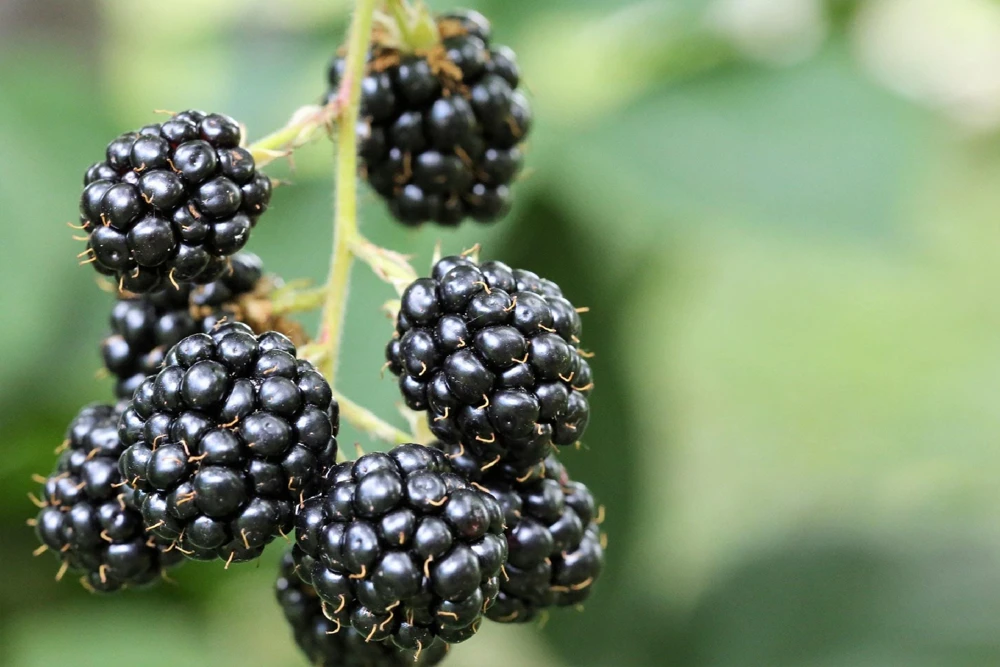
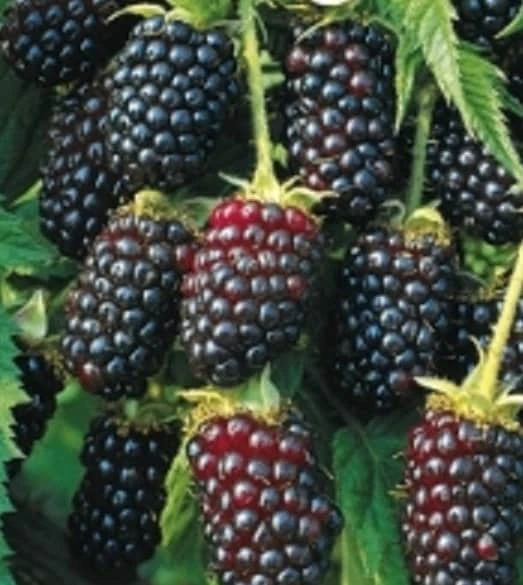
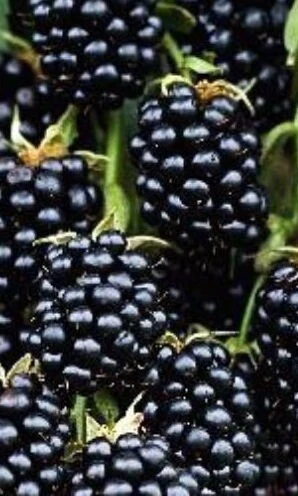
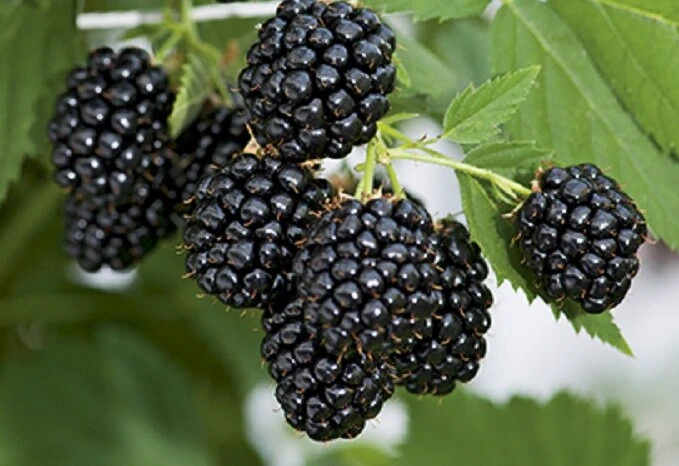
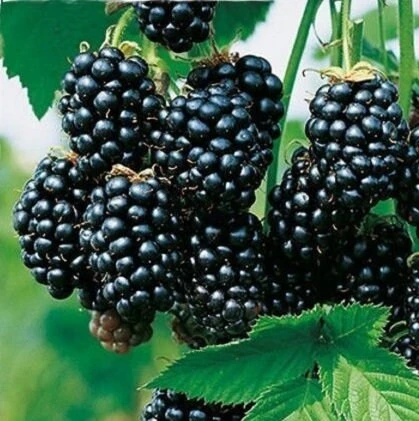
Cultivate your own sweet and firm berries with these Hall’s Beauty thornless blackberry live plants. This 2-pack offers an easy-to-manage, trailing blackberry variety perfect for home gardens, producing attractive pink-budded flowers and abundant fruit in USDA Zones 6-8.
Estimated arrival
Oct 19
Oct 24 - Oct 26
Oct 26 - Oct 31
See our Shipping Policy.
Get in touch with us via email, and our team will review your concerns.
Our Alive & Thrive Guarantee covers issues with your plants within the first 30 days. Read our Refund & Returns Policy.
-
USDA Hardiness Zone
6-8 -
Soil Type
Average to fertile, moist, well-drained soil -
Sunlight Exposure
Full sun to part sun -
Expected Planting Period
Spring to early summer
Overview
Bring the joy of fresh, homegrown berries to your garden with the Hall’s Beauty thornless blackberry live plants. This offering includes two robust plants, ready to establish and thrive in your outdoor space. The ‘Hall’s Beauty’ is a highly desirable floricane type blackberry, celebrated for its completely thornless canes, which makes harvesting a truly pleasant experience. Beyond its delicious fruit, this variety also boasts unusually attractive multi-petaled flowers with delicate pink buds, adding ornamental value to your landscape before the berries even begin to form. These plants are known for producing medium to large crops of large, firm, and exceptionally sweet berries, ripening reliably in the early to mid-season. Ideal for gardeners in USDA Zones 6-8, these thornless blackberry plants are a fantastic addition for both their aesthetic appeal and bountiful harvest.
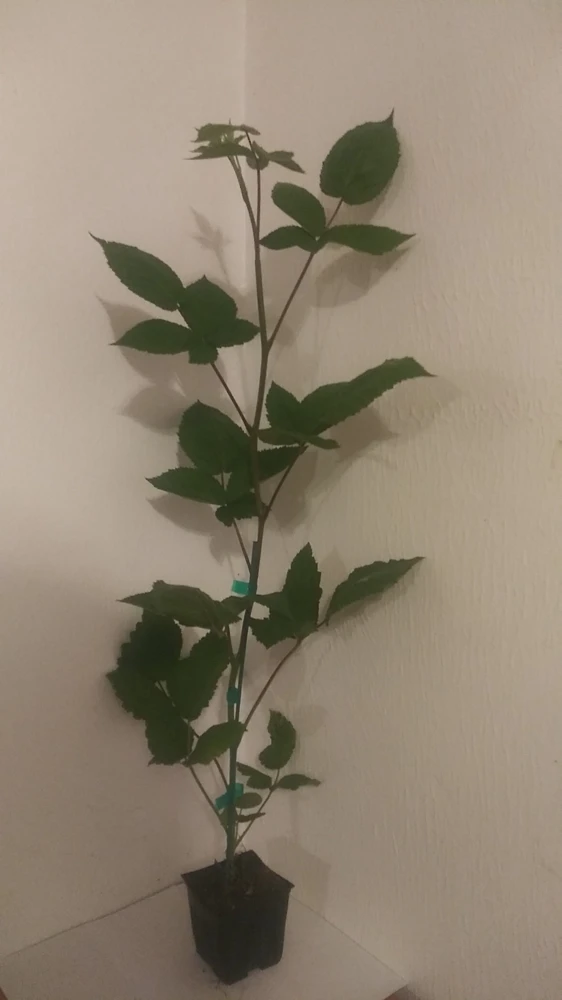
Each plant is approximately 1 year old and 1-3 feet tall upon arrival, ensuring a strong start. The ‘Hall’s Beauty’ variety is a trailing type, making it suitable for trellising or allowing it to spread, adding versatility to your garden design. Whether you’re an experienced grower or looking to grow Hall’s Beauty blackberry for the first time, these plants provide an excellent opportunity to enjoy fresh, organic fruit straight from your backyard.
Key Benefits
Investing in Hall’s Beauty thornless blackberry plants offers a multitude of advantages for the home gardener. These plants are not only productive but also beautiful and easy to manage, making them a top choice for edible landscaping. Here are some of the key benefits you can expect:
- Thornless Canes: Enjoy hassle-free harvesting and pruning thanks to the completely thornless nature of this blackberry variety. This feature significantly enhances the gardening experience, especially for families with children.
- Attractive Flowers: Unlike typical blackberry plants, ‘Hall’s Beauty’ produces exceptionally beautiful multi-petaled flowers with charming pink buds, adding significant ornamental appeal to your garden before the fruiting season.
- Abundant & Delicious Fruit: Expect generous yields of large, firm, and wonderfully sweet berries. These high-quality berries are perfect for fresh eating, baking, jams, or freezing.
- Early-Mid Season Ripening: The fruit ripens in the early to mid-season, allowing you to enjoy fresh blackberries sooner and for an extended period through mid-summer to September.
- Self-Fertile: While it will perform even better with another type nearby, the ‘Hall’s Beauty’ is self-fertile, meaning you can get a good crop even with just one plant, simplifying the process to grow Hall’s Beauty blackberry.
- Hardy & Adaptable: These plants are hardy in USDA Zones 6-8, tolerating temperatures down to -10°F to 0°F, making them suitable for a wide range of climates.
- Trailing Growth Habit: The trailing floricanes can be trained on a trellis or allowed to spread, offering flexibility in how you integrate this productive plant into your garden design.
Plant Care & Growing Tips
Proper blackberry plant care is essential for a bountiful harvest and healthy growth. The Hall’s Beauty thornless blackberry is relatively low-maintenance, but understanding its specific needs will ensure optimal performance. These plants thrive in full sun to part sun exposure, meaning they require at least 6-8 hours of direct sunlight daily for the best fruit production. While they can tolerate some afternoon shade in hotter climates, too much shade can reduce yields and berry quality. Ensure they are planted in a location with good air circulation to minimize disease risk.
For soil, ‘Hall’s Beauty’ prefers average to fertile, moist, and well-drained soil. Avoid heavy clay or sandy soils that don’t retain moisture or drain well. Amending your soil with organic matter like compost before planting will greatly improve its structure, fertility, and drainage. Consistent watering is crucial, especially during dry spells and when the fruit is developing. Keep the soil consistently moist but never waterlogged. Once established, these plants can tolerate some drought but will produce better with regular irrigation. Fertilize annually in early spring with a balanced fertilizer formulated for fruit-bearing plants.
Pruning is a vital aspect of blackberry plant care, particularly for trailing varieties like ‘Hall’s Beauty’. Since this is a floricane type, fruit is produced on canes that grew the previous year. After harvest, prune back the canes that have fruited to the ground. This encourages new growth for the following season’s crop and maintains plant vigor. You can keep the plant smaller with some pruning if desired, as it naturally matures at 5-8 feet. These plants are hardy to 10°F, making them suitable for USDA Zones 6-8. Protecting young plants during extreme winter cold in the lower end of their hardiness range can be beneficial. These plants are self-fertile but will benefit from cross-pollination from another blackberry variety nearby for increased yields.
Size & Details
You will receive two individual Hall’s Beauty thornless blackberry live plants, each grown in a 4-inch container. Upon arrival, your plants will be approximately 1 year old and stand 1-3 feet tall, providing a solid foundation for rapid growth in your garden. This variety is a trailing floricane type, meaning its fruiting canes grow for one season and bear fruit the next, then die back. The plants typically mature to a height of 5-8 feet, though they can be maintained at a smaller size with regular pruning. The ‘Hall’s Beauty’ is hardy to USDA Zones 6-8, capable of withstanding winter temperatures down to -10°F to 0°F. Bearing age is typically 1-2 years after planting, with established plants capable of producing 10-15 lbs of fruit per plant. The berries ripen from mid-summer through September, offering a prolonged harvest period. For optimal growth, plant these blackberry plants in full sun to part sun in average to fertile, moist, well-drained soil.
Frequently Asked Questions
- Q: How big does this plant get? A: The Hall’s Beauty thornless blackberry typically matures to a height of 5-8 feet, though its trailing habit means it can spread horizontally. With regular pruning, you can keep the plant at a more manageable size to fit your garden space.
- Q: Is this an indoor or outdoor plant? A: This is an outdoor plant, specifically a berry-producing shrub designed for garden and landscape use. It requires outdoor conditions to thrive and produce fruit.
- Q: How much sunlight does it need? A: For best fruit production, these thornless blackberry plants require full sun to part sun, ideally 6-8 hours of direct sunlight per day. Adequate sunlight is crucial for sweet berries and healthy growth.
- Q: Is this plant easy to care for? A: Yes, the ‘Hall’s Beauty’ is considered relatively easy to care for, especially due to its thornless canes. Basic blackberry plant care involves proper watering, good soil, adequate sunlight, and annual pruning of old canes.
- Q: What condition will it arrive in? A: You will receive two healthy, approximately 1-year-old plants, 1-3 feet tall, each grown in a 4-inch container. They are carefully prepared for shipping to ensure they arrive in good condition, ready for planting.
- Q: How long until it blooms and fruits? A: These plants typically reach bearing age within 1-2 years after planting. Once established, they will bloom in spring and begin to ripen fruit from mid-summer through September.
- Q: What’s the minimum temperature these plants can tolerate? A: The ‘Hall’s Beauty’ is hardy to USDA Zones 6-8, meaning it can tolerate minimum temperatures ranging from -10°F to 0°F. This makes it suitable for many temperate climates.
- Q: Can I grow Hall’s Beauty blackberry in a container? A: While primarily grown in the ground, this trailing blackberry can be grown in large containers (at least 15-20 gallons) with proper support and consistent watering, especially in areas with limited garden space.
- Q: Does this blackberry plant need another plant for pollination? A: The ‘Hall’s Beauty’ is self-fertile, meaning it can produce fruit on its own. However, planting another blackberry variety nearby can often lead to increased yields and larger berries.
- Q: What kind of soil is best for these plants? A: These plants prefer average to fertile, moist, and well-drained soil. Avoid waterlogged conditions and amend heavy soils with organic matter to improve drainage and fertility.
Be the first to review “Hall’s Beauty Thornless Blackberry Live Plants – 2 Pack, Trailing, Zones 6-8”
Related products


You May Like

Hardneck vs. Softneck Garlic: Which Should You Grow?
Have you ever stood in front of a seed catalog in mid-September, staring at dozens [...]
Oct

When to Plant Music Garlic: Ultimate US Fall Guide
Have you ever spent your fall weekend placing carefully chosen garlic cloves into rich, dark [...]
1 Comment
Oct

5 Best Bulbs for Fall Planting: Brighten Your Garden This Spring
Are you dreaming of a garden full of vibrant colors in the spring? The key [...]
Aug

10 Houseplants That Will Thrive in Your Kitchen
Are you tired of your kitchen feeling dull and lifeless? Want to add a little [...]
1 Comment
Aug
Reviews
There are no reviews yet.